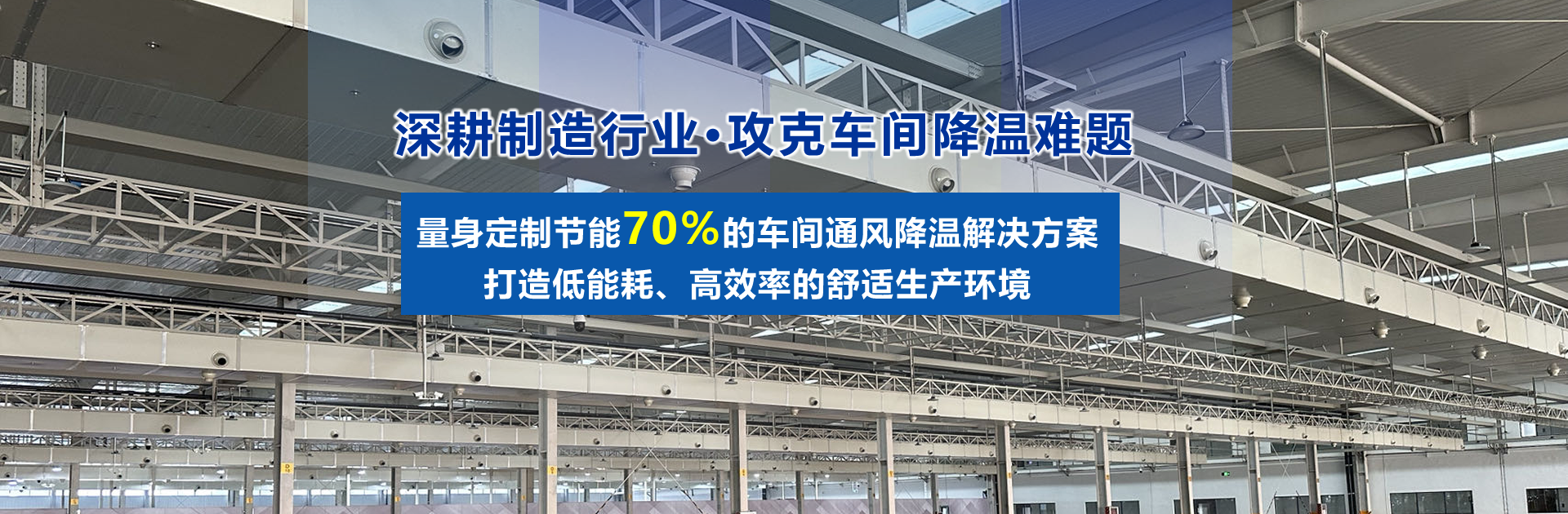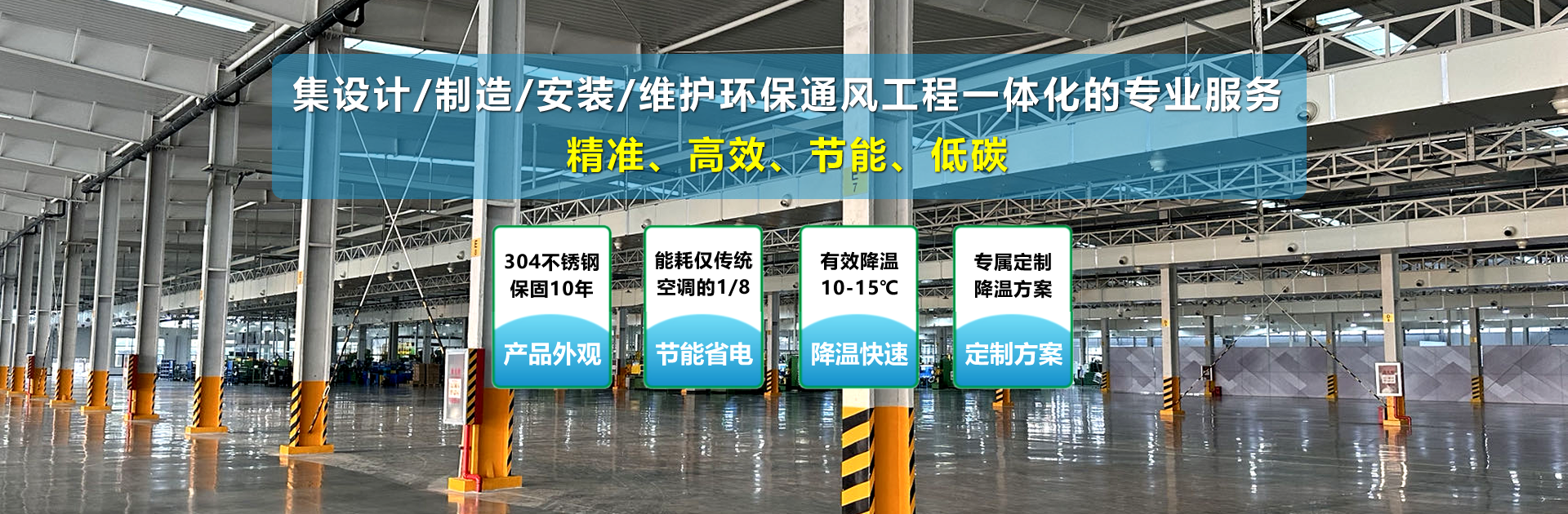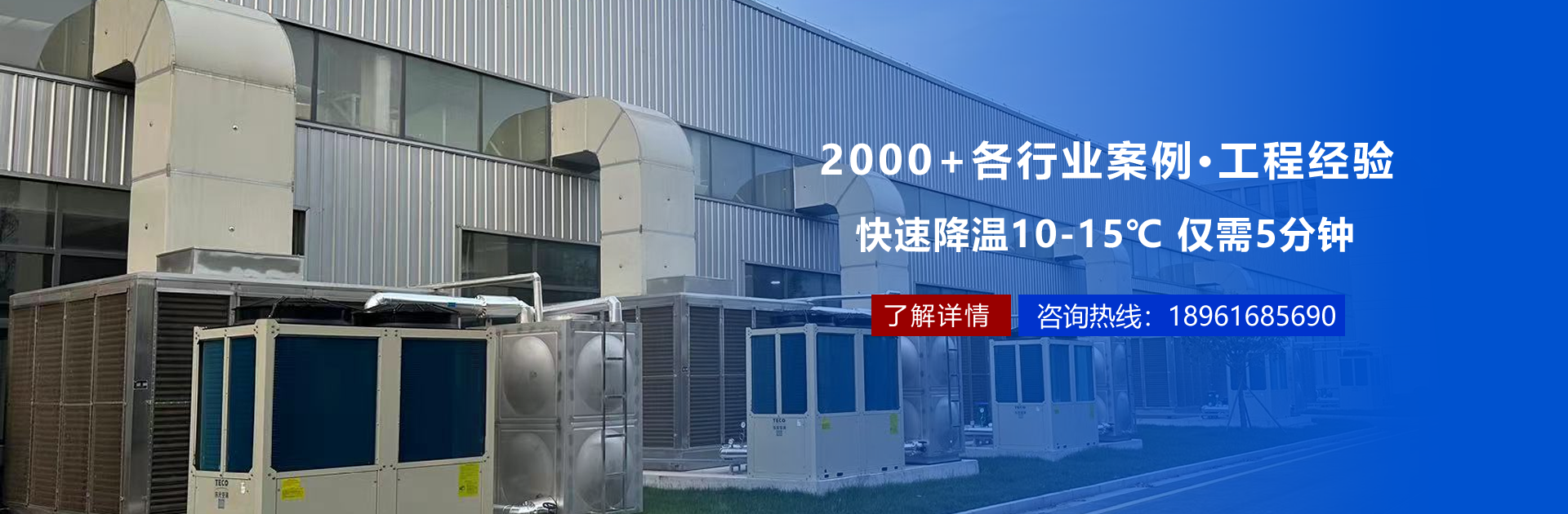
20 years of specialized provider for high-span factory ve...

Recent extreme heatwaves have swept across the nation, with temperatures in many areas exceeding historical records. The intense heat not only affects daily life but also poses severe challenges to industrial production. Particularly in poorly ventilated, crowded production workshops, the sweltering environment significantly hampers workers' efficiency and health, and may even trigger safety accidents. As a result, workshop cooling has become a crucial issue for companies to address.
To tackle the challenge of high temperatures, a variety of workshop cooling equipment has emerged on the market, primarily including the following types:
Traditional Air Conditioners: Offer significant cooling effects, but are energy-intensive, resulting in higher operation costs and a tendency to dry out indoor air.
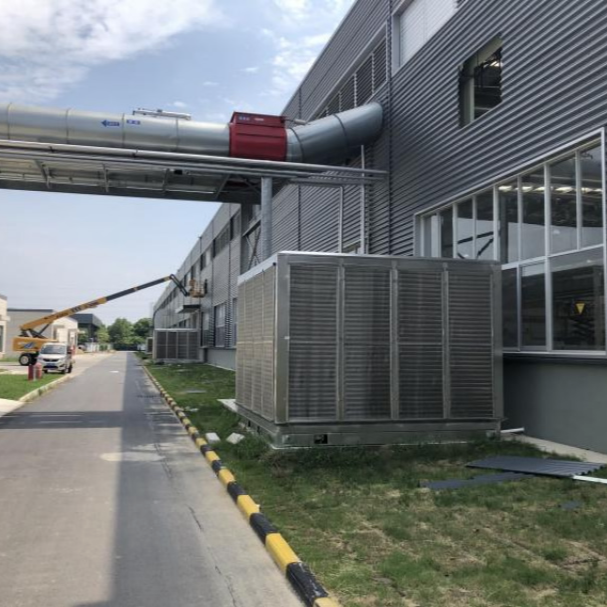
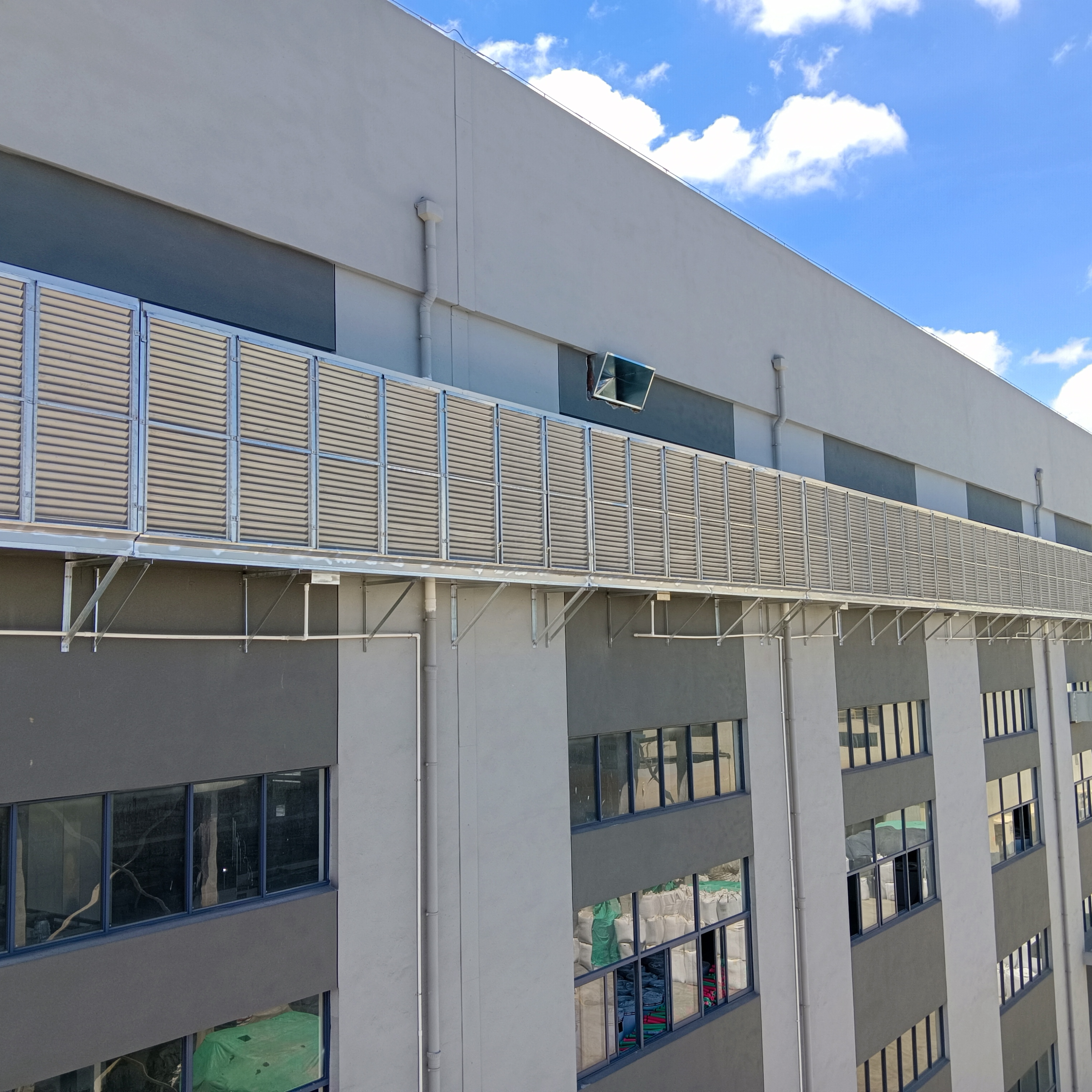
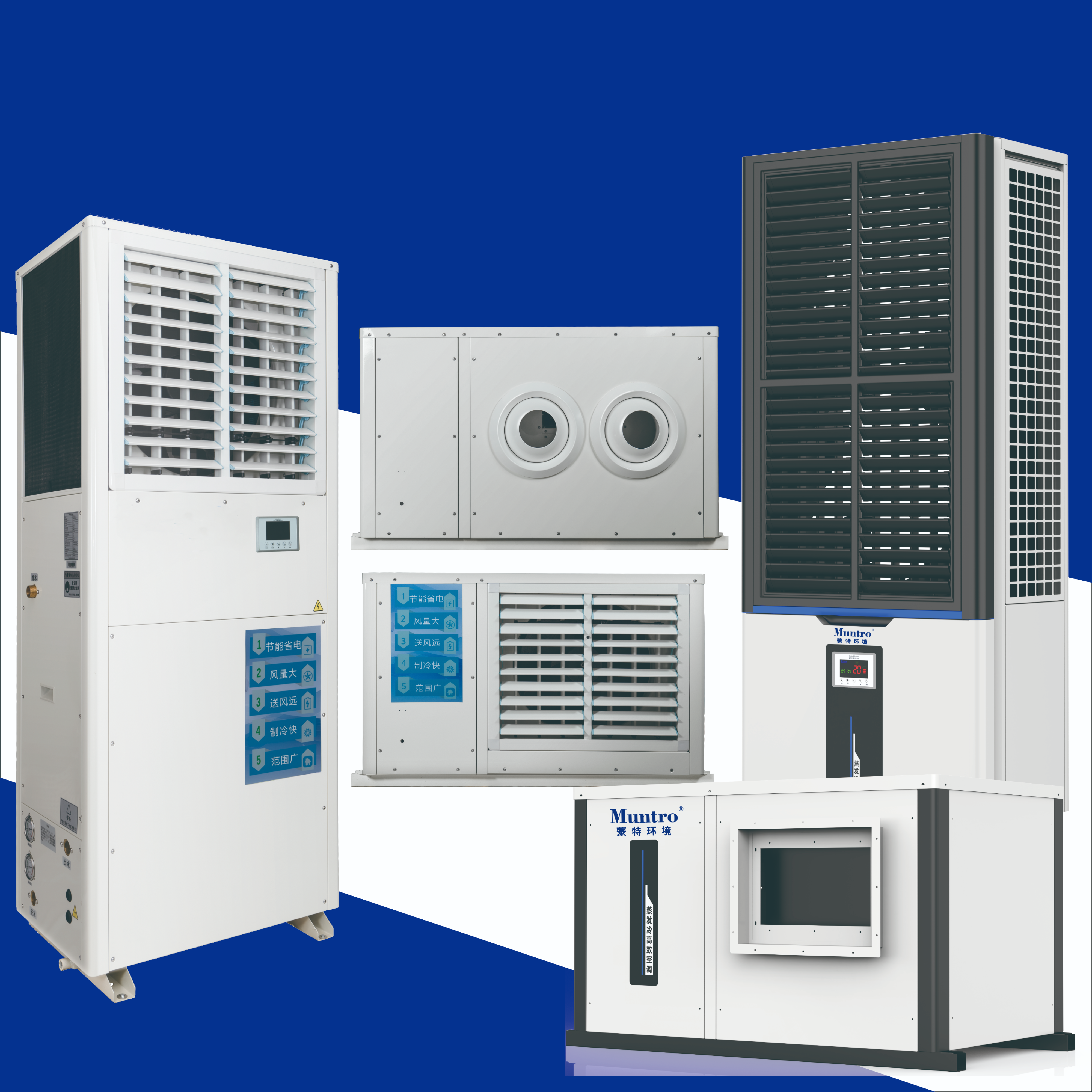
2. Industrial Evaporative Air Coolers: Absorb heat through water evaporation, providing moderate cooling with low energy consumption. Additionally, they increase air humidity and improve air quality. Suitable for workshops with specific humidity requirements.
3. Industrial Ceiling Fans: By promoting air circulation and accelerating the evaporation of sweat on the human body surface, they achieve a cooling effect. Suitable for areas that do not require a high degree of temperature reduction but necessitate extensive air flow.
4. Portable Air Conditioners: Highly flexible, allowing for easy relocation to designated areas for cooling. Ideal for localized cooling or temporary cooling needs.
5. Mist curtain cooling system: Utilizes evaporation to absorb heat, providing significant cooling effects, suitable for high-temperature and high-humidity environments.
Selecting the appropriate cooling solution is crucial.
When faced with an array of cooling equipment options on the market, how should businesses make a selection? Industry experts suggest that companies should consider the following factors, taking into account the actual conditions of their workshops:
1. Workshop Area and Height: Different types of cooling equipment are suitable for varying areas.
2. Workshop Interior Structure: Consideration must be given to factors such as partitions and equipment layout.
3. Workshop Ventilation: Workshops with good ventilation can opt for ventilation and cooling equipment, while those with poor ventilation require forced cooling systems.
4. Workshop Humidity Requirements: Some production processes demand strict humidity control, necessitating cooling equipment that does not excessively reduce air humidity.
5. Budget Costs: Prices for different types of cooling equipment vary significantly, and companies should choose based on their own budget.
"Reducing the temperature in the workshop is not just about solving the issue of high temperatures; it's a crucial measure for employee health and the sustainable development of the company," said an expert who has been involved in industrial environmental improvement for a long time. "Firms should fully recognize the importance of improving the work environment and actively adopt scientifically reasonable cooling solutions to create a comfortable and healthy workplace for their employees. This not only enhances employee efficiency and sense of belonging but ultimately boosts the company's overall competitiveness."
As summer temperatures persist, the demand for cooling equipment in workshops will continue to rise. Businesses should seize the opportunity to actively introduce advanced cooling technologies and equipment, creating a better working environment for employees and achieving joint development for both the company and its staff.


b2b.china9.net © Zhongshang 114 Hebei Network Technology Co., Ltd.Address: Room 6009, Oriental New World Center, No.118 East Zhongshan Road, Qiaoxi District, Shijiazhuang City, Hebei ProvincePlatform Service Hotline: 4006299930