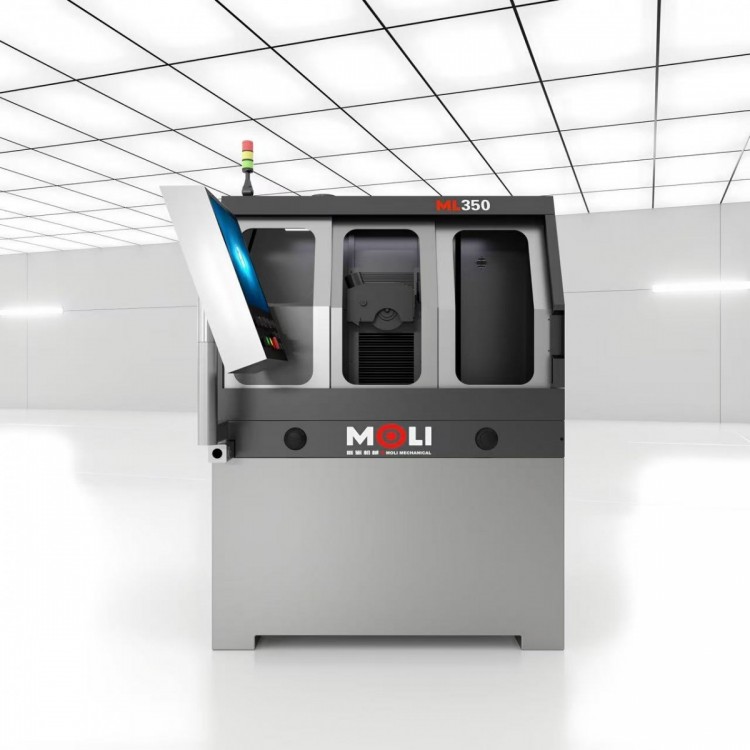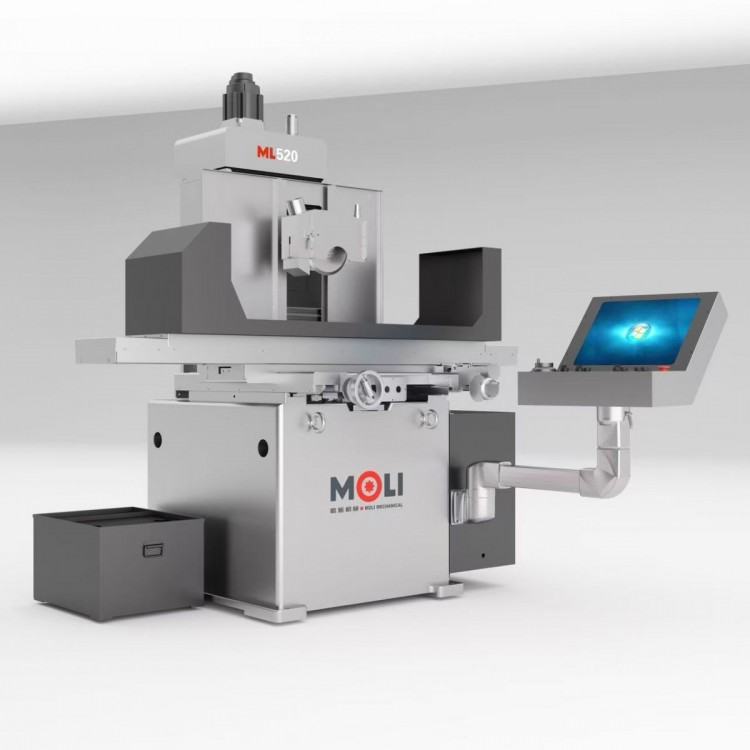
General Projects: Research and development of machinery a...

Different materials require different types of abrasive wheels.
Based on the five key elements of abrasive wheel material for flat precision grinding machines:
1. Grain: The coarseness of the abrasive wheel. Common grades include 46K, 60K, 80K, 100K, 120K, 220K, and 320K.
Above 120k, these are all used for sharpening and rounding, the higher the number, the finer the abrasive grain, the higher the particle size, and the smoother the surface finish of the grinding.
2. Compatibility: Sandpaper hardness, commonly "L" grade.
Ultra-Soft D, E, F; Soft G, H, J; Medium Soft K, L; Medium M, N; Medium Hard P, Q, R; Hard S, T; Ultra-Hard Y.
3. Abrasive: Brown fused alumina (A) is used for grinding metals with high tensile strength, such as carbon steel, alloy steel, malleable cast iron, hard bronze, etc.
White Aluminum Oxide (WA) is used for hardening steel, alloy steel, high-speed steel, high-carbon steel, and thin-walled parts.
Single crystal alumina (SA) is suitable for materials with high hardness and workpieces prone to deformation and burnishing.
Chromium steel corundum (PA) is used for finishing tools, gauges, and instruments with low surface roughness requirements.
Microcrystalline Alumina (MA) is used for molding dies, cutting dies, mirror molds, etc.
4. Organization: Refers to the size of the chip evacuation holes, usually "5" level.
5. Binder: Standard WA46L5V, use PA46L5V if it can't be ground.
Generally, for domestic tool steel, you can opt for corundum, and the grain size can be selected as 6. If the roughness requirement is not high, the abrasive grain size should be between 60-80.
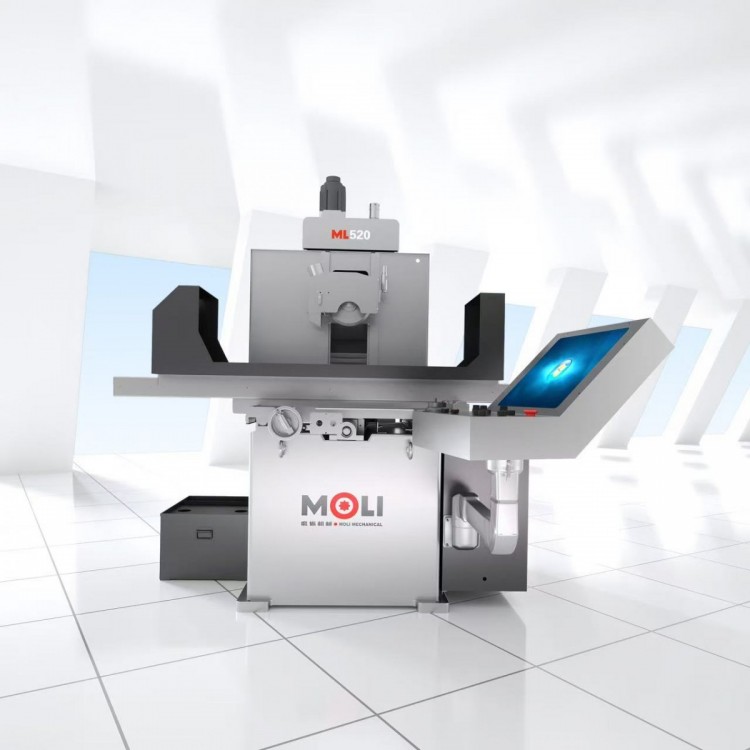
The specifications of the grinding wheel depend on the type of planer grinding machine used.


b2b.china9.net © Zhongshang 114 Hebei Network Technology Co., Ltd.Address: Room 6009, Oriental New World Center, No.118 East Zhongshan Road, Qiaoxi District, Shijiazhuang City, Hebei ProvincePlatform Service Hotline: 4006299930