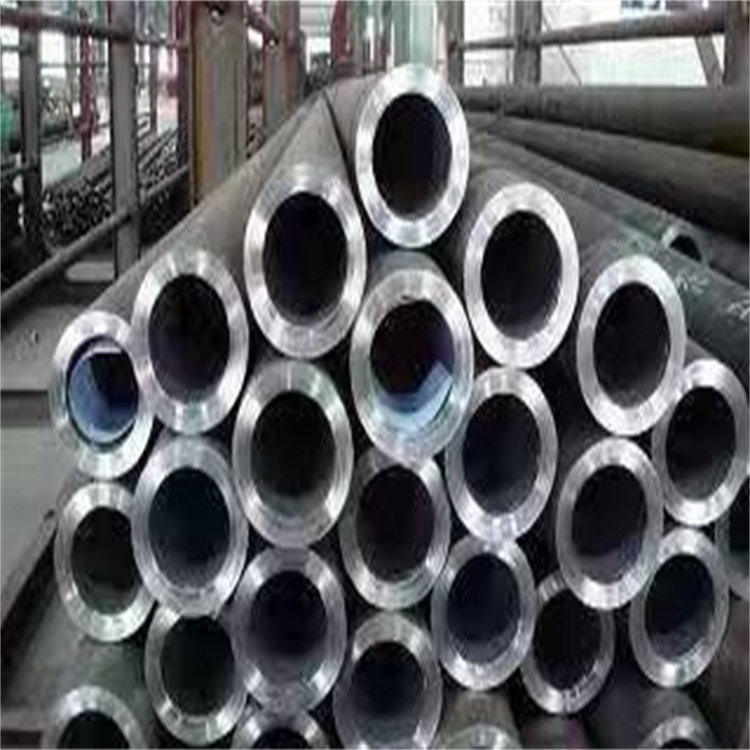
16Mn seamless steel tube
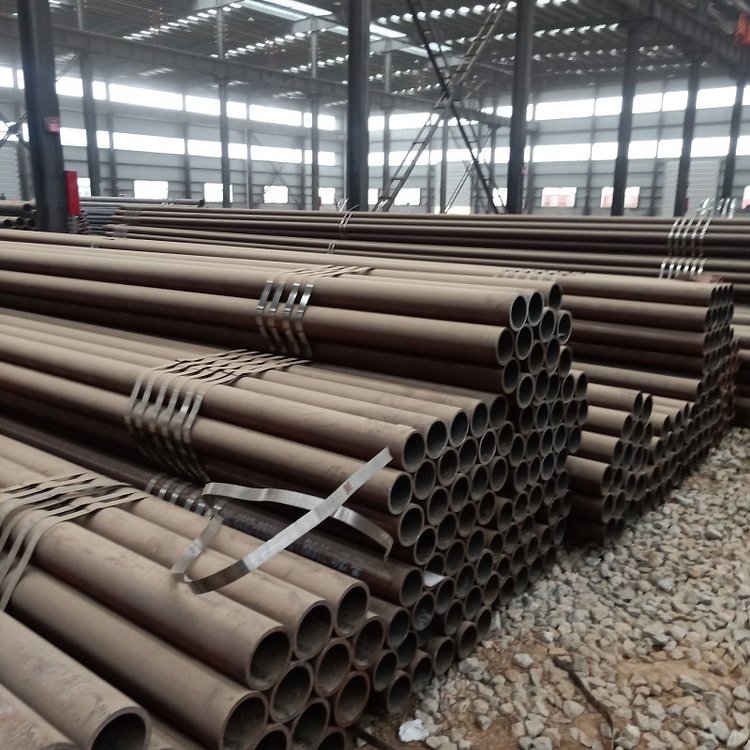 45 Seamless Steel Pipe
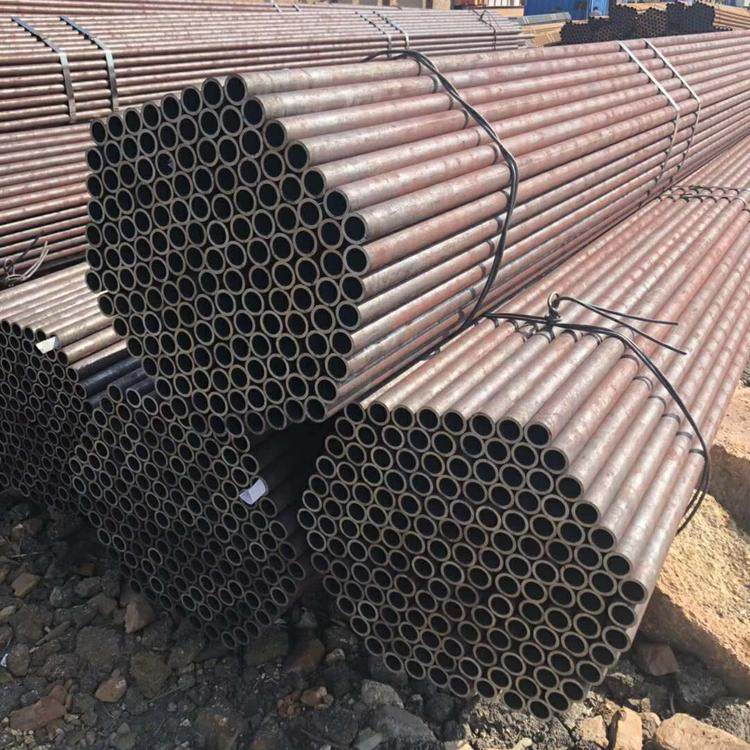 Precision Seamless Steel Tubes
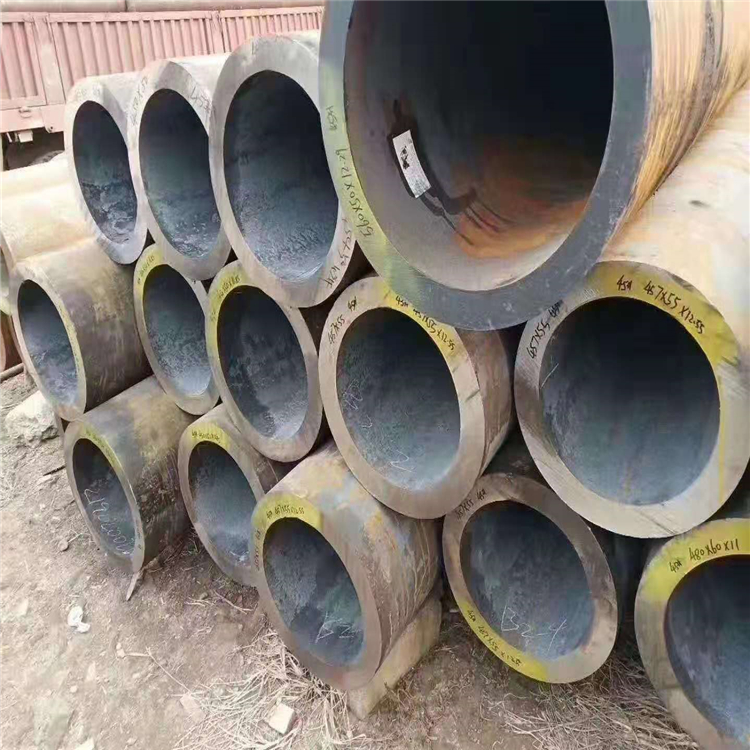 16Mn heavy-walled steel pipe
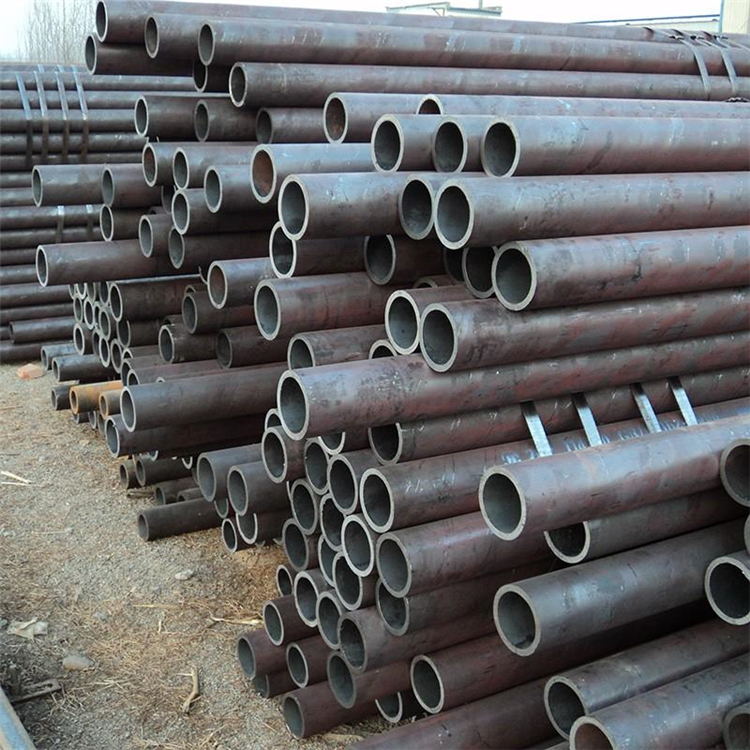 Thin-walled 20# Seamless Steel Pipe
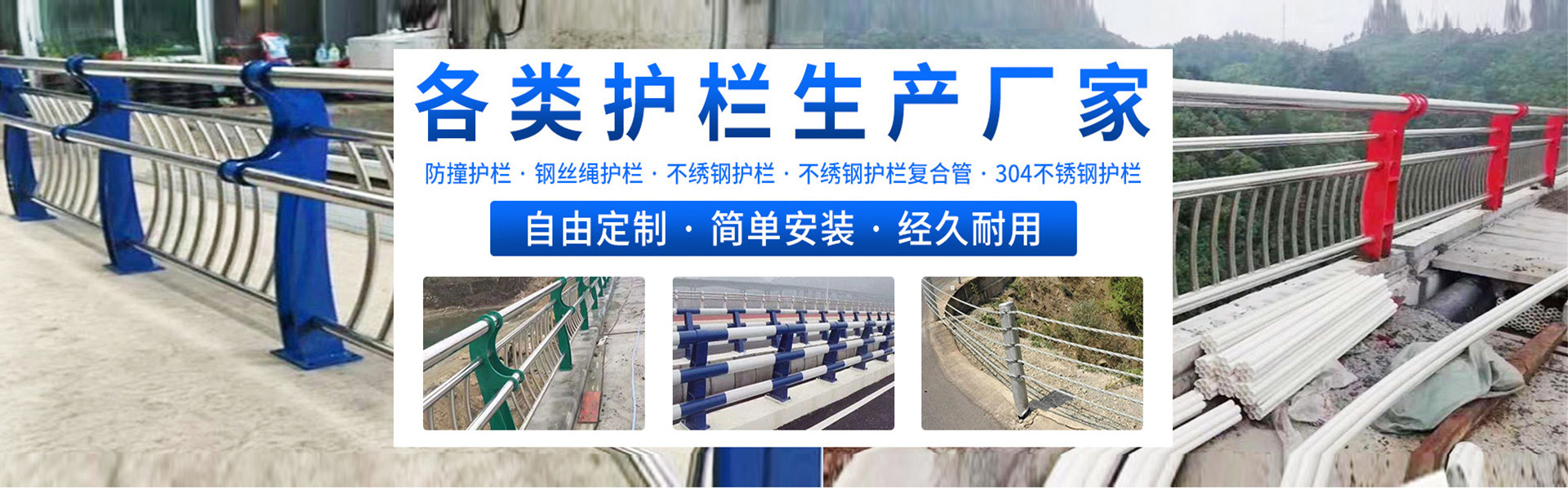
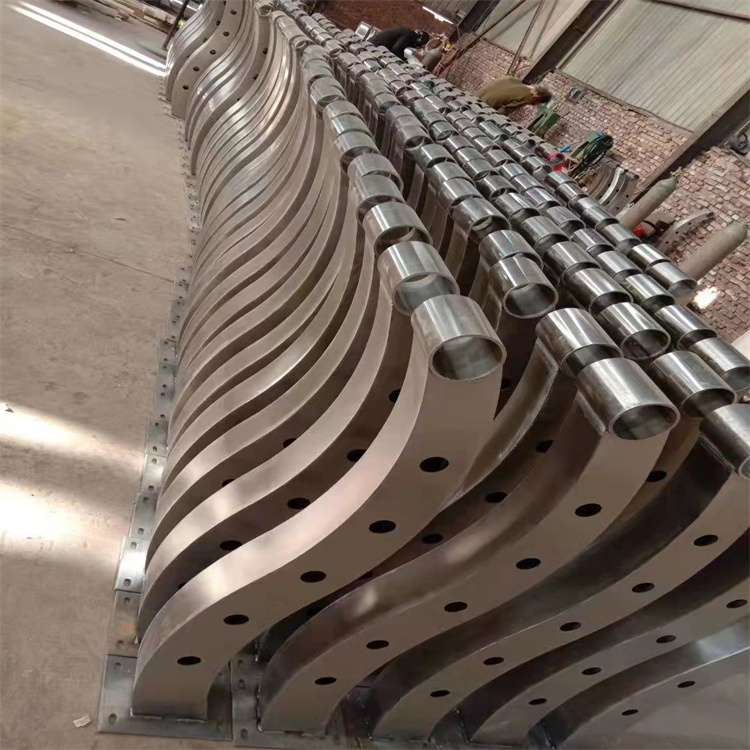 Stainless Steel Anti-Collision Guard Rails
 Stainless Steel Composite Pipe Fencing
Product Details

Specializing in the production of seamless steel pipes, precision steel pipes, bridge crash barriers, landscape crash barriers, and aluminum alloy railings. Welcome to inquire.


产品Price 4800.00/tons
最小起订Quantity:1 tons 供货总Quantity: 99999 tons
Key Quality Points of Thick-Walled Seamless Pipes Welding method for thick-walled seamless pipes Weld thick-walled seamless pipes first by cleaning the oil, paint, water, and rust from the weld joint. Then, according to the wall thickness, open a bevel, larger for thicker walls and smaller for thinner ones (using an angle grinder). Next, match the gaps, usually 1-1.5 times the diameter of the welding rod or wire. If the bevel is accidentally made too large, leave it slightly smaller. At least three spot welds are required, with four being preferable for ease of work. Weld in half sections, starting more than one centimeter beyond the center point for a better joint from the opposite side. If the pipe wall is thick, it should be layered, at least in two layers, with the entire circumference welded before the second layer. The process flow is: round billet → heating → piercing → three-roller oblique rolling, continuous rolling, or extrusion → de-coiling → sizing (or reducing) → cooling → straightening → hydrostatic test (or flaw detection) → marking weld bead height. When the pipe wall thickness is not greater than 12.5mm, the weld bead height should not exceed 3.0mm; when the wall thickness is greater than 12.5mm, the weld bead height should not exceed 3.5mm. For pipes with nominal outside diameter not exceeding 168.3mm, the pipes should be straight or meet the bending degree specified by the agreement between both parties. For pipes with a nominal outside diameter greater than 168.3mm, the bending degree should not exceed 0.2% of the full length of the pipe. For pipes with an end wall thickness greater than 4mm, the end can be beveled at 30°+5°0°, leaving a root of 1.6mm±0.8mm, and the end slope should be less than or equal to 5mm. When selecting or using thick-walled pipe fittings, it is imperative to first comply with all regulations within the relevant laws and standards, especially in cases involving pipelines that transport extremely or highly hazardous fluids, flammable media, and high-pressure gases. On this basis, the type of fitting is primarily determined based on the application and usage conditions (pressure, temperature, fluid medium). Key to the quality of thick-walled seamless pipes is the uniformity of the wall thickness. If the wall thickness of thick-walled steel pipes cannot be controlled, it will directly affect the quality and application of the pipes. Thick-walled steel pipes, particularly large-diameter thick-walled pipes, are generally used in various machine processing and thick-walled component manufacturing. The uniformity of the wall thickness of thick-walled steel pipes directly impacts the quality of the components processed later. Lack of control over the wall thickness of thick-walled steel pipes means the overall quality of the pipes cannot be strictly guaranteed. When selecting a site or warehouse for storing thick-walled steel pipes, opt for a clean, well-drained location, far from factories or mines that emit harmful gases or dust. Clear away weeds and all debris on the site to keep the thick-walled steel pipes clean. In warehouses, do not store corrosive materials such as acids, alkalis, salts, and cement near thick-walled steel pipes. Different types of thick-walled steel pipes should be stored separately to prevent confusion and contact corrosion. Large-section steel, rails, steel plates, large-diameter thick-walled steel pipes, forgings, and similar items can be stored outdoors. Small and medium-sized steel sections, wire rods, rebars, medium-diameter thick-walled steel pipes, wires, and wire ropes can be stored in well-ventilated sheds, but must be covered with tarpaulins and placed on supports. Some small thick-walled steel pipes, thin steel plates, steel strips, silicon steel sheets, small-diameter or thin-walled thick-walled steel pipes, various cold-rolled, cold-drawn thick-walled steel pipes, and high-priced, easily corroded metal products can be stored indoors. The warehouse should be selected based on geographical conditions, generally using a standard enclosed type, which has a roof, walls, and tight doors and windows with ventilation systems. The warehouse should be ventilated on sunny days and sealed to prevent moisture during rainy weather, maintaining an appropriate storage environment. Reasonable stacking and the "first in, first out" principle require that materials be stacked by type and specification under stable conditions and with safety ensured. Different types of materials must be stacked separately to prevent confusion and cross-corrosion. Prohibit storing items that corrode thick-walled steel pipes near the stacks. For outdoor stacking of steel sections, place wooden blocks or slabs beneath to facilitate drainage. Ensure materials are placed flat to prevent bending and deformation. The height of the stack should not exceed 1.2 meters for manual handling and 1.5 meters for mechanical handling, with a stack width not exceeding 2.5 meters. Leave sufficient space between stacks for access, typically 0.5 meters for inspection and 1.5 to 2.0 meters for entry and exit, depending on the size of the materials and the transport equipment. For warehouses with sunny cement floors, a 0.1-meter pad is sufficient. For muddy ground, a pad of 0.2 to 0.5 meters is required. For outdoor areas, cement floors should be raised 0.3 to 0.5 meters, while sandy or muddy surfaces should be raised 0.5 to 0.7 meters. Angle iron and channel steel should be placed flat, with the opening facing down, while I-beams should be upright. The I-groove of thick-walled steel pipes should not face up to prevent water accumulation and rust.