
 16Mn seamless steel tube
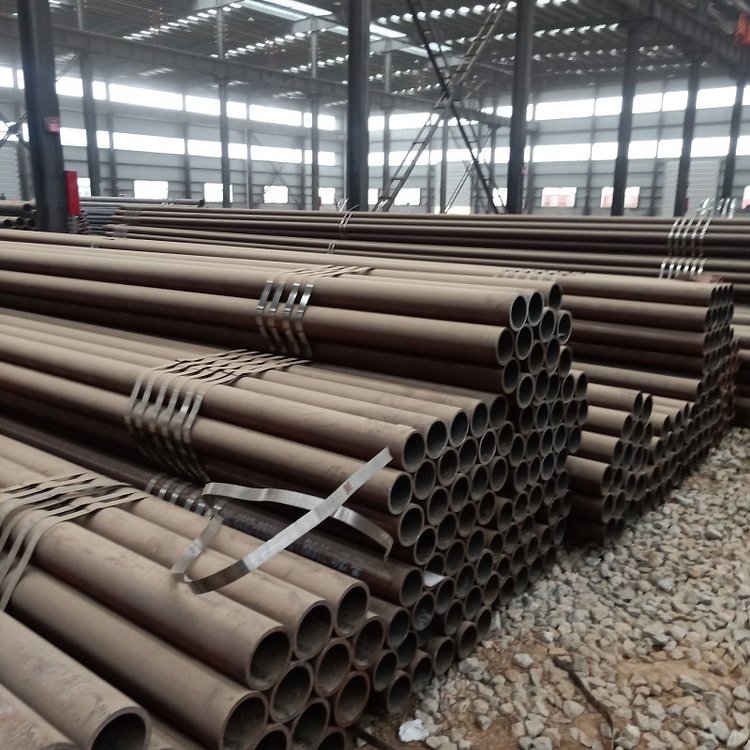 45 Seamless Steel Pipe
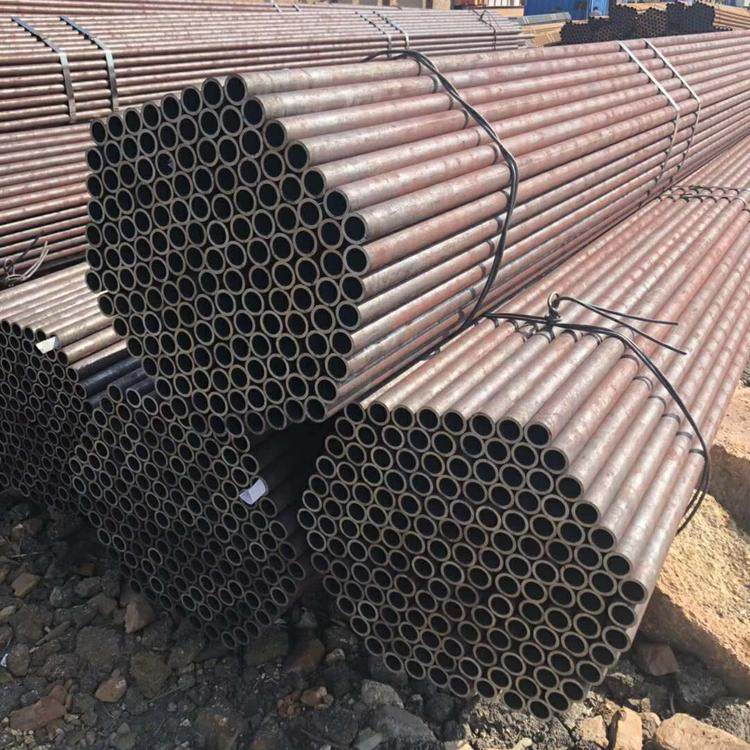 Precision Seamless Steel Tubes
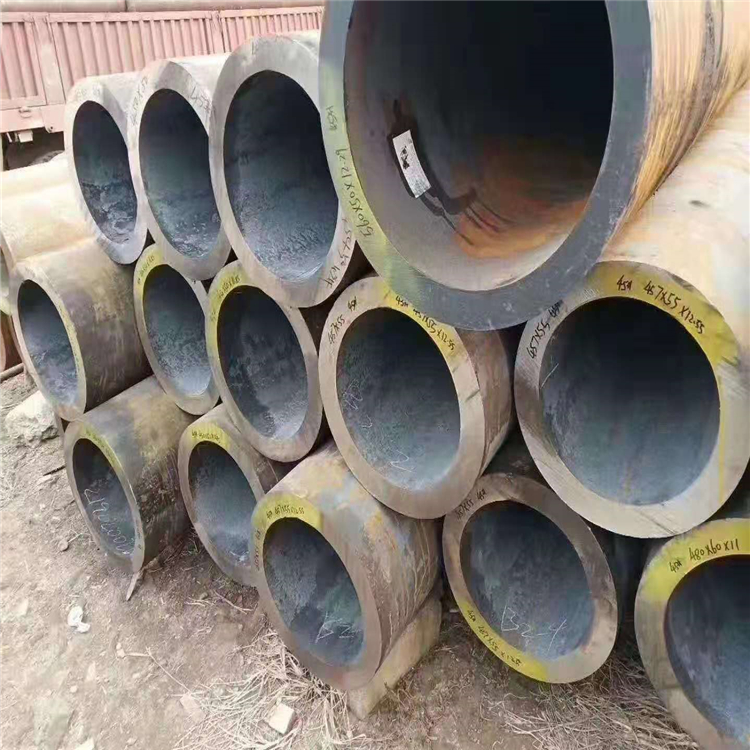 16Mn heavy-walled steel pipe
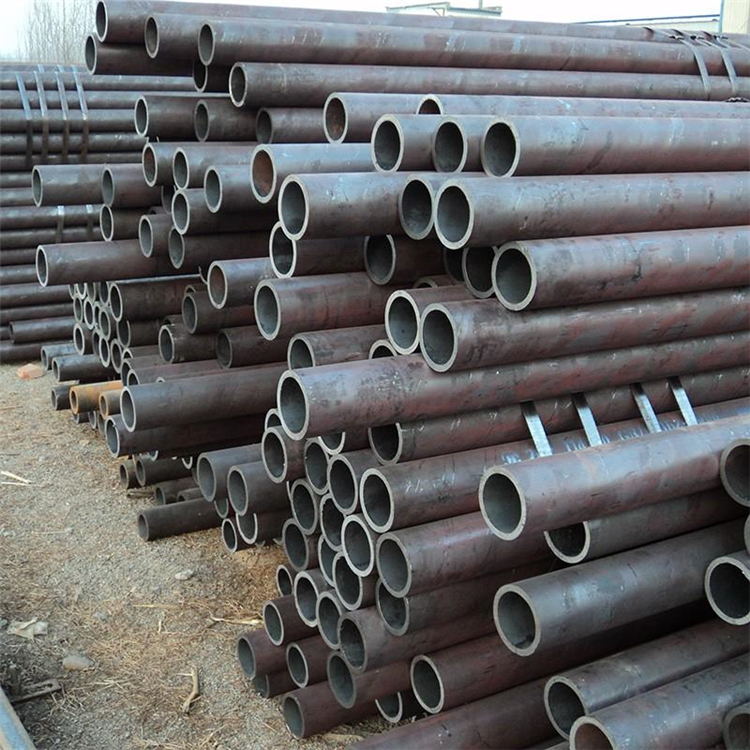 Thin-walled 20# Seamless Steel Pipe
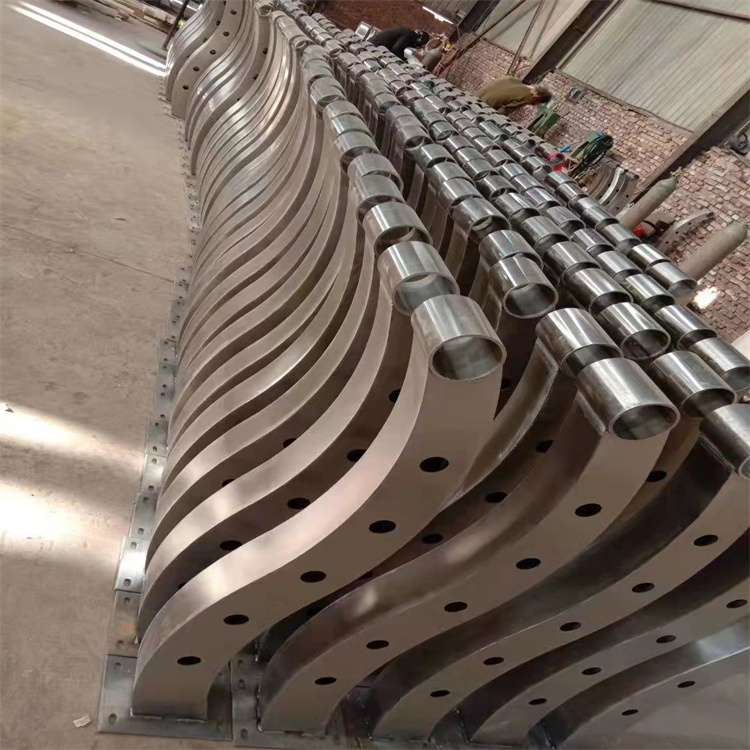 Stainless Steel Anti-Collision Guard Rails
 Stainless Steel Composite Pipe Fencing
Product Details

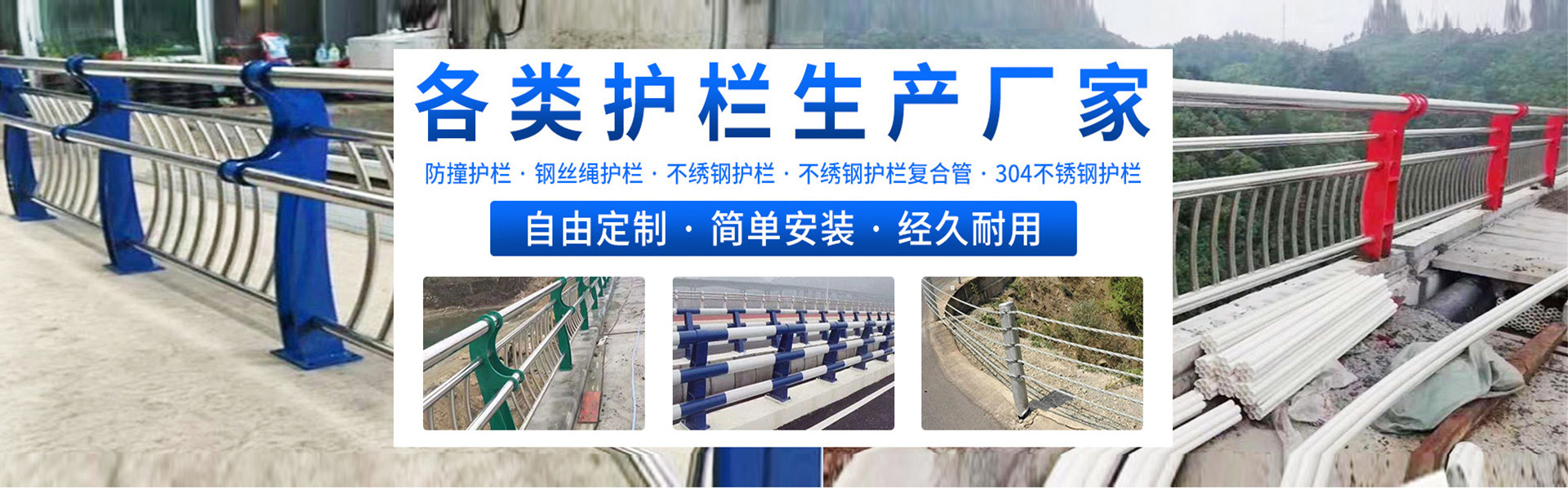
Specializing in the production of seamless steel pipes, precision steel pipes, bridge crash barriers, landscape crash barriers, and aluminum alloy railings. Welcome to inquire.



产品Price 115.00/Rice
最小起订Quantity:1 Rice 供货总Quantity: 99999 Rice
Bridge guardrails refer to the barriers installed on bridges. Their purpose is to prevent out-of-control vehicles from crossing over the bridge, and they serve to prevent vehicles from breaking through, driving under, or climbing over the bridge, as well as to beautify the bridge architecture. What are the manufacturing considerations for bridge guardrail production? Changzhou Lige Guardrail Co., Ltd. will introduce them to you: 1. Base Material Casting: Casting molding of columns, beams, panels, and column caps. The base material ratio is determined by laboratory testing. The preparation of columns, beams, panels, and column caps uses both coarse and fine aggregates. The base material should be mixed with a forced-action mixer, and material measurement errors should be executed according to the provisions of TB10210. The mixing time should comply with the specifications of the mixer used to ensure thorough mixing. 2. Columns, top and bottom beams, panel sections, and column caps molds should possess adequate strength, rigidity, and stability. The molds should have dimensional tolerances of ±2mm in length, width, and height. Before casting, the molds should be cleaned and wiped, and a release agent should be applied to the inner walls. 3. Reinforcement Welding & Coating: The shape and size of the reinforcement processing should comply with the design specifications. The surface of the reinforcement should be clean and undamaged, with all oil stains, paint, and rust cleaned thoroughly before use. Reinforcement with granular and flaky old rust should not be used. The reinforcement should be straight with no local bends. All intersection points of the reinforcement in the welded skeleton must be welded. The length and spacing deviation of the reinforcement cutting should not exceed ±5mm. Be aware that the columns and column caps are prepared using the "casting-vibration" molding process, while the beams and railing sections are made using the "casting-vibration-laminated" process. That is, casting the base material (surface layer).
