



- AllProduct Category
-
Reactor Series
Heat Exchangers & Condensers Line
News & Information
Chemical Storage Tanks
Tower Equipment
Fermentation, Extraction, Filtration Equipment
Centrifugal Scraped Film Evaporator, Plate Evaporator, Multi-effect Evaporator
Short-Range Distillation
Scraping Machine Series
Fermentation Vessels, Extraction Vessels, Concentration Vessels Series
Chemical Storage Tanks & Filler Tower Series
Biodiesel Equipment





详情描述
Tube-in-tube heat exchanger

Plate or corrugated tube-type heat exchangers should be determined based on the actual heat exchange needs of the heat exchanger. For situations with high flow rates and low pressure drop, opt for a type with high resistance. Depending on fluid pressure and temperature, a detachable type that remains brazed should be chosen.
When determining the type of heat exchanger plates, it's not suitable to choose plates with too small a single plate area to avoid having too many plates, resulting in too low a flow rate between the plates and a low heat transfer coefficient. Therefore, the equipment should be inspected regularly. If the pressure drop of the heat exchanger exceeds the allowable pressure drop, the design and selection calculations should be repeated until they meet the process requirements.
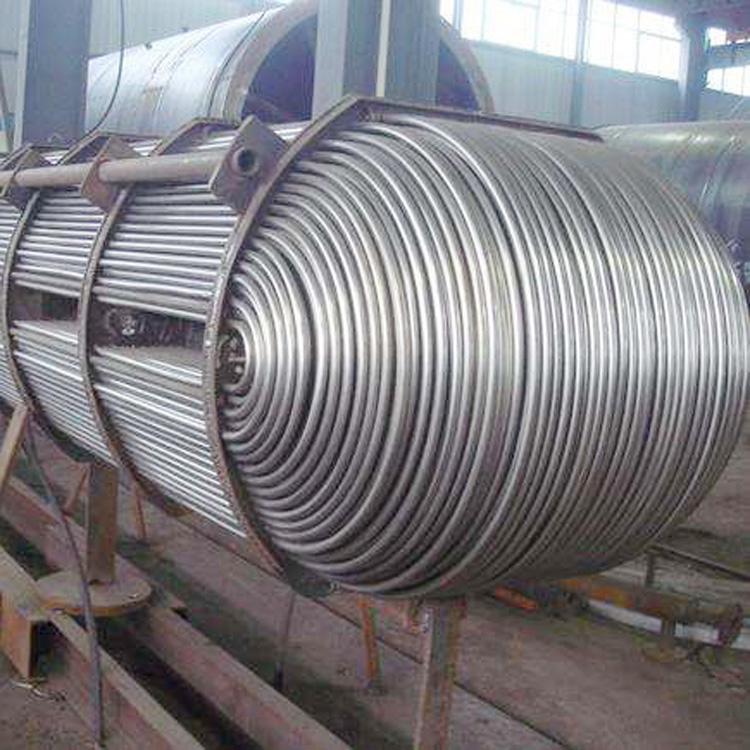
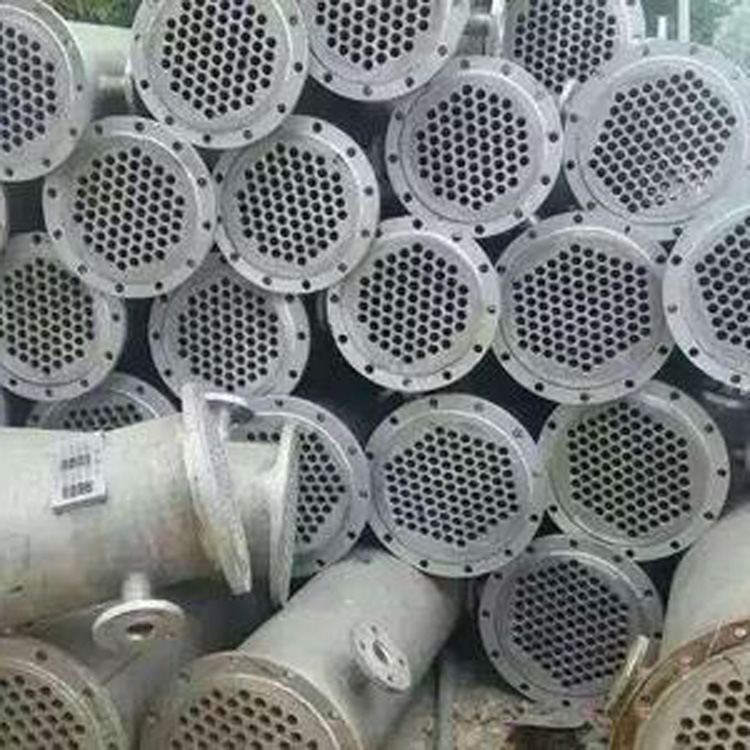
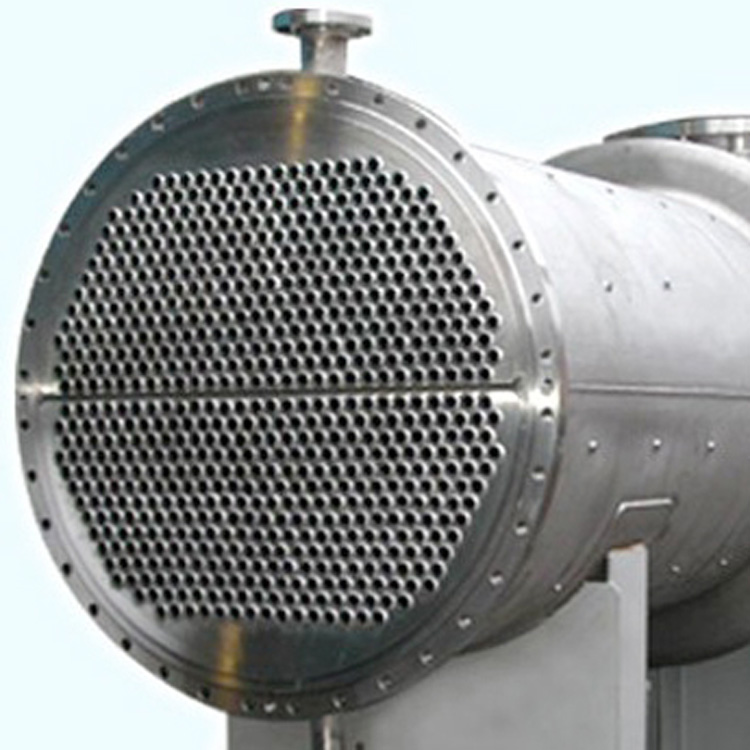
Shell-and-tube heat exchangers are categorized into two main types based on material: metallic and ceramic. Metallic heat exchangers have a high thermal conductivity, allowing them to occupy a smaller volume under the same heat exchange capacity—only one-tenth or less than clay heat exchangers. They are typically welded, ensuring good airtightness.
Usage
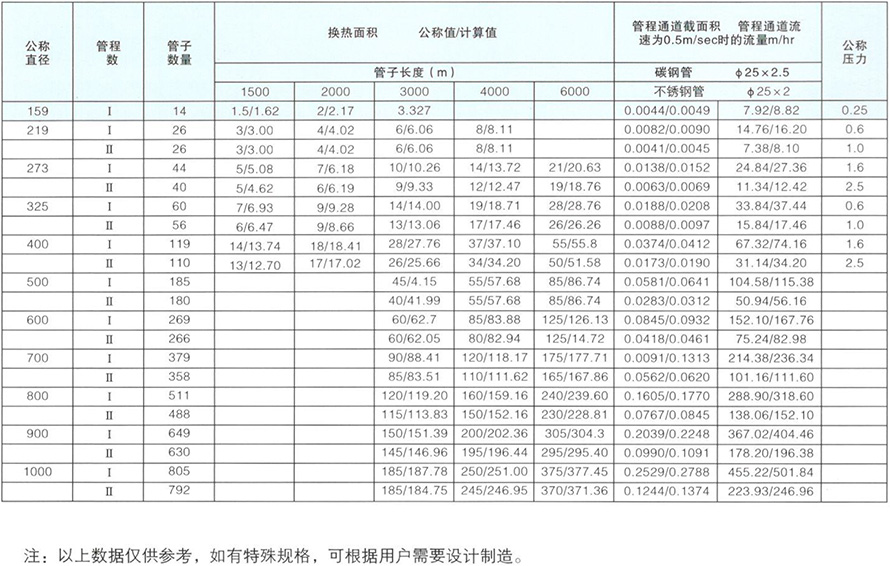
Shell-and-tube heat exchangers are a commonly used heat exchange equipment suitable for industries such as chemical, metallurgy, petrochemical, food, and light industry. They are categorized by form as fixed plate, floating head, and U-tube heat exchangers. Structurally, they are classified into single-pass, double-pass, and multi-pass types. Material options include titanium, duplex steel, stainless steel, and carbon steel, with customization available according to customer requirements.
Technical Specifications
询价单


