
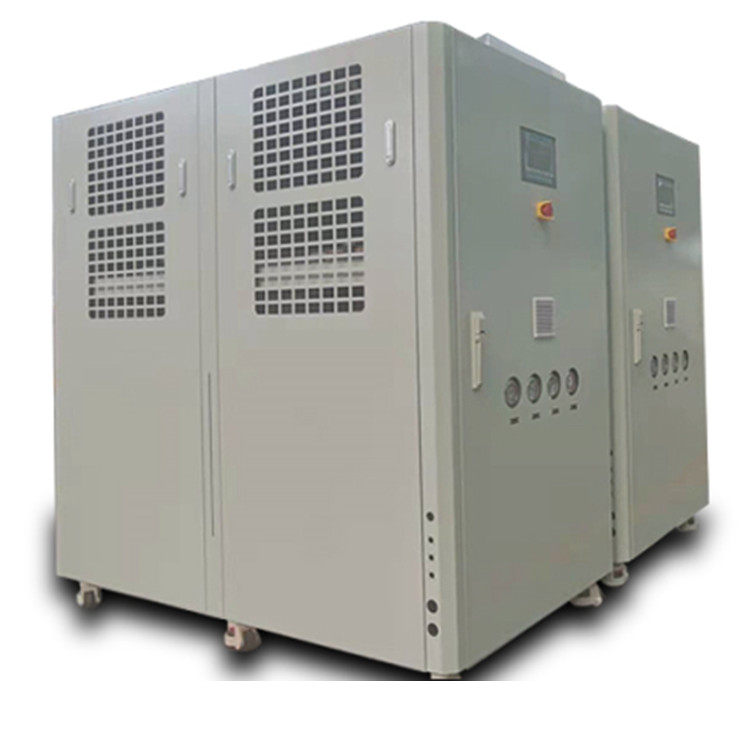
 Air-cooled all-in-one chiller-heater, factory direct sales of all-in-one chiller-heater
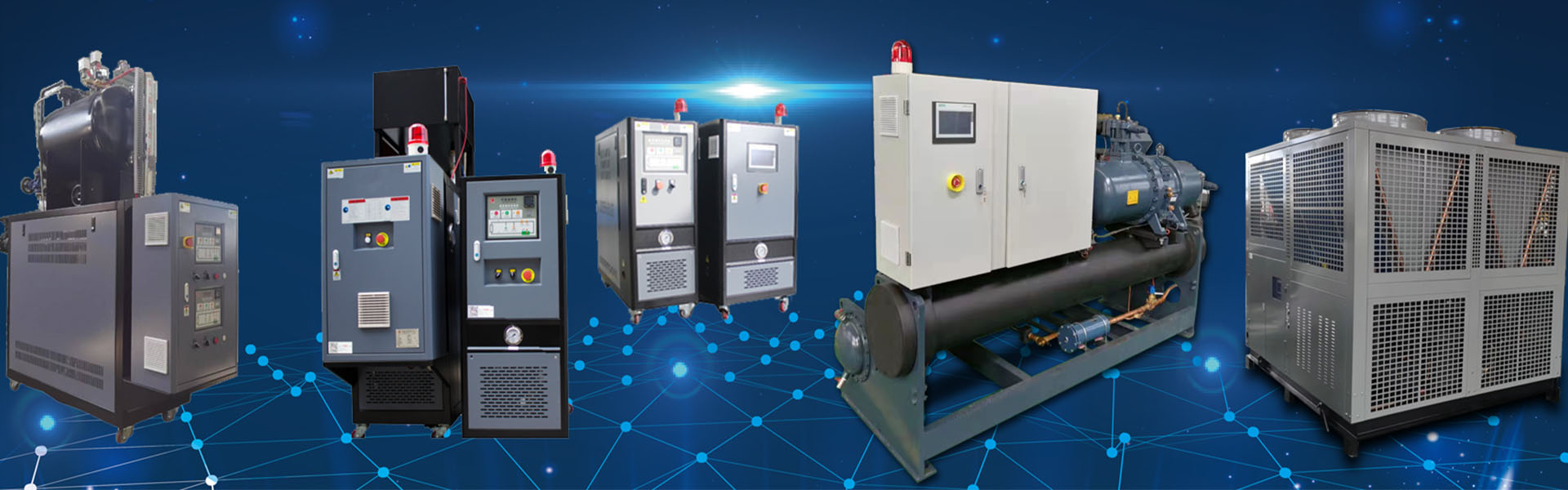
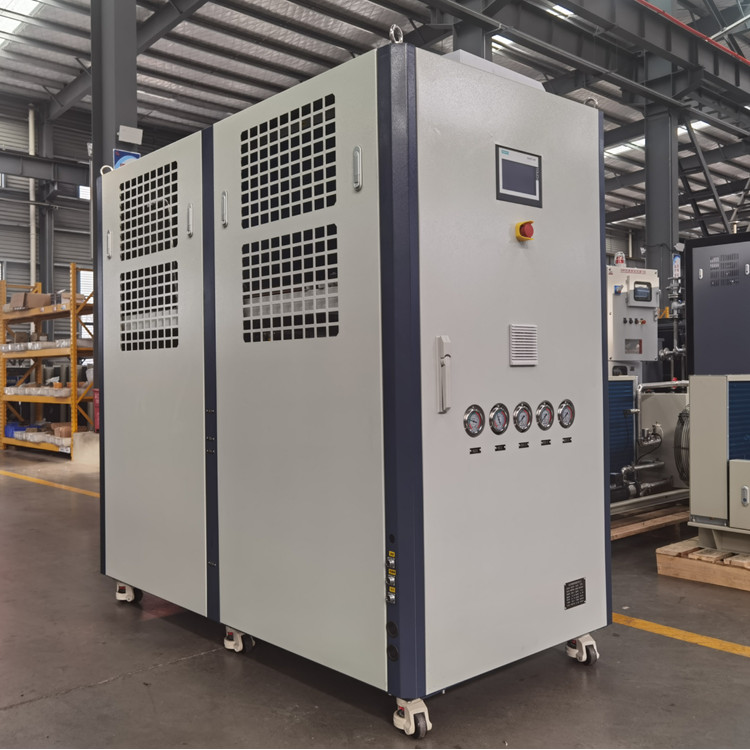 Cooling and Heating Temperature Control Unit
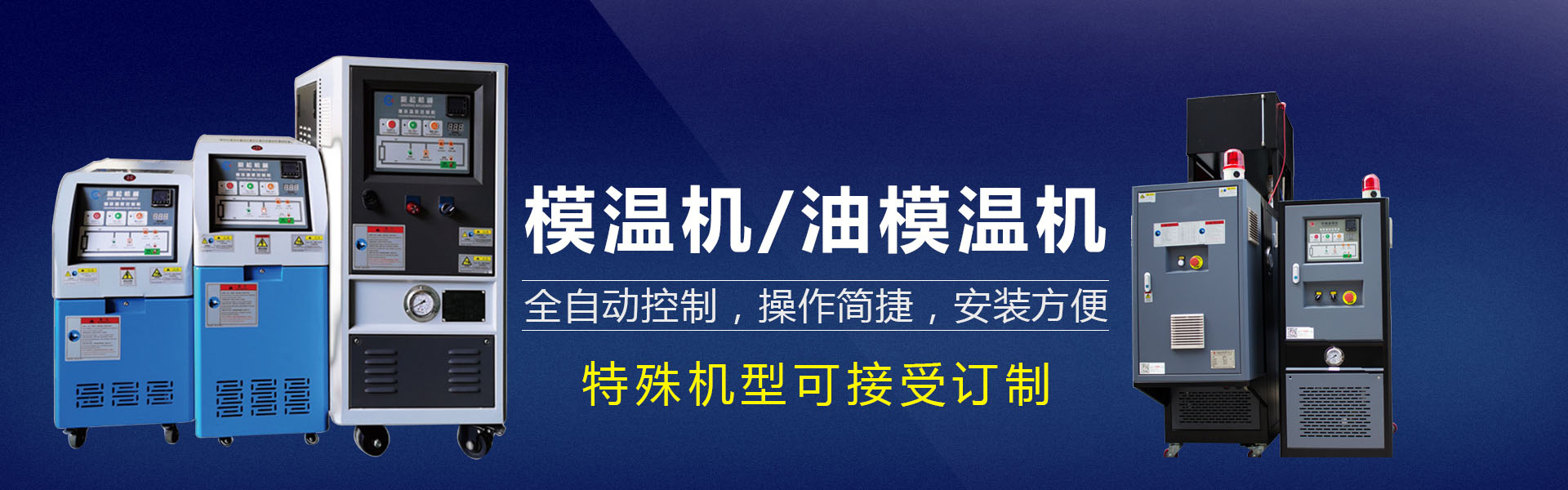
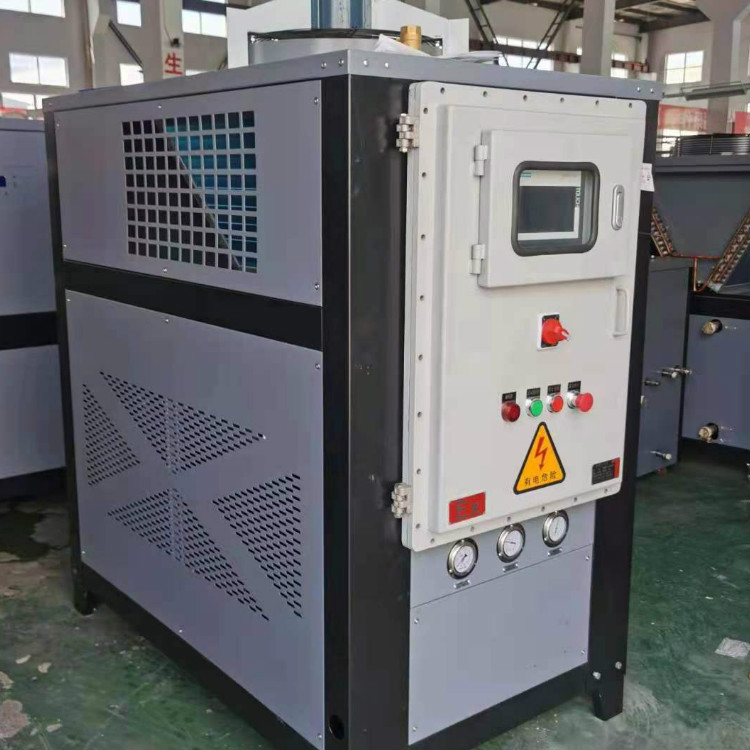 All-in-one chill and heat mold temperature controller
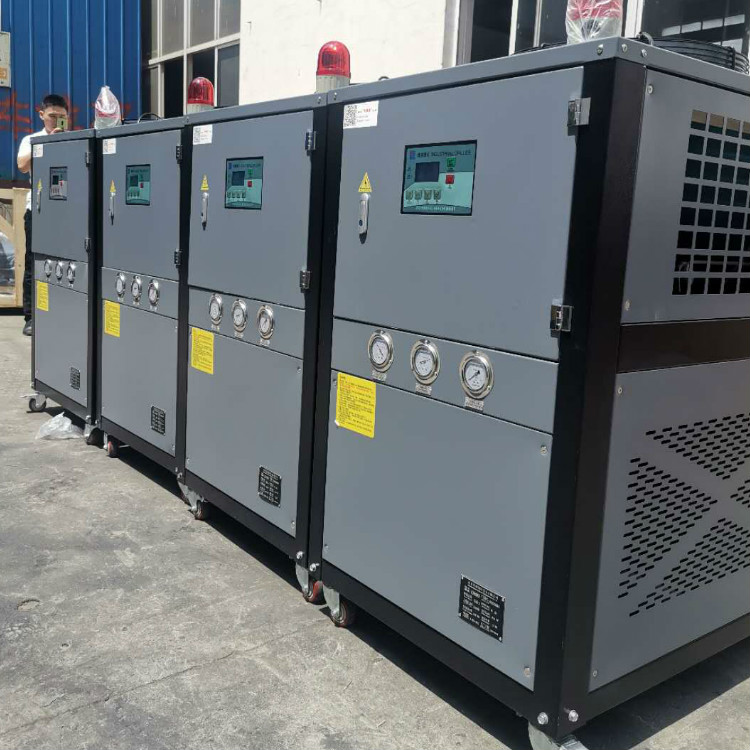 Extruder Cold Water Machine
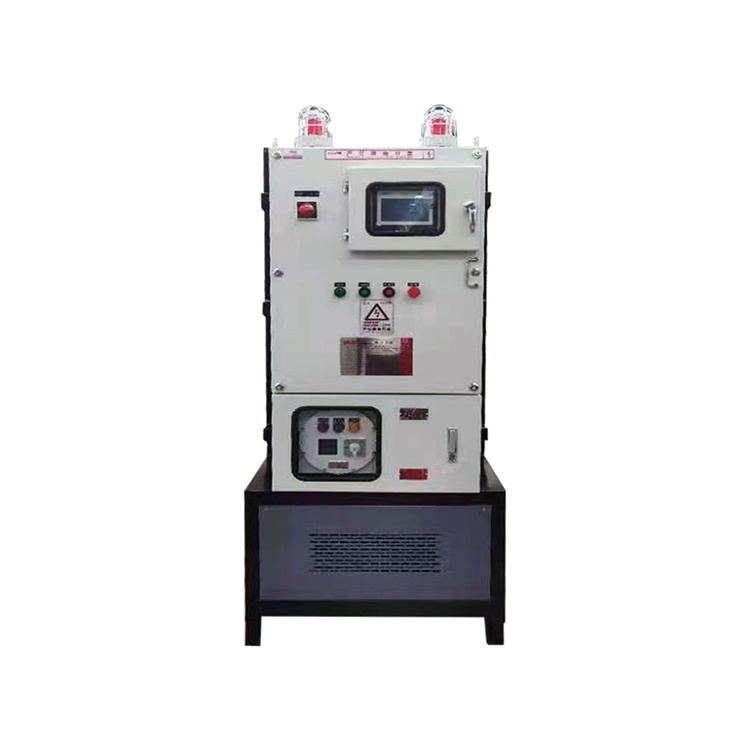 Explosion-proof mold temperature control machine
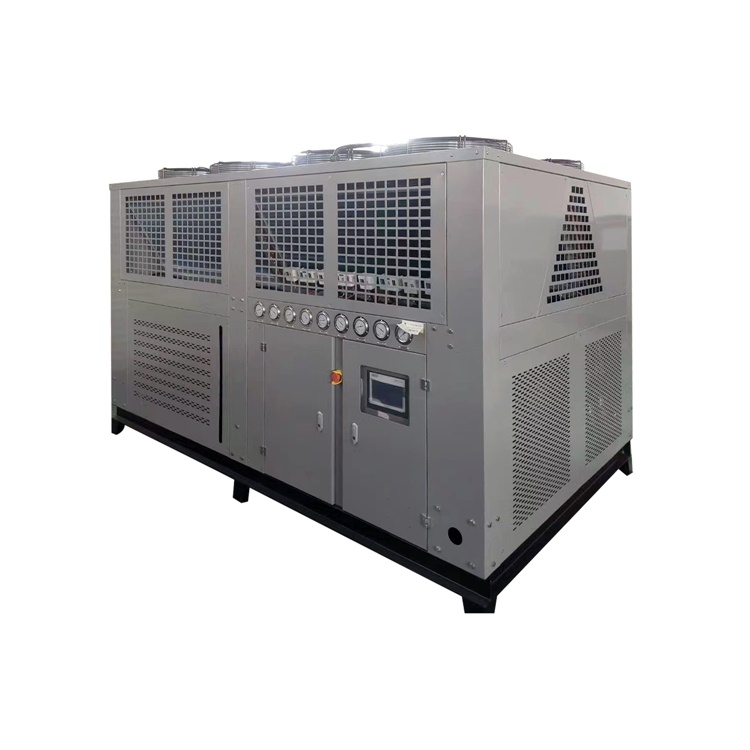 Air-cooled screw chiller, chiller manufacturer
Product Details

Temperature Control Machines, Oil Temperature Machines, Water Chiller, Indust...
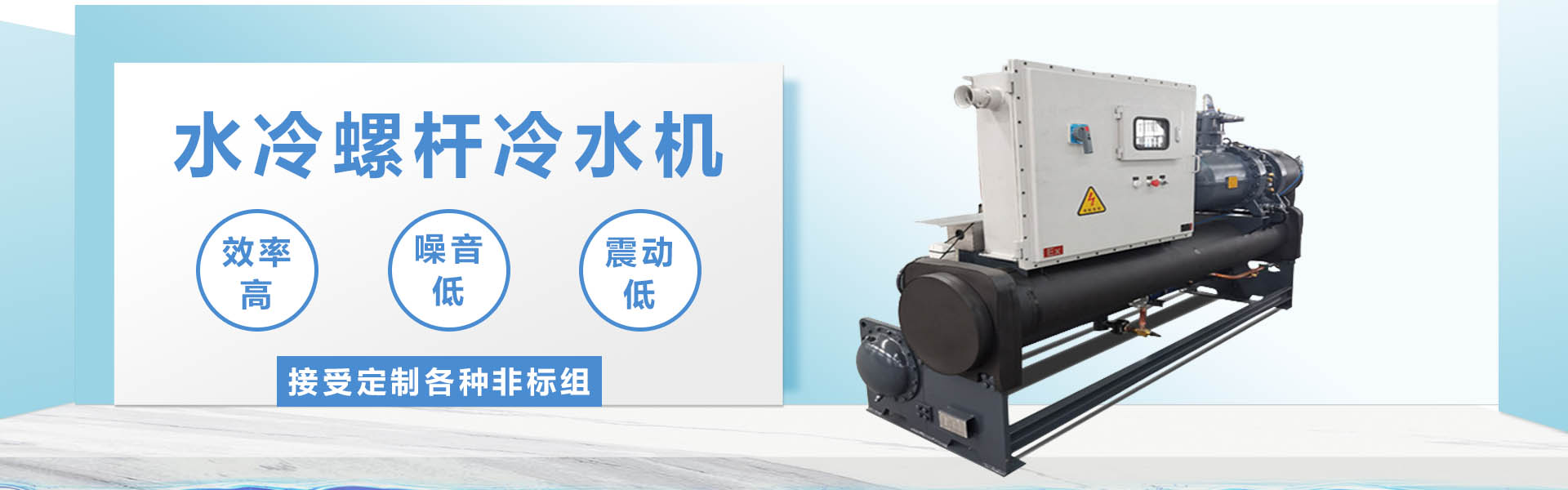

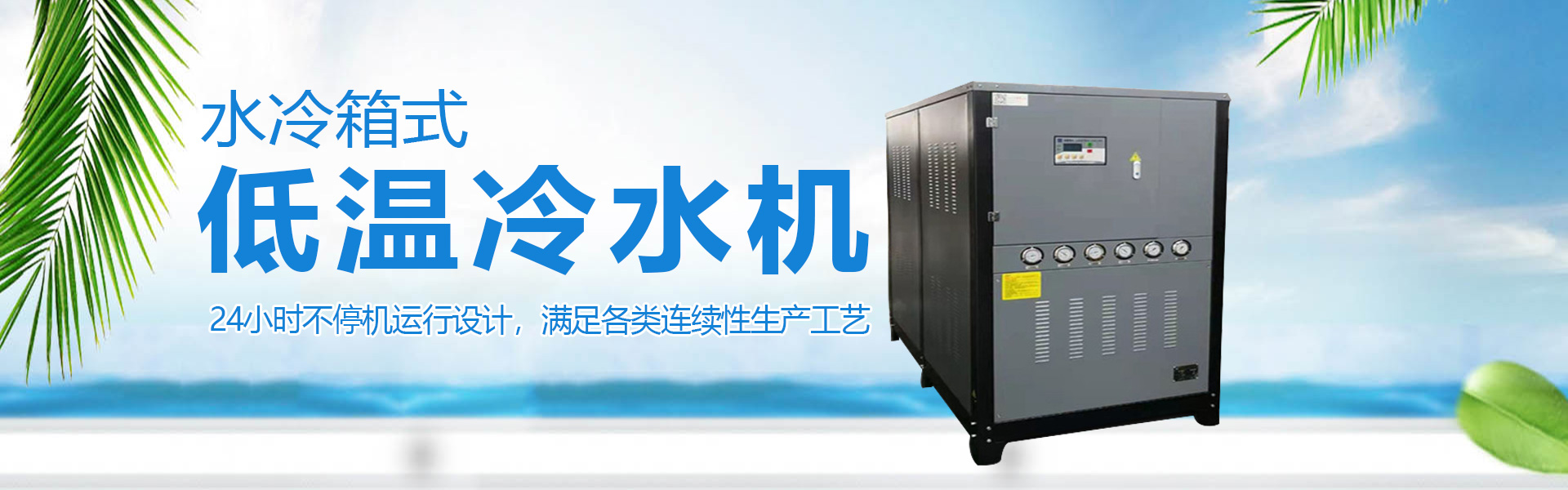

产品Price 18000.00/Tai
最小起订Quantity:1 Tai 供货总Quantity: 888 Tai


Type |
|
Model |
MT-150T |
Traffic |
150T |
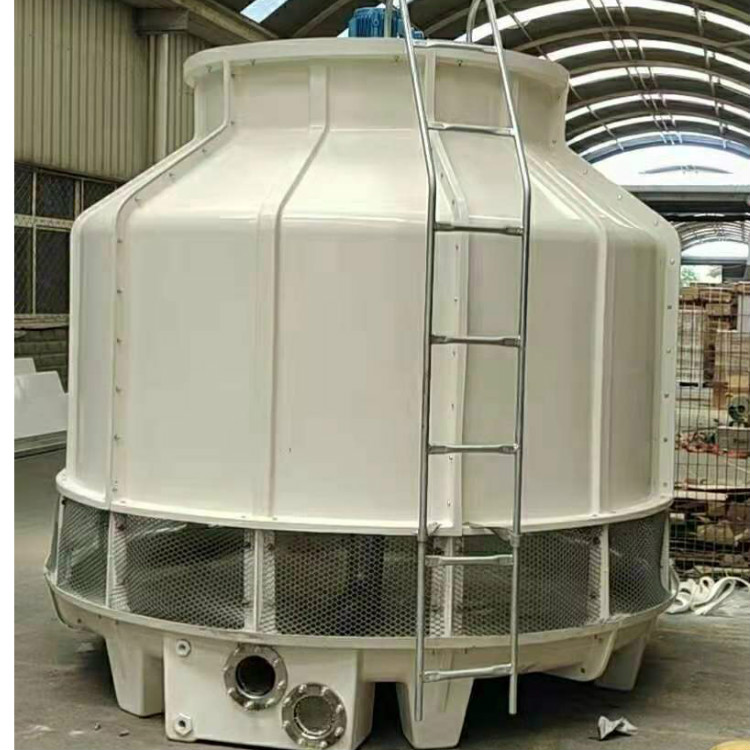
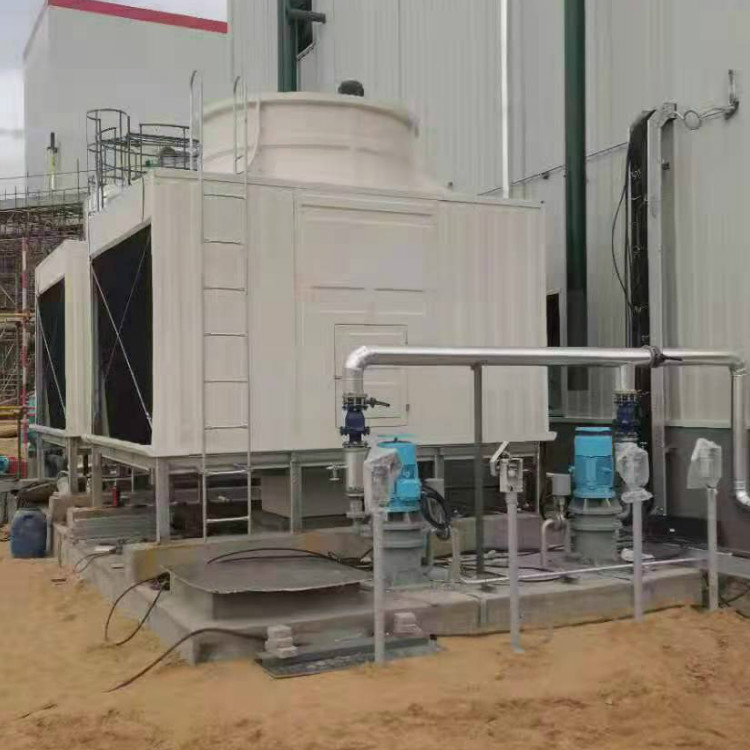
Cooling Tower Manufacturer - Mingtong Company utilizes cooling towers to cool and reuse cooling water. Cooling Tower Structure: Water to be cooled is sprayed downward through pipes at the top of the tower. The tower walls are equipped with blowers to blow air in, while a large exhaust fan at the top draws air out, promoting airflow and accelerating water cooling. Baffle plates made of hollowed-out PVC are placed above and below the spray pipes to extend the time for water droplets to dissipate heat. The design takes on a hyperbolic shape because it facilitates convective heat exchange between water and air. Mingtong Refrigeration, a cooling tower manufacturer, is primarily used in air conditioning cooling systems, refrigeration series, injection molding, leather processing, foaming, power generation, steam turbines, aluminum profile processing, air compressors, and industrial water cooling fields. The applications are most frequent in air conditioning cooling, refrigeration, and plastic chemical industries. Waste heat generated during industrial production or refrigeration processes is usually transferred away using cooling water. The function of a cooling tower is to facilitate heat exchange between the cooling water carrying the waste heat and the air within the tower, transferring the waste heat to the air and dissipating it into the atmosphere. Cooling towers are devices that dissipate waste heat generated in industrial processes or refrigeration and air conditioning systems by utilizing the contact between water and air through evaporation. The basic principle is that dry, low-enthalpy air, after being drawn by a fan, enters the cooling tower through the inlet air grille; high-temperature water molecules with a high saturated steam pressure flow towards the lower-pressure air. Wet, high-enthalpy water is sprinkled into the tower from the sprinkling system. When water droplets come into contact with air, evaporation occurs due to both direct heat transfer between air and water and the pressure difference between the water vapor surface and the air, which carries away the latent heat of evaporation, removing heat from the water, thus achieving the goal of cooling. The working process of a cooling tower, taking a circular counterflow cooling tower as an example: hot water is pumped from the main machine room through pipes, cross-sections, and curves to the sprinkling system of the cooling tower at a certain pressure. Cleaned water is evenly sprinkled onto the packing material through small holes in the sprinkling pipes. Dry, low-enthalpy air enters the tower from the bottom air grille under the action of the fan. As hot water flows over the packing material, it forms a water film that exchanges heat with the air. The high-humidity, high-enthalpy hot air is extracted from the top, and the cooled water drops into the basin, then flows into the main machine through the outlet pipe. Generally, the air entering the tower is dry with a low wet-bulb temperature, and there is a significant difference in the concentration of water molecules and kinetic pressure between the water and air. When the fan operates, under the action of static pressure inside the tower, water molecules continuously evaporate into the air, becoming water vapor molecules, which reduces the average kinetic energy of the remaining water molecules, thereby lowering the temperature of the circulating water. From the above analysis, it can be seen that the evaporation cooling is not related to whether the air temperature (usually referred to as dry-bulb temperature) is lower or higher than the water temperature, as long as water molecules can continuously evaporate into the air, the water temperature will decrease. However, the evaporation of water into the air will not continue indefinitely. When the air in contact with the water is unsaturated, water molecules continuously evaporate into the air. But when the air at the water-vapor interface reaches saturation, water molecules cannot evaporate further and are in a state of dynamic equilibrium, forming a low-temperature, constant-temperature bath. The number of water molecules evaporated equals the number of water molecules returning to the water from the air, and the water temperature remains constant. It can be seen that the drier the air in contact with the water, the easier the evaporation process, and the easier it is to lower the water temperature.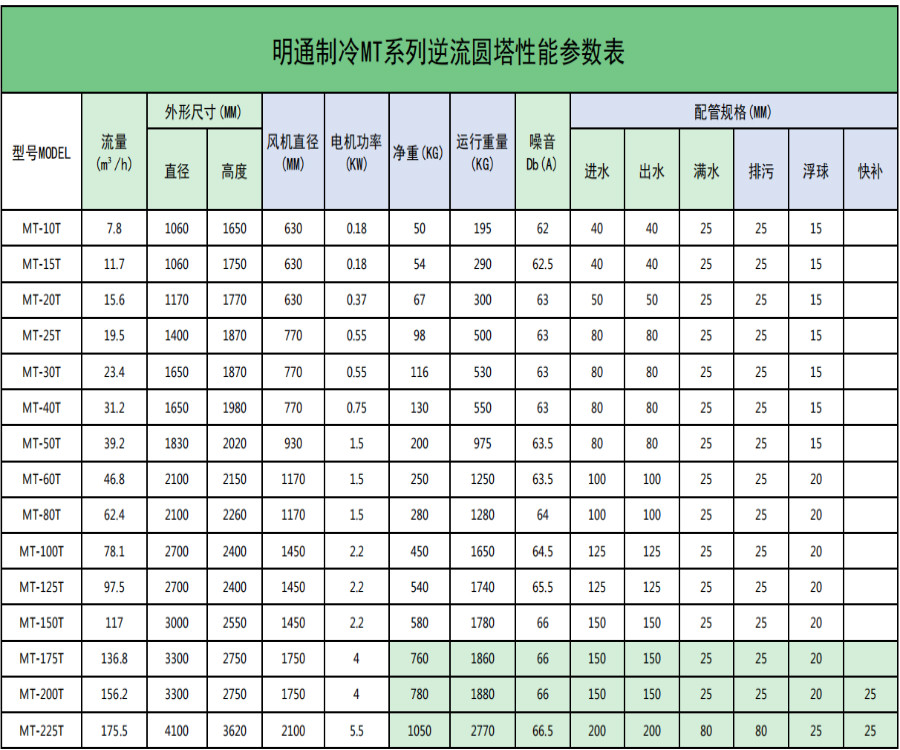

Phone Consultation