
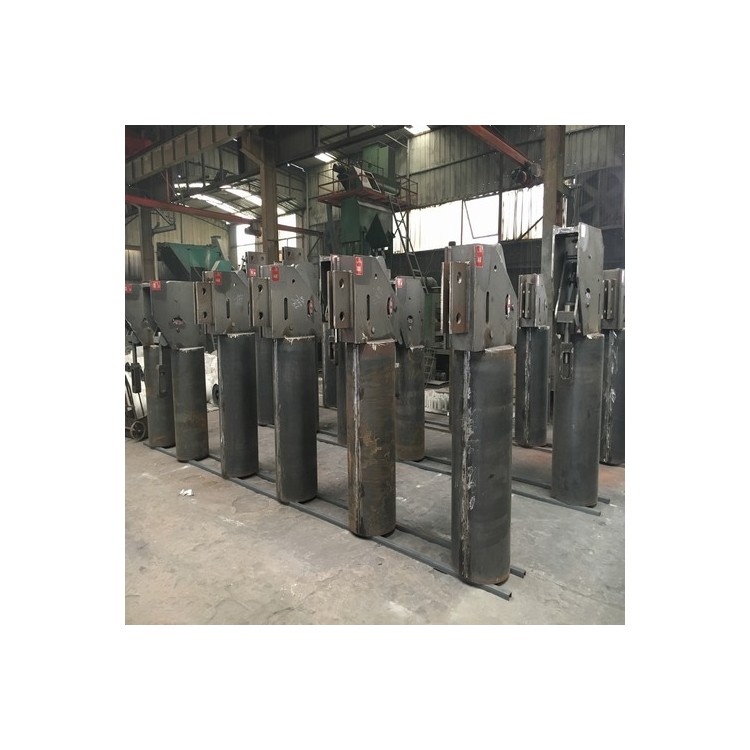
 Adjustable Spring Hanger Bracket
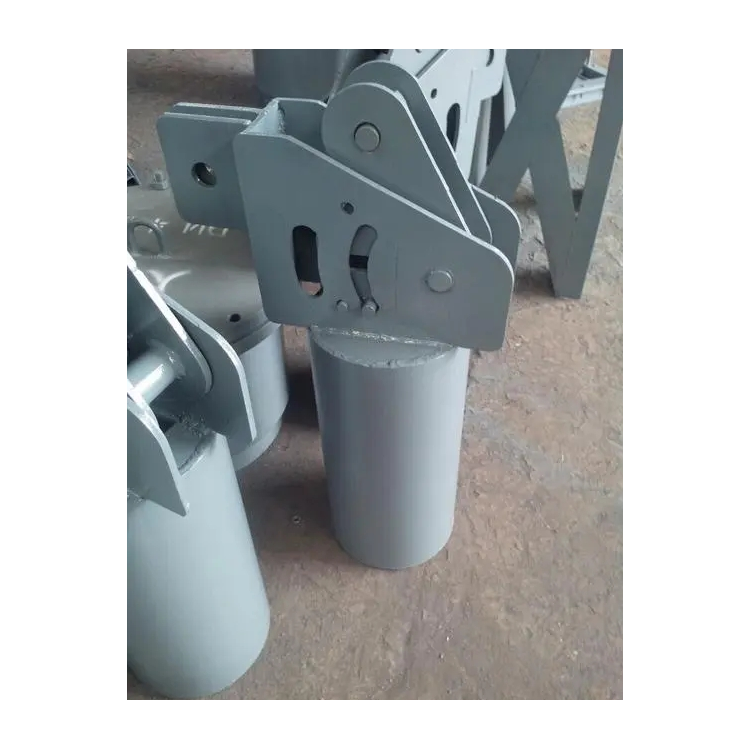 PH Type Constant Force Spring Hanger Bracket
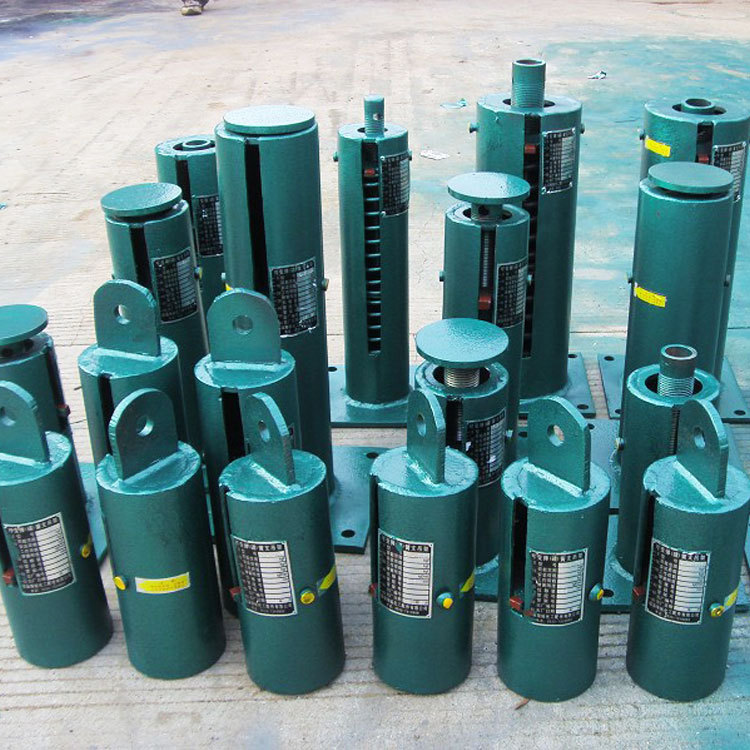 Disk Spring Support Hanger - Spring Support Hanger
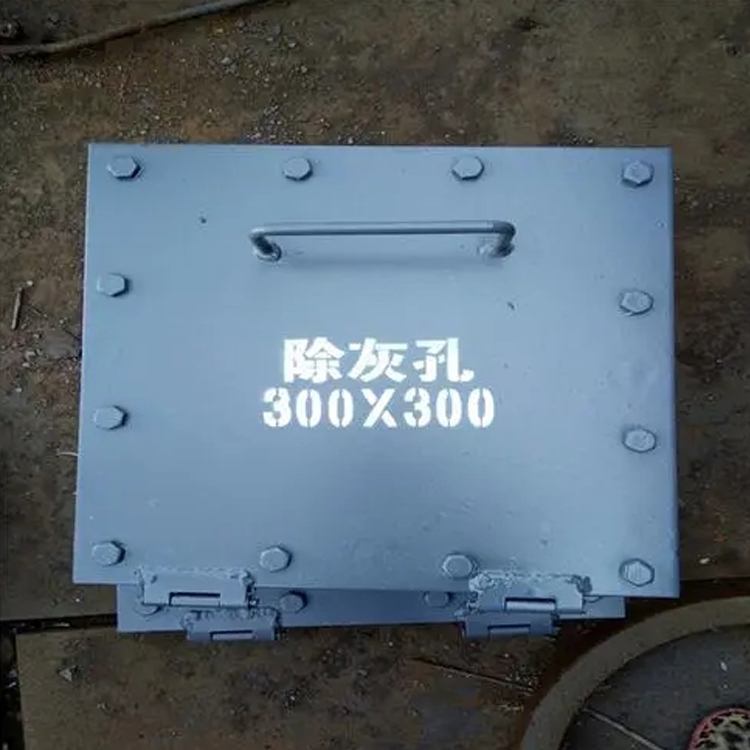 Full range of manhole models
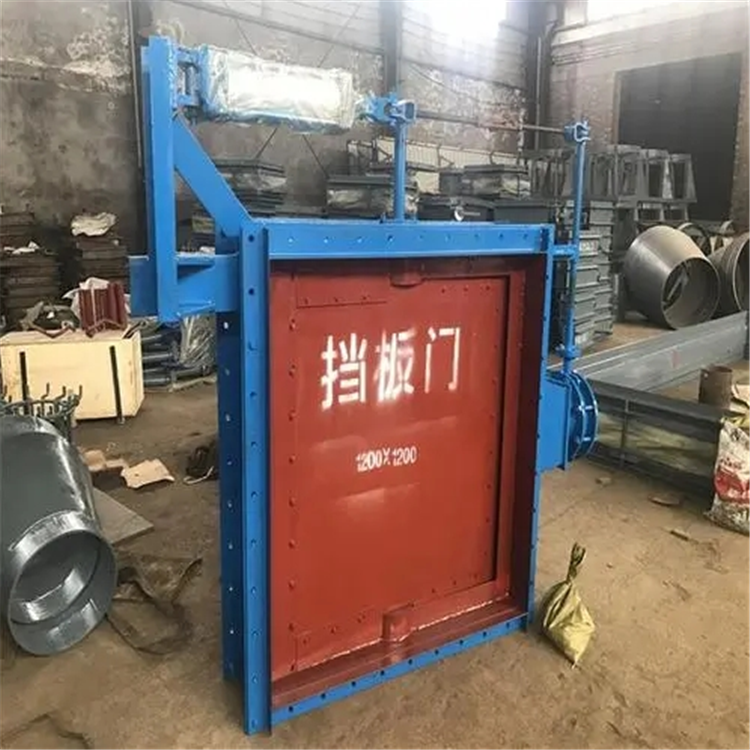 Baffle isolation door
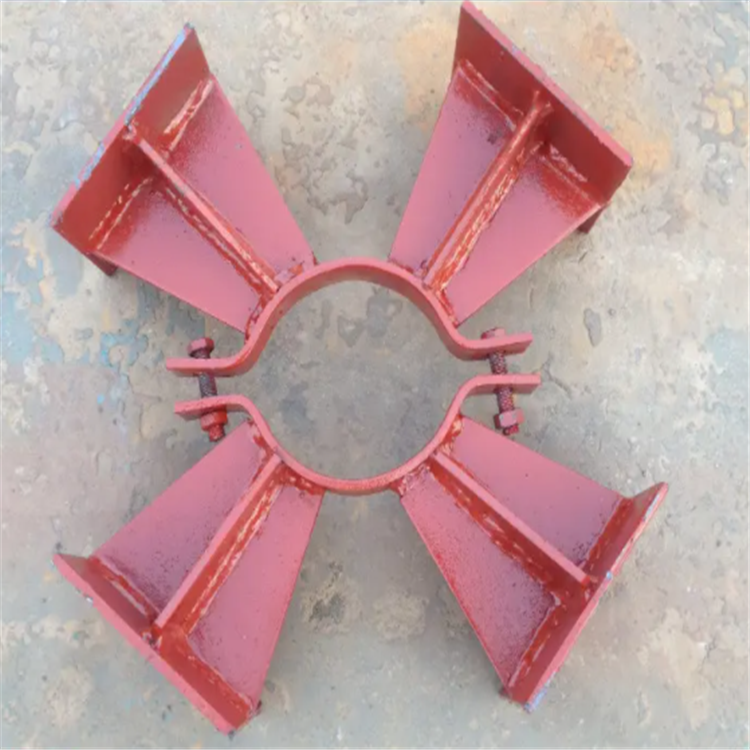 Recirculating Water Support Bracket
Product Details

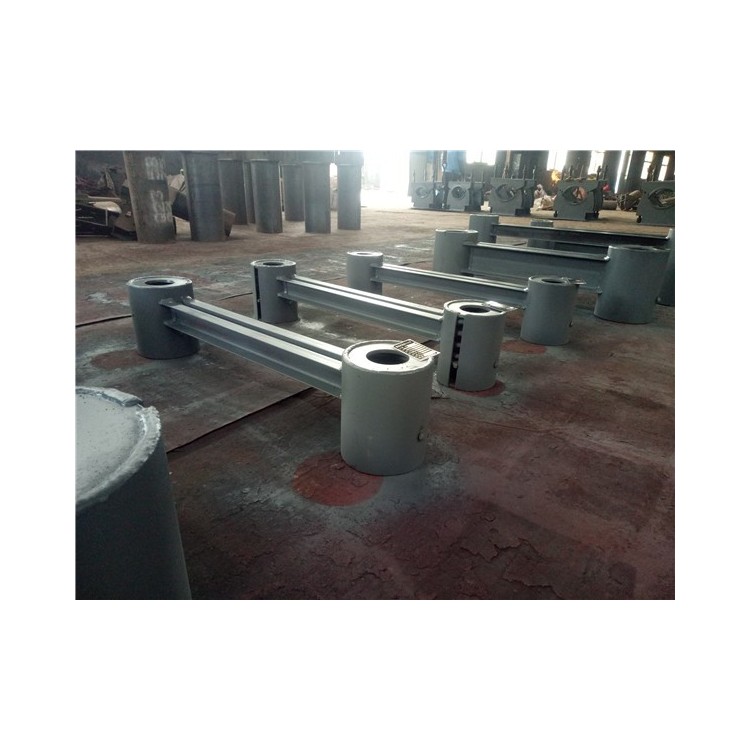
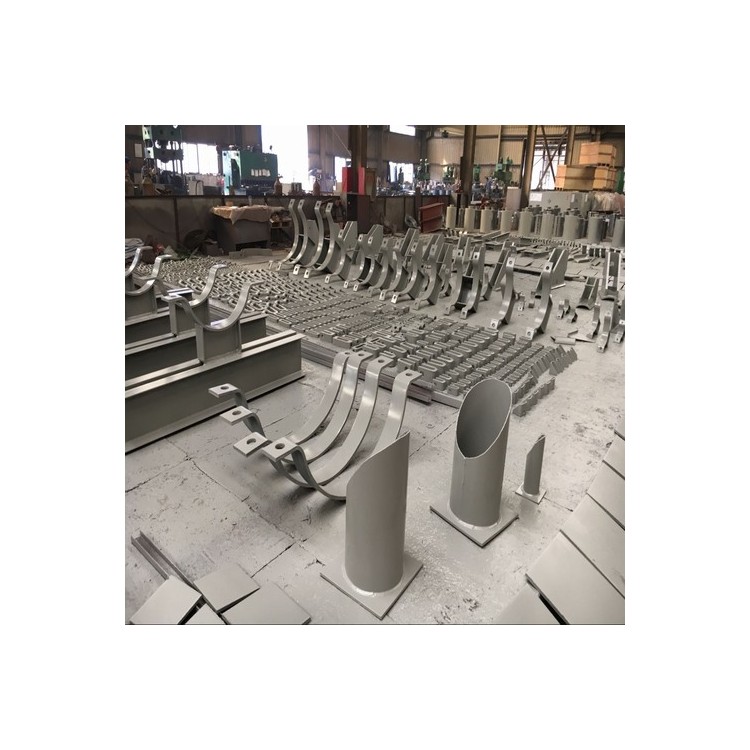
Our main products include: spring hangers, pipe hangers, variable spring hang...

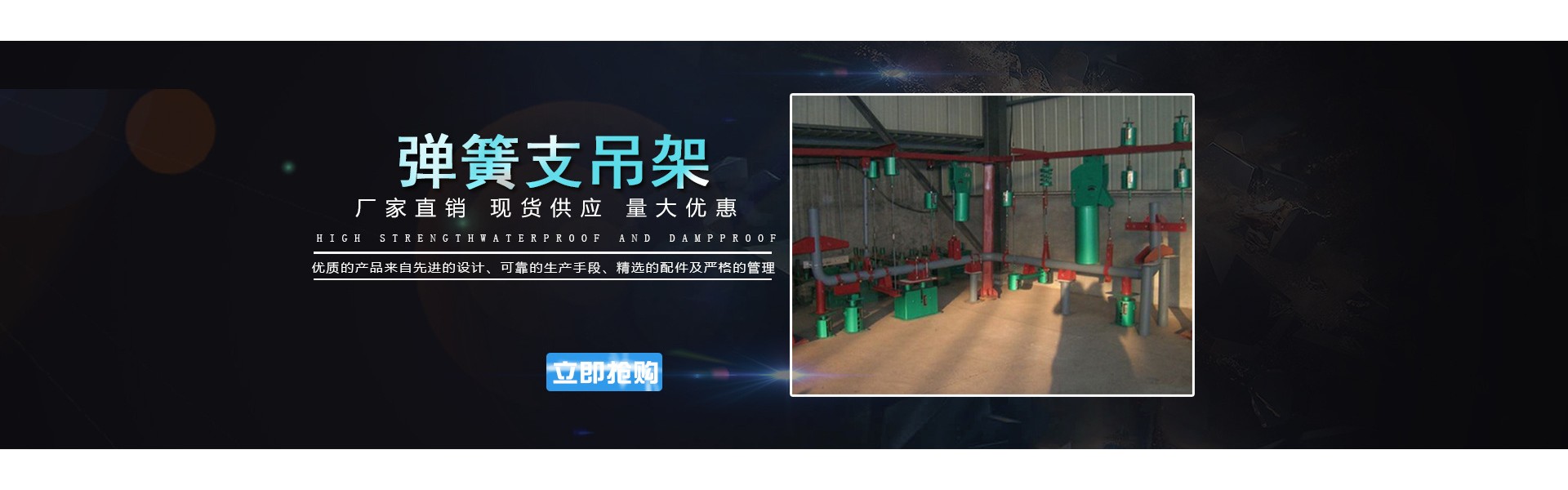
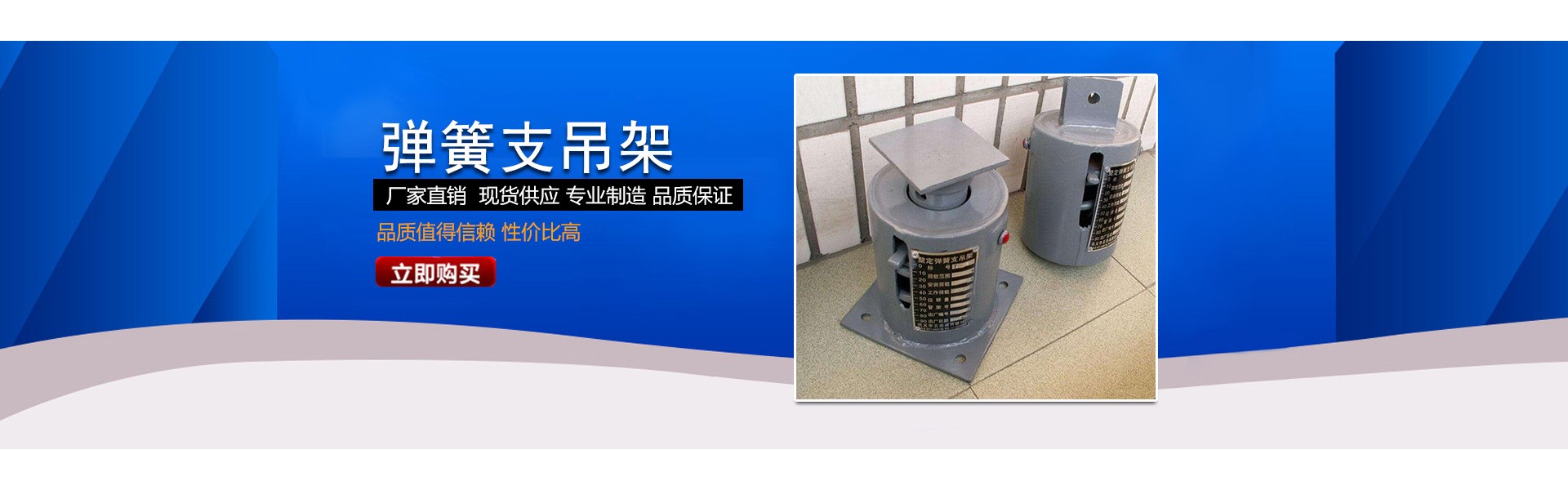
产品Price 80.00/Set
最小起订Quantity:1 Set 供货总Quantity: 10000 Set


Carbon Steel |
|
Alloy steel |
Multiple models |
Stainless steel |
Customizable |
Q235 |
Carbon Steel |
16Mn |
Low-alloy |
12Cr1MoV |
Alloy steel |
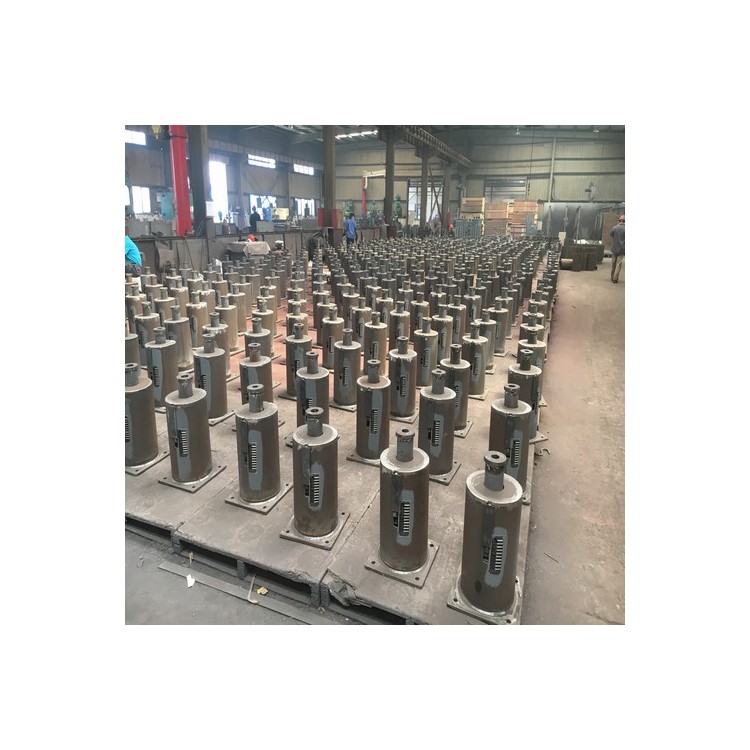
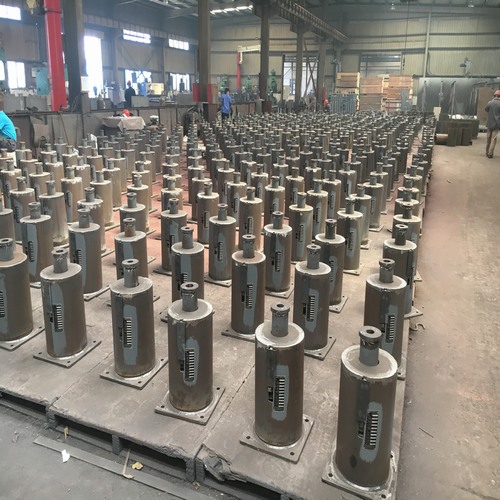
Designed according to the principle of torque equilibrium. Within the specified load displacement range, the load torque and spring torque are always in balance. Therefore, when the piping and equipment supported by a constant-hoist move, a constant supporting force is achieved, which does not impose additional stress on the piping and equipment. The constant-hoist is generally used in situations where displacement stress needs to be reduced, such asPower plant boilerThe main body, including the suspended parts such as steam, water, smoke, and air ducts, as well as burners in power plants, and petrochemical equipment, along with other areas requiring reduced displacement stress. Application and Scope: This standard applies to displacement rangesVS (0-180mm), TD (0-120mm), load range of 154-217,384N, operating temperature range -20°C to 200°CVariable Spring Hanger Bracket。 Variable Spring Support HangerPrimarily composed of cylindrical helical springs, displacement indicator plates, housing, and tension nuts, etc. Variable spring suspension brackets are categorized by different installation methods.A, B, C, D, E, F, and G models. Type A ---- Screw Thread Suspended Type B Type ---- Single-ear Suspended Type C Type ---- Double Ear Suspension Type D-type - Top adjustable shelf type E Type - Lower Adjustment Shelves F Type --- Support and Rest Type G Type - Parallel Suspension Type Installation and Usage: Installation: Type A The one end of the suspension rod is connected to the root; the other end is threaded into the top plate bolt hole of the spring suspension bracket and secured with a nut. The bottom of the basket nut is threaded onto the top of the pipe suspension rod. Rotate the basket nut to lift the pipe to the specified installation position, then tighten with a nut. 2. B, C Types The top of the spring suspension is connected to the lifting rod or lifting plate, while the other end of the lifting rod or lifting plate is anchored to the steel beam or floor. Other components...Type A is the same. 3. D-Type Secure the spring hanger to the steel beam or floor with bolts, thread the lifting rod through the hanger body to connect with the pipe, rotate the top nut to lift the pipe to the specified installation position, and then tighten the nut. 4. E-Type Secure the spring support bracket to the steel beam or floor with bolts. Other withType A is the same. 5. F-Type Secure the bottom plate of the spring suspension bracket to the foundation, steel beam, or floor with bolts, and support the bottom of horizontal pipes or bends at the top. When the actual support height at the site differs from the installed height provided in the design, adjust the load column by turning it for fine-tuning. The fine-tuning amount isBetween Lmax and Lmin. Spring models VS30F0-9 are ±6mm, VS30F10-24 are ±12.5mm, and spring models VS60F, VS90F, VS120F, VS150F, VS180F are ±25mm. 6. Type G Adjust the swing basket nut to tighten the hanger mounted on the steel beam or floor, elevate the hanger to the designed installation height, and then secure the swing basket nut with the nut.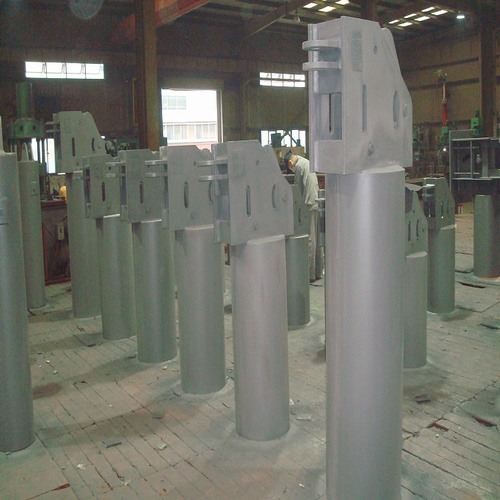

Method of Representation

Phone Consultation