
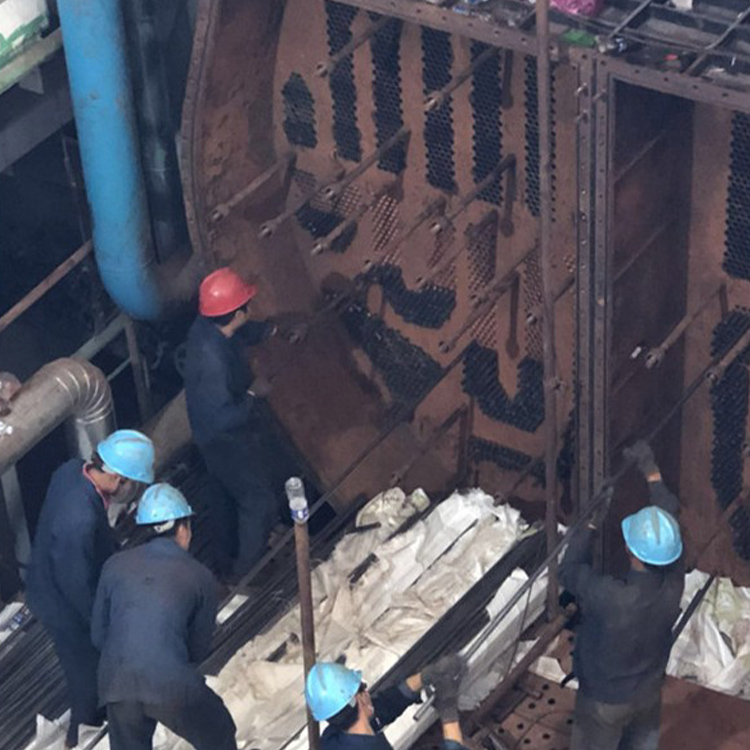
 Condenser exhaust pipe
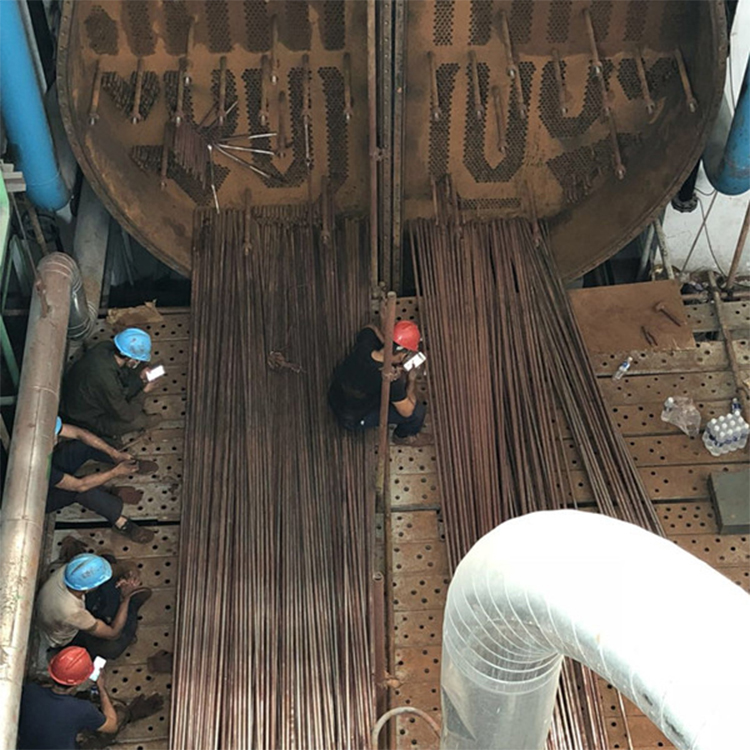 Condenser Tube Replacement
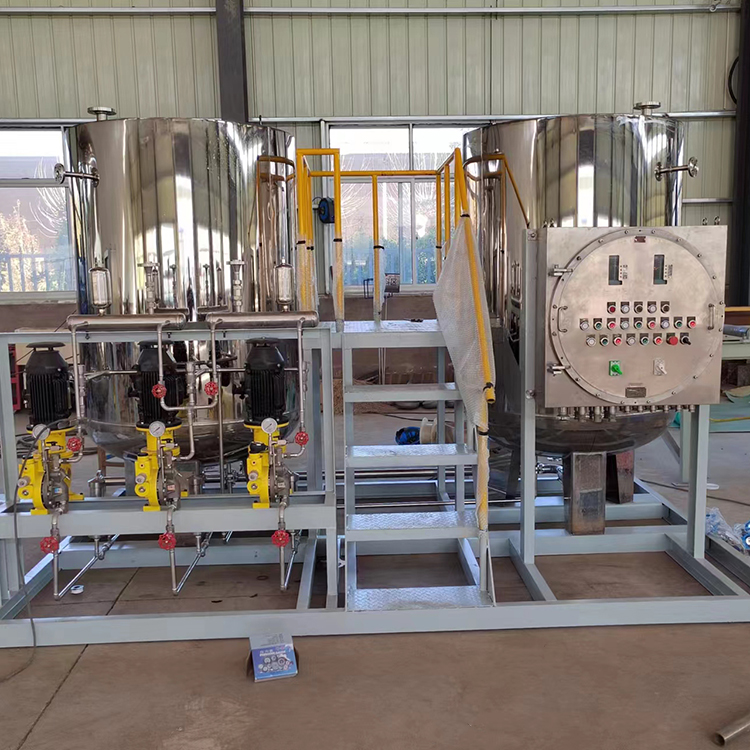 Fully Automatic Dosage Device
 Sponge iron oxygen scavenger
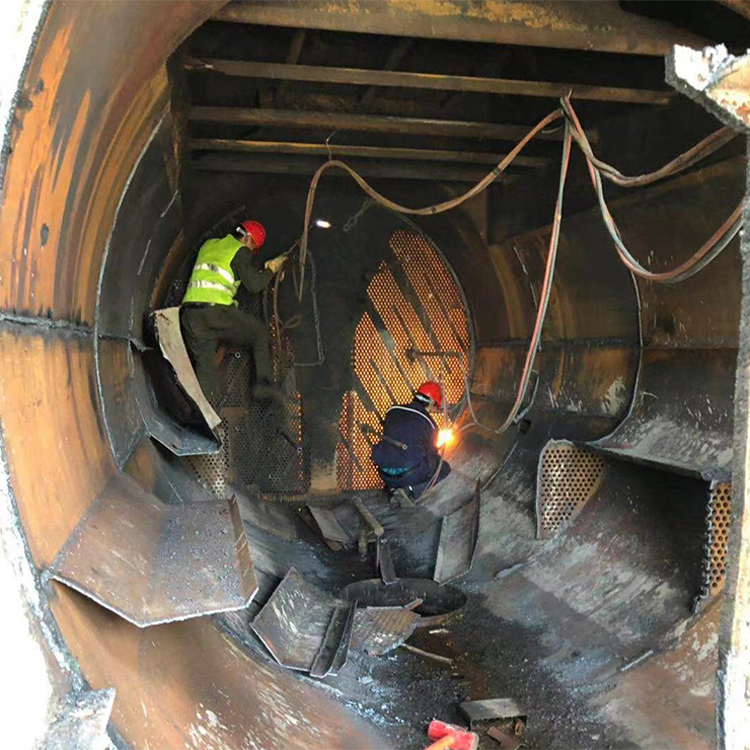 Condenser tube replacement and capacity increase
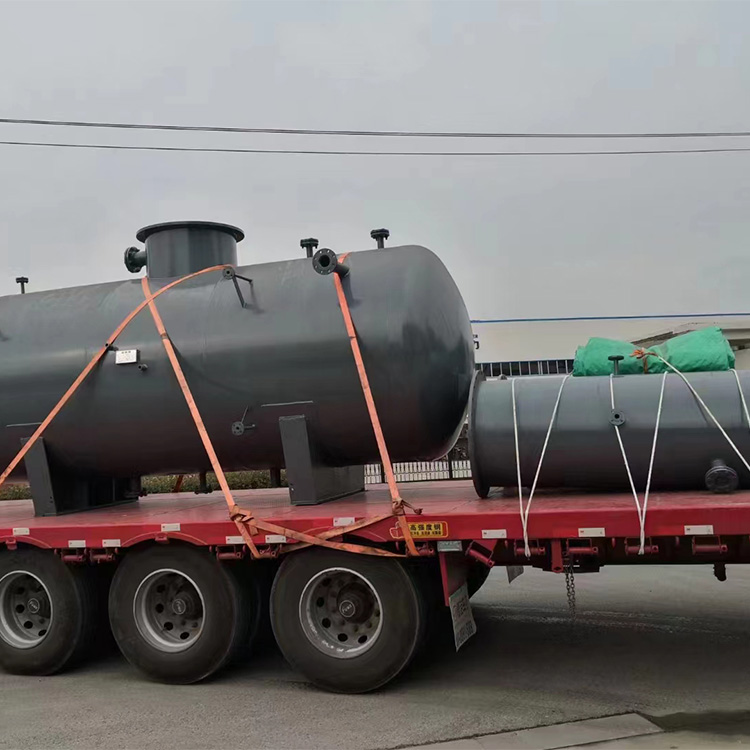 Thermal Deaerator
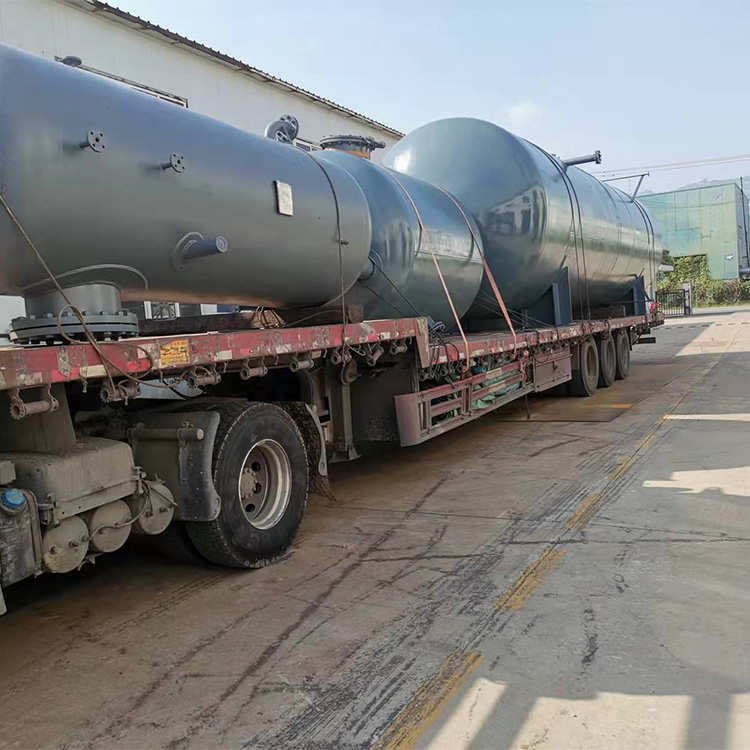 Deoxygenator modification/maintenance
Product Details

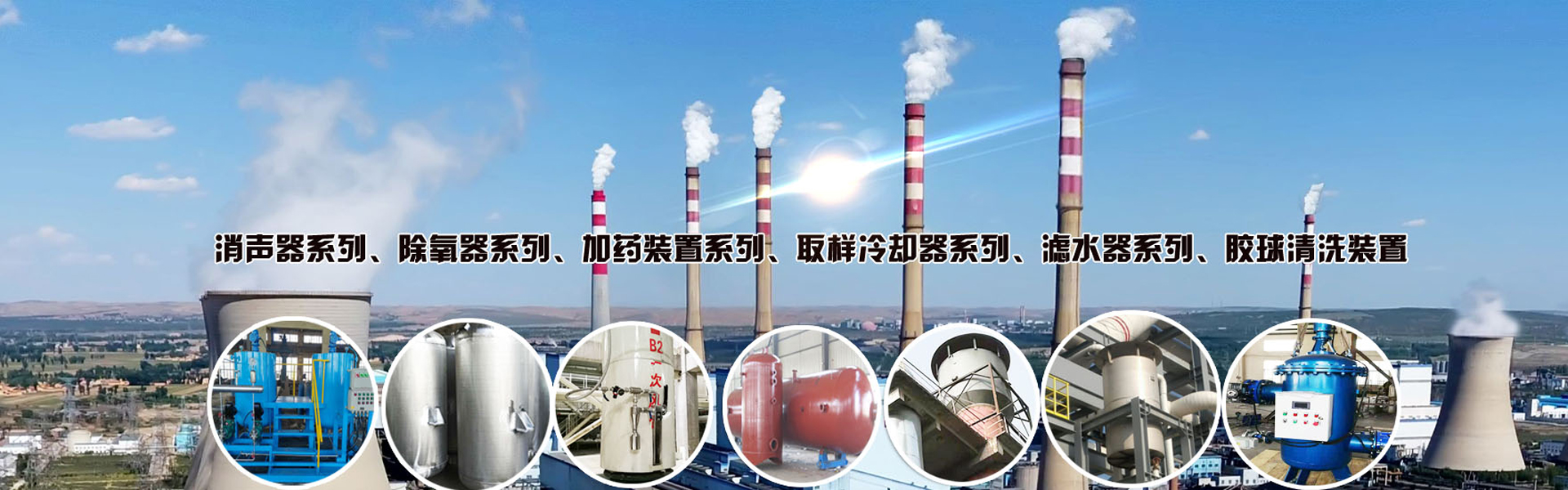
Aerodynamic silencers, coal powder sampler, rubber ball cleaning device, jet ...


产品Price Negotiable
最小起订Quantity: 供货总Quantity:


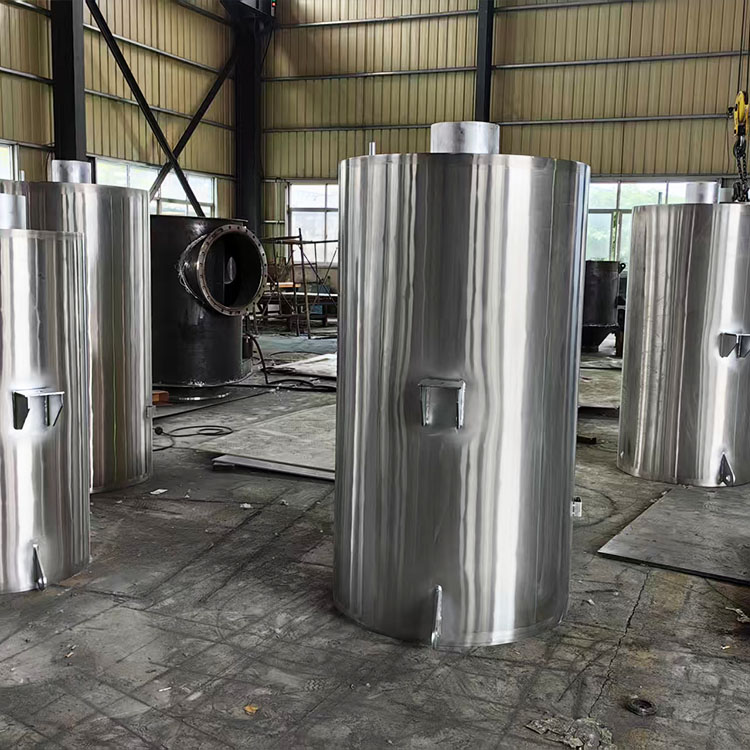
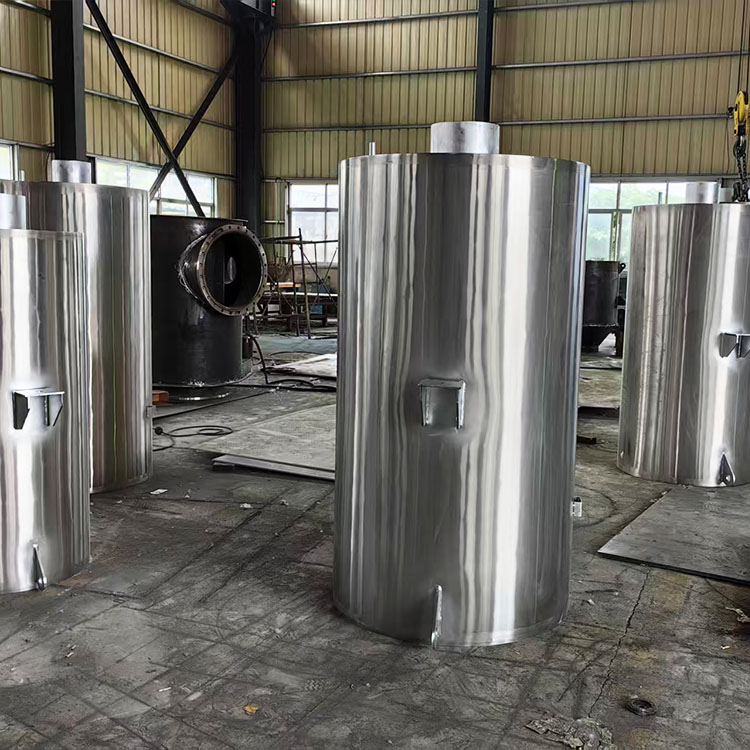
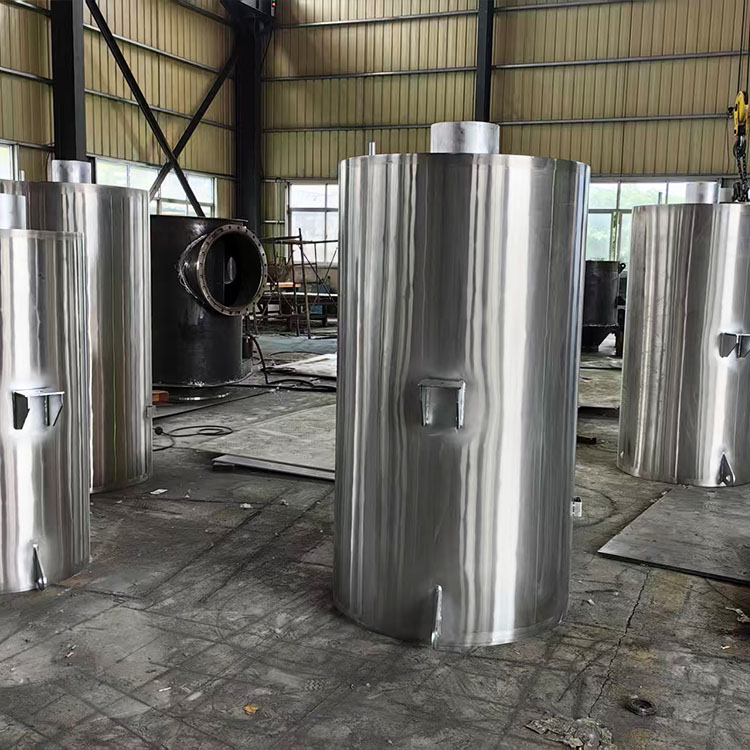
Steam exhaust mufflers are specialized noise reduction devices for high-temperature and high-pressure steam venting. They utilize a core technology of "small hole injection + expansion and pressure reduction + impedance composite" and are suitable for scenarios such as boiler ignition exhaust, safety valve exhaust, and steam turbine exhaust. They achieve noise reduction of 30-42dB (A), meeting the GB 12348 noise standards for factory boundaries and occupational health. Core Principle and Structure Utilizing a three-stage composite noise reduction system, balancing wideband noise reduction and smooth airflow. Microhole Injection (Level 1): Divides large diameter exhaust outlet into hundreds of φ1-3mm microholes, reducing steam from supersonic to subsonic speed (≤30m/s), mitigating turbulent noise, with sound attenuation of 15-20dB(A). Resistant Expansion Chambers (Level 2): 2-3 chambers of different volumes (chamber diameter 2-4 times the pipe diameter), which cancel out low-frequency (100-500Hz) noise through reflection and interference, achieving a noise reduction of 10-15dB(A). Resistive sound-absorbing layer (Level 3): Equipped with high-temperature-resistant sound-absorbing materials (such as ceramic fiber, stainless steel micro-perforated plate), dissipating mid-to-high-frequency noise, noise reduction of 5-10dB (A). Overall carbon steel / 304/316L stainless steel housing, modular design, capable of absorbing pipe thermal displacement, avoiding additional stress. Key Selection and Installation Points Operating Condition Matching: Determine type and specification based on steam pressure, temperature, flow rate, and pipe diameter; choose TB/TA type for high pressure, TD type for low pressure, and composite type for wideband noise. Acoustic Attenuation Calculation: Select models with an acoustic attenuation of ≥30dB(A) based on the difference between the emission noise value and the target value. Installation Specifications: Location: Installed at the end of the exhaust pipe, vertically mounted on the factory roof, independent bracket supports ≥ 2 times the equipment weight. Connection: Flanged with high-temperature resistant gasket to prevent steam leakage; pre-allocated thermal expansion gap to absorb pipe displacement. Flow Direction: Consistent with steam flow direction, avoiding sharp bends and abrupt diameter changes. Operations and lifespan Perform regular inspections of the shell, flange seals, and acoustic materials; for high-pressure conditions, inspect every six months; for low-pressure conditions, inspect once a year. Replace aging sound-absorbing materials (ceramic fiber / micro-perforated plate) to ensure sound-deadening effectiveness. Metallic housing + high-temperature resistant material, normal operating lifespan of 8-10 years, low maintenance cost. Quick Selection Steps Be specific about steam pressure, temperature, flow rate, pipe diameter, and discharge method (continuous/intermittent). Select type according to operating conditions: High-voltage ignition → TB, Safety door → TA, Low pressure → TD, Wideband → Composite type. Match material and connection method, control pressure loss ≤5% of rated pressure. Calculate the sound absorption and installation space; customize length/cross-section as needed.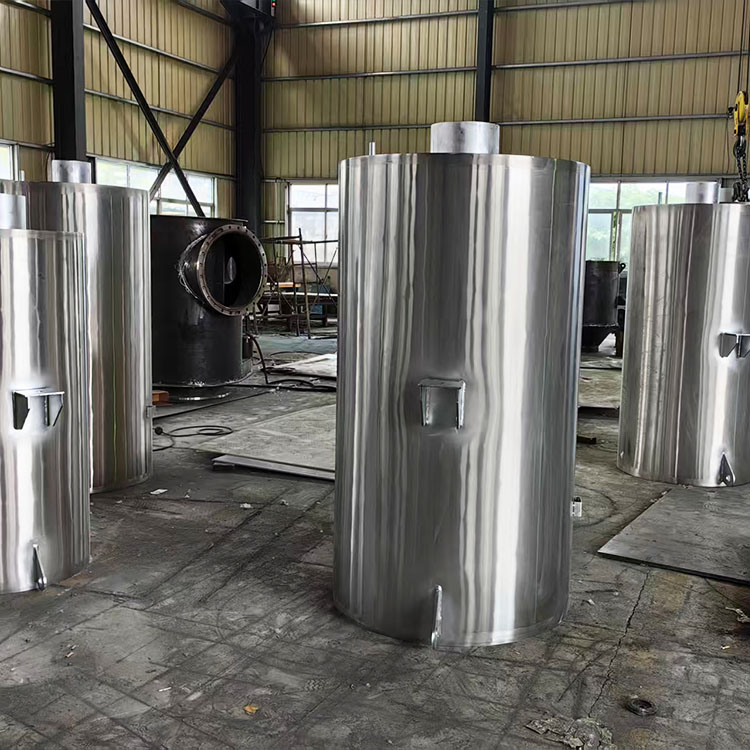

Phone Consultation