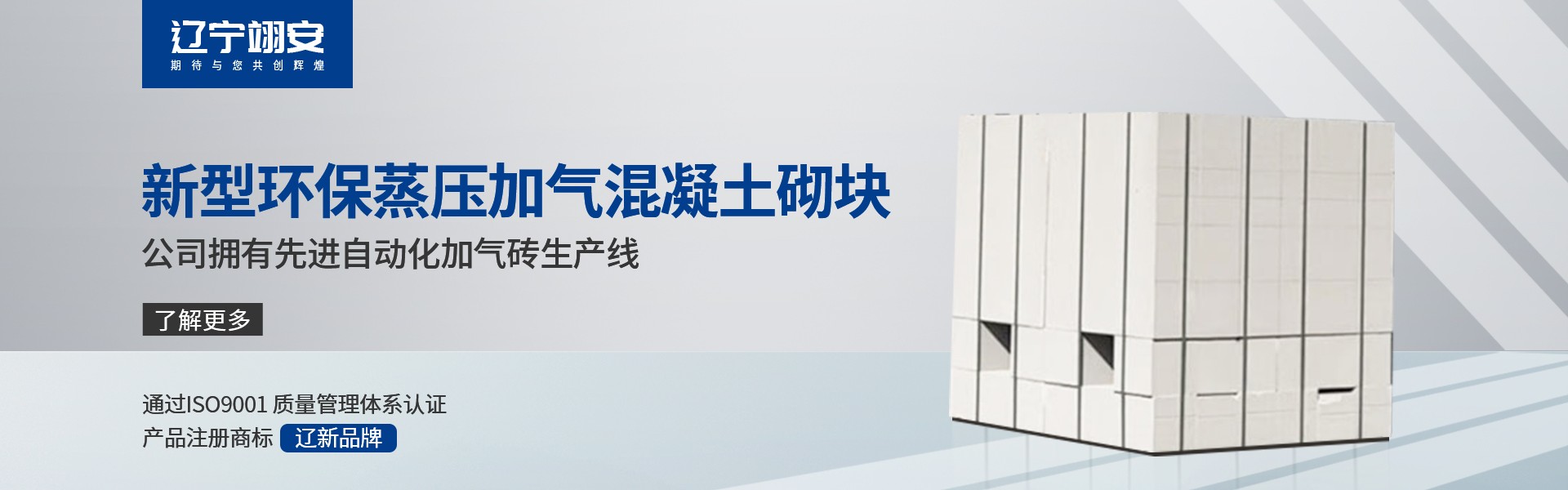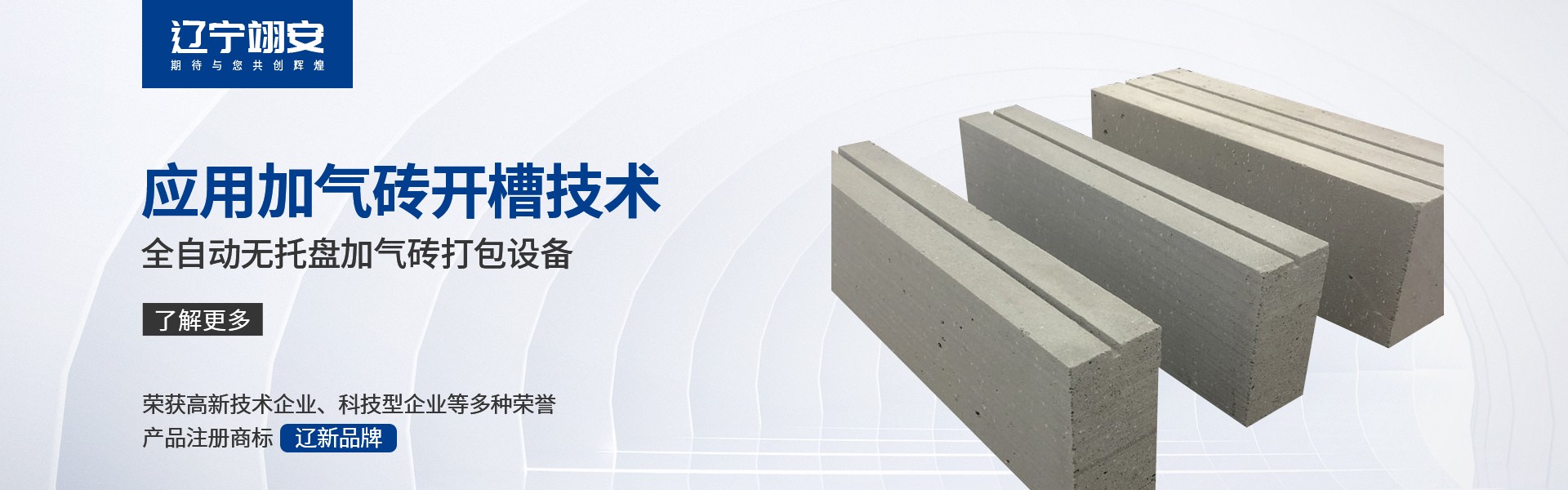
Advanced environmental-friendly autoclaved aerated concre...


Product Recommendation
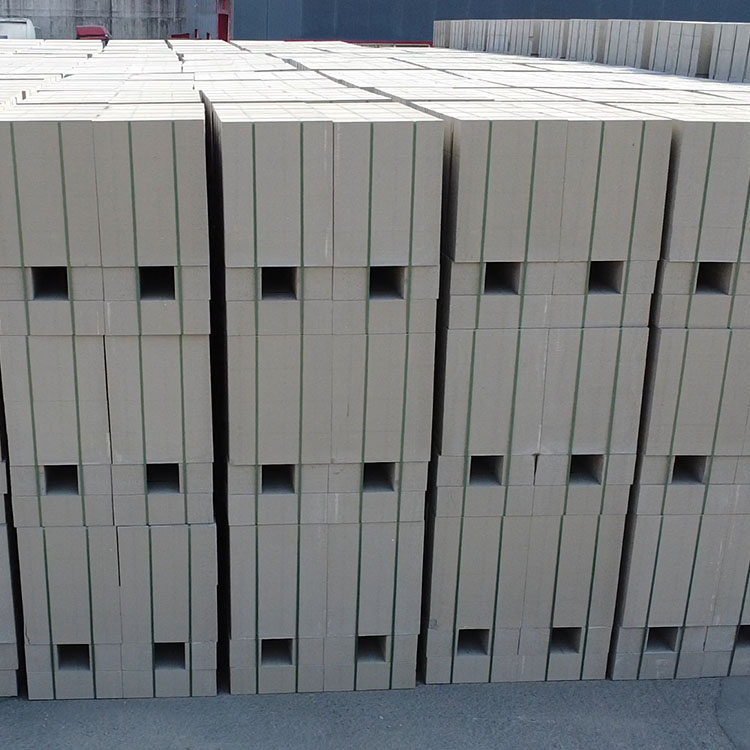
Insulating Concrete Blocks, Aerated Concrete Brick Manufacturer, New Composite, High-Density
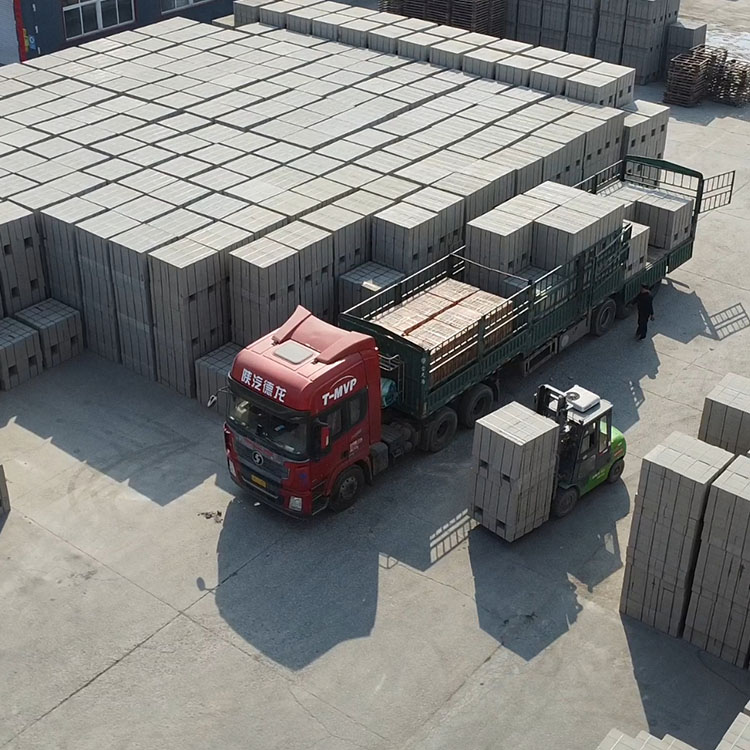
Gray sand brick, autoclaved aerated concrete, lightweight partition bricks, autoclaved aerated concrete gray sand bricks
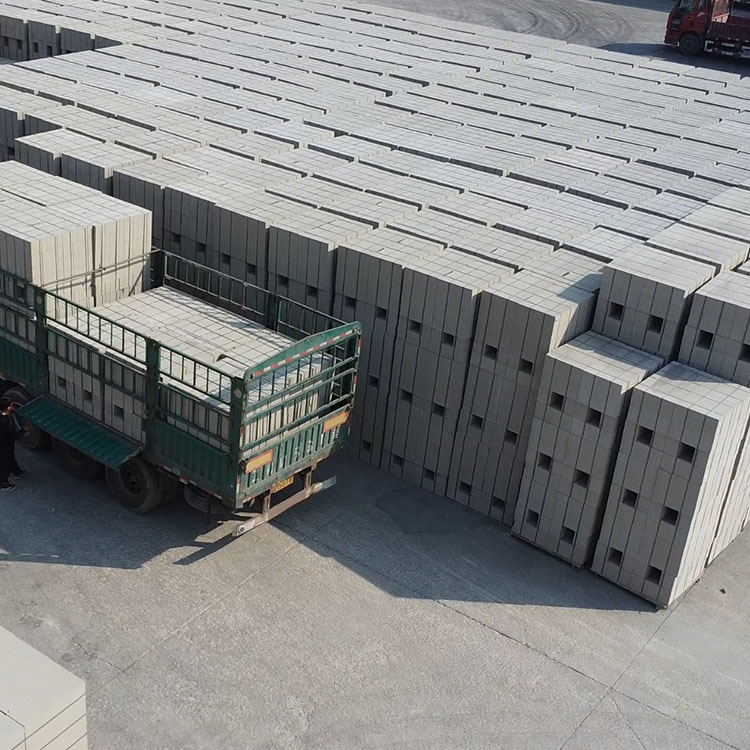
Vapor-Pressed Insulating Masonry Blocks, ALC Lightweight Concrete Blocks, Expanded Insulating Strip Boards
Insulating Concrete Blocks, Aerated Concrete Brick Manufacturer, New Composite, High-Density
Gray sand brick, autoclaved aerated concrete, lightweight partition bricks, autoclaved aerated concrete gray sand bricks
Vapor-Pressed Insulating Masonry Blocks, ALC Lightweight Concrete Blocks, Expanded Insulating Strip Boards
In the modern construction industry, the choice of materials plays a crucial role in the quality, performance, and sustainability of buildings. Autoclaved aerated concrete, as a new type of building material, has gained widespread application in the construction sector in recent years. It boasts numerous excellent properties, bringing new development opportunities to the industry. This article aims to provide an introduction to autoclaved aerated concrete, delving into its definition, characteristics, production process, application fields, advantages, and future development trends.

1. Definition and Composition of Autoclaved Aerated Concrete
Autoclaved aerated concrete blocks, commonly known as AAC blocks, are lightweight, porous masonry products made primarily from sand, fly ash, and calcium-based materials (limestone, cement), mixed with an aerating agent (aluminum powder). They are produced through a process of batching, mixing, casting, pre-curing, cutting, autoclaving, and curing. The internal structure features a large number of uniform and fine air pores, which give the AAC blocks a low density and excellent thermal insulation properties.

2. The characteristics of aerated bricks
Lightweight and high-strength
Autoclaved bricks typically have a density ranging from 500 to 700 kg/m³, significantly lighter than traditional solid bricks. Additionally, they can withstand compressive strengths of up to 3.5 to 7.5 MPa, meeting the load-bearing requirements for most building structures.
Using aerated bricks in high-rise buildings can reduce the self-weight of the structure, thereby lowering the cost of foundation engineering.
Insulation and thermal protection
Due to its internal pore structure, aerated bricks exhibit excellent thermal insulation properties. Their thermal conductivity typically ranges from 0.11 to 0.18 W/(m·K), significantly lower than that of ordinary concrete and solid bricks.
In cold regions, the use of aerated bricks can significantly reduce winter heating energy consumption; in hot areas, they can effectively lower the air conditioning cooling load during summer.
Excellent soundproofing performance
The porous structure of aerated bricks effectively absorbs sound, providing excellent soundproofing. For locations requiring a quiet environment, such as schools and residential areas, aerated bricks are an ideal building material.
Excellent fire-resistant properties
Autoclaved aerated concrete is an inorganic material that does not burn, serving as a certain barrier against fire and delaying the spread of flames during a blaze, thereby enhancing the fire safety of buildings.
Highly processable
Autoclaved bricks can be processed by sawing, planing, and drilling, making it convenient to adjust shapes and sizes on-site according to actual needs.

3. The production process of aerated bricks
Raw Material Processing
The fly ash and calcium-based materials are crushed, finely milled, and mixed uniformly in a specific proportion.
Ingredient Mixing
Mixed raw materials are combined with an appropriate amount of water and an aerating agent, then stirred into a uniform slurry.
Casting molding
The slurry is injected into the mold, where it undergoes a chemical reaction under specific temperature and humidity conditions, producing gas and forming a porous structure.
Preparation
The cast blanks undergo initial curing in the pre-curing room, which helps to enhance their strength.
Cutting
Once the green body reaches a certain level of strength, it is then cut to the required size and shape using a cutting machine.
Steam curing
Cutting the aerated brick bodies and then placing them into a steam autoclave for curing under high temperature and pressure steam treatment further enhances their performance.

4. Application Areas of Autoclaved Aerated Concrete Blocks
Civilian Construction
In residential buildings, apartments, villas, and other民用 structures, autoclaved bricks are commonly used for non-load-bearing walls, such as partition walls and fill-in walls. They provide a good living environment while also reducing the self-weight of the structure.
Industrial Construction
In industrial buildings such as factories, warehouses, and workshops, aerated bricks can be used for exterior walls, partition walls, and fire-resistant walls, meeting requirements for fire prevention, thermal insulation, and soundproofing.
Public Building
Public buildings such as schools, shopping malls, and office buildings are also important application areas for aerated bricks. Their excellent performance contributes to creating comfortable, quiet, and safe public spaces.
5. The Advantages of Aerated Blocks
Energy-saving and environmental protection
During the production of aerated bricks, industrial waste materials such as fly ash are utilized, reducing waste emissions and achieving comprehensive resource utilization. Moreover, the bricks can lower energy consumption during use, aligning with energy-saving and environmental protection standards.
Enhance construction efficiency
The expanded bricks are larger in size and lighter in weight, making them easy to transport and install, thereby enhancing construction speed and shortening the project timeline.
Increased Building Utilization Area
Due to the relatively thin thickness of aerated bricks, constructing walls with them can increase the usable area of the building.
Reduce Construction Costs
Although the unit price of aerated bricks may be slightly higher than that of traditional bricks, their lightweight and insulating properties can, when considering the costs of foundation and insulation projects, ultimately reduce the overall construction cost of the building.
6. Trends in the Development of Aerated Concrete
Technological Innovation
As technology continues to advance, the production techniques for aerated bricks will continually innovate and improve, enhancing product quality and performance, such as further reducing density, increasing strength, and improving durability.
Green Development
In the future, the production of aerated bricks will place greater emphasis on green environmental protection, utilizing cleaner energy sources and production processes to minimize environmental impact.
Multifunctional
To cater to the diverse market demands, aerated bricks will evolve towards multifunctionality, featuring self-insulating, self-fireproofing, and earthquake-resistant capabilities.
Standardization and normalization
As the application of aerated bricks becomes more widespread, relevant standards and regulations will be continuously improved to ensure product quality and construction safety.
● Summary ●
Autoclaved aerated concrete, as a new type of building material, plays an increasingly significant role in the construction industry with its numerous advantages such as lightweight yet high strength, thermal insulation, noise reduction, fire resistance, and strong workability. With the continuous advancement of technology and the growing market demand, the prospects for the development of autoclaved aerated concrete are promising. In the future construction industry, autoclaved aerated concrete will continue to make significant contributions to the realization of energy-saving, environmentally friendly, efficient, and comfortable buildings.
However, when using autoclaved bricks, attention must also be given to construction quality and technical requirements to fully leverage their advantages and ensure the quality and safety of the buildings. At the same time, relevant enterprises and research institutions should continuously increase R&D investment, promoting the innovation and development of autoclaved brick technology, and providing strong support for the sustainable development of the construction industry.
That concludes our informative piece on aerated bricks. We hope this has deepened your understanding and appreciation of the product.


b2b.china9.net © Zhongshang 114 Hebei Network Technology Co., Ltd.Address: Room 6009, Oriental New World Center, No.118 East Zhongshan Road, Qiaoxi District, Shijiazhuang City, Hebei ProvincePlatform Service Hotline: 4006299930