
- AllProduct Category
-
Soundproof Room, Quiet Room
Medical Audiometry Room / Pure Tone Audiometry Room
Acoustic Chamber, Soundproof Room
Soundproof Enclosure
Soundproof Enclosure




详情描述
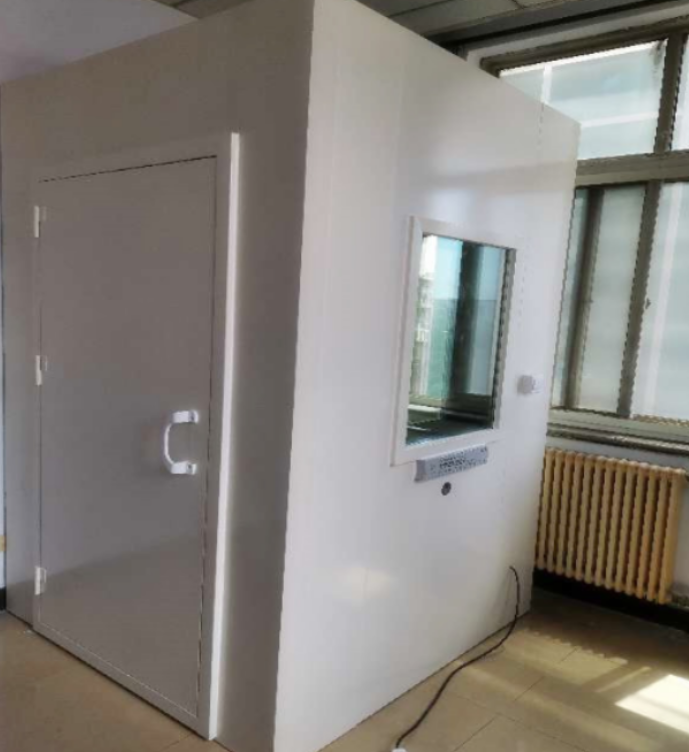
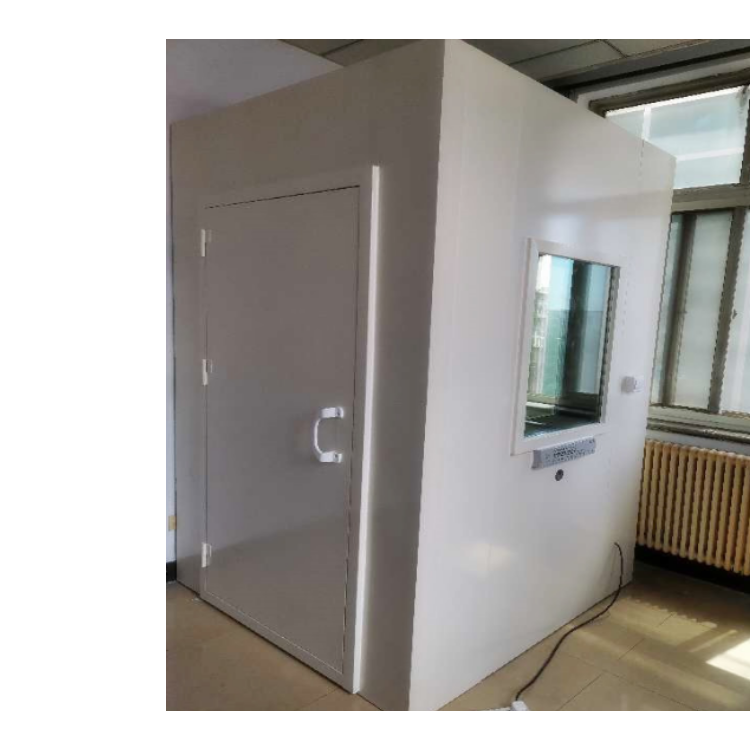
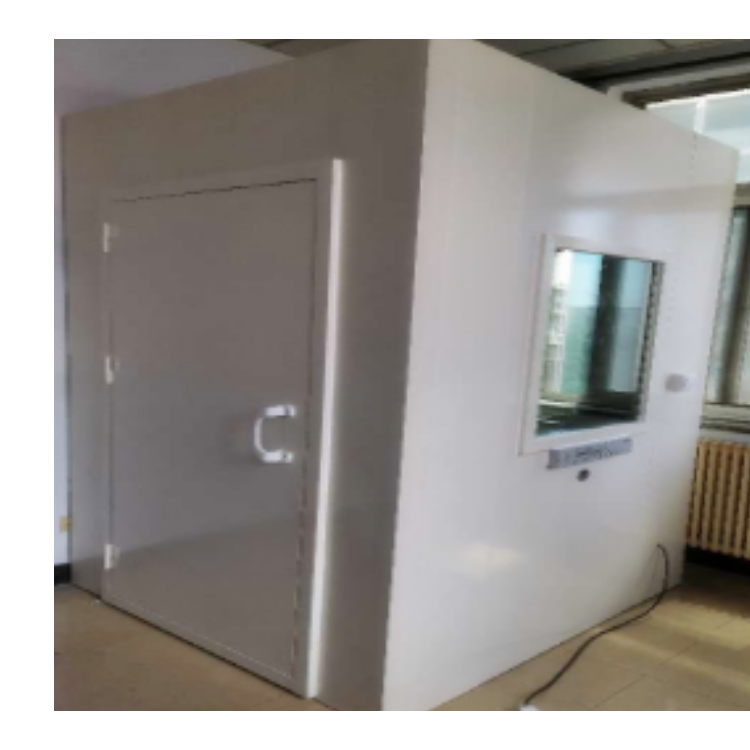
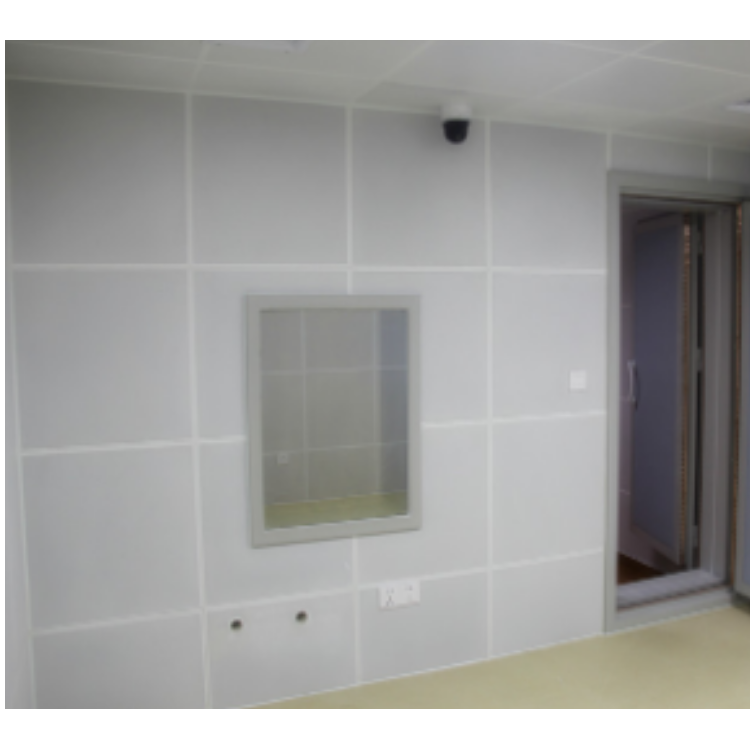
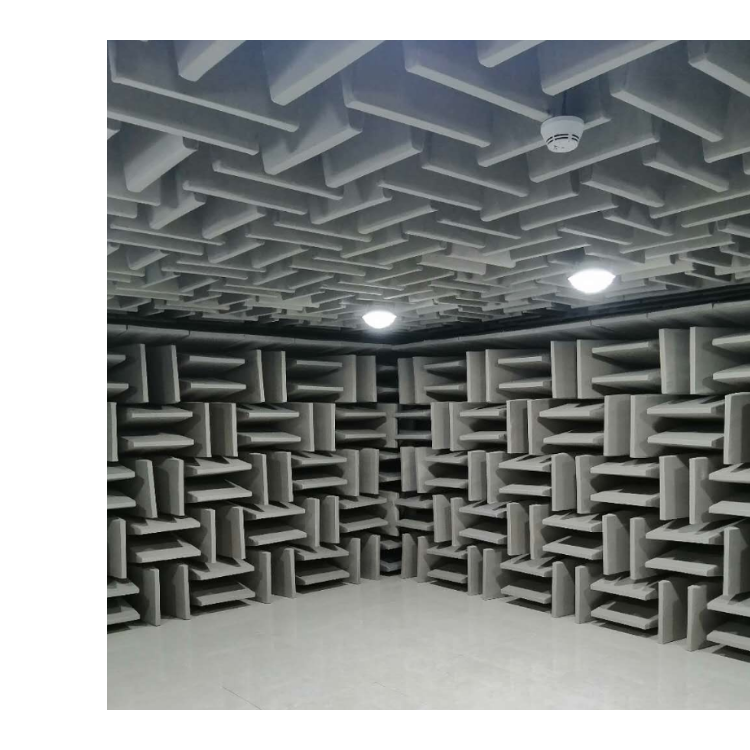
What is a Behavioral Audiometry Sound Field Audiometry Room?
It's essentially a type of audiometric booth, designed for assessing the degree of hearing loss in children aged 1-3 years, and is widely used in disease control centers and similar facilities.
Behavioral audiometry and sound field audiometry involve presenting a sound stimulus to the test subject and observing their behavioral response to assess their hearing level. Broadly, behavioral audiometry is equivalent to all subjective response audiometry, and in testing younger children with hearing impairments, it primarily relies on the age-specific characteristics of the tested child, utilizing different methods.
Auditory testing methods to estimate the degree of hearing loss in children.
Auditory reflex: Newborns aged 0 to 3 months have not yet established various conditional reflexes, but there are various unconditional auditory reflexes present, such as producing auditory reflexes upon hearing sounds.
Auditory behavior response: By 3 months, infants gradually lose their auditory reflexes and begin to develop directional hearing, paying attention to the direction from which sounds originate. During the examination, avoid the child's line of sight and present different intensity sounds from various directions to observe their reactions. Estimate the degree of hearing loss by gauging the size of the presented sounds.
Conditioned定向reflex: Combine sound stimuli with another type of stimulus that is easy to attract a child's attention or interest to strengthen the child's response to sound. Commonly used methods include combining sound with light or motion toys. During the test, face the child, and simultaneously provide the sound stimuli and light or motion toy stimuli. After several repetitions, the child will form the concept of combining sound and light stimuli or sound and motion toy stimuli in their mind. Then, only provide the sound stimulus without other stimuli and observe the child.
During the examination, gradually reducing the intensity of the test sound can give a general understanding of a child's hearing. This test is suitable for children aged 1 to 3.
Game-based Hearing Test: Suitable for children aged 3 and above. Designed based on children's love for play. During the test, children are engaged in various game activities to complement the hearing assessment process.
Pure Tone Audiometry: A subjective test conducted in an audiometric booth using a pure tone audiometer. This method has high accuracy, but requires good cooperation from the test subject, thus it is recommended for subjects aged 5 and above.