A team dedicated to quality product for many years
021-65352003
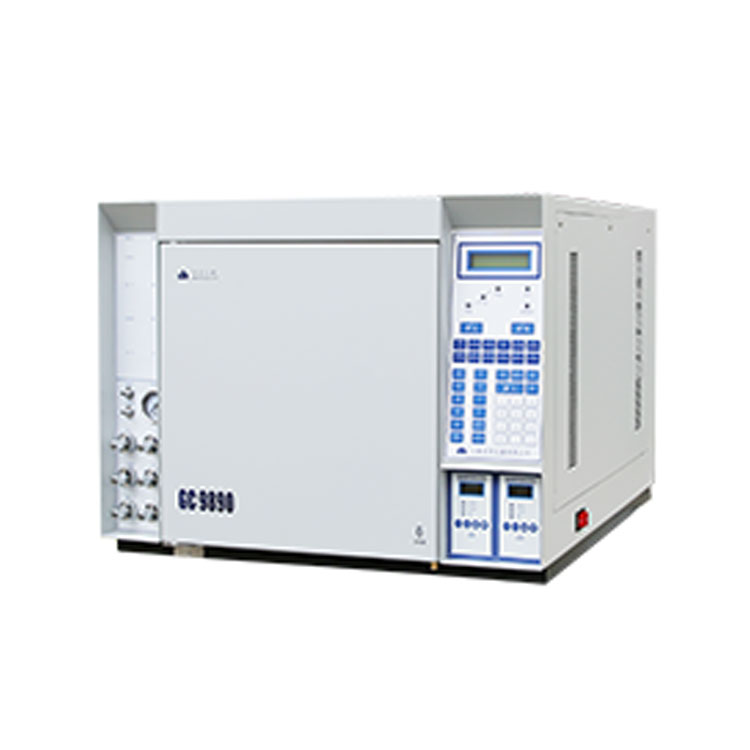
For the routine use of gas chromatographs, it is recommended to develop good operational habits and to perform some routine checks on the instrument before turning it on, which mainly include the following:
1Inspect the infeed port.Sample padNo Chinese content provided.Tube sleevesONo Chinese content provided. Please provide the news content to be translated.Whether to replace;
2Inspect if the gas purification unit requires replacement.
3Ensure that the chromatographic column is installed and the correct column has been selected.
4Open the cylinder and check if the pressure is sufficient.
5、Maintain accurate gas chromatography instrument usage recordsIncluding usage details, dates of use, purpose, cylinder pressure records, cylinder replacement records, instrument maintenance records (such as sample pad and liner replacement records).
About Sample Pads
Sample pad(Injection Pads, Sample Splitter Pads) areGas ChromatographyAn essential component of the instrument's sample inlet, it primarily serves to seal the inlet. During the analysis process, the sample needle must pierce through the sample pad to inject the sample into the inlet. Overuse of the sample pad can lead to air leakage in the inlet, resulting in poor repeatability of the injection, low response values, and even issues where the instrument's sample inlet pressure cannot be ready..
Good sample pad usage habits include:1) Set a prompt for the number of times to load samples on the instrument; 2) Keep a usage log based on frequency of use, or specify a change on the first day, week, or month. This makes it easier to identify issues when they arise.
About the tube衬管ONo Chinese content provided for translation.
The liner is a crucial component of the gas chromatography injector, playing a role in assisting sample volatilization, trapping high-boiling-point, non-volatile substances, and impurities, protecting the chromatographic column, and providing分流 isolation channels, among other functions.OO-rings primarily serve the purpose of sealing.
No Chinese content provided for translation.O-rings should be handled similarly to inlay pads, with a usage log kept based on frequency of use and replaced regularly. This makes it easier to identify and address issues when they arise.
About Gas Purification Equipment
In gas chromatography analysis, gas purification units are an indispensable component. On one hand, air generators used in the instruments are all equipped with gas purification units to ensure the quality of the generator's supply. On the other hand, gas purification units are often installed in the gas pipelines between the gas source and the chromatography instrument to prevent contamination of the gas source. Overall, the function of the gas purifier is to ensureGCEnhanced analysis quality and stability of results, extended lifespan of chromatographic columns, and reduced noise in detectors. Common gas purification devices used in gas chromatography typically include three types: dehydrator, initial hydrocarbon trap, and oxygen scavenger.
The replacement time for gas purifiers depends on the gas capacity and purity. Generally speaking, everyReplace non-indicative traps when the color changes within 6 to 12 months or upon the change of the indicative trap.
Installation of Chromatography Columns
The core of gas chromatography analysis is the separation of components through the chromatographic column. Therefore, it is essential to select different columns based on the actual detection items. Before using the instrument, one should confirm that the column installed on the instrument is the type specified in the detection method and standards. Additionally, when using capillary columns for analysis,The installation length of capillary columns is strictly required.On one hand, changes in the installation length of the capillary column will affect the reproducibility of gas chromatography analysis; on the other hand, incorrect installation of the capillary column can lead to a significant decrease in sensitivity, even resulting in no peaks for the substances to be tested.
Steel Cylinders and Cylinder Regulators
In the laboratory, gas chromatographs require nitrogen, helium, argon, and air as gas sources. Cylinder gases are widely used in labs due to their controllable quality stability, ease of replacement, convenient operation, and ability to provide stable gas supply, making them suitable for scenarios with a large number of instruments and high gas consumption.
Using steel cylindersCylinders must be stored and handled in accordance with legal and regulatory requirements. Special attention should be paid to the proper securing of cylinders when placed upright to prevent them from toppling over: the top must be securely fastened, either by individually attaching to the wall, placing in a frame, or using a stability device; commonly used methods for securing gas cylinders include chains or sturdy straps; during use, the gas inside the cylinder must not be completely depleted, and the remaining pressure in a compressed gas cylinder must not be less than...0.05 MPa: In practical use, a good gas cylinder usage ledger should be established to record daily consumption; for gas chromatography in laboratories, low pressure inside the cylinder can affect the baseline, therefore,Please suggest below company news content translated into American English, if there is no Chinese content, then return it as is: "Suggest at below"At 1 MPa, replace the cylinder.。When using a pressure reducerDo not stand in front of or behind the pressure reducer when opening the cylinder valve.To prevent bursting and injury when the gauge cap is damaged – the cylinder valve should be slowly opened until the high-pressure gauge fully indicates the gas source pressure.
Contact us

Service Hotline
13391046116
Company Telephone
021-65352003

Address
No. 1300, Lane 1300, Yangpu District, Shanghai, China, Building 11, Hesheng Tea Shore Cultural and Creative Park
b2b.china9.net © Zhongshang 114 Hebei Network Technology Co., Ltd.Address: Room 6009, Oriental New World Center, No.118 East Zhongshan Road, Qiaoxi District, Shijiazhuang City, Hebei ProvincePlatform Service Hotline: 4006299930