
 Composite lightweight aggregate concrete LC7.5 in stock, ready to ship immediately.
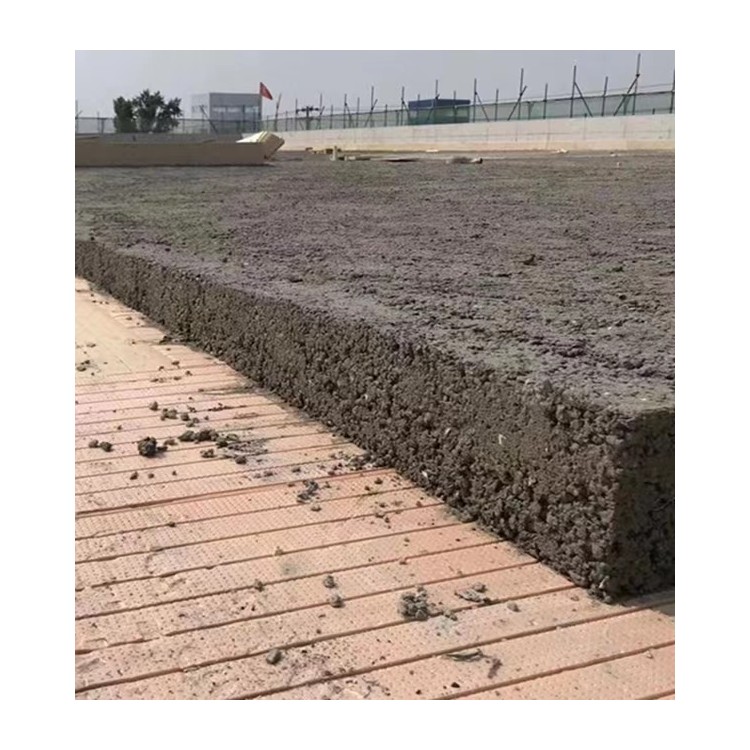 Foam Concrete - In Stock Supply
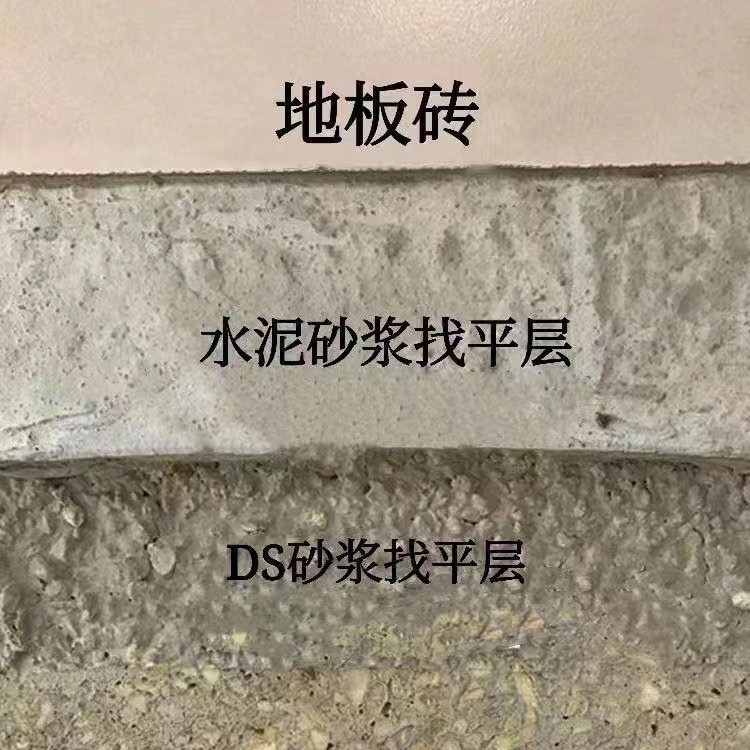 Backfilled Lightweight Concrete Manufacturer
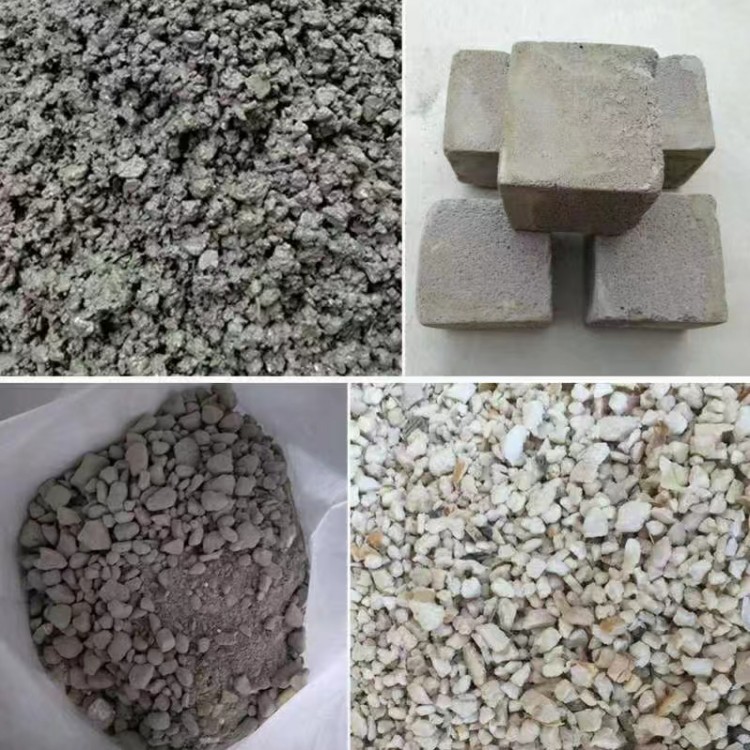 Dry Mix Lightweight Aggregate Concrete | Bulk Manufacturer | Lightweight Aggregate Concrete
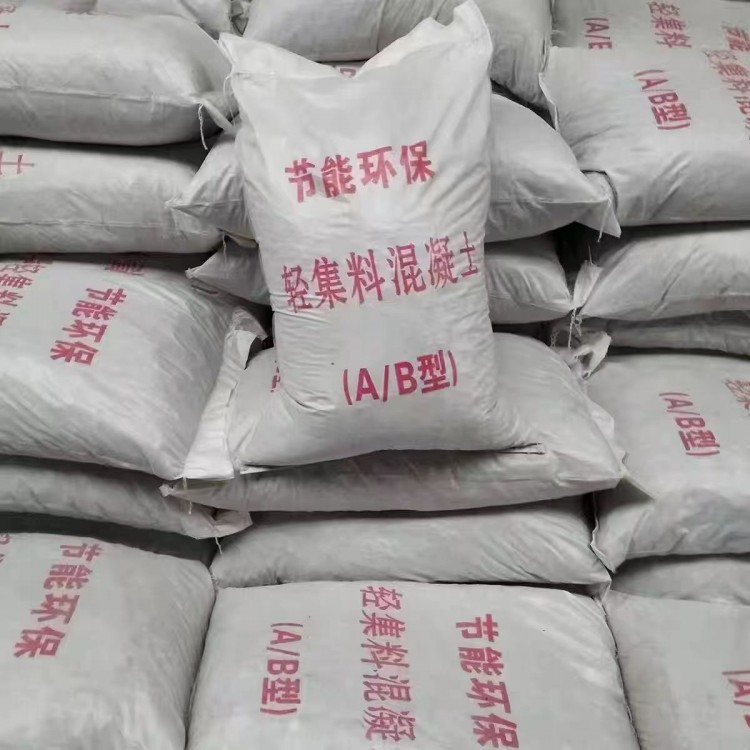 Inorganic lightweight aggregate concrete, ready stock, instant dispatch
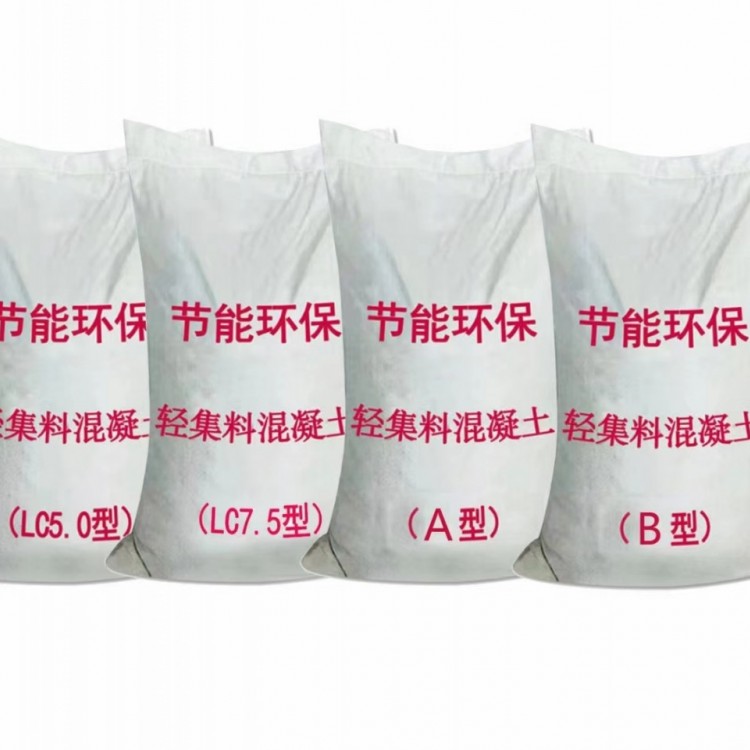 Type A Lightweight Aggregate Concrete Supplier Lightweight Concrete
Product Details

A/B Type Lightweight Aggregate Concrete, LC5.0 and LC7.5 Lightweight Aggregat...
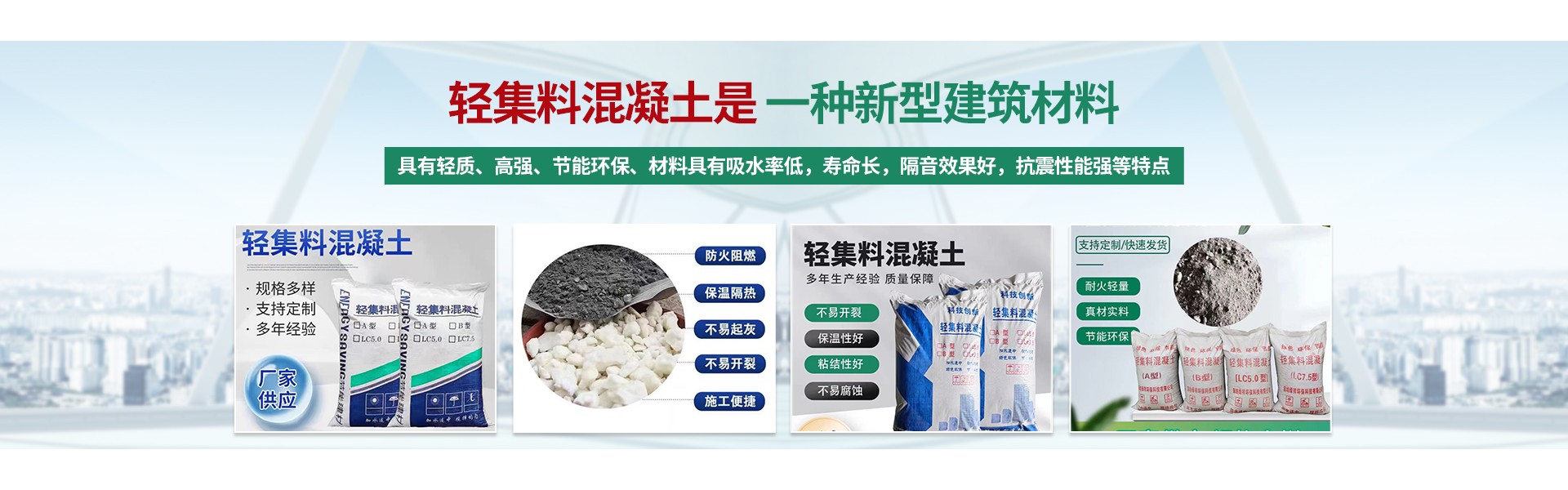
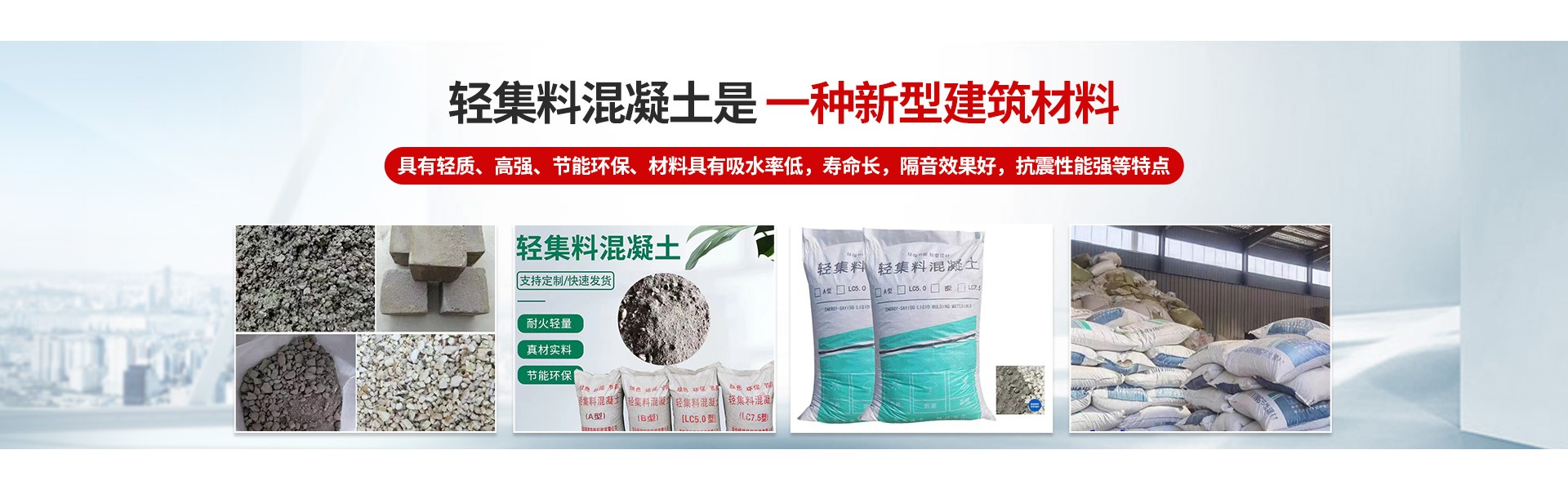
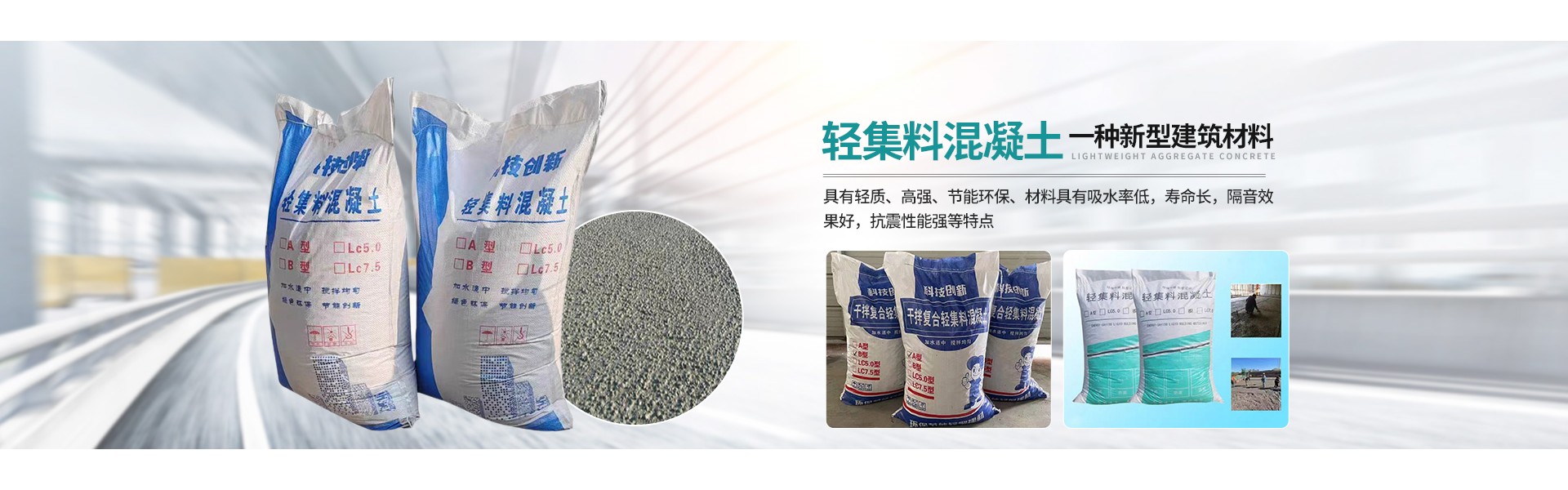

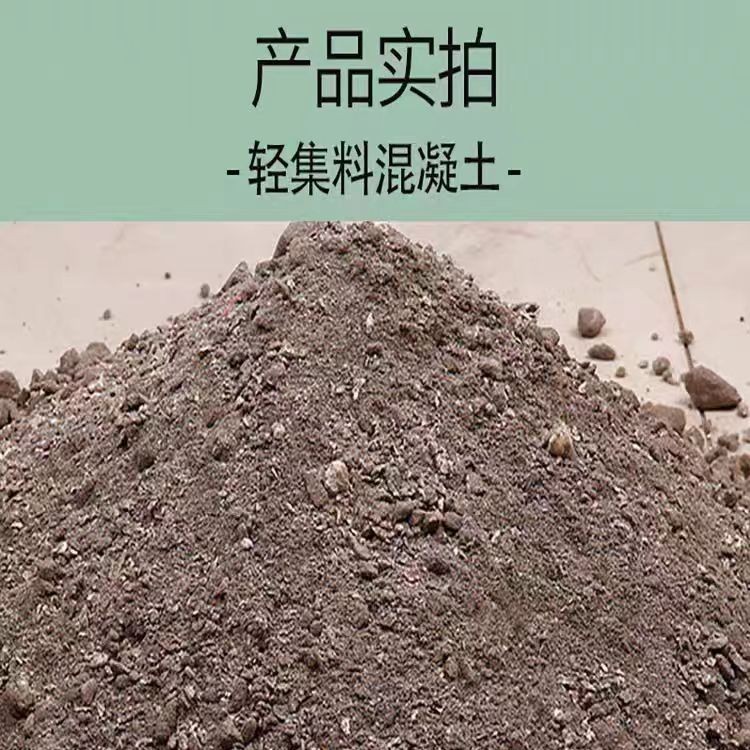
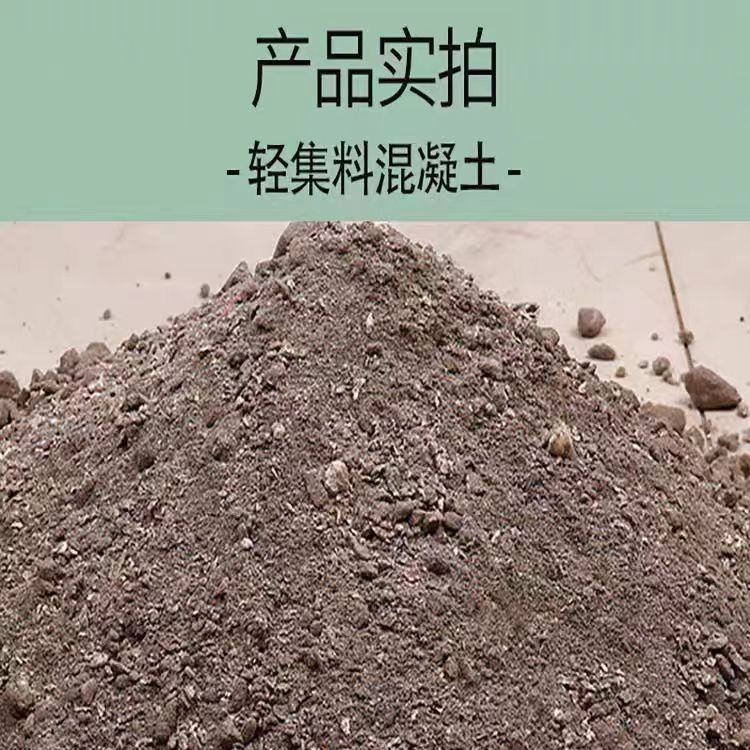
产品Price 4.00/kg
最小起订Quantity:1 kg 供货总Quantity: 9999 kg


Performance |
|
Available for sale |
National |
Material |
National Standard |
Concrete is a widely-used building material in the construction and engineering sectors, composed of water, cement, and aggregates (such as sand, gravel, or crushed stone). Its excellent properties make it an essential component of modern architecture and infrastructure. Below, we will delve into the composition, characteristics, applications, and trends of concrete. The main components of concrete include water, cement, and aggregates. Cement serves as the binder in concrete, with Portland cement being commonly used. Water activates the hydration reaction of the cement, causing it to harden. Aggregates are a crucial part of concrete, typically divided into coarse aggregates and fine aggregates. Coarse aggregates are usually crushed stone or gravel, while fine aggregates are mostly sand. The proportions and quality of these components directly affect the strength, durability, and workability of concrete. Concrete boasts various excellent properties: High-tensileConcrete, after proper curing, exhibits excellent compressive strength, suitable for bearing heavy loads. DurableConcrete can withstand erosion from various environmental factors such as water and chemicals. Proper mixing ratios and adequate maintenance can significantly enhance its durability. EconomicalRaw materials are abundant and relatively inexpensive, offering a high cost-performance ratio. Malleability and workabilityIn its non-cured state, concrete can be molded to suit various complex structures as required. Soundproofing, thermal insulationFeatures noise and heat insulation, suitable for construction use. Concrete has a wide range of applications, primarily including: Building StructureResidential, commercial buildings, and public structures all primarily use concrete for the load-bearing components. InfrastructureConcrete serves as the cornerstone for infrastructure construction, such as bridges, roads, dams, and tunnels. Pre-fabricated componentsPre-cast concrete components (such as wall panels, floor slabs, beams, etc.) assembled on-site from the factory can improve construction efficiency. Art and LandscapeConcrete is not only used for functional buildings but also widely employed in artistic creations such as sculptures and garden landscapes. With the advancement of construction technology and the promotion of sustainable development concepts, concrete materials are also evolving. Eco-concreteDevelop eco-friendly concrete with low or zero carbon emissions, reduce cement usage, employ recycled aggregates and alternative materials, and minimize environmental impact. High-performance concrete: Includes self-compacting concrete and ultra-high-performance concrete, which boast superior mechanical properties and durability, meeting the higher requirements of modern architecture. Intelligent ConcreteUtilizing technologies such as sensors, the concrete is equipped with self-diagnosis and self-repair functions, enhancing its durability and safety. 3D Printed ConcreteUtilizing 3D printing technology, we can achieve highly complex structures and shapes, improve traditional construction methods, and reduce labor costs. Concrete, as a vital construction material, plays an indispensable role in the building and engineering sectors due to its unique physical and chemical properties. With the advancement of technology and the increasing environmental awareness among people, the research and application of concrete will continue to evolve towards higher efficiency and environmental sustainability. The future of concrete will not only ensure structural safety but also protect the ecological environment, aiming for sustainable development goals. Through continuous innovation, concrete will continue to be a key player in modern architecture and infrastructure.I. Composition of Concrete
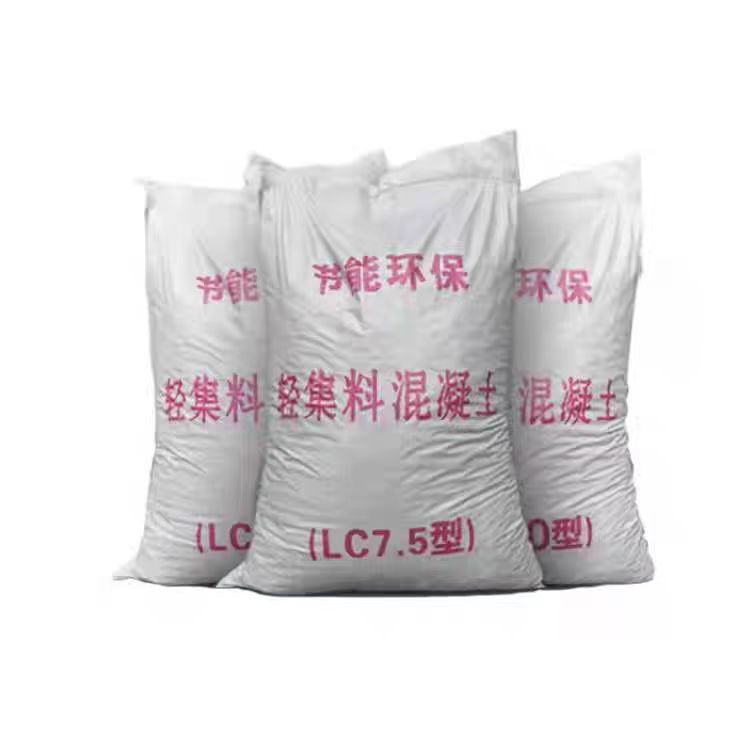
II. Properties of Concrete
Section 3: Applications of Concrete
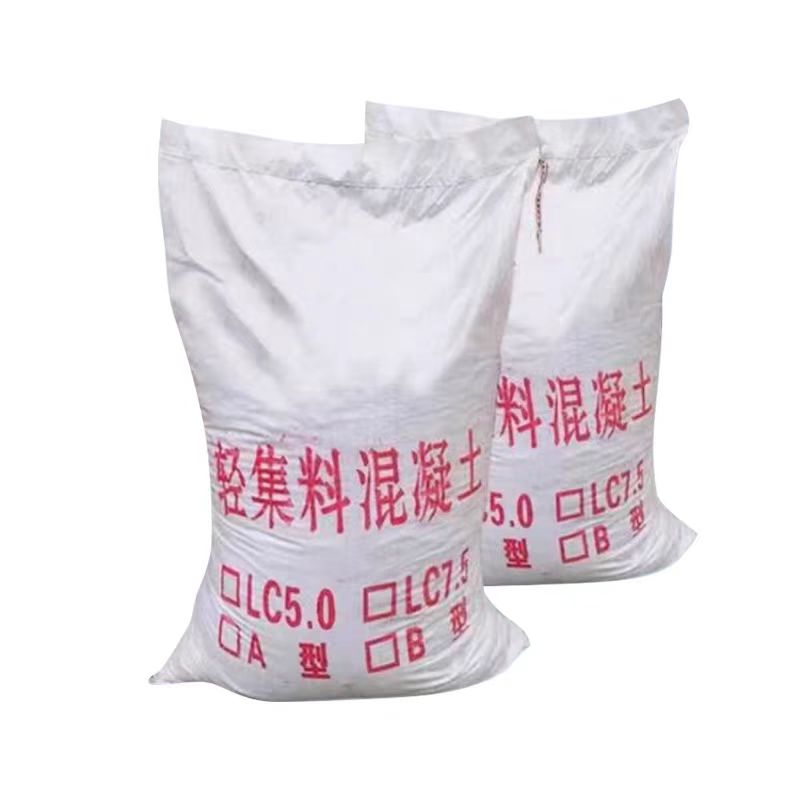
IV. Trends in Concrete Development
Conclusion

Phone Consultation