



- AllProduct Category
-
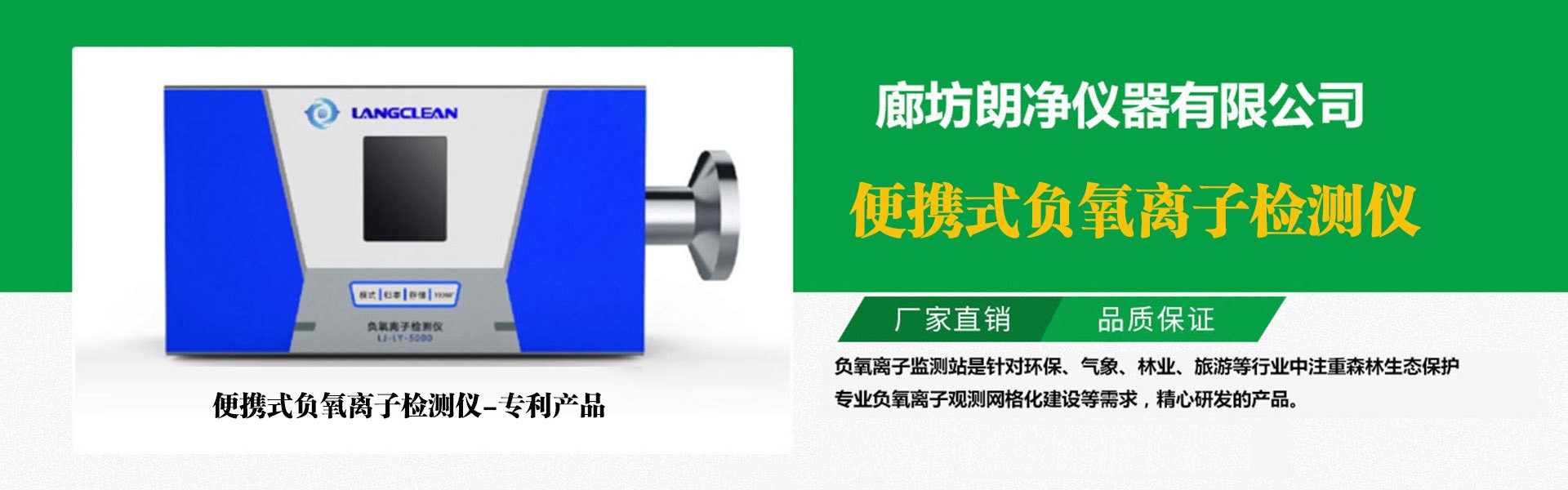
Single Portable Negative Oxygen Ion Detector
Big Data Cloud Platform Custom Software Development
Campus Science and Meteorology Station
Smart Agricultural Comprehensive Monitoring Station
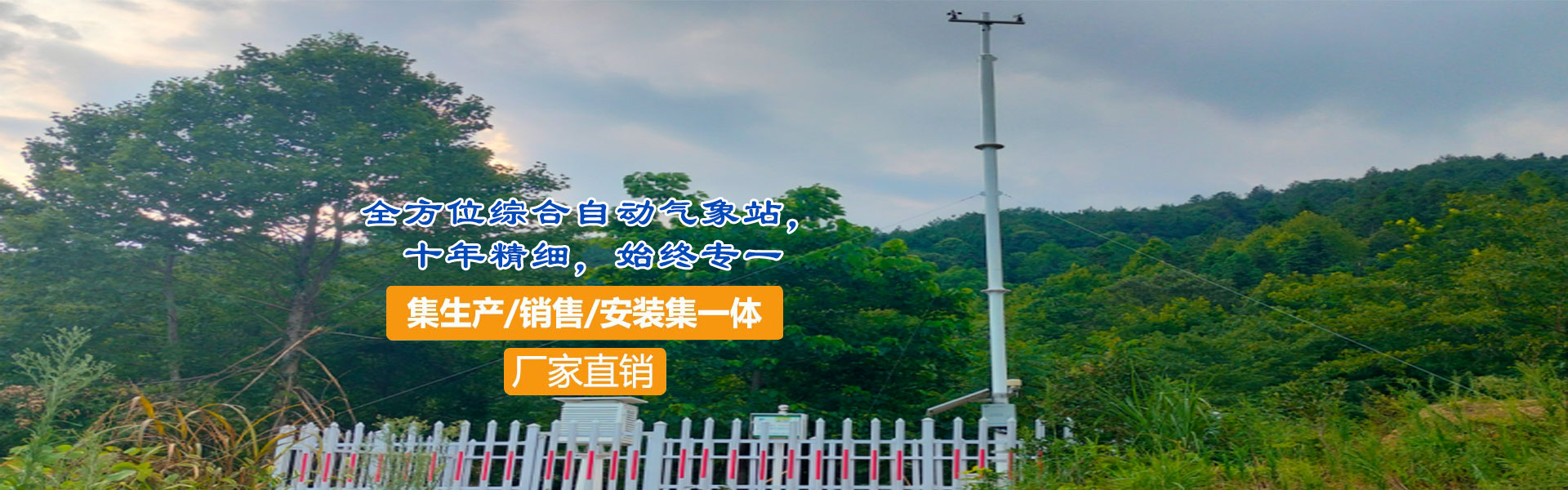
All-in-One Automated Weather Station
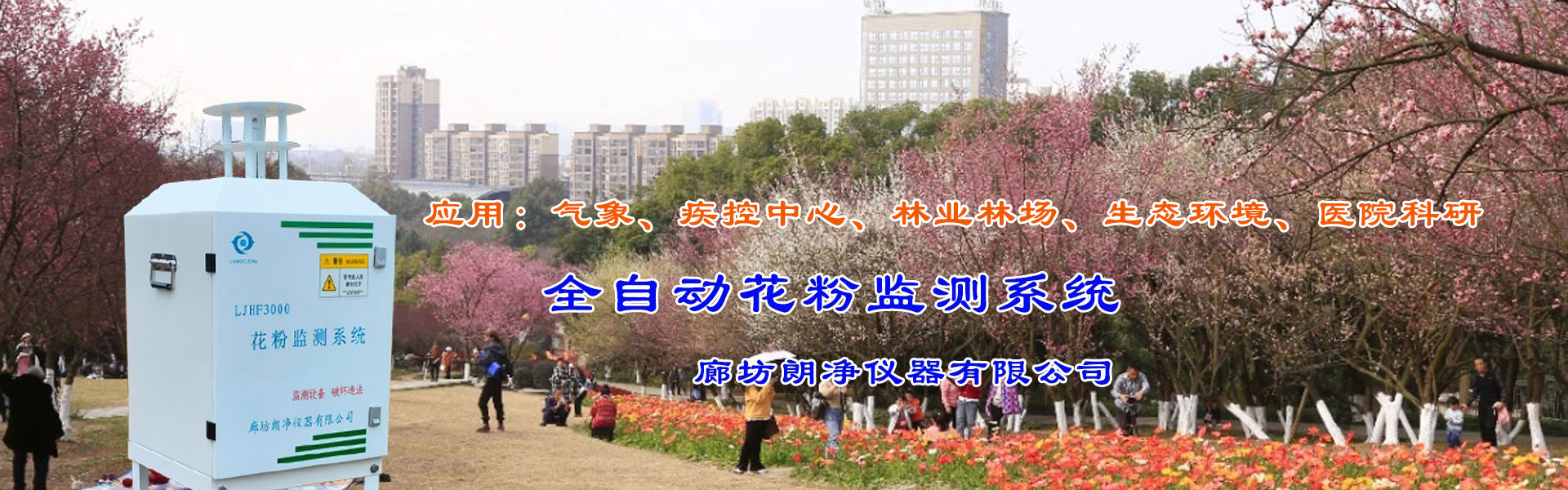
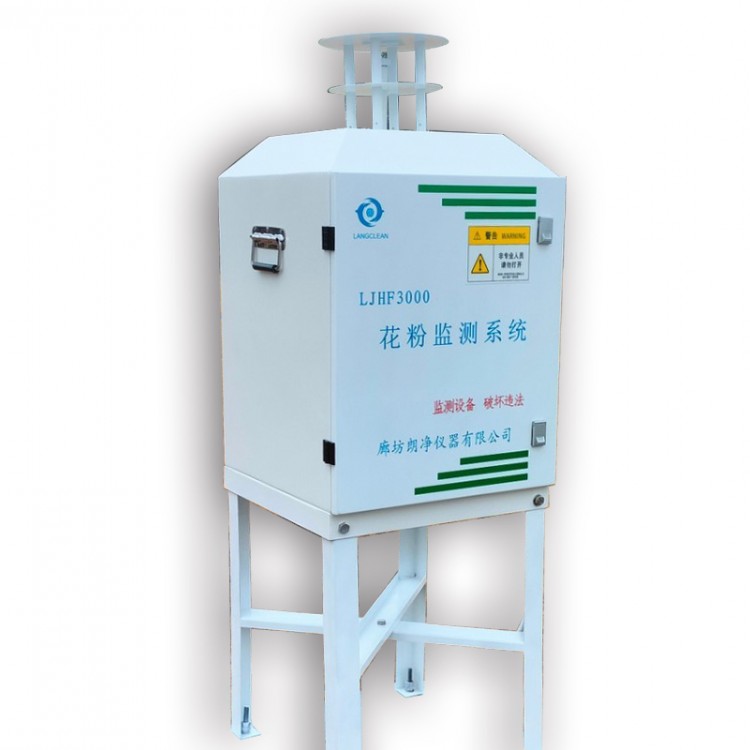
All-in-One Pollen Monitoring System
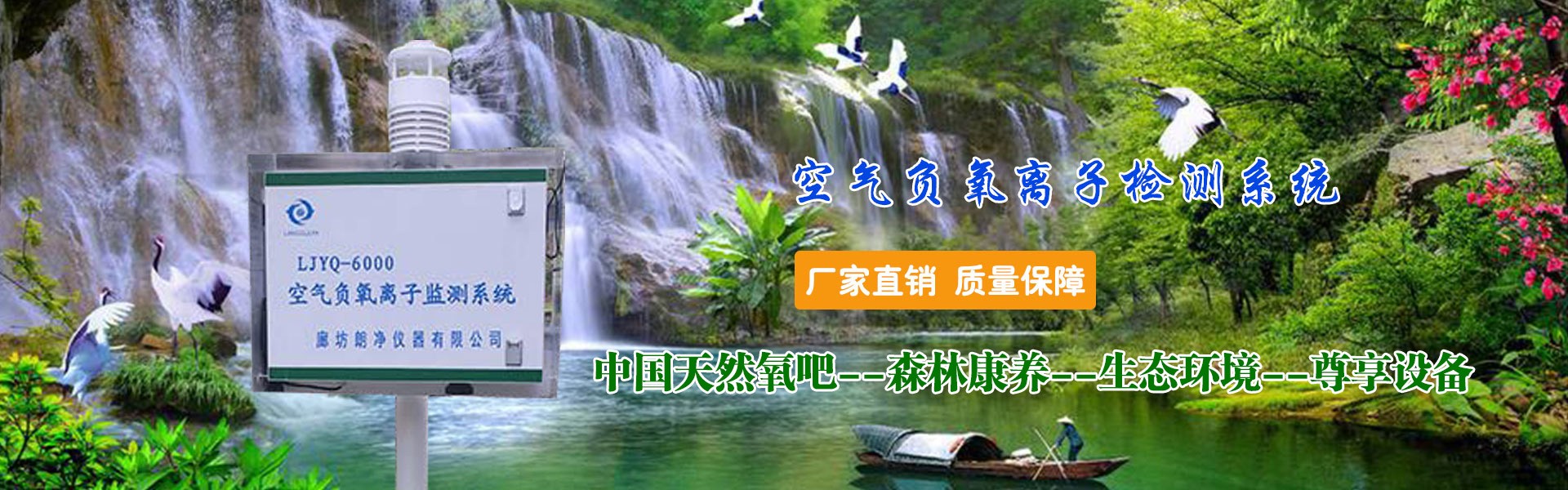
Oxygen Ion Monitoring System



详情描述
I. Project Background:
Chairman of the CPC Central Committee“Technology Tri-Conferences”Up to the point mentioned:“Technology innovation and popularization of science are the two wings of innovative development. We must place equal importance on the popularization of science as we do on technological innovation.”
The Ministry of Education clearly stated in the Notice of Issuing the "Science Curriculum Standards for Primary School Compulsory Education."“Teachers should enhance guidance in the process of practical inquiry, emphasizing the combination of hands-on and brain-based learning, strengthen students' awareness of problems, and cultivate their spirit of innovation and practical abilities.”Additionally, the Ministry of Education issued a notice "To Strengthen the Training of Primary School Science Teachers," emphasizing the importance of primary science education in enhancing citizens' scientific literacy and building an innovative nation. It requires that the allocation of full-time teachers be considered a key part of the teacher team construction and incorporated into supervision and evaluation. It supports the establishment of cooperative relationships between normal universities, research institutions, science museums, museums, observatories, botanical gardens, and other science popularization education bases, as well as high-tech enterprises. This aims to fully utilize social science popularization resources and the first-hand scene of technological innovation to conduct teaching and research, optimize teacher training, and comprehensively enhance the capacity of related professional students in normal universities to innovatively carry out science education activities for primary school teachers.
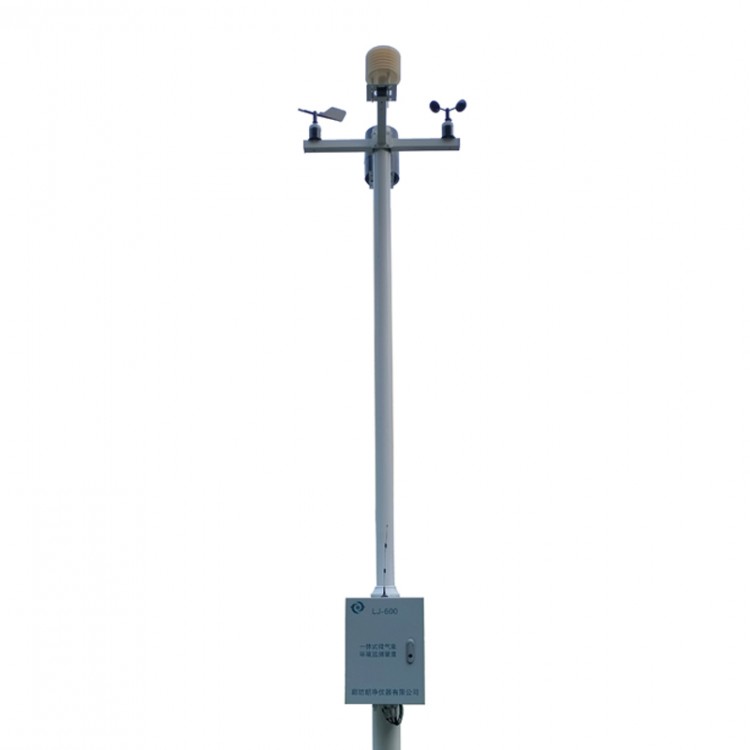
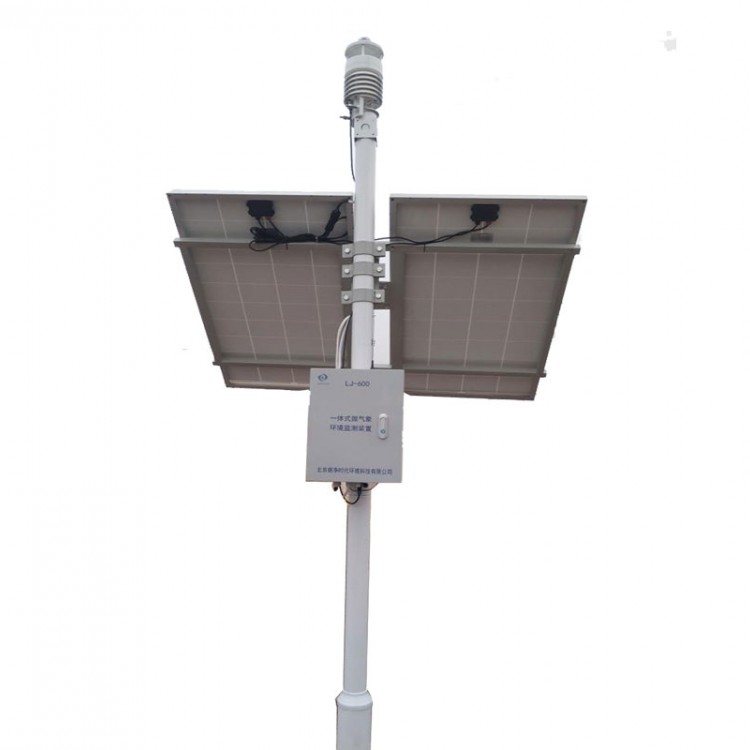
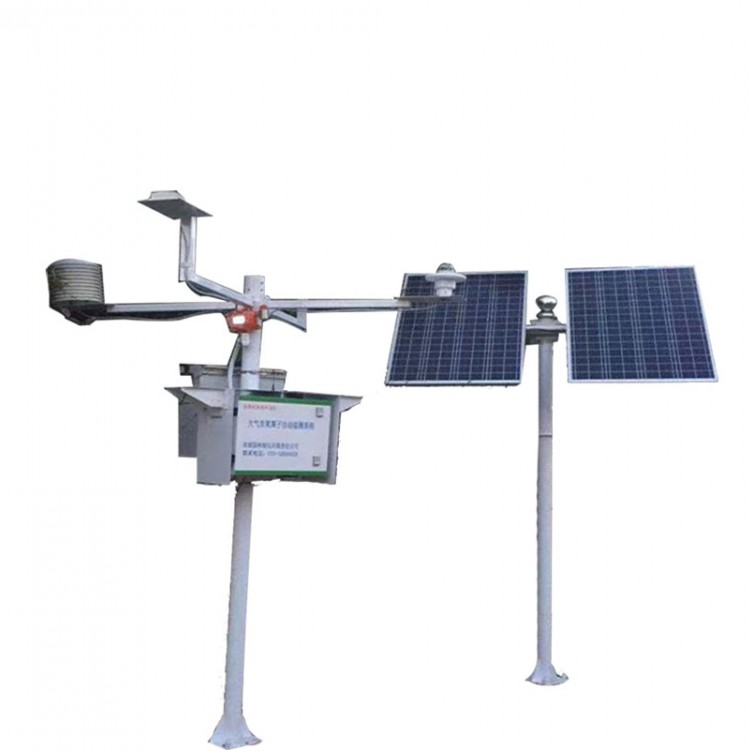
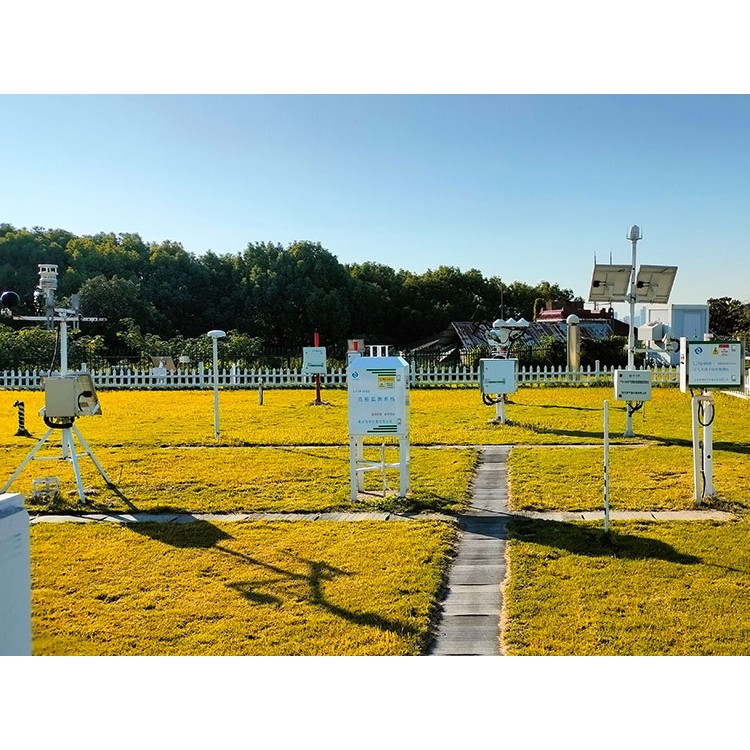
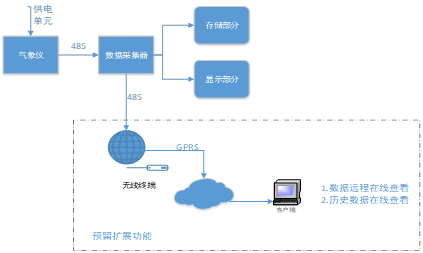
A school meteorological station is a professional meteorological site established on campus for observing, recording, and transmitting weather information. It is primarily used for meteorological science education and data collection and analysis. The school meteorological station offers various functions, such as real-time monitoring of temperature, humidity, wind speed and direction, rainfall, air pressure, ultraviolet radiation, evaporation, noise, soil temperature, and soil moisture, among other meteorological parameters; equipped with automatic meteorological station monitors and sensors; and provides standardRS232/485Communication Function, SupportedMODBUSCommunication protocols, available via wired and mobile wirelessGPRSThe system consists of various communication methods such as wireless data transmission radios and meteorological computers for meteorological monitoring; it features data storage capabilities, supports real-time clock, scheduled storage, parameter settings, and power failure protection; the equipment is typically equipped with auxiliary devices such as solar panels and storage recorders; it boasts high safety protection capabilities and can operate stably in harsh outdoor conditions. The meteorological education in schools objectively reinforces, deepens, extends, and supplements textbook knowledge; the school meteorological station serves as a scientific inquiry platform based on meteorological topics; it is beneficial for cultivating students' scientific qualities; it not only provides real-time meteorological information but also assists students in practical learning. By participating in the management and operation of the meteorological station, students can learn practical skills such as meteorological observations, data recording, and analysis, enhancing their scientific awareness and practical operational abilities. Additionally, the school meteorological station is of great significance in optimizing the school's scientific education environment, improving young students' scientific awareness, enlivening extracurricular activities, and enhancing their practical geographical observation capabilities.
Part II: Components
Sensor Section: The primary function of the sensor is to monitor meteorological element information, to obtainCO2Pressure, rainfall, wind speed, wind direction, luminosity, air temperature and humidity, soil temperature and humidity.PM2.5/PM10Select various types of sensing equipment based on meteorological elements, specific monitoring requirements, and scenarios.
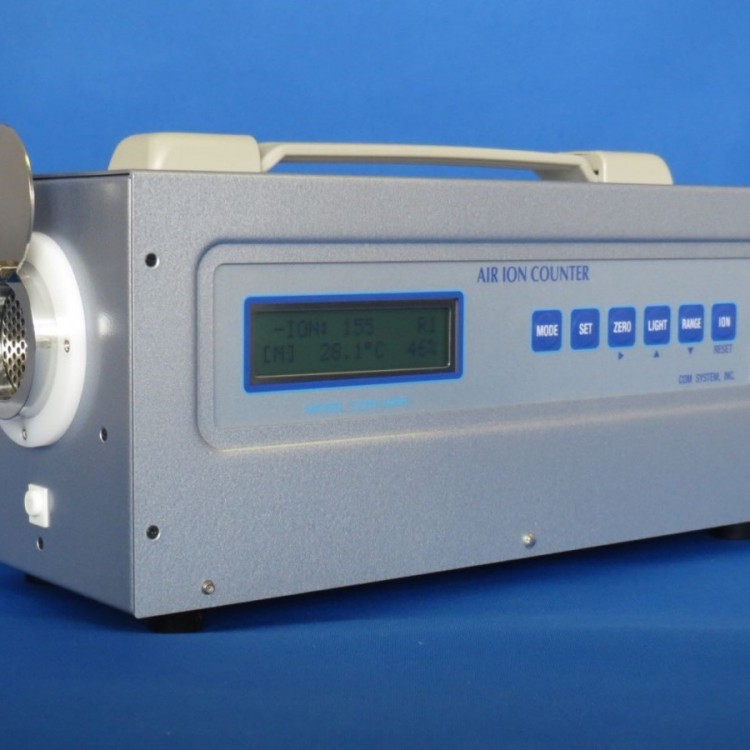
Data Transmission Module: Primarily responsible for data aggregation and transmission, implemented in the form of a protective host, through4GWireless transmission to the smart meteorological monitoring platform. Additionally, the main unit incorporates a negative oxygen ion monitor, enabling the acquisition of oxygen ion conditions.
Intelligent Weather Monitoring Platform: Developed based on the Internet of Things cloud platform, it serves as the core platform for meteorological station data management, primarily responsible for data display and storage. It is compatible with Android/IOSMobile PhoneAPPComputer web page/The software interface displays, and data can also be integrated intoLEDThe monitor screen displays, convenient for viewing anytime, anywhere.
Power Supply System: The weather station is equipped with both solar panels and grid power, providing electricity for the station. Considering the convenience and cost-effectiveness of the grid power distribution in the campus, either power supply method can meet the operational needs of the weather station, ensuring7-10Day's power supply
Bracket: Primarily used for placing sensors, transmission modules, solar panels, and other equipment, featuring corrosion and waterproofing functions.
III. Management and Operation
Upon the completion of the campus meteorological station, scientific management and operation are required. Specific measures include:
1.Regular maintenance checks: Conduct daily maintenance and care for equipment, and promptly replace any damaged parts.
2.Data Collection and Analysis: Regularly collect and analyze meteorological data to generate weather reports or academic research papers.
3.Weather Alert Issued: Timely release of relevant warning information when adverse weather conditions arise, reminding faculty and students to take appropriate precautions.
4.Educational Outreach Programs: Organizing science popularization activities to inform more students about meteorological knowledge.
IV. Technical Parameters of Meteorological Sensor
Monitor Detector Parameters Table | |||
Serial Number | Sensor Name | Model | Parameters |
1 | Air Temperature | LJYQ-WD02 | Measurement Range: -40~70℃; Resolution: 0.1℃; Accuracy: ±0.2℃; |
2 | Air Humidity | LJYQ-SD02 | Measurement Range: 0~100%RH; Resolution: 0.1%RH; Accuracy: ±3%RH; |
3 | Weather and wind speed | LJYQ-FS-12V-W2 | Measurement Range: 0~60 m/s; Resolution: 0.1 m/s; Accuracy: ±0.3 m/s |
4 | Weather and wind direction | LJYQ-FX-12V-W2 | Measurement Range: 0~359°; Resolution: 0.1°; Accuracy: ±3° |
5 | Atmospheric Pressure | LJYQ-68 | Measurement Range: -40 to 70℃; Resolution: 0.1℃; Accuracy: ±0.2℃; |
6 | Pm2.5 | PM02 | Measurement Range: 0 ~ 1000 ug/m³; Resolution: 0.1hP; Accuracy: ±0.5hP |
7 | Soil temperature and humidity | LJYQ-WS01 | TemperatureScope:-40-80°C; Accuracy:±0.5° F; Moisture:0-100 %RH, (Accuracy)0.53%Within scope±3%,53-100 %Within scope±5%;); |
8 | Automatic Rainfall Measurement | LJYQ-YLJ01 | Material ABS Engineering plastics, measurement range:0.01mm~3mm/min;Resolution0.2mm;Accuracy 0.2mm± Measurement Error3%; |
9 | Ultraviolet (UV) sensor | LJYQ-UV01 | Measurement Range:0-150W/m2;UV Stabilization: ≤5%/y; |
10 | Soil pH level | LJYQ-EC01 | Measurement Range:0~14Resolution:0.01pHAccuracy:±0.1pH; |
11 | Noise Sensor | LJYQ-ZS01 | Measurement Range:30db-130db;Resolution:0.1dbMeasurement Error:3%F.S; |
12 | Rain Gauge Bucket | LJYQ-YLT01 | Measuring Range: 0.12mm to 30mm/min; Resolution: 0.12mm; Accuracy: ±3% |
13 | FRP louvre box | LJYQ-BYX01 | 1Meets the technical requirements as specified in the "Guide to Meteorological Instruments and Observation Methods" published by the World Meteorological Organization; complies with the technical requirements of the "Professional Standard for Box Shelters" "ZBA4700-85" issued by the China Meteorological Administration. 2、Louver Box: Dimensions: 720(L) × 780(W) × 880(H) (mm); Weight: 40kg; 3. Bracket: Height: 1230mm; Weight: 14kg; 4. Total Height: 2095mm |
14 | LEDDisplay Panel Unit Components + Ground Cages + Frames | P10 | Pixel Composition:Single green; Module size: approx. 320mm (W) x 160mm (H);2Screen Size:StandardLong1.32m× High0.682m;(3Screen Body Structure:Outer shell is all metalCabinet-styleProtection(4Pixel Density: 10,000 points/㎡; Screen Brightness: ≥3,000 cd/㎡; Gray Scale: 4,096 levels each.5Field of View: 120° horizontal, 120° vertical; Display Lifespan: ≥210,000 hours;6Drive Mode: Dynamic Scanning; Control Method: Asynchronous Control;7)Features include time display calibration, with daily automatic network synchronization to ensure time accuracy; scheduled on/off functionality, where on/off times can be set based on foot traffic; remote text adjustments for convenient sending of temporary notifications (specific interface).。 |
15 | Educational poster boards and signs (4 hung, 3 standing) | Customized | Expert meteorological scientific explanation with illustrations. Windproof, waterproof, and UV-resistant materials. |
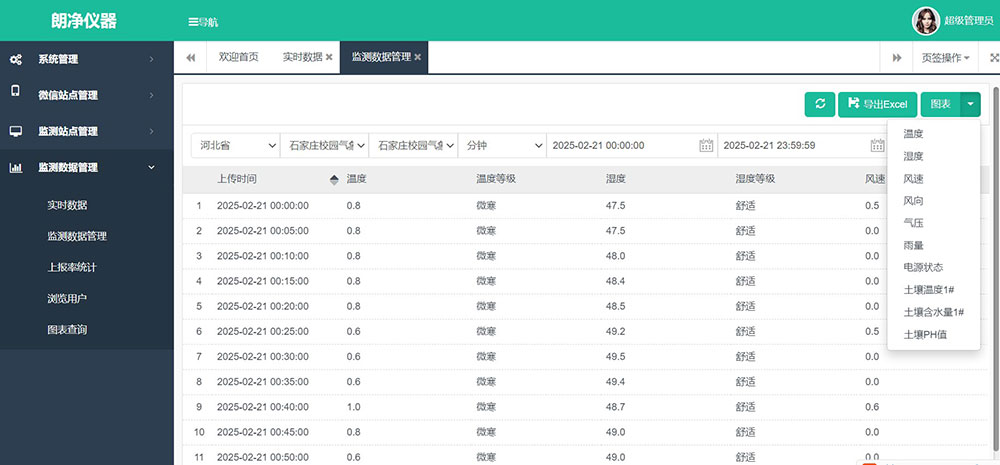
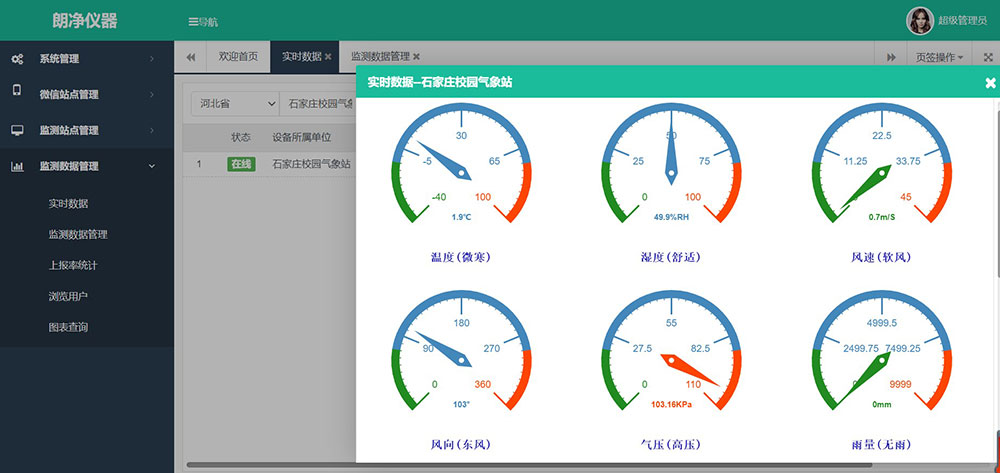
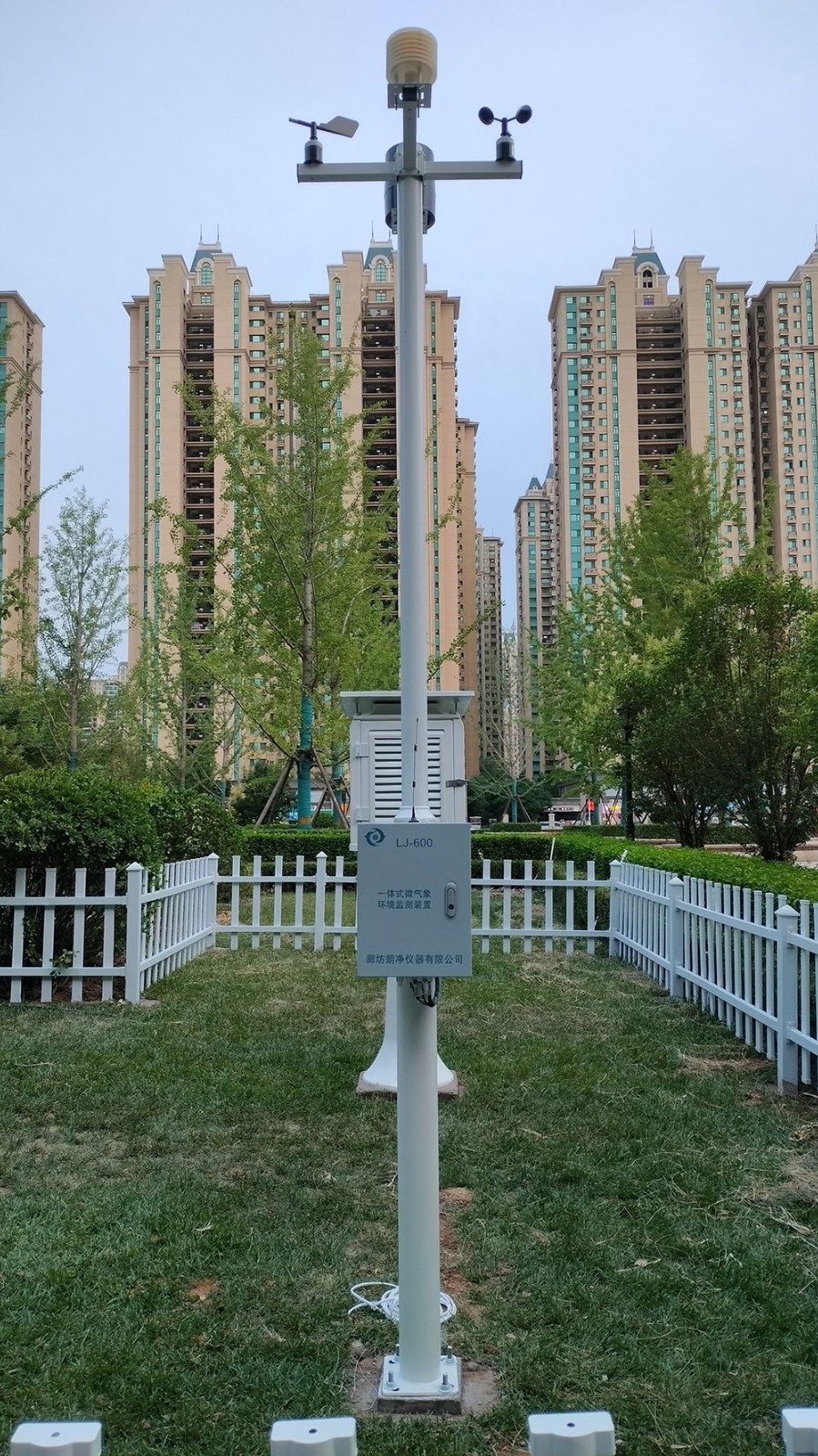
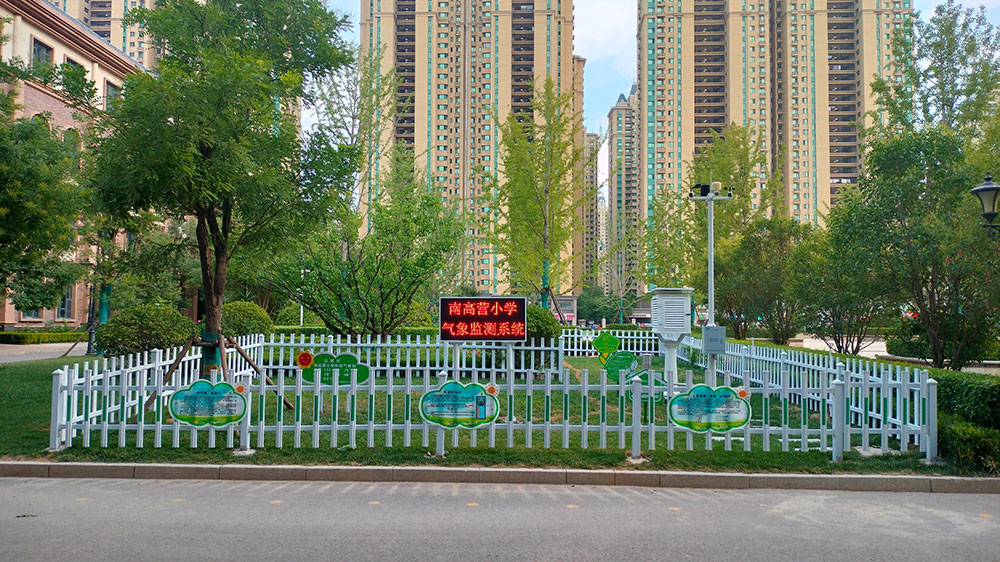
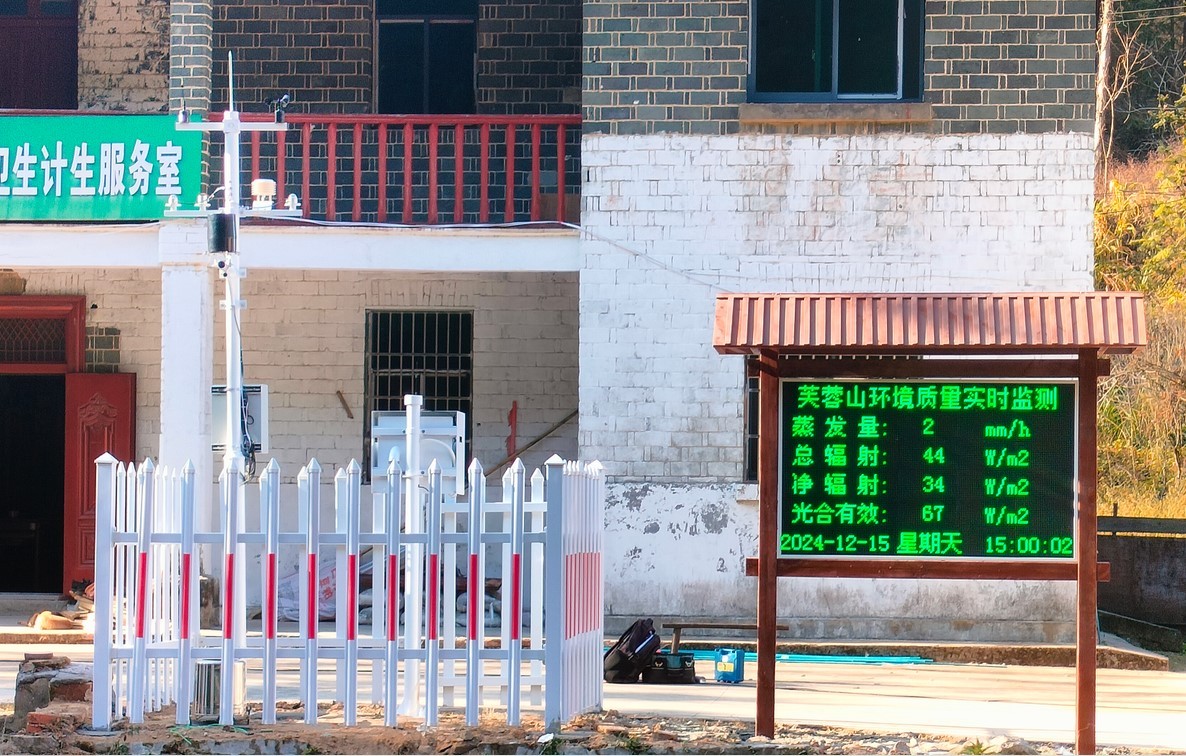
Shijiazhuang Nangaoying Primary School's 16-parameter simultaneous monitoring automated real-time meteorological science popularization observation station (already reported to Hebei Provincial Meteorological Bureau)
询价单


