




- AllProduct Category
-
Blender Category
Aeration Stirring
Screening Equipment
Suction Mud Remover
Submersible Pump
Electric Motor Products
Other Environmental Protection Equipment


详情描述
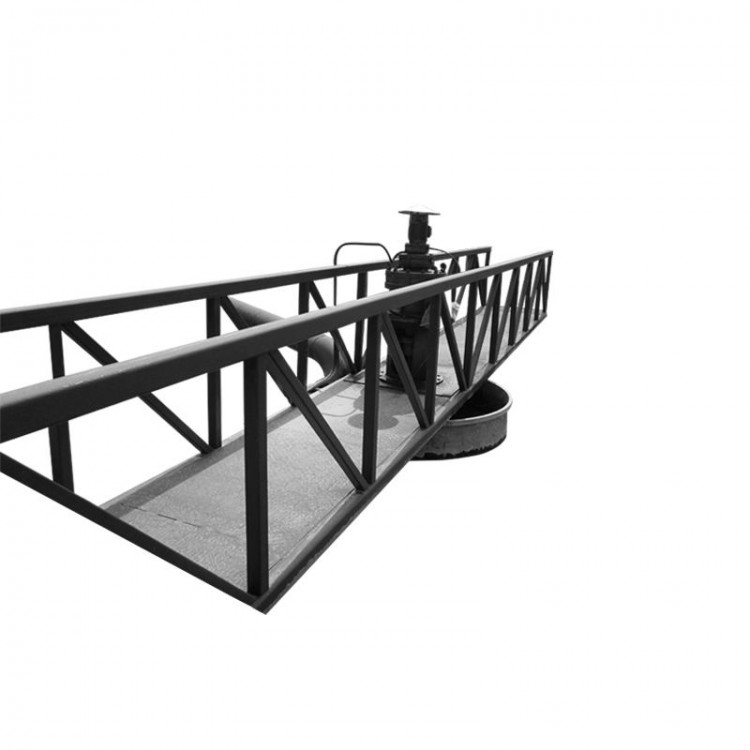
Sediment scraper, used in wastewater treatment plants and waterworks sedimentation basins, to scrape sludge settled at the bottom of the pool into the pump suction port, and then discharge it outside the pool through the pump while moving.
I. Product Introduction II. Main Features 1) Simple Structure and Lightweight: Utilizing truss structure, it is significantly lighter than traditional designs. 2) Easy Maintenance and Low Operation Costs. 3) New transmission mechanism with a shaft-mounted reducer for easy installation, compact structure, and high efficiency. 4) Caster wheels available in rubber, nylon, or steel as per customer requirements. Parts in contact with water can be made of stainless steel. III. Structure and Principle The walking dredge pump consists of a working bridge, suction pipeline, mud discharge pipeline, submersible mud pump, driving mechanism, and electric control box. The equipment is supported by four points and crosses the horizontal flow sedimentation pond, featuring double-side drive. Steel tracks are laid on both sides of the pond. It operates from one end to the other, suctioning mud along the way. It returns to its original position upon reaching the stroke control limit; stops when the stroke switch is hit; the stop time is controlled by a timer relay (1 minute to 12 hours), completing one working cycle. (Dredge pump, scraper dredge pump, wastewater treatment equipment)
Suction Sludge Pumps, used in horizontal sedimentation basins to scrape sludge settled at the bottom of the pool into the pump suction port. They continuously suck and move while walking, then discharge the sludge outside the pool, alleviating the hassle of cleaning the pool bottom. Traveling scraper machines can be equipped with float scraper blades according to customer requirements. Depending on the water flow direction, they can be set for reverse scraping and reverse waste discharge, or reverse scraping and same-direction waste discharge. The scraper blades are raised during the return stroke without scraping. When they return to the starting position of scraping, the blades drop, and this cycle repeats.
Usage:
This equipment is used for sedimentation tanks in water purification plants to remove sludge that has settled at the bottom of the tank. Depending on the tank design, it can be categorized into two types:
1. Sludge Extractor for Plainer Sedimentation Basin
2. Slanted tube sedimentation pool sludge suction machine
Features:
The B/HXN series sludge extractors are the latest generation designed based on our country's decades of design and operation experience, utilizing domestically produced components and devices that have been updated and replaced since the reform and opening-up era. They feature the following characteristics:
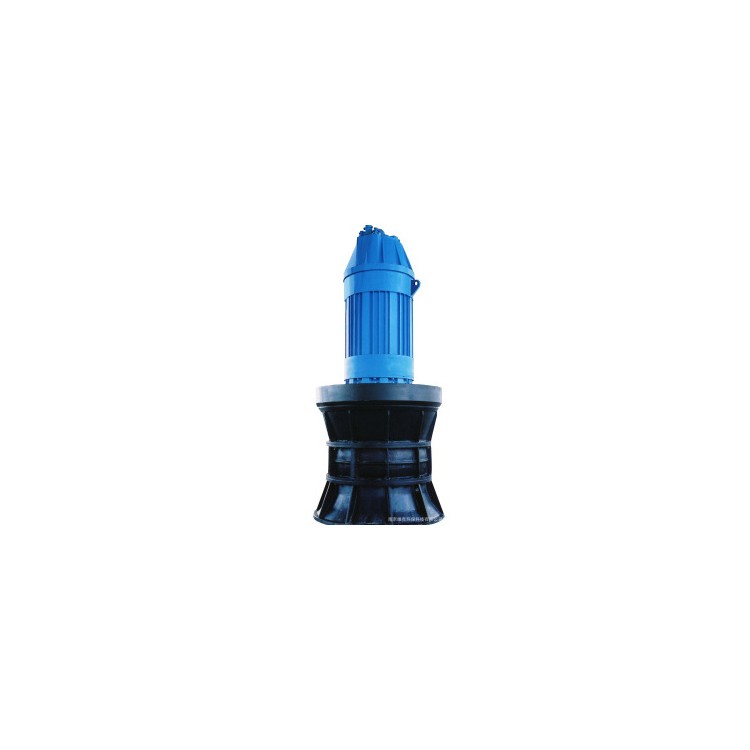
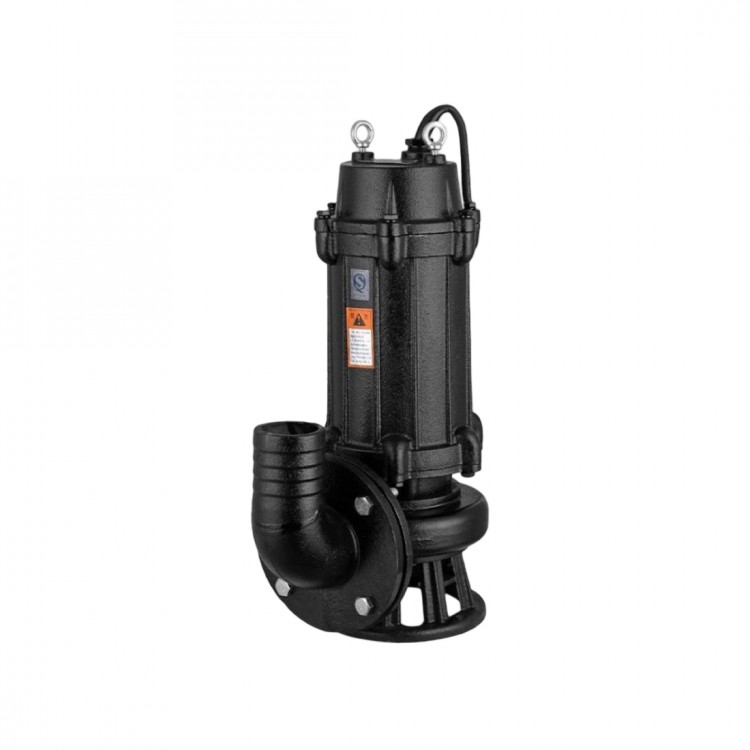
1. German technology adopted - Submersible non-clogging sludge pump, capable of full head operation, with excellent performance and light weight; overcomes the defects of wear and difficulty in installation and maintenance caused by shaft length in the past when using submersible pumps.
2. Utilizing our unique small-capacity submersible sludge pump, we achieve a sludge extraction system with each pump equipped with a single suction nozzle, ensuring smooth passage even with longitudinal water outlets and support piers at the sedimentation pond discharge end. This guarantees effective mud removal throughout the entire length of the system.
3. Dual-purpose Pump/Absorption Water-saving and Energy-saving: In sedimentation tanks with siphon mud discharge conditions, the difference in elevation between the effluent weir and mud outlet can be fully utilized. After the submersible pump starts to discharge mud, the power supply to the submersible pump is cut off, converting the pump suction to siphon. This method saves water and energy and eliminates the need for a system vacuum pump.
4. Without the need for vacuum equipment, operation is simple and easy to automate and manage with microcomputers.
5. The main beam structure is rational. For large-span horizontal sedimentation basin sludge extractors, truss or "L" type composite beams are used; for medium and small-span inclined tube sedimentation basin sludge extractors, single or double tube beams, or I-beam sections are used; particularly, the inclined tube sedimentation basin's water suction and transportation pipes serve as both passages and load-bearing components, thereby saving materials and making manufacturing and maintenance convenient.
6. Optional new type of transmission device, featuring a new product shaft-mounted or flange-mounted reducer in the drive unit—without couplings, no need for alignment, compact structure, high efficiency, and light weight.
Structure and Operating Process:
As shown in Figures 1-2, the system consists of multiple submersible non-clogging pumps, suction and delivery systems, shut-off valves, main beams, end beams, driving devices, tracks, and control cabinets. The main beam is driven by the driving devices on both ends, moving along the tracks laid on the pool's top. The submersible pumps, moving with the main beam, suction sludge from the pool bottom and discharge it through the sludge delivery pipe to the outside mud outlet. After the sludge is discharged by the submersible pump when the sedimentation tank has siphon conditions (the difference in elevation between the sedimentation tank's outlet weir and the mud outlet is not less than 3 meters), the power can be cut off to switch the mud removal method from pump suction to siphon. When it's required to stop mud removal, the shut-off valve can be opened to allow a large amount of air into the mud delivery pipe, disrupting the siphon and halting the mud removal.
Electrical Control:
The sludge pump can be automatically controlled for the number of suction cycles and stroke according to user requirements, and it also comes with a PLC interface.
询价单


