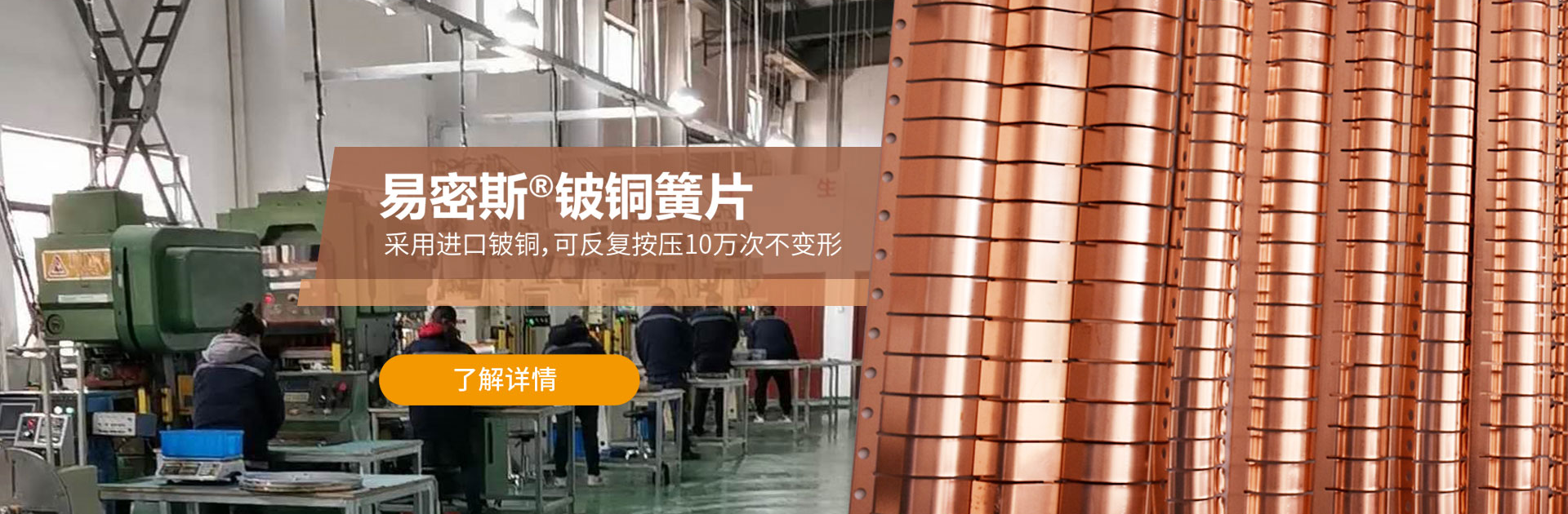
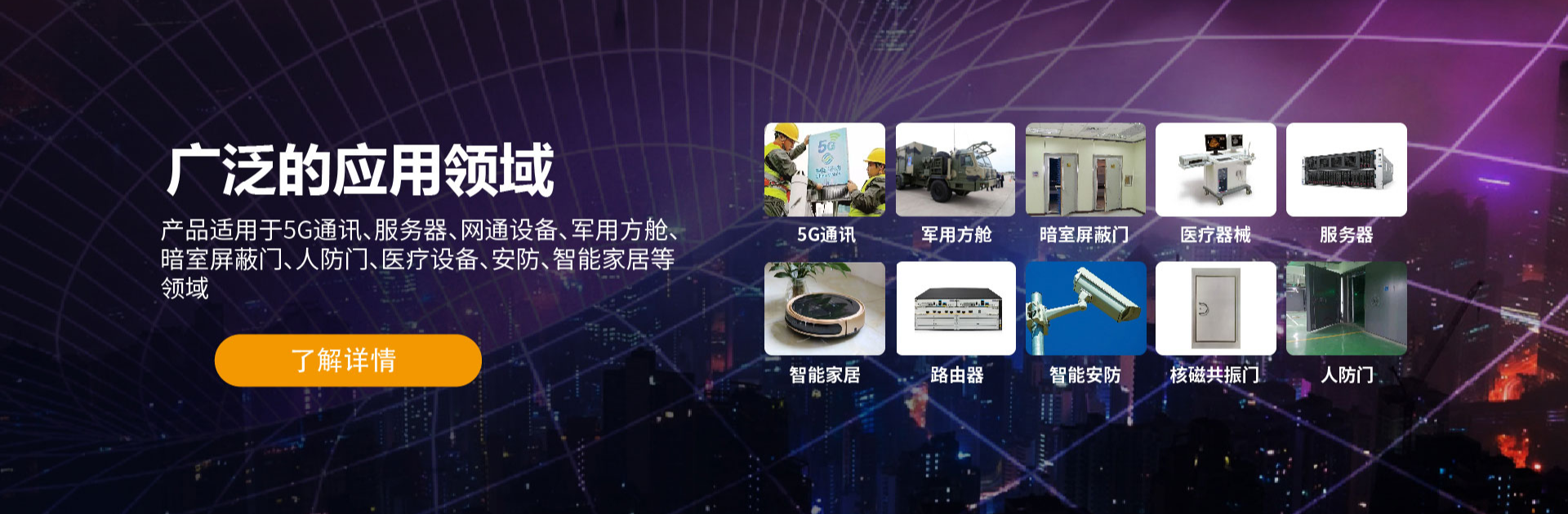
Main products include beryllium copper washers, gold-plat...


Product Recommendation
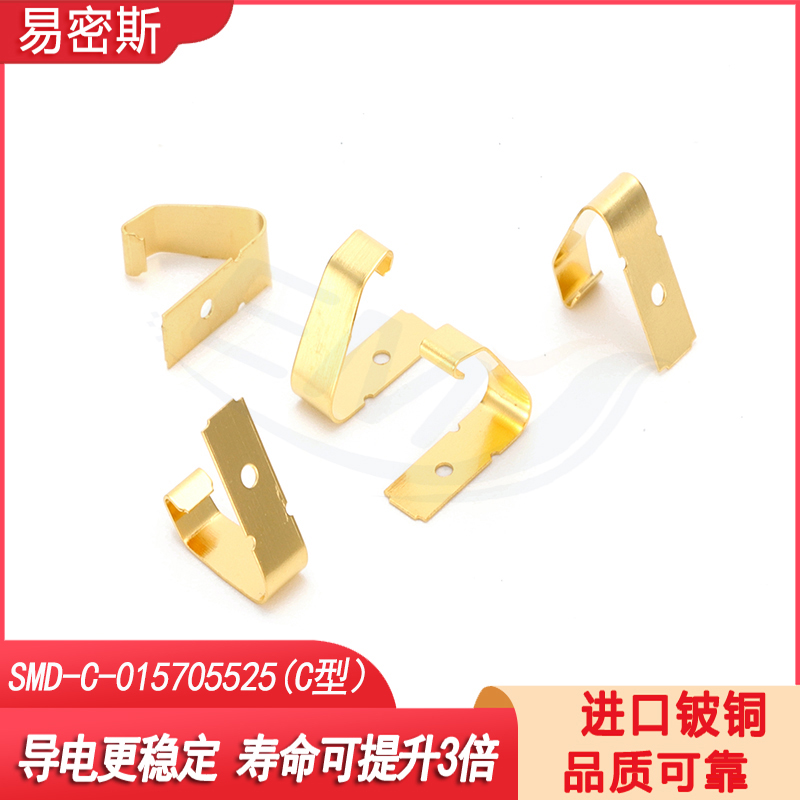
High-elastic beryllium copper spring washer, automotive electronic-specific battery contact strip, PCB contact strip, metal conductive contact strip
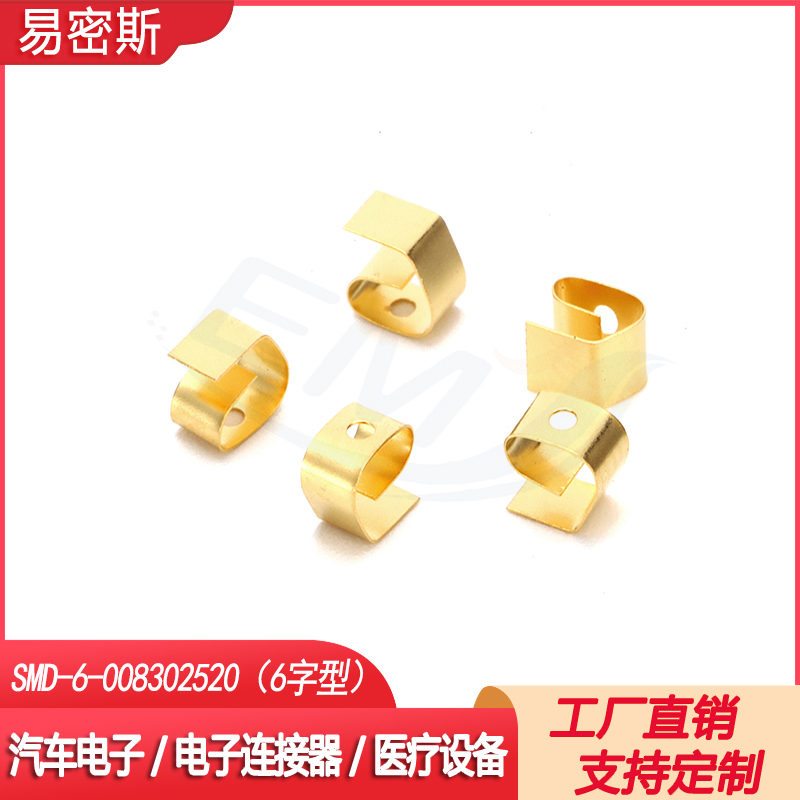
Electrical connector-specific 6-lobed spring PCB ground spring metal conductive contact spring available for customization
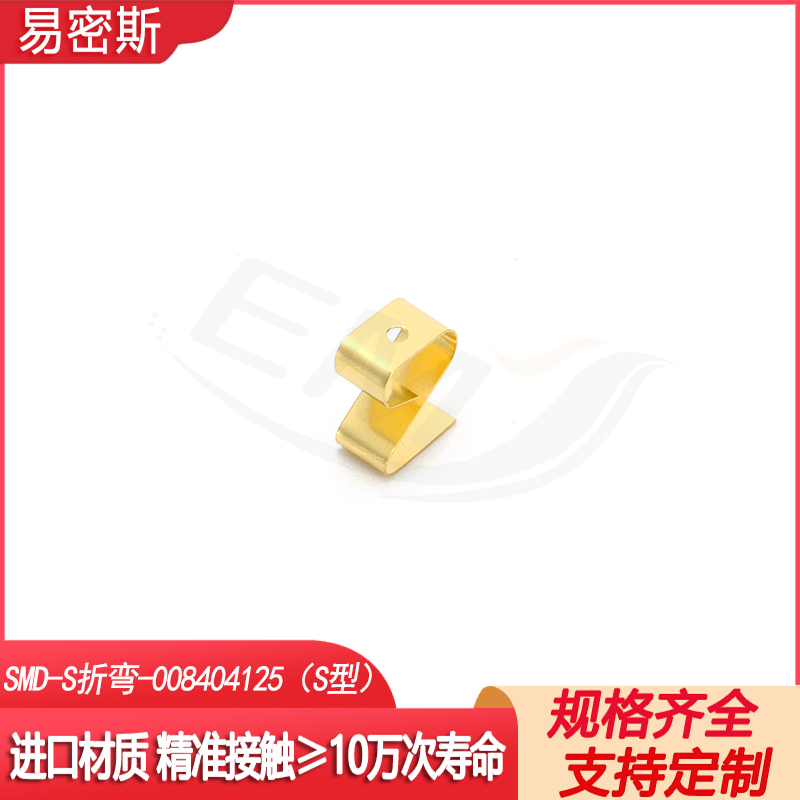
PCB metal conductive spring clip, S-bend type, imported beryllium copper elastic sheet, 0.08*4.0*4.1*2.5MM
High-elastic beryllium copper spring washer, automotive electronic-specific battery contact strip, PCB contact strip, metal conductive contact strip
Electrical connector-specific 6-lobed spring PCB ground spring metal conductive contact spring available for customization
PCB metal conductive spring clip, S-bend type, imported beryllium copper elastic sheet, 0.08*4.0*4.1*2.5MM
Cabinets, as carriers of integrated electronic systems, have been widely used in many engineering fields. The primary function of shielded cabinets is to minimize or eliminate external electromagnetic interference to different electronic devices inside the cabinet, ensuring stable operation of the equipment. The performance indicator of the cabinet's shielding effectiveness determines its quality.
In actual shielding, the electromagnetic shielding effectiveness largely depends on the structure of the enclosure, specifically the continuity of conductivity (which refers to the entire enclosure needing to be a complete, continuous conductor). This is quite challenging to achieve, as a completely sealed enclosure has no practical use. A practical enclosure will have numerous openings and gaps that compromise shielding: ventilation holes, display openings, openings for various adjustment rods, and gaps at different parts' junctions, etc. Due to the presence of these factors that disrupt conductivity, if designers do not consider how to address them during the design process, the shielding effectiveness of the shielding body is often very low, or even non-existent.
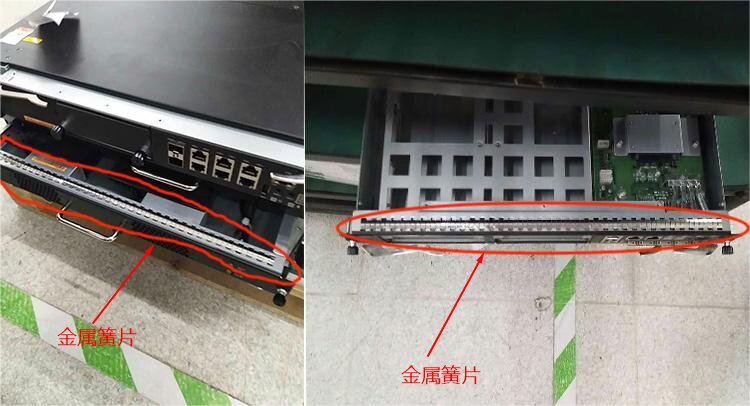
This card slot-style enclosure requires filling in the gaps for EMI treatment. The gaps are generally larger for EMI materials, necessitating materials with good elasticity and high deformation capacity. Additionally, the cards need to be frequently inserted and removed, so the EMI material must be wear-resistant and able to withstand certain shearing forces.
For such applications, standard conductive materials often fail to meet the requirements. For instance, conductive foam can fill gaps, but during the insertion and removal of board cards, it tends to loosen, dislodge, or even tear, which is not suitable. Conductive rubber, while having good elasticity, is not resistant to friction and does not meet the criteria. Conductive pads cannot withstand shearing forces, also not meeting the requirements.
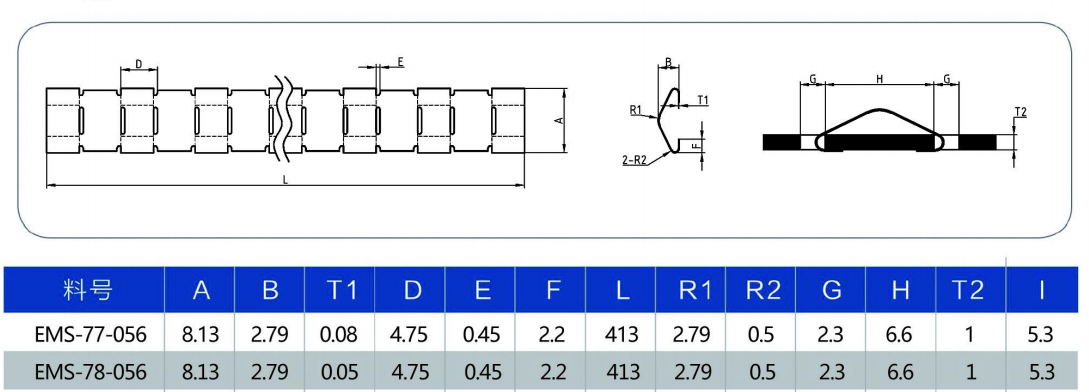
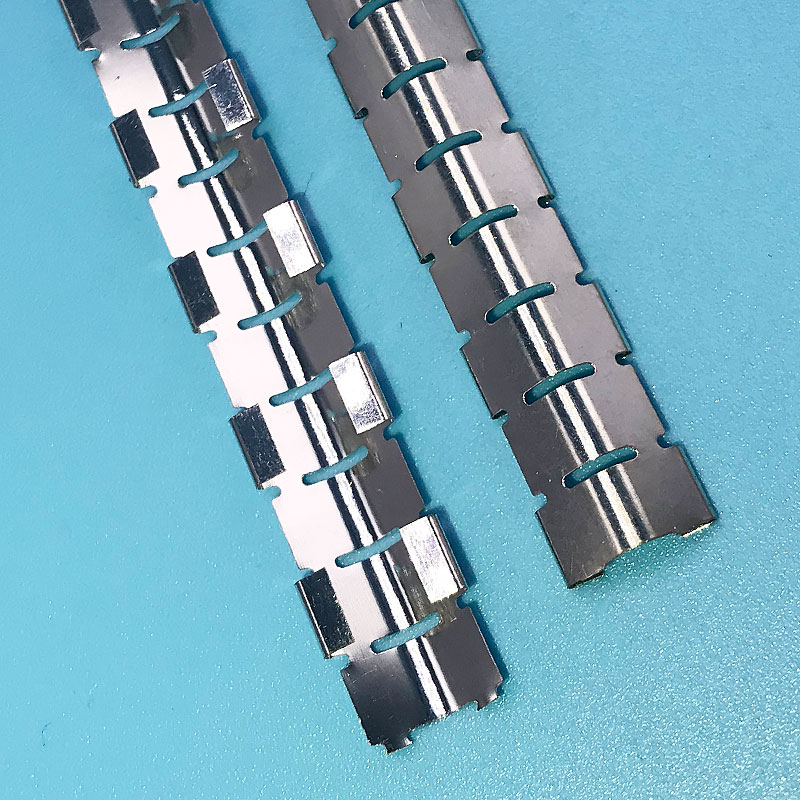
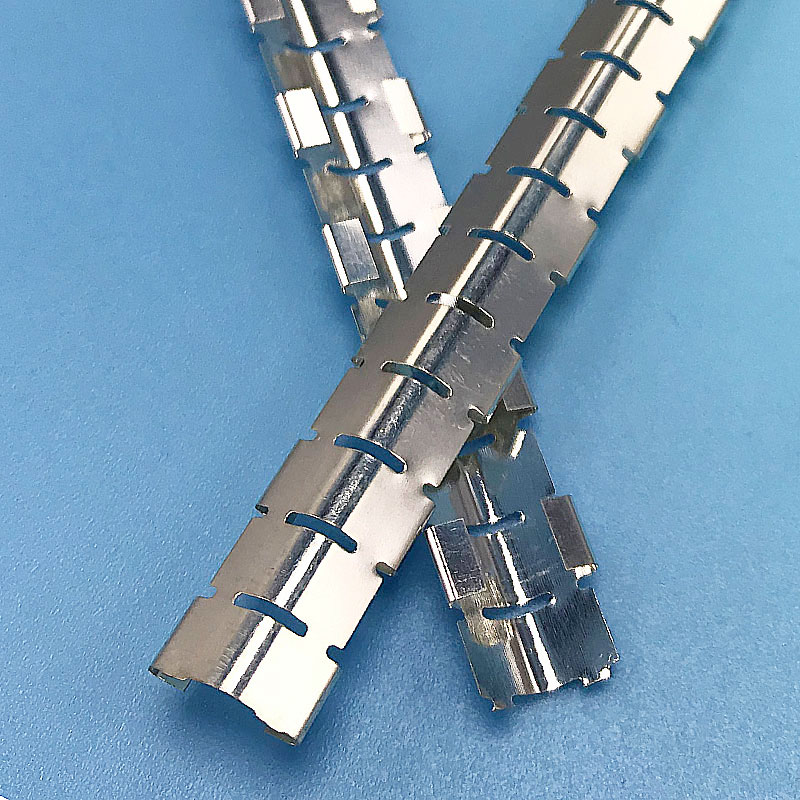
In response to this situation, EMS-77-056Metallic Spring Strip(As shown in the image) The EMS-77-056 spring strip is highly suitable for reducing electromagnetic leakage at gaps and enhancing the shielding effectiveness of the enclosure. The EMS-77-056 is an interstitial typeCamber springThe structure is designed to meet the sealing and elastic requirements, allowing it to tightly fit irregularly shaped cartons and enclosures, ensuring a good contact between them to achieve shielding. The EMS-77-056 spring is widely used in places where frequently disassembled card slots or covers are needed.
The 77-056 metal spring is made of environmentally friendly beryllium copper, offering recyclable clean copper products with strong stability and tensile strength. It boasts high thermal and electrical conductivity, making it suitable for grounding and shielding applications, with costs comparable to traditional metal EMI shielding. The shielding effectiveness is similar to other copper alloys, easily achieving over 100 dB of shielding, and the EMS-77-056 spring exhibits excellent corrosion resistance, solderability, and stress tolerance. Compared to other conductive materials, the EMS-77-056 metal spring is particularly suitable for applications allowing sliding contact, such as card slot enclosures, due to its high elasticity, high deformation capacity (typically around 20% to 50% installation deformation), wear resistance, and shear force tolerance.


b2b.china9.net © Zhongshang 114 Hebei Network Technology Co., Ltd.Address: Room 6009, Oriental New World Center, No.118 East Zhongshan Road, Qiaoxi District, Shijiazhuang City, Hebei ProvincePlatform Service Hotline: 4006299930