
Specializing in ultrasonic cleaning machines, hydrocarbon cleaning machines, through-type cleaning machines, spray washing machines, CNC high-pressure deburring cleaning machines, and more.
18663767799
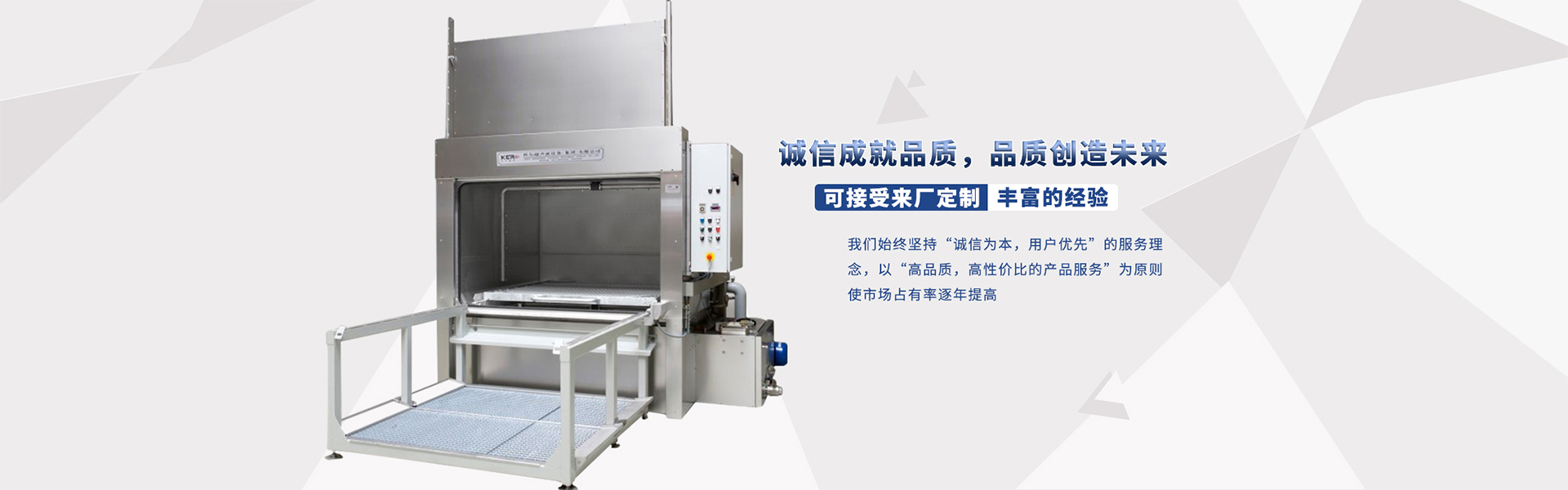
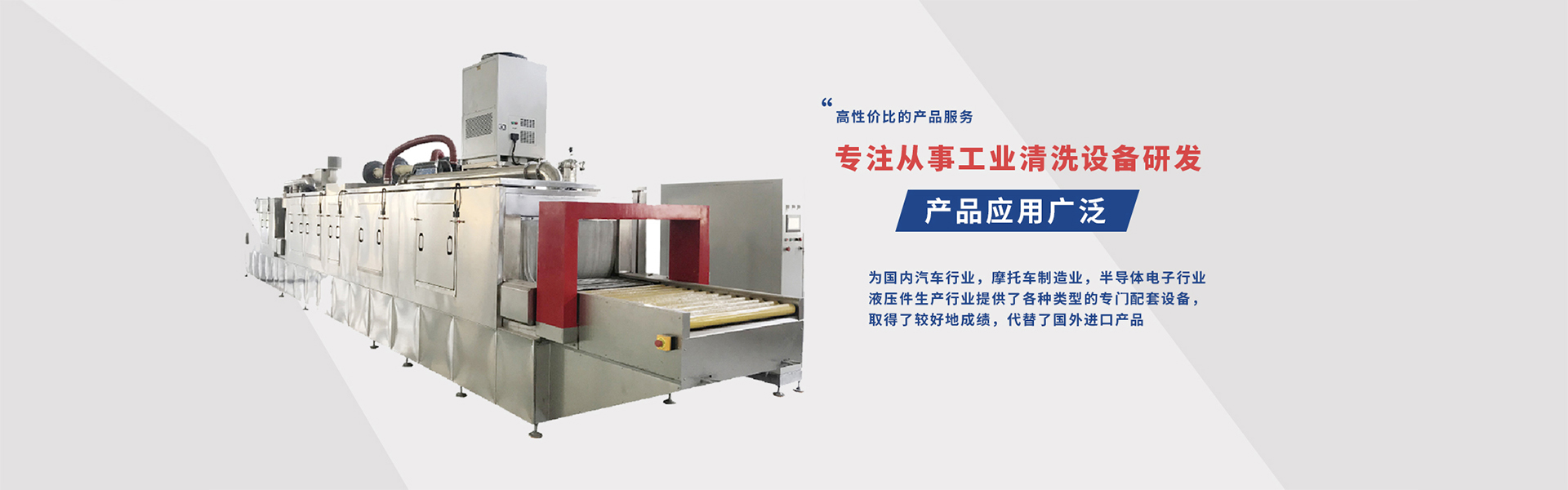
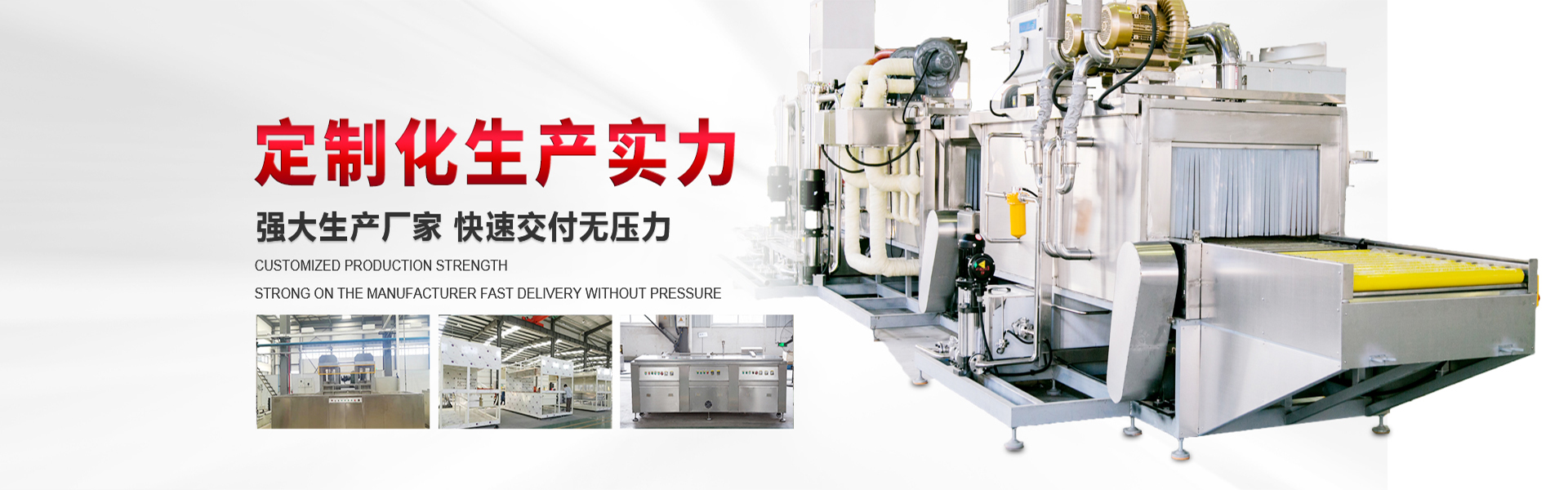


Product Recommendation

Fully Automatic Hydrocarbon Cleaning Machine / Industrial Cleaning Equipment / Fast Oil and Rust Removal /科尔

Fully Automatic Vacuum Hydrocarbon Cleaning Machine, High Pressure Rotating Spray Cleaning Machine,科尔Customization

Rotary Spray Carbon Hydrogen Cleaning Machine, Ultrasonic Cleaning Machine, Energy-Saving Ring, Full Specifications
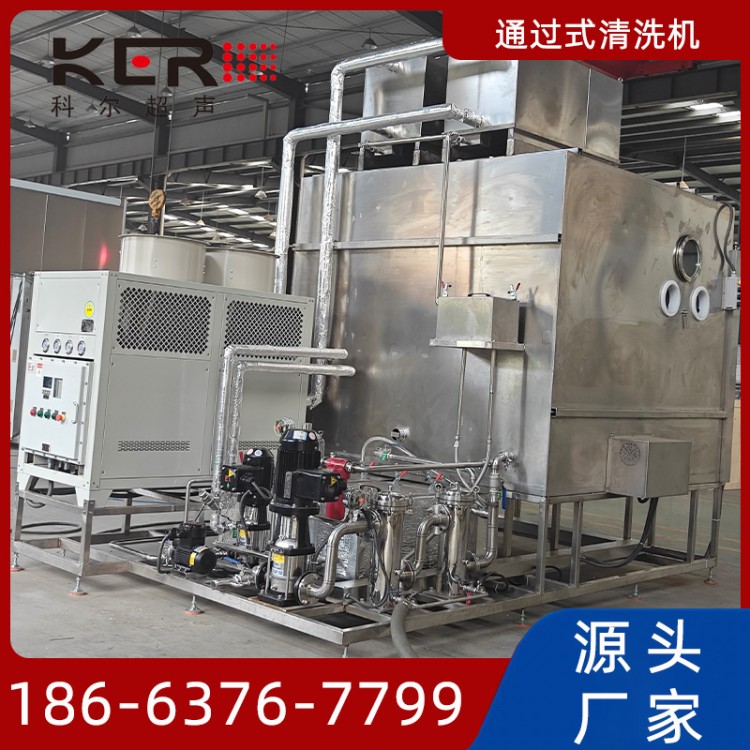
Hydrocarbon Cleaning Machine, Fully Automatic Vacuum Hydrocarbon Cleaning Machine, Industrial Cleaning Equipment
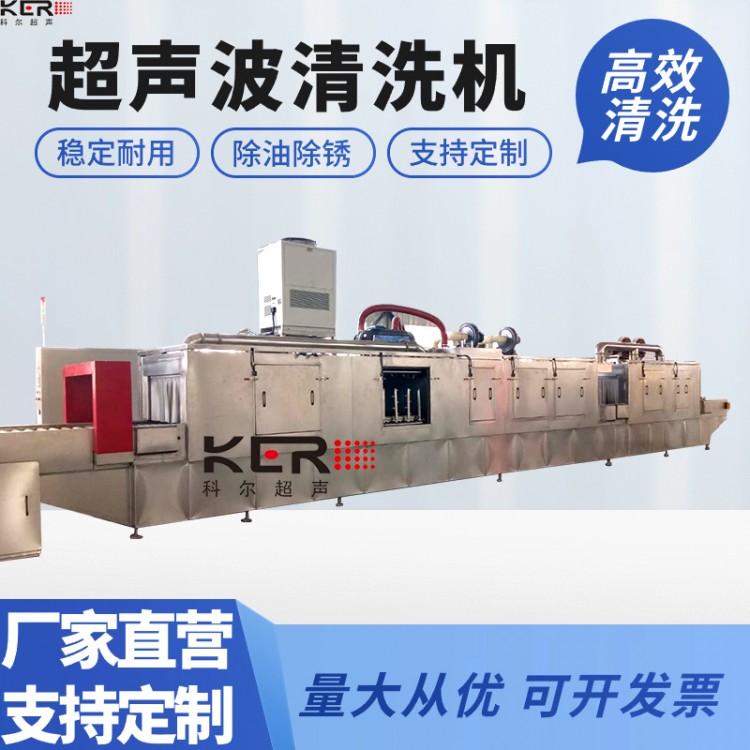
Spray Wash Machines | Through-Type Spray Wash Machines | High-Frequency Ultrasonic Cleaning Machines
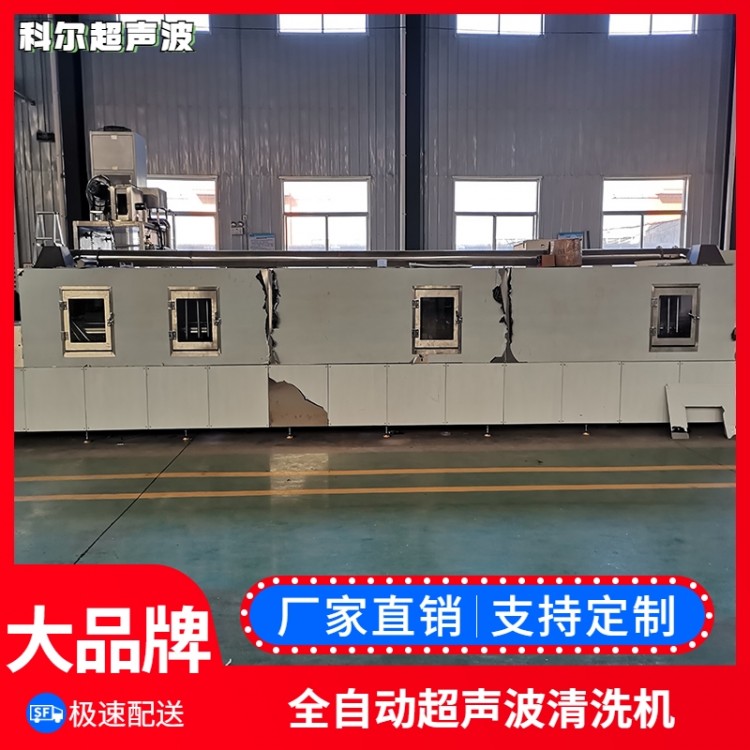
Fully Automatic Spray Wash Machine, Through-Type Ultrasonic Cleaning Machine, High-Frequency Ultrasonic Cleaner
1. Ultrasound cleaning machines are primarily categorized into three types based on the required cleaning precision: general industrial cleaning, fine industrial cleaning, and ultra-fine industrial cleaning. General industrial cleaning for ultrasound machines involves the cleaning of vehicle, ship, and airplane exteriors, which can typically remove relatively coarse dirt; fine industrial cleaning encompasses the cleaning processes during the production of various products, as well as the surfaces of various materials and equipment, characterized by the ability to remove minute dirt particles; ultra-fine cleaning includes the ultra-fine cleaning of mechanical parts, electronic components, optical parts, etc., during the fine industrial production process, with the aim of removing extremely small dirt particles.
2. Depending on the cleaning method, they can also be categorized into physical cleaning and chemical cleaning: physical cleaning involves using principles from mechanics, acoustics, optics, electricity, and thermodynamics to rely on the effect of external energy sources, such as mechanical friction, ultrasonic waves, vacuum, and high-pressure impacts. Methods like using ultraviolet light, steam, etc., to remove dirt on the surface of objects are classified as physical cleaning. Chemical cleaning, on the other hand, relies on the effect of chemical reactions to use chemicals or solvents to remove dirt on the surface of objects. For example, various inorganic or organic acids are used to remove rust or scale, oxidizing agents to remove stains, and disinfectants to kill microorganisms and remove mildew. Both physical and chemical cleaning have their own advantages and disadvantages, yet they complement each other well. In practical applications, it is common to combine both methods to achieve better cleaning results.
3. Based on the different cleaning mediums, they can be categorized into wet cleaning and dry cleaning: Cleaning performed in a liquid medium is generally referred to as wet cleaning, while cleaning done in a gaseous medium is known as dry cleaning. Traditional cleaning methods are mostly wet cleaning, and the more straightforwardly understood dry cleaning is simply vacuuming. However, in recent years, dry cleaning has seen rapid development, including laser cleaning, ultraviolet cleaning, plasma cleaning, dry ice cleaning, and more, which have quickly expanded in high-tech, precision, and cutting-edge industrial skills.
In recent years, new skills have continuously been integrated into cleaning techniques. As the field of biotechnology advances, an increasing number of enzymes and microorganisms are being utilized in cleaning processes. This involves biochemical reactions; the use of activated carbon has also become more widespread in air purification and water treatment, leveraging its adsorption properties. Additionally, electrolytic cleaning and other methods are employed. Therefore, simply categorizing cleaning into a few types no longer fully encompasses the rapidly evolving reality of cleaning technology.
Contact us

Service Hotline
18663767799
Company Telephone
18663767799

Address
No Chinese content provided.
b2b.china9.net © Zhongshang 114 Hebei Network Technology Co., Ltd.Address: Room 6009, Oriental New World Center, No.118 East Zhongshan Road, Qiaoxi District, Shijiazhuang City, Hebei ProvincePlatform Service Hotline: 4006299930
