



详情描述
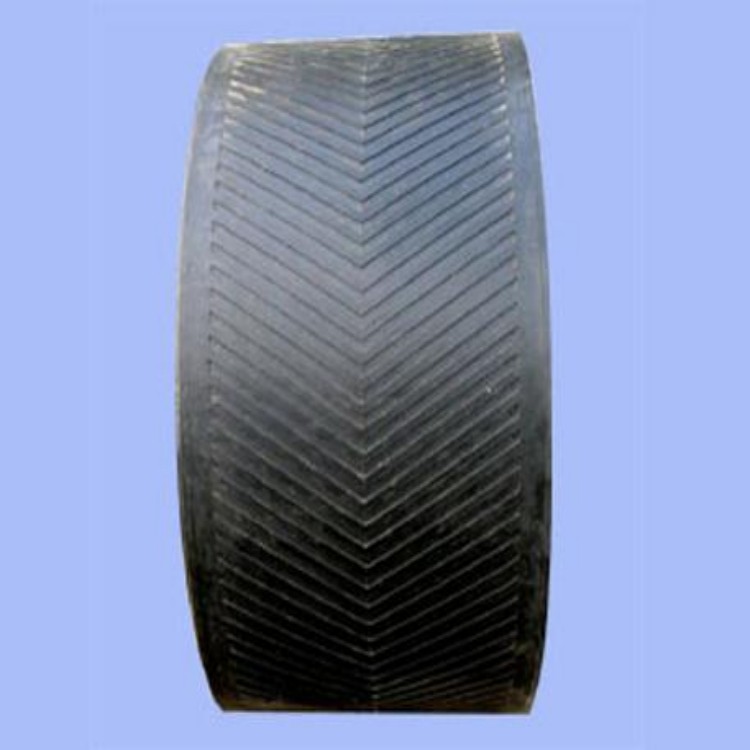
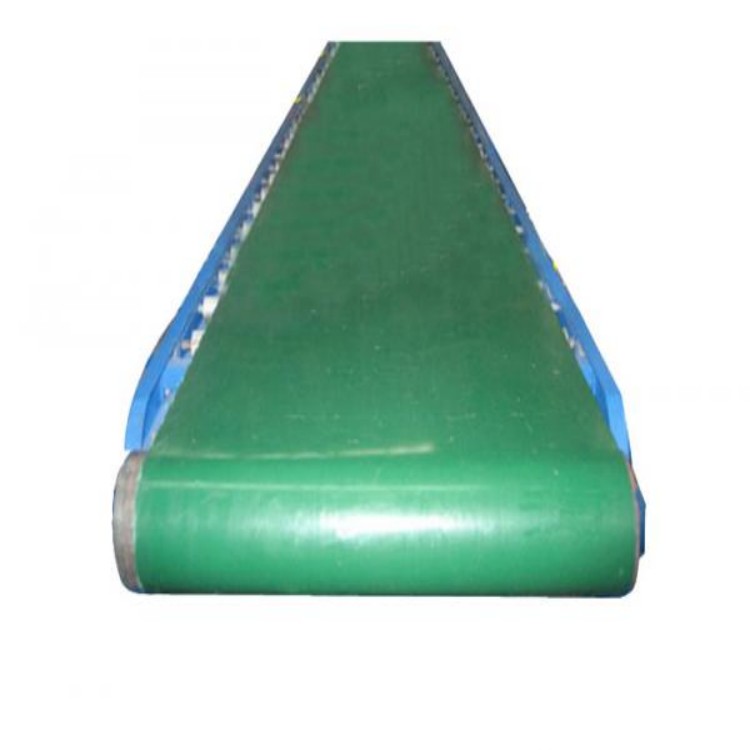
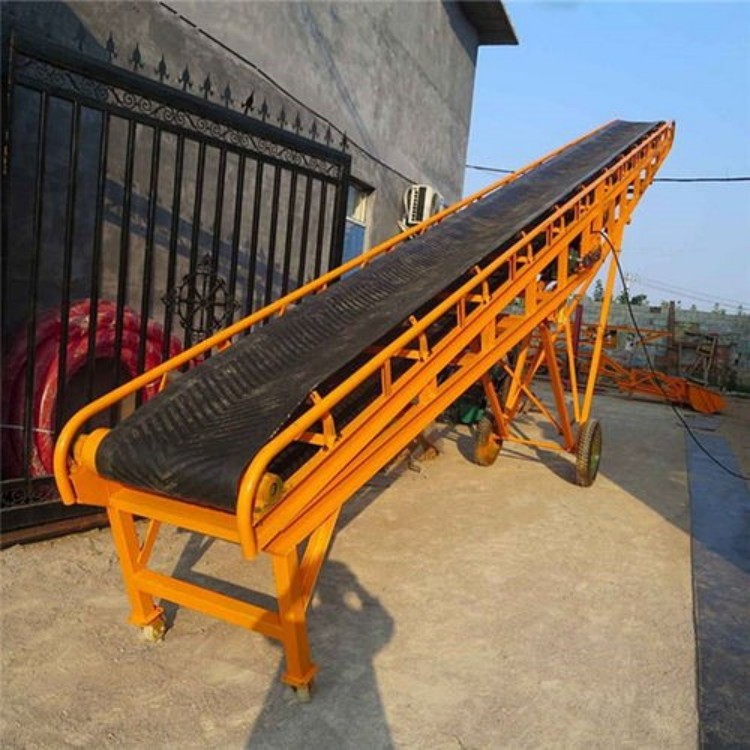
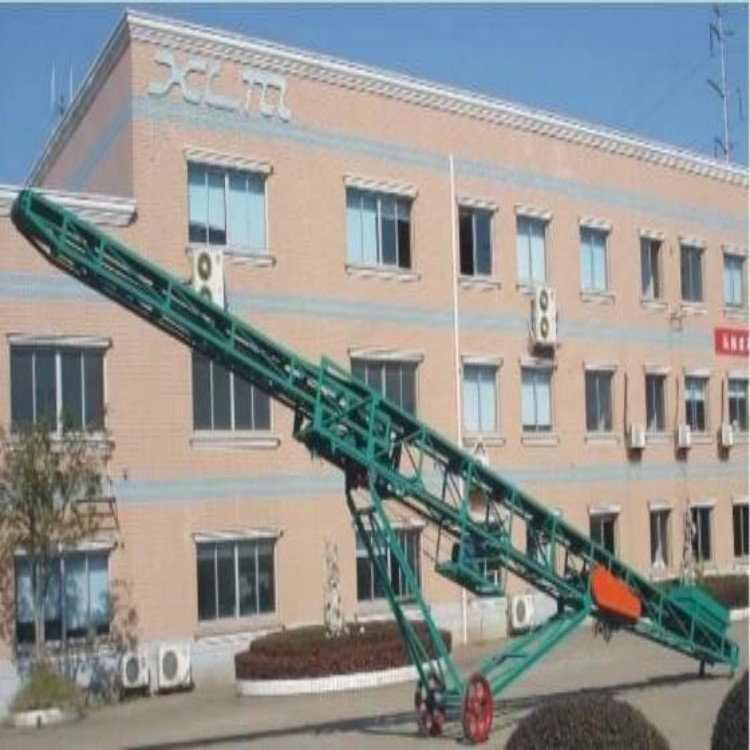
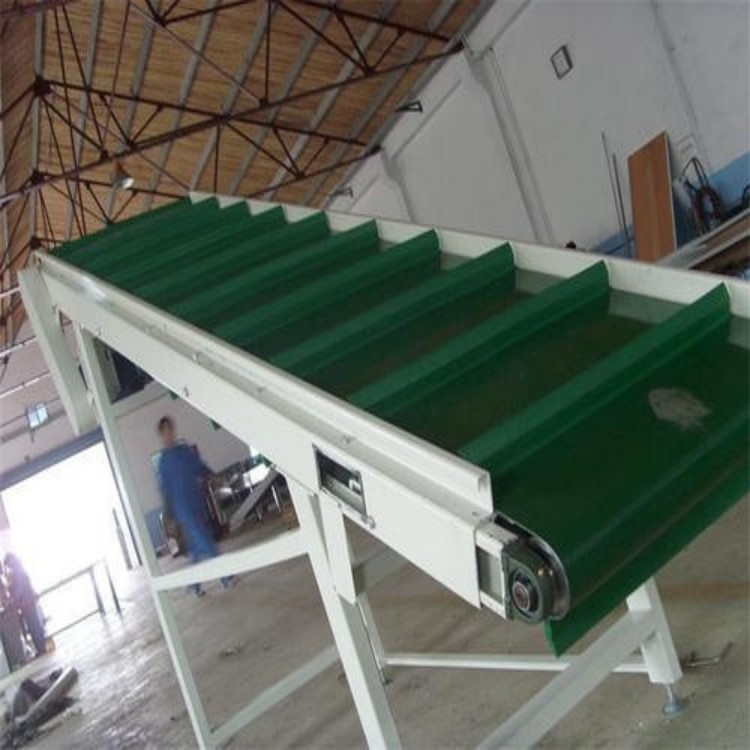
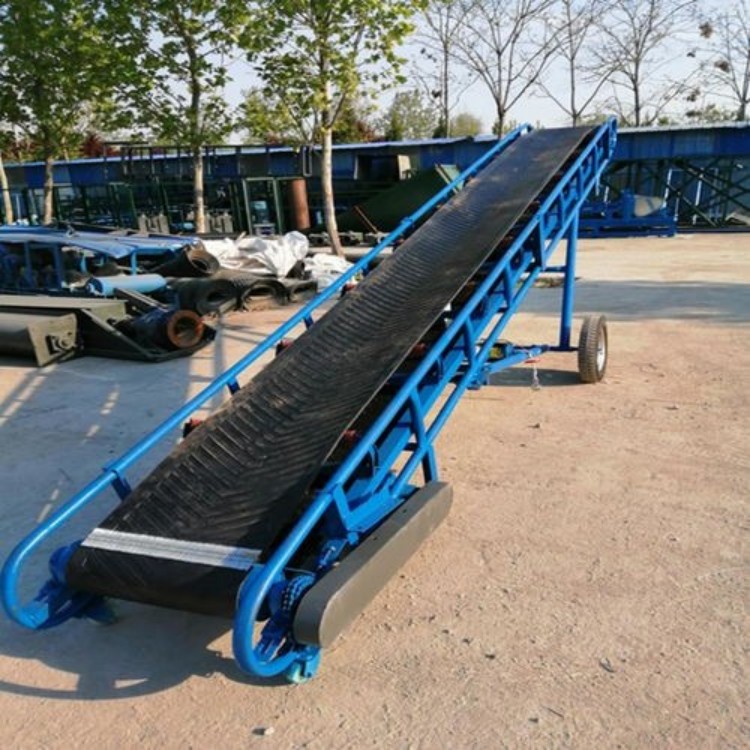
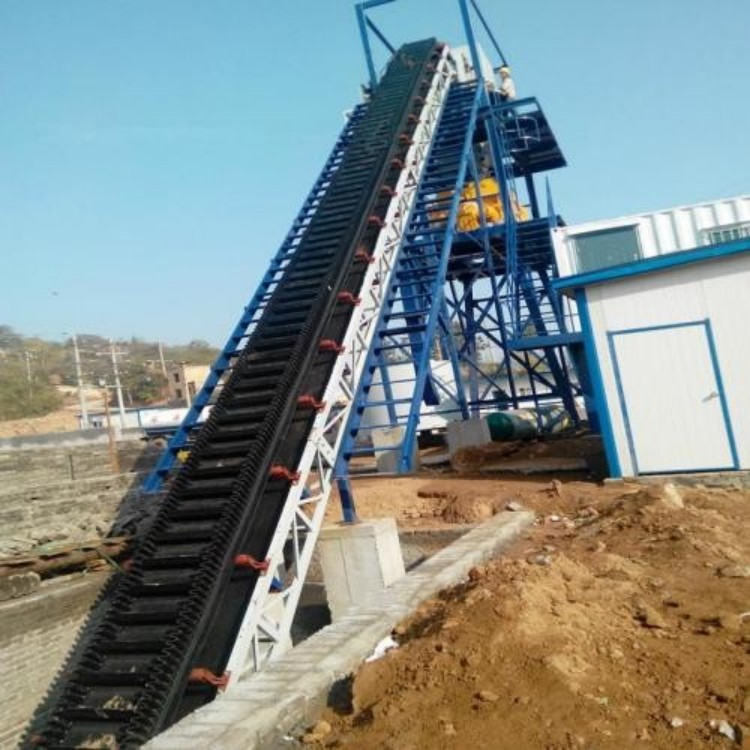
The patterned conveyor belt is an inclined conveyor belt composed of a covering rubber with a patterned working surface and a flat covering rubber on the non-working surface, along with the belt core. Commonly used patterned conveyor belts include V-shaped pattern belts, strip pattern belts, granular pattern belts, and fan-shaped pattern belts.
Characteristics of the patterned conveyor belt mainly include:
(1) Core Material: Cotton Canvas (CC), Cotton-Polyester Blended Canvas (CP), Nylon (NN), Polyester (EP), etc.
(2) Width: 300-800mm
(3) Groove height: 5, 10, 15, 20mm Note: The groove shape can be designed according to customer requirements.
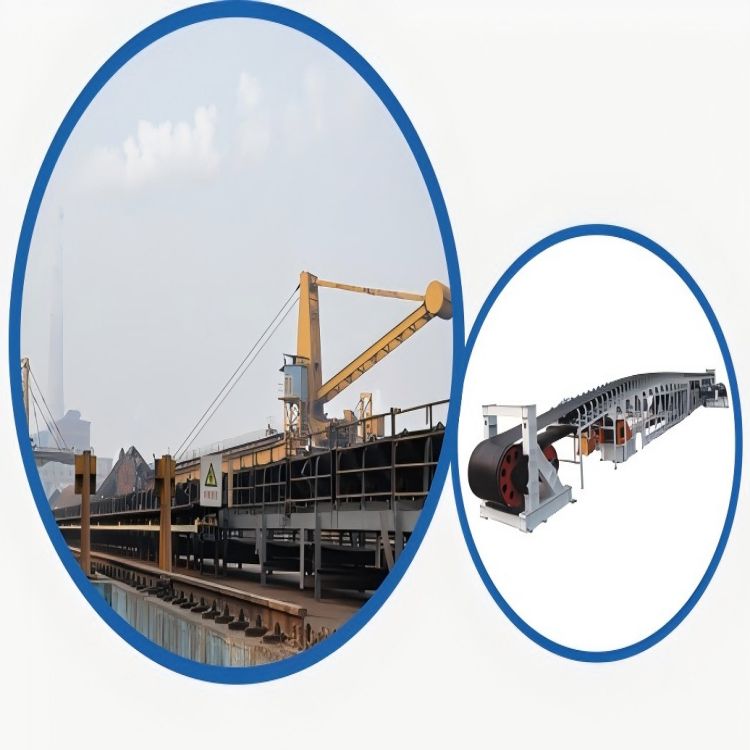
(4) Features: Suitable for conveying materials with inclination angles of 0~40°, preventing material from sliding down.
Maintenance
Patterned conveyor belts should be kept clean during transportation and storage, avoiding direct sunlight or exposure to rain and snow. Prevent contact with acids, alkalis, oils, organic solvents, and maintain a distance of one meter from heating devices.
Storage temperature should be maintained between 18-40°C, with relative humidity kept between 50-80%.
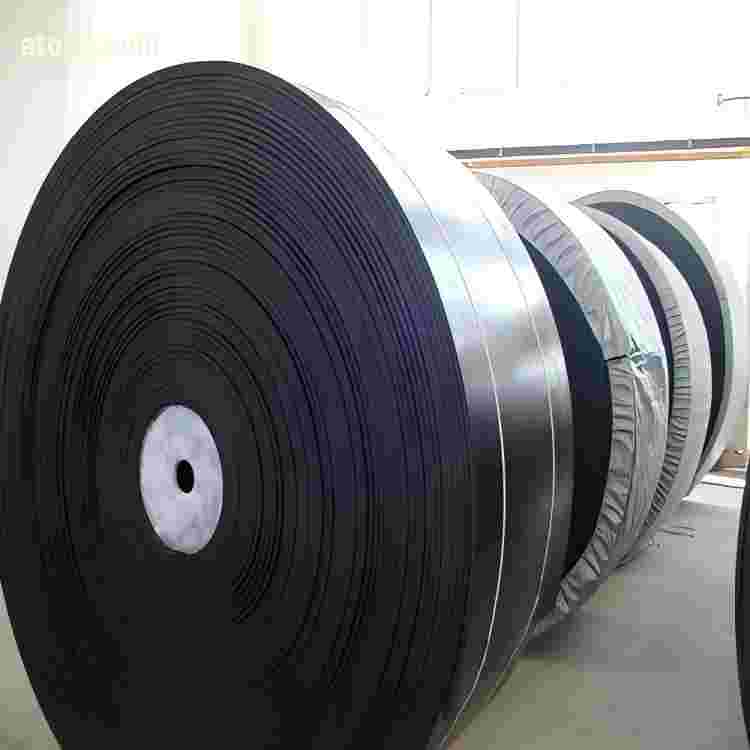
During storage, the conveyor belt must be rolled up, not folded, and it should be flipped once every quarter.
It is not advisable to connect conveyer belts of different types and layer specifications together; the recommended method for their joints is adhesive bonding.
The type, structure, specifications, and number of layers of the conveyor belt should be selected rationally based on the operating conditions.
The conveyor belt's operating speed should generally not exceed 2.5 meters per second. For materials with large particle sizes and high abrasiveness, as well as those requiring fixed unloading equipment, low-speed operation is recommended.
The diameter of the drive roller on the conveyor and its relationship with the conveyor belt layers, as well as the matching of the drive roller and redirection roller, and the requirements for the angle of the idler grooves, should be selected rationally according to the design specifications of the conveyor.
The feeding direction should align with the running direction of the conveyor belt. To reduce the impact on the conveyor belt when materials fall, use chutes to decrease the falling distance of the materials. Shorten the spacing between idlers in the receiving section of the conveyor belt and use buffer idlers to prevent material leakage. The belt should be guided by soft and moderately rigid挡料板 to avoid the board being too hard and scratching the conveyor belt's surface.