



详情描述
Principle of Transmission Characteristics
The traction force of the belt conveyor is transmitted through the friction between the drive roller and the belt, hence it is necessary to tighten the belt using a tensioning device, ensuring the belt has a certain initial tension at the point where the drum separates.
⑵ The tape runs together with the cargo on the roller. The tape serves both as a traction mechanism and a load-bearing structure, with no relative motion between the cargo and the tape, thus eliminating frictional resistance between the tape and the cargo during operation. Due to the rolling bearings inside the roller, the tape and roller experience rolling friction, significantly reducing the running resistance and thereby decreasing power consumption and increasing the transport distance. For a belt conveyor, the magnitude of its traction transmission capability depends on the tension of the tape, the wrap angle of the tape around the drive roller, and the coefficient of friction between the tape and the drive roller. To ensure that the tape of the belt conveyor does not slip on the drive roller and operates normally, appropriate measures should be taken in production practice based on different situations. To enhance the transmission capability of traction force, efforts can be made from the following aspects:
Increase the tension force (initial tension). During the operation of the belt conveyor, the belt needs to elongate, which causes a decrease in traction. Therefore, according to the situation, use the tensioning device to properly tension the belt, increase the belt tension, and thereby enhance the traction force.
Increase the coefficient of friction. Specific measures include: protecting the wooden lining or rubber pads covering the drive roller to enhance the coefficient of friction, and on the other hand, reducing the amount of water-coal to prevent a decrease in the coefficient of friction.
③ Increase the wrapping angle. Due to poor working conditions and high traction requirements for underground belt conveyors, double drum transmission is commonly used to increase the wrapping angle.
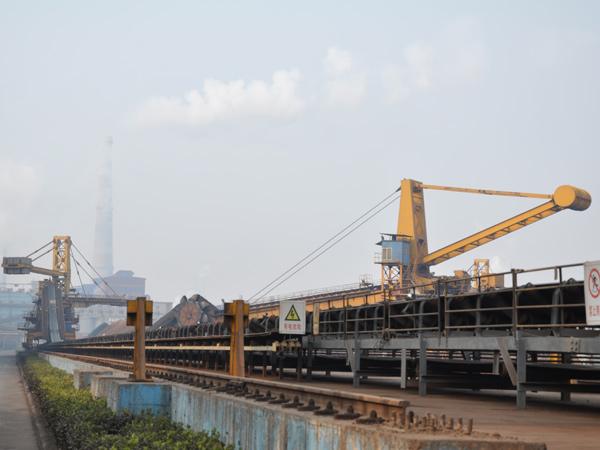
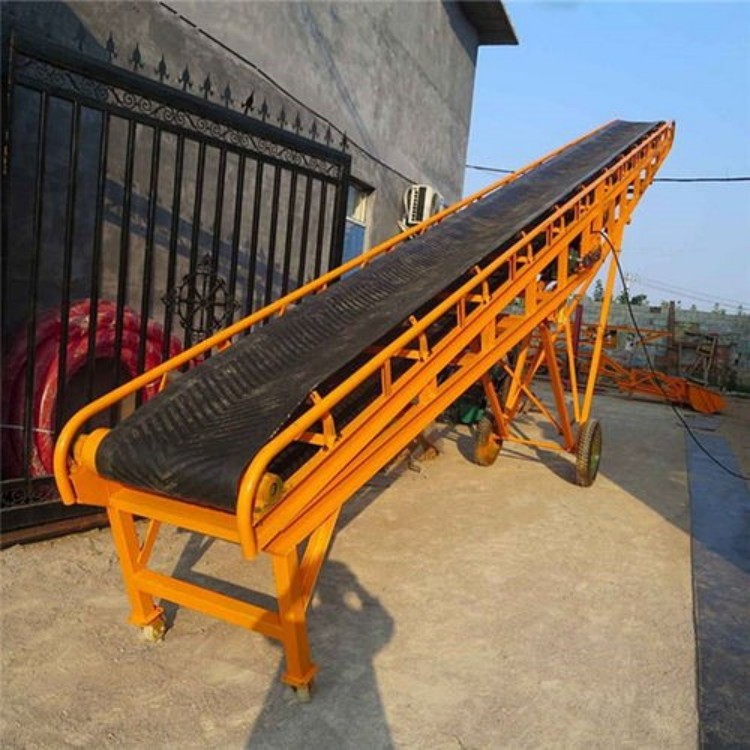
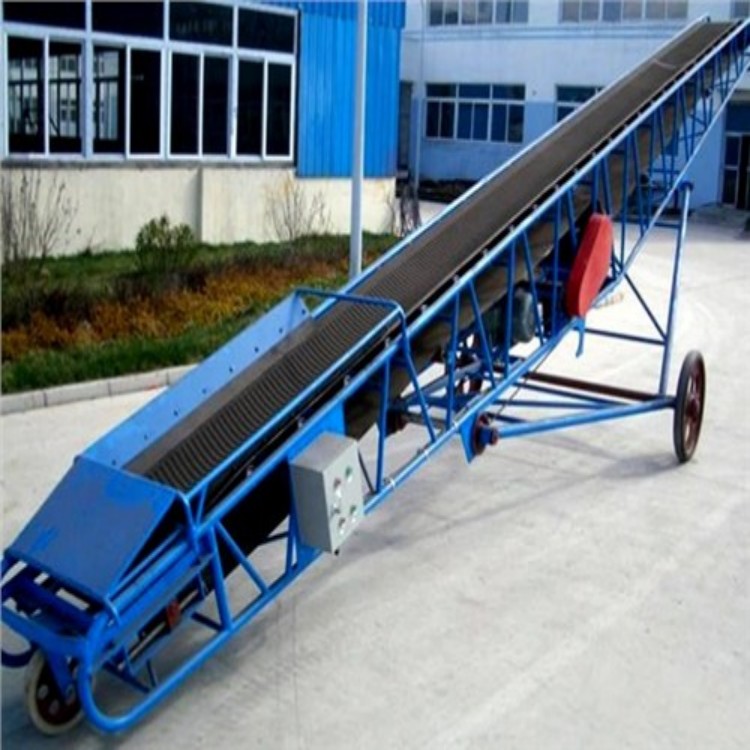
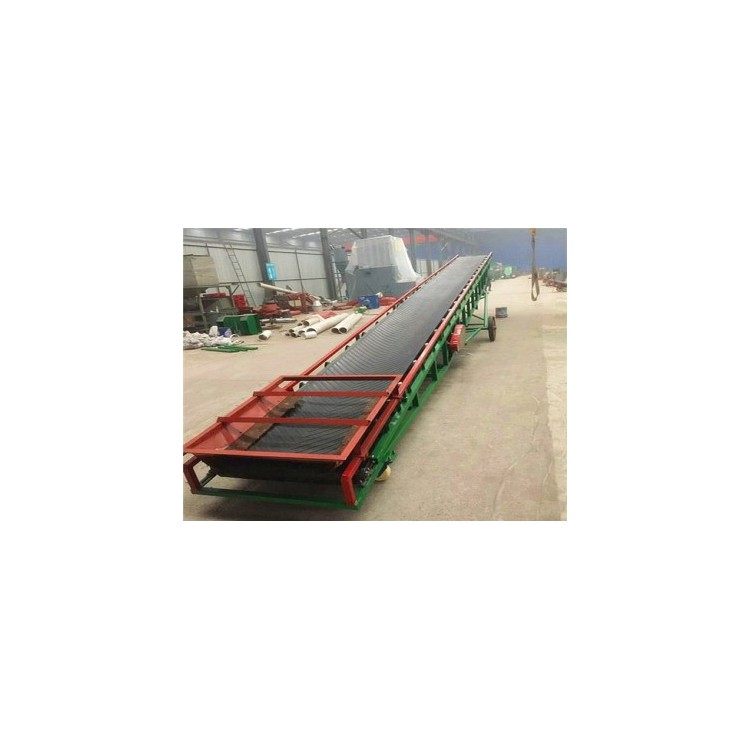
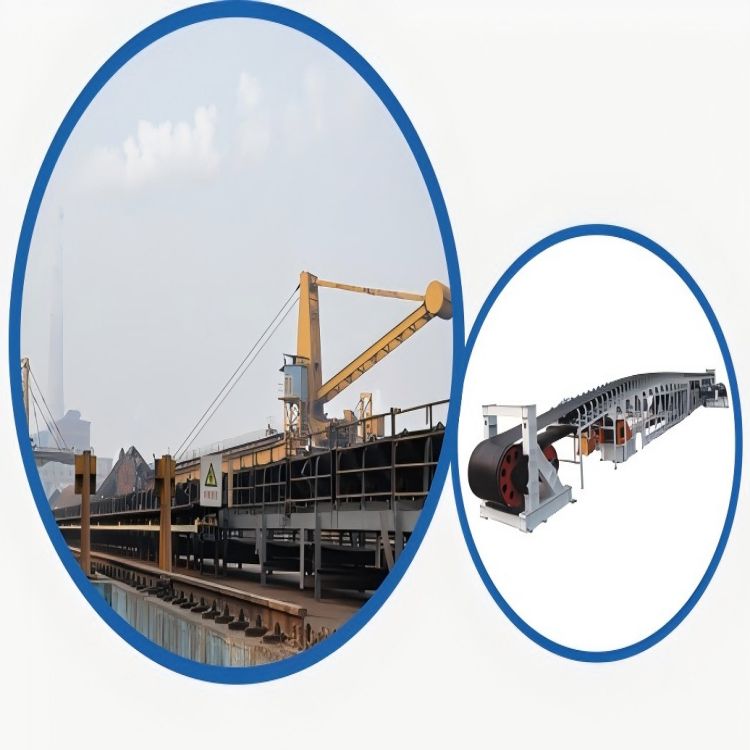
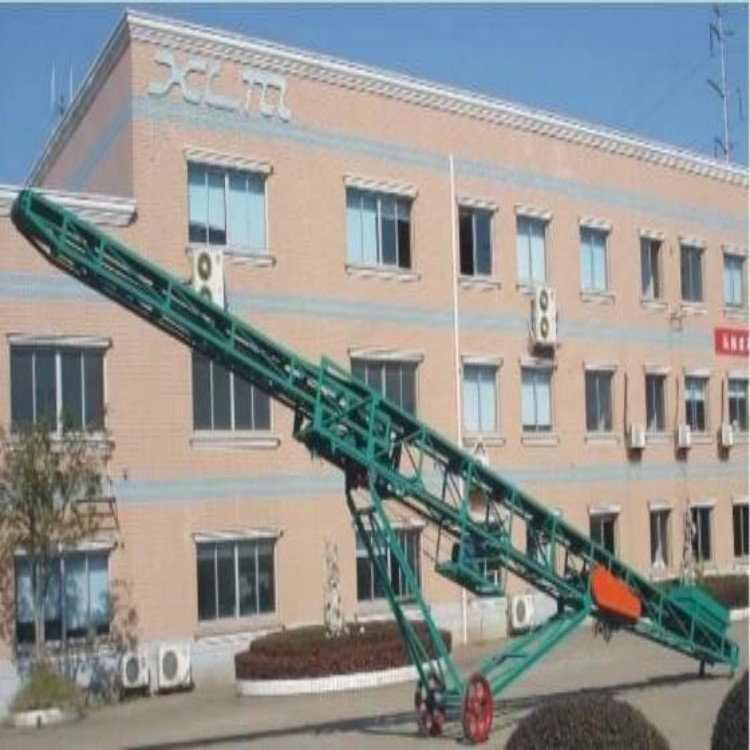
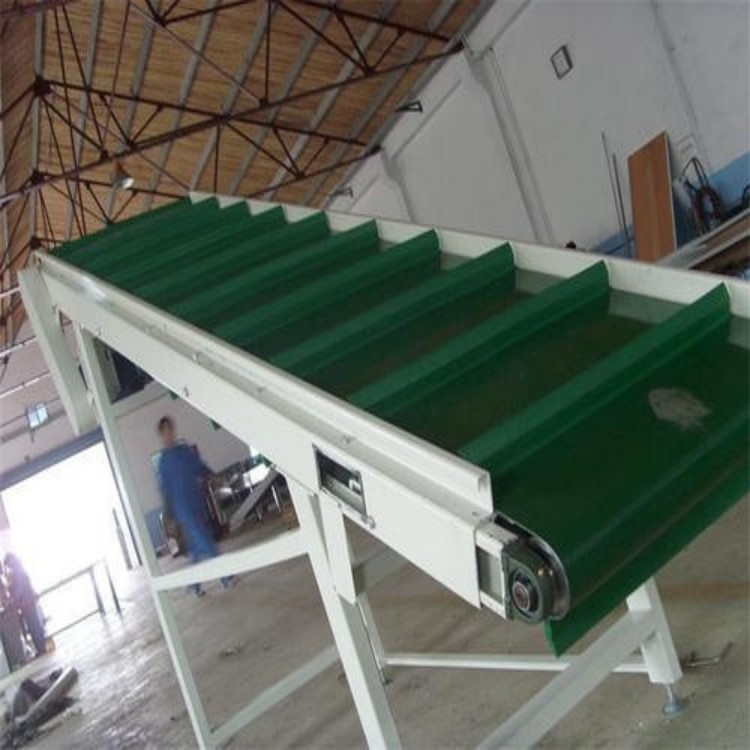
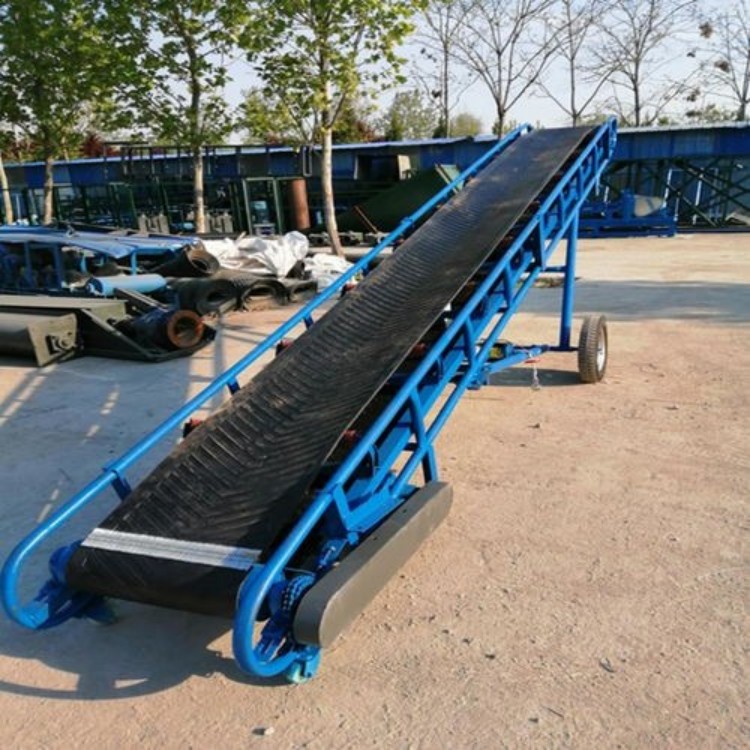
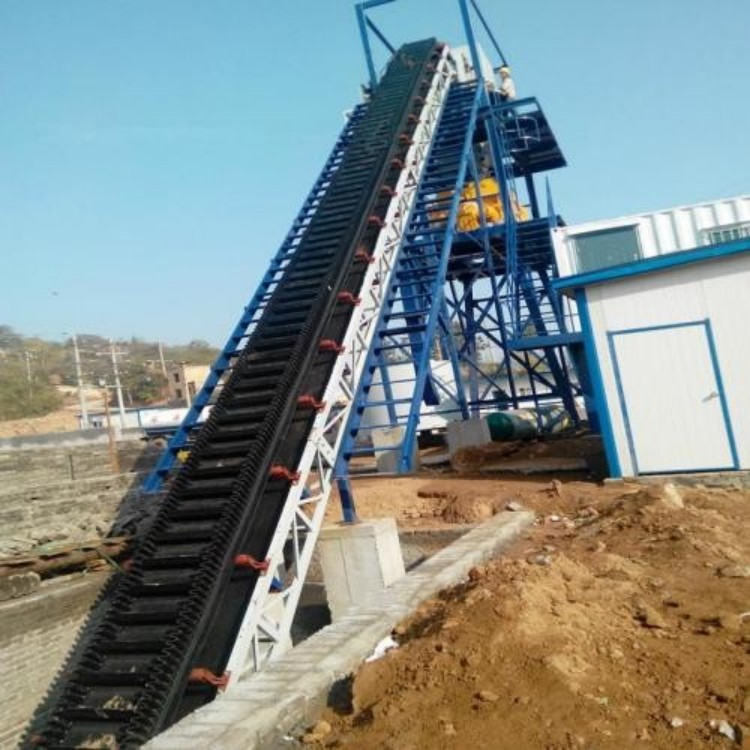
A belt conveyor is a mechanical device that transports materials continuously by friction. It mainly consists of a frame, conveyor belt, idler roller, drum, and driving unit. It can form a material conveying process on a certain conveyor line, from the feeding point to the unloading point. It is capable of conveying both bulk materials and packaged goods. In addition to pure material transportation, it can also be coordinated with the process requirements of industrial production processes, forming a rhythmic assembly line for continuous operation.
Belt Conveyor Features
Belt conveyors are an ideal and efficient continuous transportation equipment for coal mines. Compared to other transportation equipment (such as locomotives), they offer advantages like long conveying distance, high capacity, and continuous operation. They are also reliable, easy to automate, and centralize control, especially crucial for high-yield and efficient mines where belt conveyors have become a key equipment in the integration of mechanical and electrical technology and equipment for coal mining. The main features of belt conveyors include a convenient telescopic frame, a storage belt compartment, and a tail that can extend or shorten with the advancement of the coal mining face. The structure is compact, allowing for direct installation on the tunnel floor without a foundation. The frame is lightweight and easy to disassemble. For larger conveying capacity and distance, a middle drive unit can be added to meet the requirements. Depending on the conveying process, they can be used individually or combined into horizontal or inclined transportation systems to convey materials.
Belt conveyor main application
Suitable for both horizontal and inclined transportation, it is extremely convenient to use and widely applied in various modern industrial enterprises, such as underground tunnels in mines, ground transportation systems, open-pit mining sites, and ore processing plants. Depending on the requirements of the conveying process, it can be used individually or in combination with multiple units or other conveying equipment to form horizontal or inclined conveying systems, catering to the needs of different layout types of production lines.