
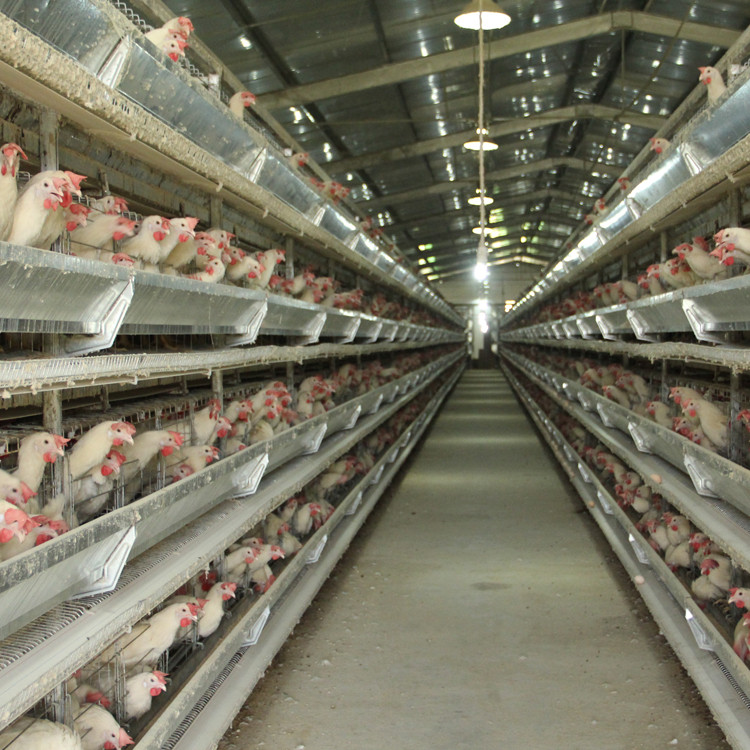
 Egg-laying chicken cage
 Water curtain
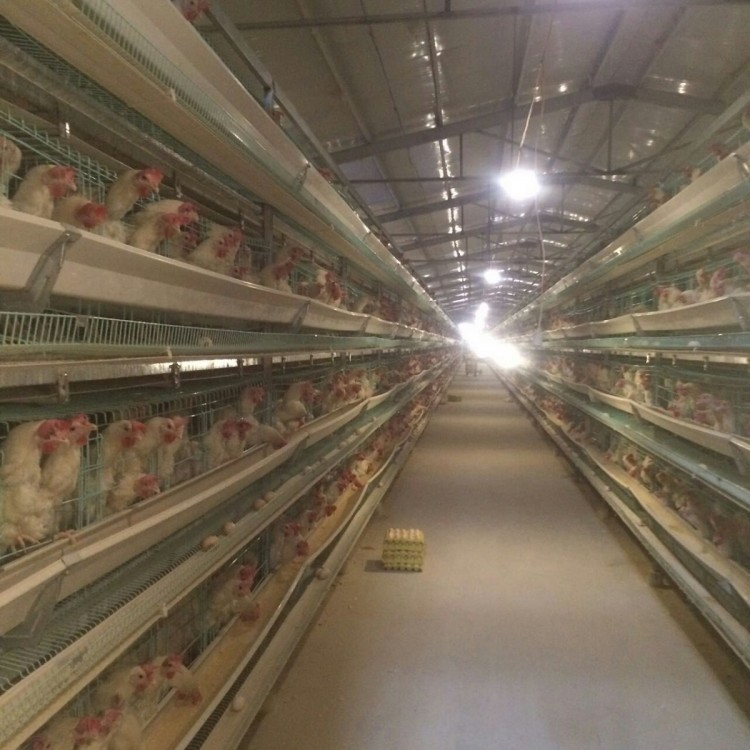 Stacked chicken coops
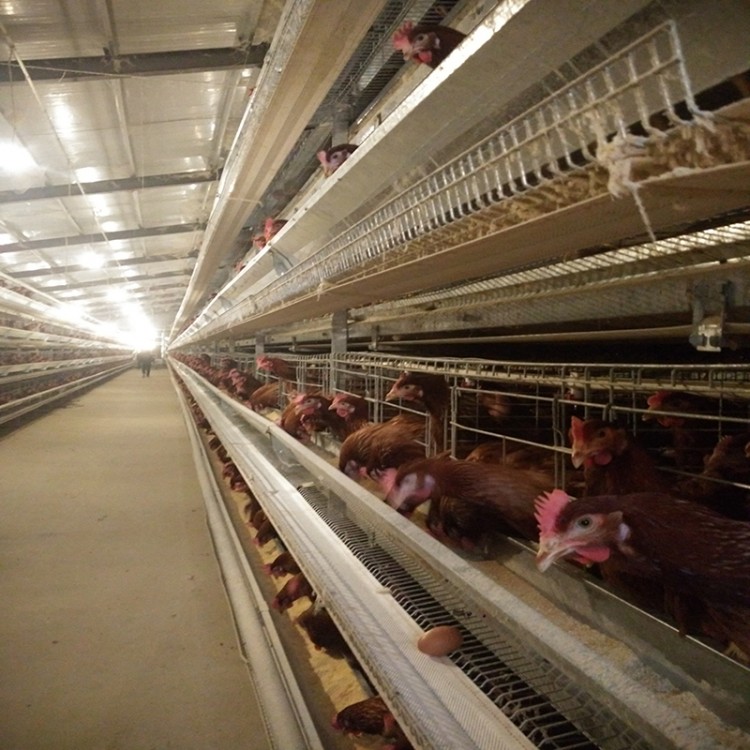 Stacked Chicken Cages
Product Details

Research, production, and sales of agricultural machinery and equipment
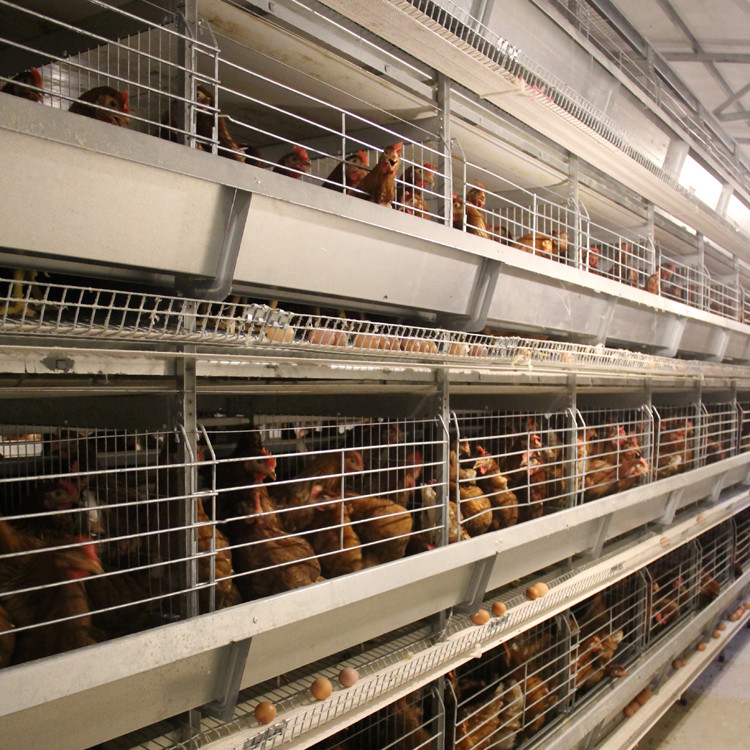

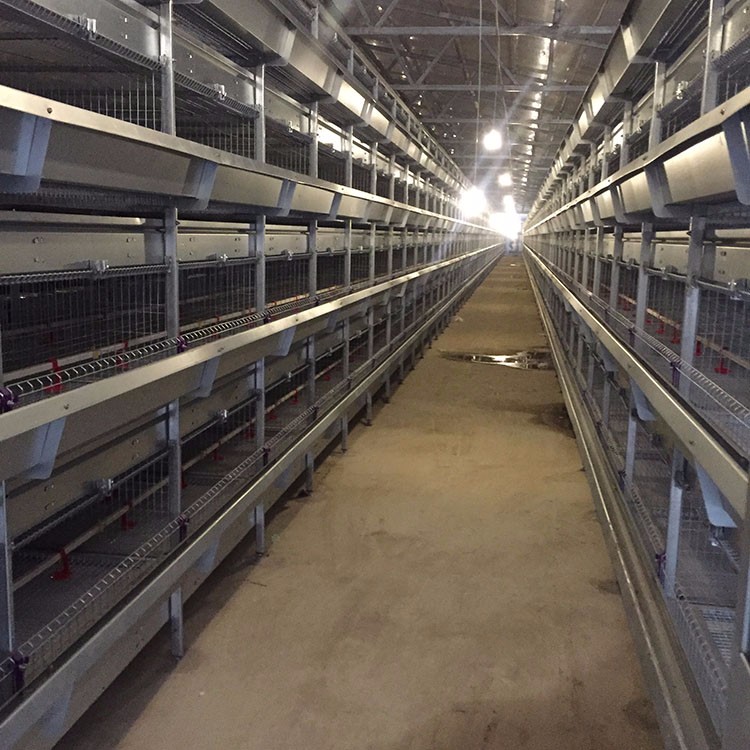
产品Price 800.00/Group
最小起订Quantity:1 Group 供货总Quantity: 9999 Group


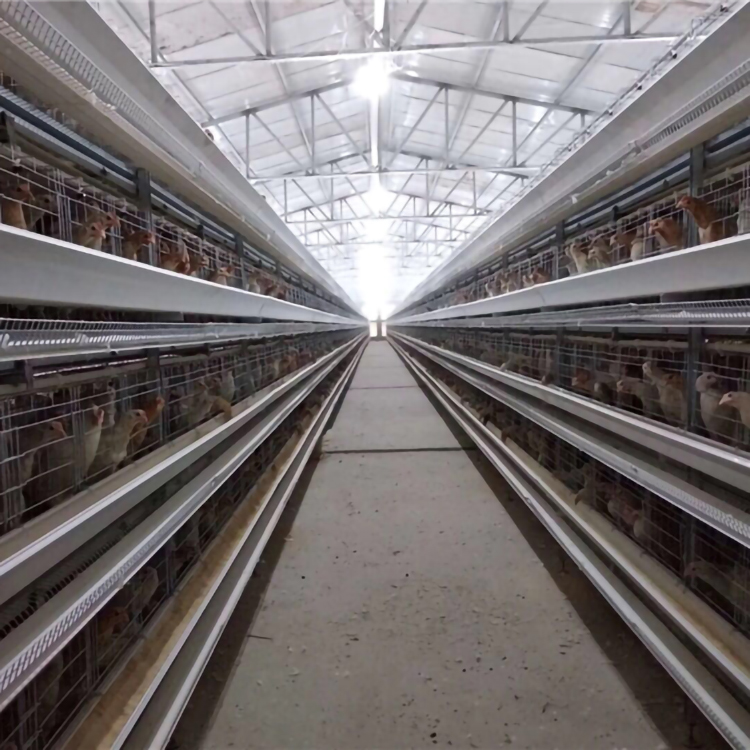 Egg-laying chicken cage
¥800.00
Egg-laying chicken cage
¥800.00
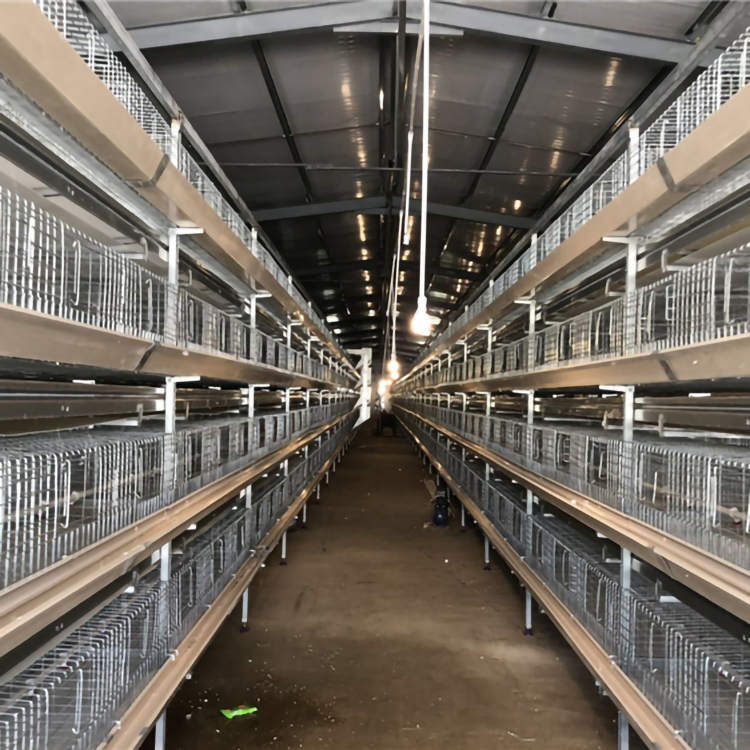 Hatching cage
¥800.00
Egg-laying chicken cages
¥800.00
Hatching cage
¥800.00
Egg-laying chicken cages
¥800.00
External dimensions |
|
Application Scope |
Layer chicken farming |
After-sales |
Installation included |
Material |
Hot-dip galvanized |
Color |
Stainless Steel Color |
Transportation Method |
Logistics |
Battery cages are a widely adopted form of chicken farming both domestically and internationally. The reason for their popularity lies in the design of the cages, which provides a comfortable environment for the chickens, enabling them to perform better during the breeding process. The primary advantages of the cage design are evident in the front mesh and cage door, the density of the cage, and the angle of the egg collection, all of which further reflect the interests of the chickens. The front mesh design of the layer cages typically consists of vertical metal wires and a few horizontal wires. The vertical wire spacing ranges from 4.5 to 6.5 cm, and the cage doors are generally made of 2-3 metal wires, connected to the front mesh for inward or outward opening. Egg-laying chicken cageThe interior and exterior must be clean, ensuring that all sliding surfaces, screws, racks, gearboxes, oil holes, etc., are free of oil stains, and that there is no oil or gas leakage from any part. The debris, trash, and dirt around the equipment should be thoroughly cleaned; tools, accessories, and workpieces (products) should be neatly arranged; pipelines and wiring should be orderly; proper lubrication is maintained by timely oiling or oil change, ensuring no oil shortage and no dry friction, with normal oil pressure, bright oil indicators, clear oil paths, and oil quality meeting specifications; oil cups and oil felt are clean; adhere to safety operation procedures, do not overload equipment, and ensure that all safety protection devices are complete and reliable, promptly eliminating unsafe factors. Egg-laying chicken cagesRoutine maintenance and care are fundamental to equipment maintenance, and must be institutionalized and standardized. Regular maintenance work for equipment should have set work quotas and material consumption quotas, and be assessed accordingly. Regular equipment maintenance should be included in the workshop's contract responsibility system. Regular equipment inspections are planned preventive checks, which, in addition to human senses, require certain inspection tools and instruments, carried out according to scheduled inspection cards. Regular inspections, also known as regular spot checks, should be conducted. Precision checks for mechanical equipment should also be performed to determine the actual accuracy level of the equipment. Egg-laying chicken cageThe maintenance should be conducted according to the maintenance procedures. Equipment maintenance procedures outline the requirements and regulations for routine equipment maintenance. Consistent adherence to these procedures can extend the lifespan of the equipment and ensure a safe, comfortable working environment. The main contents should include: 1. Equipment should meet the operational requirements of being orderly, clean, sturdy, lubricated, corrosion-resistant, and safe, along with the operational methods, tools and materials used, the standards achieved, and precautions to take. 2. Daily inspection and maintenance procedures, regular inspection locations, methods, and standards. 3. Inspection and evaluation content and methods for the operation workers' maintenance of equipment

Phone Consultation