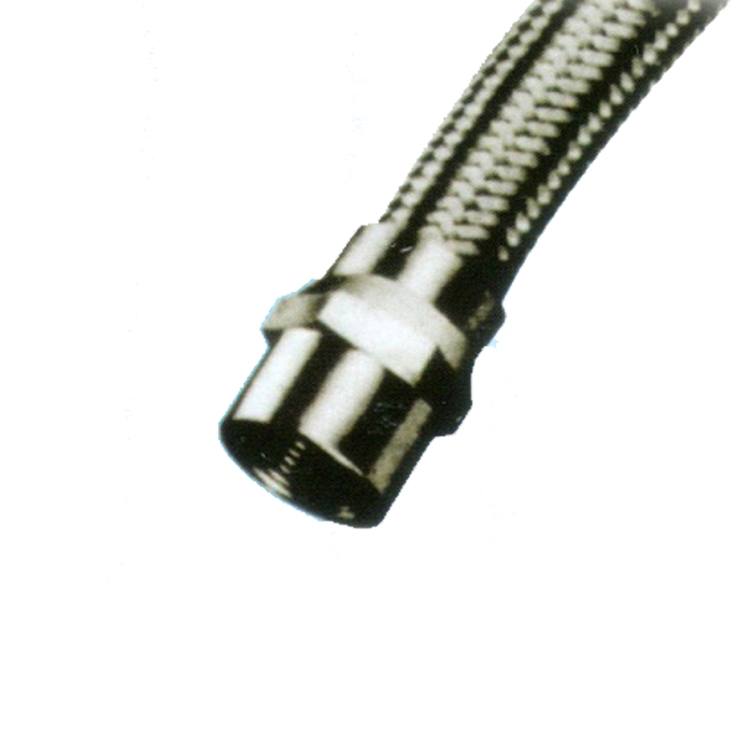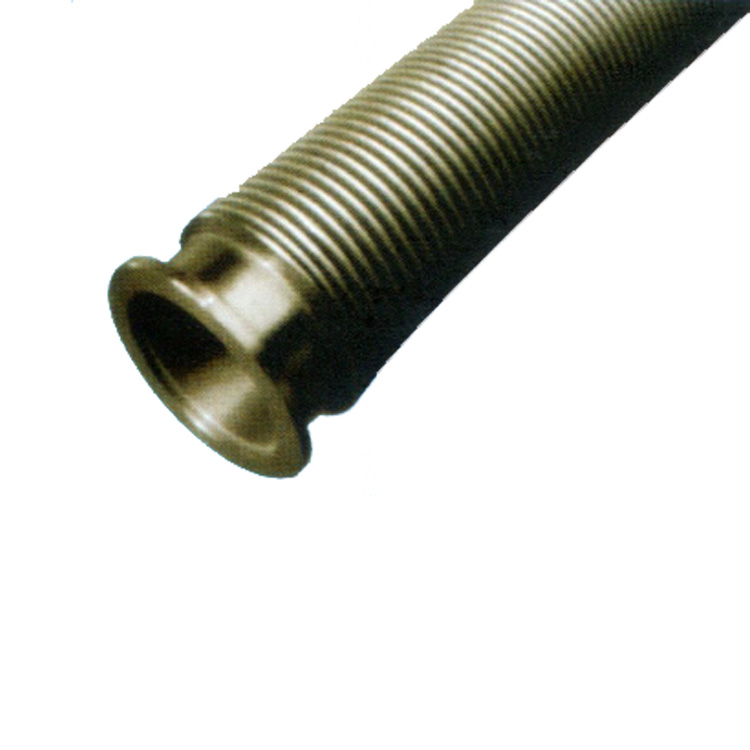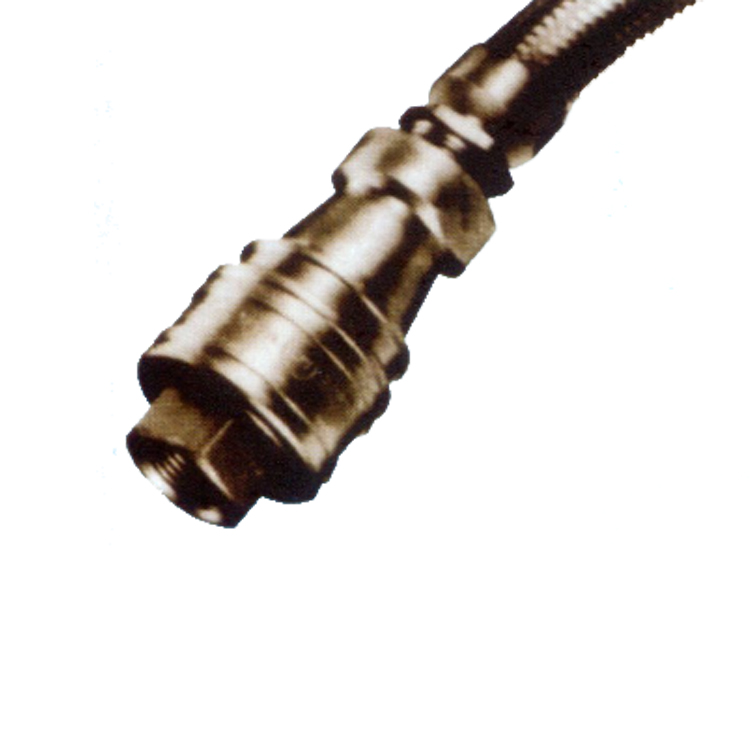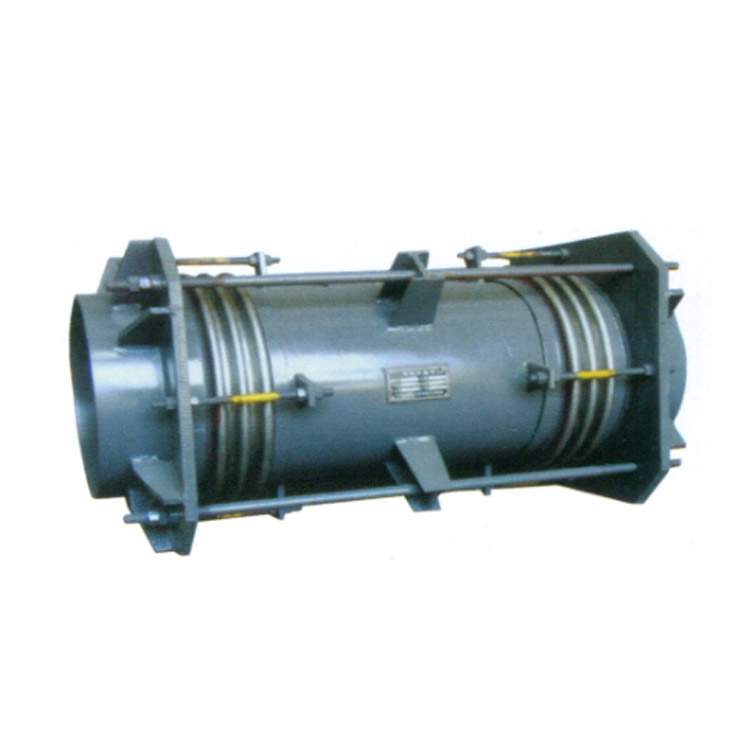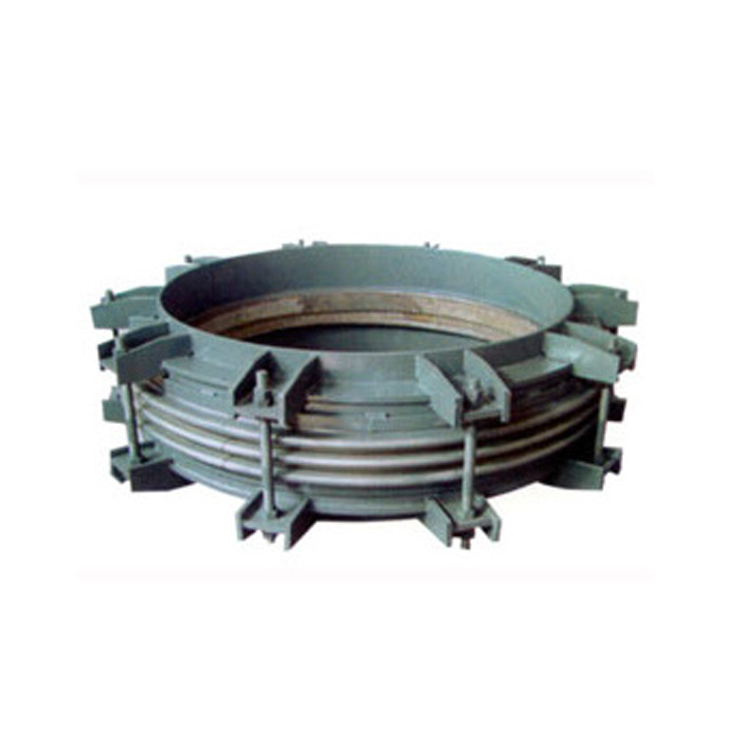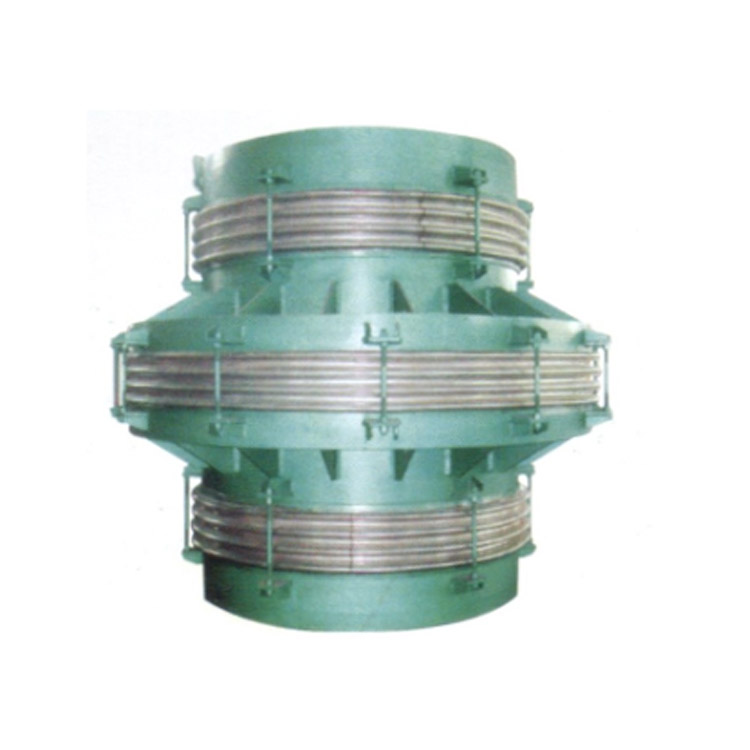
Design and manufacture bellows, expansion joints, compensators, stainless steel metal hoses, and other products
13962785889
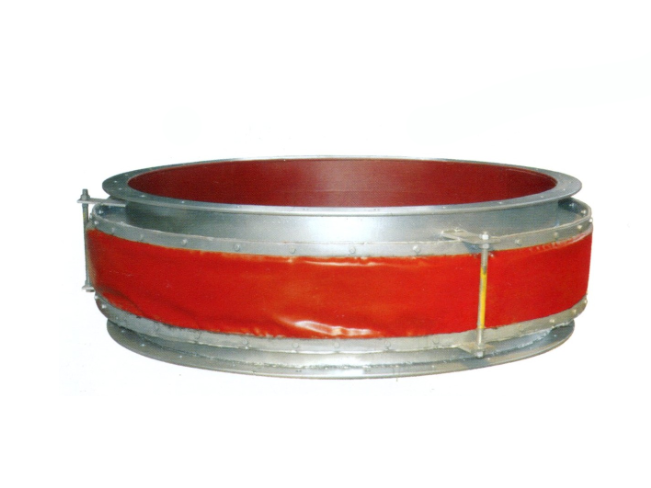
Corrugated tubes made of plastic and other materials play an irreplaceable role in areas such as medium conveyance, power wiring, machine tools, household appliances, and more. Let's take a look at the types and introductions of corrugated tubes together!
Bellows: Weighing Sensor in Pressure Test Meters. The cylindrical thin bellows with a large number of lateral corrugations has elasticity, allowing it to displace under the action of pressure, axial force, lateral force, or bending moment. Plastic bellows are divided into two types: one is completely airtight and watertight, used for transporting rocket propellants, gas, and water heaters; the other is made by continuously wrapping with tape, with a standard wrapping bellows used to protect cables for telephones, machine tools, etc., while the lamp bellows hold steel wire during the production process.
High-pressure resistance of plastic corrugated pipes prevents stray electrical current corrosion, while metallic materials are good conductors of electricity. Plastic corrugated pipes exhibit a diligent and studious nature, are not easily damaged by foot traffic, and are less prone to being crushed by vibration forces. Their sealing and waterproofing functions exceed those of standard corrugated pipes, making them suitable for vacuum pump casting. Non-conductive, plastic corrugated pipes can further enhance the fatigue relaxation of prefabricated components. The raw material for plastic corrugated pipes is HDPE.
Plastic corrugated pipes offer superior corrosion resistance compared to metal materials, being immune to acid and alkali corrosion, and do not corrode themselves, thus effectively protecting prestressed steel from corrosion. When post-tensioned prefabricated components suffer from ground waterproofing failure, microcracks in leakage, or clogged or failed drainage systems, many prestressed structures are subjected to severe external hazards such as molten salts and saltwater. These pipes can prevent harmful substances from permeating through the pipeline and contaminating the environment, as well as the actual impact of corrosion on prestressed steel. Plastic corrugated pipes provide a significantly better natural barrier for prestressed steel, ensuring that post-tensioned prestressed structures maintain excellent performance.
In the structural design of plastic corrugated pipes, after determining the outer and inner diameters, the wall thickness, corrugation spacing, and corrugation thickness are determined based on the inner or outer diameter at appropriate ratios. Generally, the basic size is the inner or outer diameter of the corrugated pipe, with other structural parameters being relative sizes. The specific structural parameters include the wave depth coefficient, wave shape, pipe thickness, wave spacing, and corrugation thickness.
1) The wave depth coefficient k (also known as the expansion coefficient) is the ratio of the outer diameter to the inner diameter of the bellows (i.e., K = D/d), an important parameter determining the bellows' geometric shape. The higher the value of k when determining the inner diameter d, the greater the bellows' height. The k value affects the bellows' performance and the forming process, with the difficulty of bellows forming increasing as k value rises.
2) The wall thickness of the bellows is also an important geometric parameter. The main characteristics of the bellows (stiffness and working hoop stress or hoop stiffness) depend on the geometric dimensions of the bellows, particularly the wall thickness.
3) A bellows refers to the wave shape and form that is cut along the axial direction. Bellows can be categorized by their geometric shapes into helical, U-shaped, C-shaped, S-shaped, V-shaped, and other forms. The wave pattern of the bellows affects its stiffness, displacement, and pressure-bearing capacity.
4) The spacing and thickness of the waves are crucial parameters for bellows and wave structures, with their ratio to the inner diameter decreasing as the inner diameter increases. They affect the effective length and performance of bellows. The trend and magnitude of wave spacing increase with the inner diameter. The distance and thickness of the waves determine the radius of the curvature at the peaks, troughs, and valleys. The wave thickness refers to the axial width of the outer wave part, which is larger. Once the wave spacing is determined, the wave thickness directly influences the radius of curvature at the peaks, crests, and troughs.
By molding process classification
Hydraulic forming of bellows is a commonly used method for forming bellows. The billet is then compressed to the required length. This method is often used for small-diameter bellows, where the liquid pressure within the billet expands it within the constraint ring until it yields along the ring. The rolling forming technology for bellows is mainly used for processing large-diameter bellows, achieved by rolling the billet with a forming wheel. This can be done with single wave rolling, and some devices can form multiple bellows at once.
Contact us

Service Hotline
13962785889
Company Telephone
13962785889

Address
Jiangsu Province Haian City Qingdun Industrial Park
b2b.china9.net © Zhongshang 114 Hebei Network Technology Co., Ltd.Address: Room 6009, Oriental New World Center, No.118 East Zhongshan Road, Qiaoxi District, Shijiazhuang City, Hebei ProvincePlatform Service Hotline: 4006299930