



- AllProduct Category
-
Stainless Steel Reactor
Electrically Heated Reactor Vessel
Fluorine-Resistant Reactor Liner
Fluorinated PTFE Pipe Fittings
Fluorine-Resistant Stirring Tank
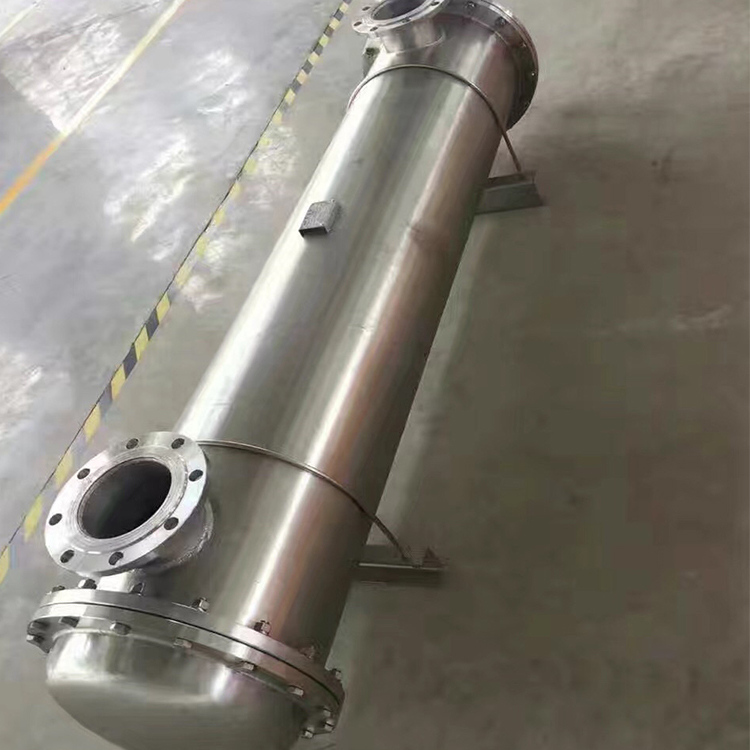
Fixed Tube Sheet Heat Exchanger
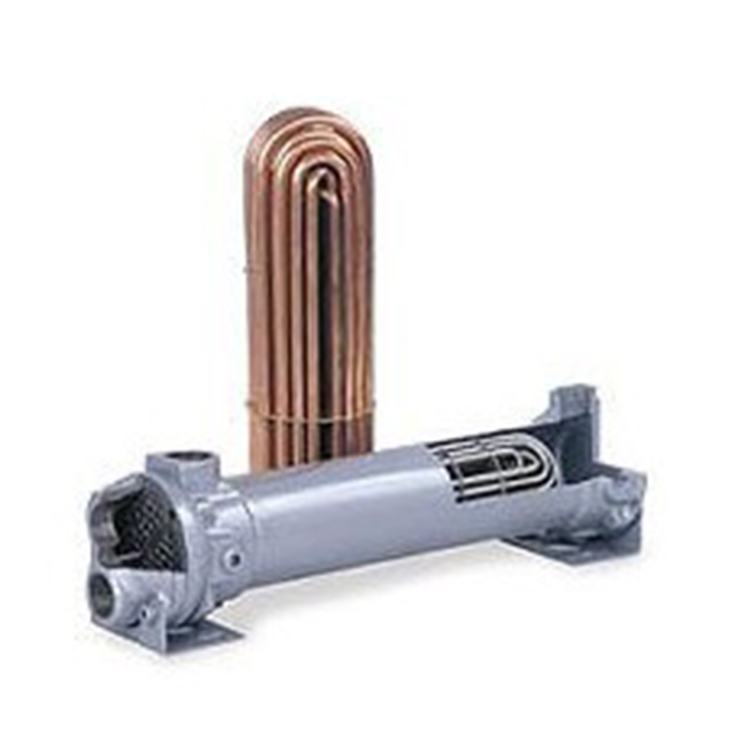
U-Tube Heat Exchanger
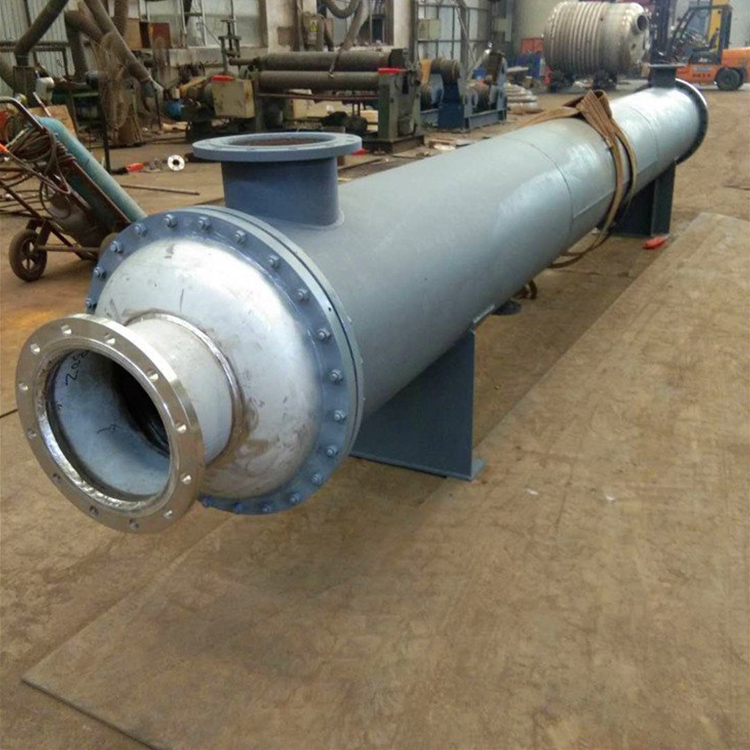
Shell and Tube Heat Exchanger
Ethanol Distillation Tower
Fluorine Liner Tower Section


详情描述
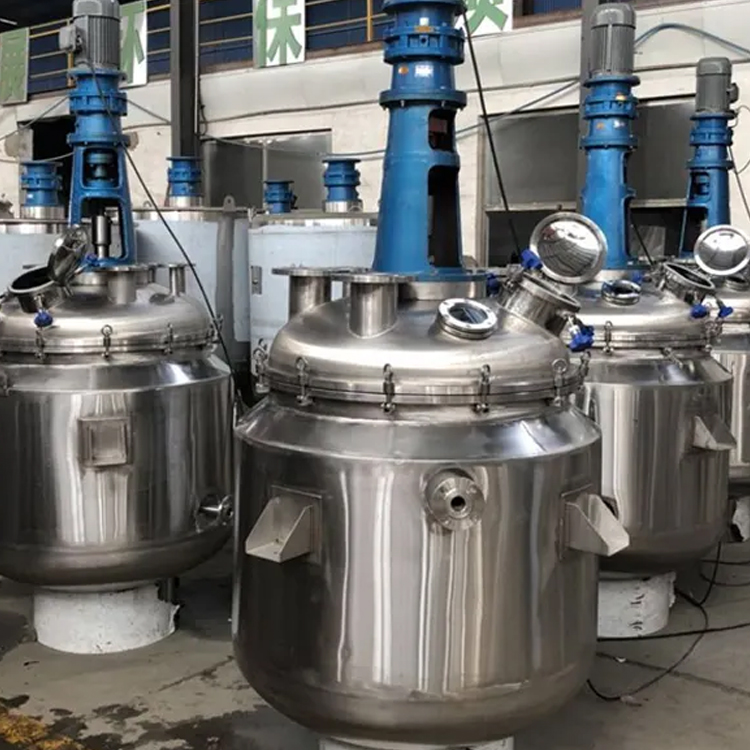
Stainless steel reactors feature rapid heating, high-temperature resistance, corrosion resistance, hygiene, environmental pollution-free, no need for boiler automatic heating, and ease of use. They are widely used in the petrochemical, rubber, dye, food industries, and for processes such as vulcanization, nitration, hydrogenation, hydrocarbonation, polymerization, and condensation. They rely on thorough mixing of the reactants and require agitators for effective heating, cooling, liquid extraction, and gas absorption processes. We can also design and process externally coiled reactors for our clients.
Structure and Performance:
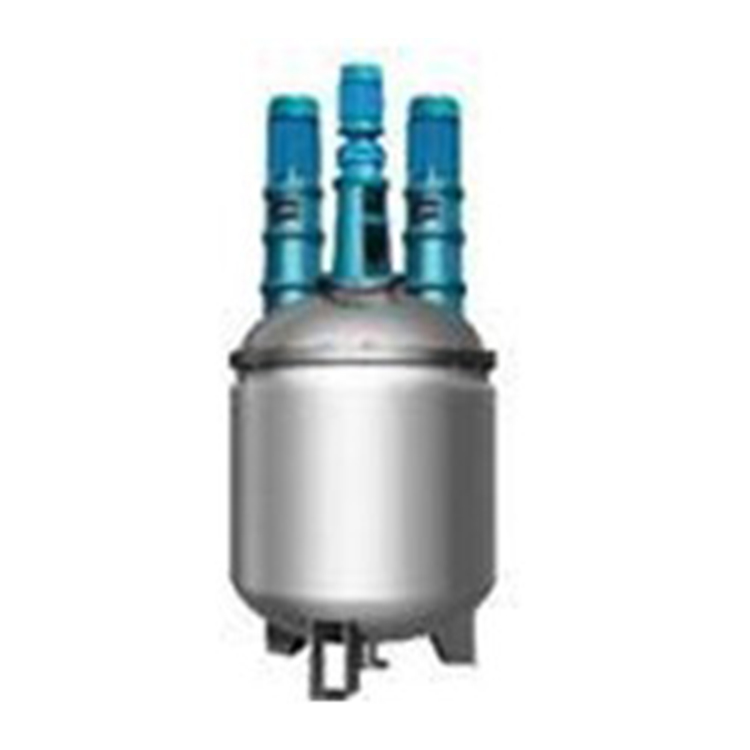
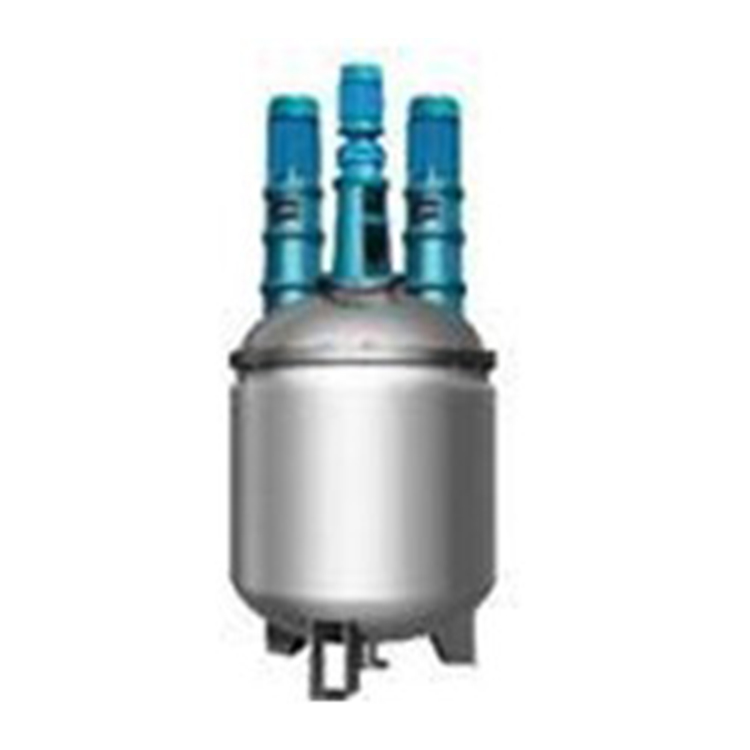
The reaction kettle is composed of the kettle body, lid, stirrer, electric heating oil clamp, support and transmission device, shaft seal, oil overflow trough, etc., and is equipped with an electric heating rod and temperature and pressure gauges. Due to the varying production processes and operating conditions among users, the stirring methods generally include anchor, paddle, turbine, propulsion, or frame types. The support base comes in two types: suspended or supported. The jacket is filled with heat-conducting oil, heated by an electric heating rod, and features inlet and outlet oil, overflow measurement, venting, and electric heating rod and temperature measurement connection ports. The jacket exterior is welded with a support, and the kettle body has an outlet opening at the bottom.
The pot and components can be made from stainless acid-resistant steel plates such as OCr18Ni9, 304, 321, 316L, 1Cr18Ni9Ti, 00Cr17Ni14Mo2, etc.
Stainless steel reaction kettles are categorized by material into all stainless steel, inner pot stainless steel jacketed carbon steel, electrically heated stainless steel reaction kettles, and outer tube stainless steel reaction kettles.
Due to varying production processes and operating conditions among users, jacketed heating types include electric rod heating, steam heating, and thermal oil circulation heating. shaft seal devices are divided into packed gland and mechanical seal, while mixing types include anchor, paddle, turbine, propeller, or frame.
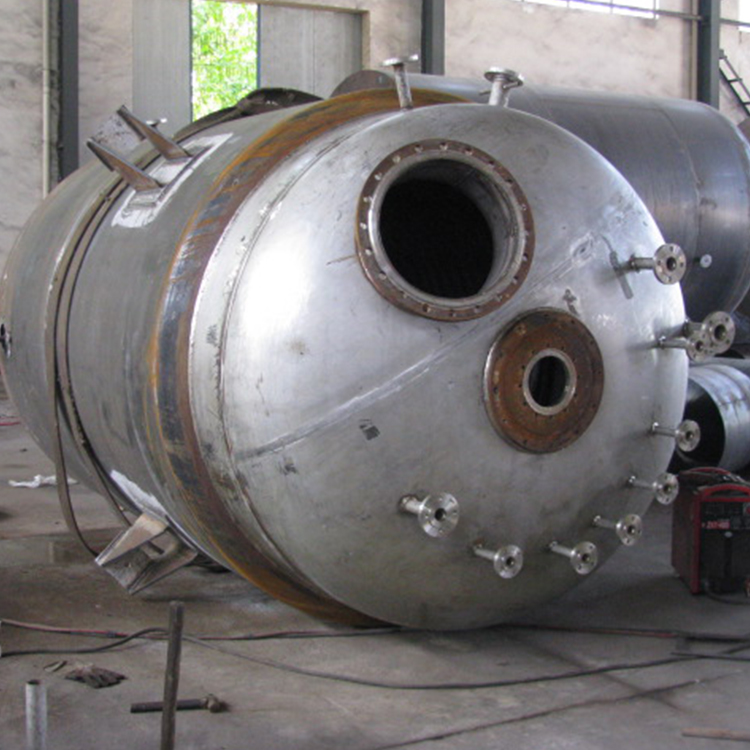
Hole quantities, sizes, or other specifications can be custom designed and manufactured according to customer requirements.
Stainless steel reactors are suitable for high-temperature and high-pressure chemical reaction tests in the petrochemical, metallurgy, scientific research, and colleges and universities sectors. They can achieve effective high agitation for both viscous and granular materials.
Advantages: In-stock wholesale, factory supply, corrosion-resistant, long service life