
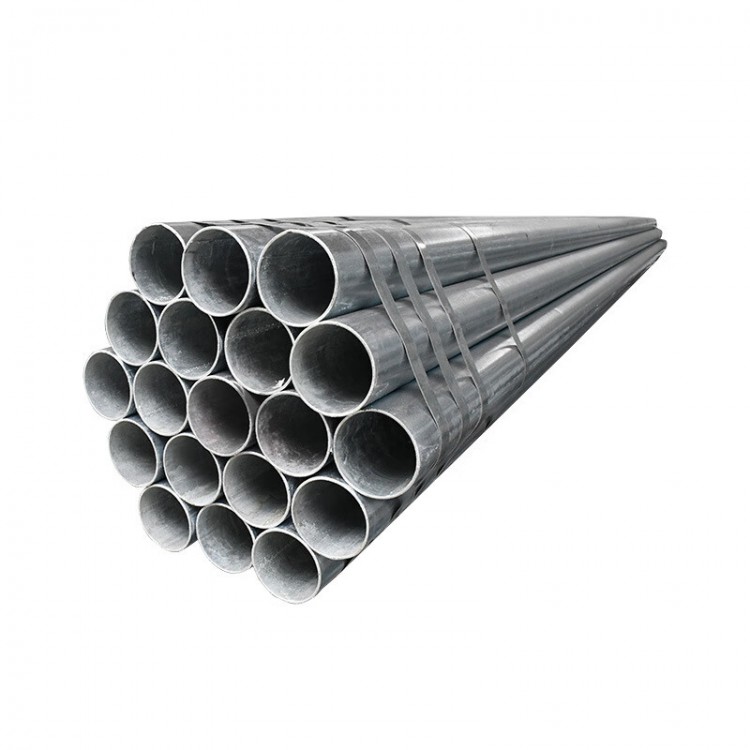
 Hot-Dip Galvanized Seamless Steel Pipe
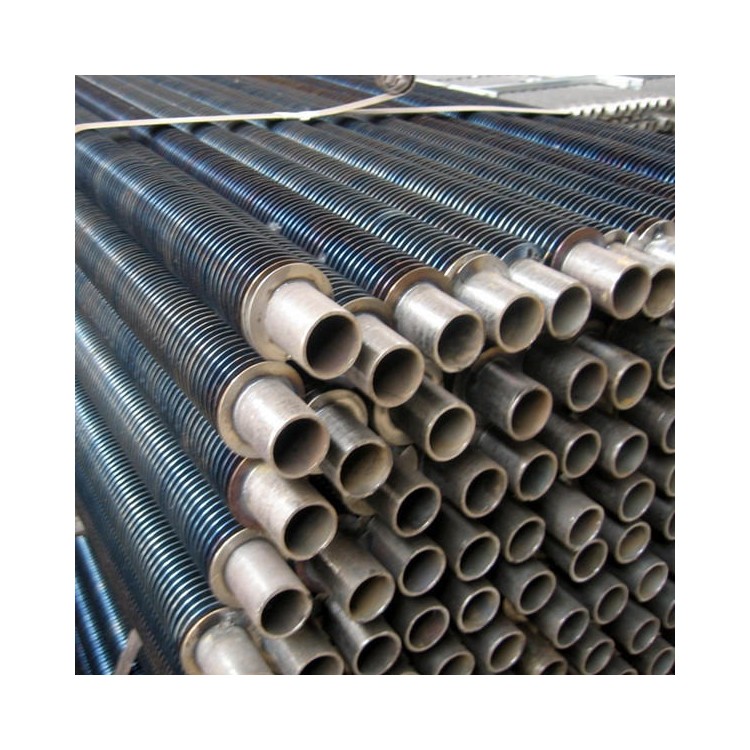 Fin-tube radiator manufacturer
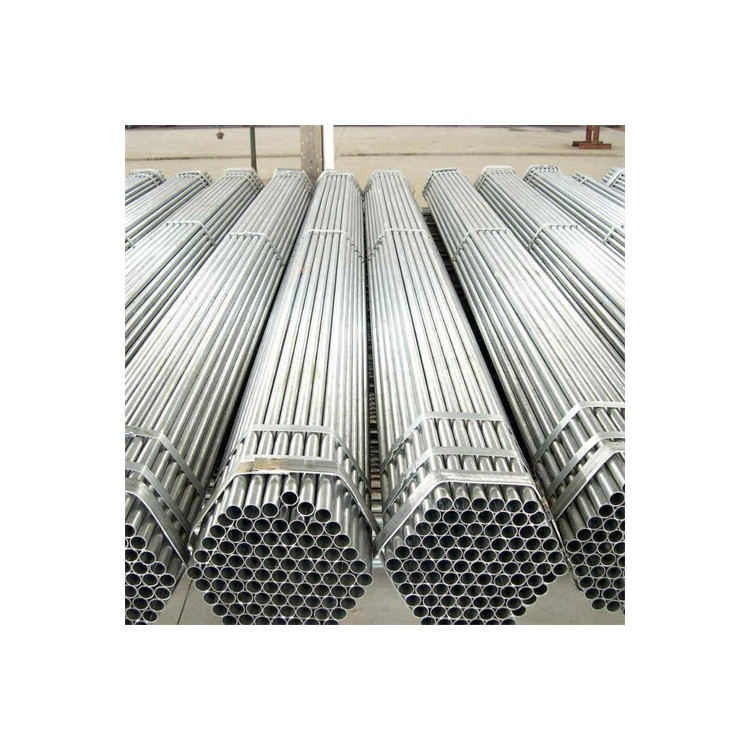 Hot-Dip Galvanized Round Pipe in Stock
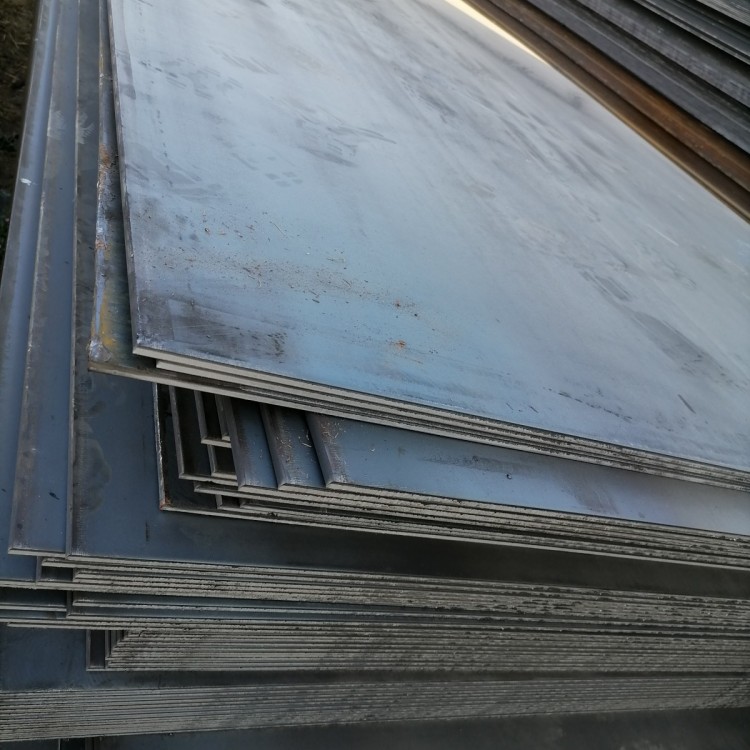 40cr Steel Plate, Sales of Shandong 40cr Alloy Steel Plate
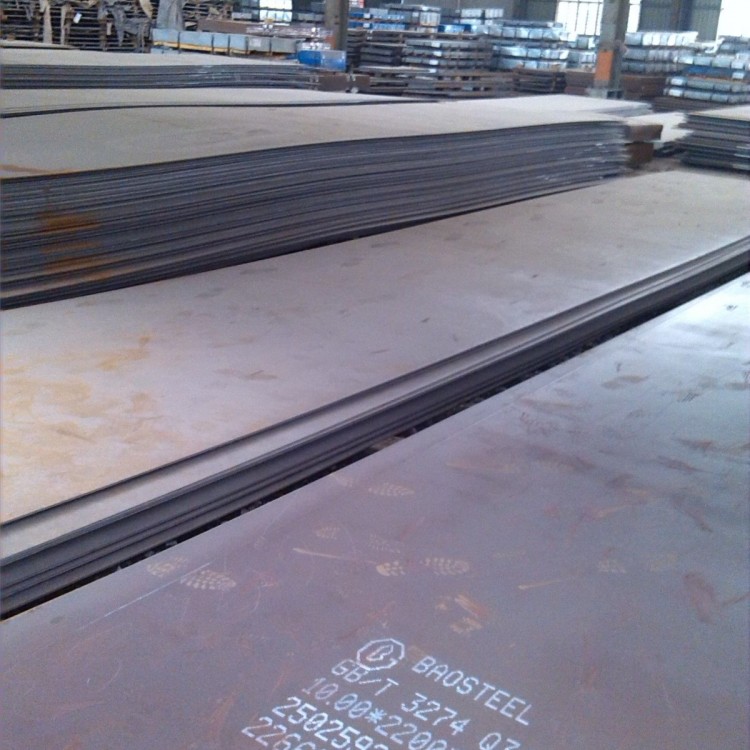 42crmo Steel Plate 42crmo Alloy Steel Plate
 Liaocheng High-frequency Welded 304 Stainless Steel Finned Tube Manufacturer
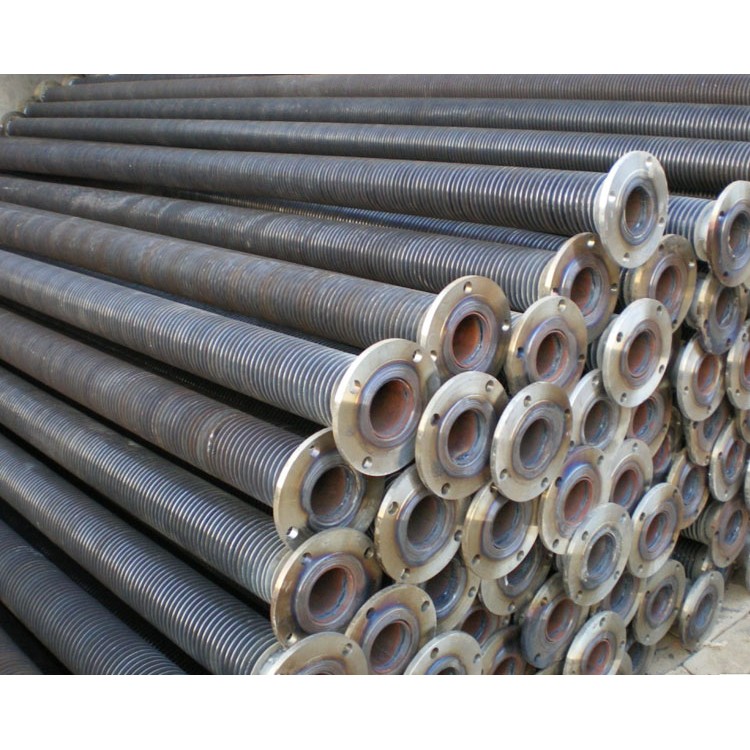 Finned tube radiator, carbon steel finned tube
Product Details

Seamless steel pipes, finned pipes, precision steel pipes, cold drawn steel p...



产品Price 4500.00/ton
最小起订Quantity:1 ton 供货总Quantity: 10000 ton


Hot-dip galvanized steel pipes are widely used in the manufacturing industries such as construction, machinery, coal mines, chemical industry, electricity, railway vehicles, automotive industry, highways, bridges, containers, sports facilities, agricultural machinery, petroleum equipment, prospecting machinery, and greenhouse construction. Galvanized steel pipes are焊接steel pipes with a hot-dipped or electro-galvanized zinc coating on the surface. The galvanizing enhances the corrosion resistance of the pipes, extending their service life. These pipes are widely used for various applications, including as pipeline tubes for water, gas, oil, and other low-pressure fluids. They are also employed in the oil industry, particularly for oil well pipes and oil transport pipes in offshore oil fields, as well as for oil heaters, condensers, and coolers in petrochemical coking equipment, and for pile tubes in bridges and support tubes in mine tunnels. Hot-Dip Galvanized Pipe Hot-dip galvanized pipes are formed by causing the molten metal to react with the iron substrate to produce an alloy layer, thereby combining the substrate and the coating. The hot-dip galvanizing process involves first cleaning the steel pipes to remove surface oxide iron. After cleaning, hot-dip galvanized pipes offer advantages such as even coating, strong adhesion, and long service life. The substrate of hot-dip galvanized steel pipes undergoes complex physical and chemical reactions with the molten coating solution, forming a tightly structured, corrosion-resistant zinc-iron alloy layer. This alloy layer merges with the pure zinc layer and the steel pipe substrate, thereby enhancing its corrosion resistance. Cold galvanized pipe Cold galvanized pipe, also known as electro-galvanized, has a minimal zinc coating of only 10-50g/m2, and its corrosion resistance is significantly lower compared to hot-dipped galvanized pipes. Genuine galvanized pipe manufacturers, to ensure quality, generally do not use electro-galvanized (cold galvanizing). Only small-scale, outdated equipment companies adopt electro-galvanizing, and naturally, their prices are relatively cheaper. The Ministry of Construction has officially issued a directive to phase out outdated cold galvanized pipe technology, prohibiting its use as water and gas pipes. The zinc coating on cold galvanized steel pipes is an electroplated layer, with the zinc layer and the steel pipe base forming separate layers. The zinc layer is thin, simply adhering to the steel pipe base, and is prone to falling off. Therefore, its corrosion resistance is poor. The use of cold galvanized steel pipes as water supply pipes in new residential buildings is prohibited. Weight coefficient Nominal Wall Thickness (mm): 2.0, 2.5, 2.8, 3.2, 3.5, 3.8, 4.0, 4.5. Coefficient Parameters (c): 1.064, 1.051, 1.045, 1.040, 1.036, 1.034, 1.032, 1.028. Note: The mechanical properties of steel are a crucial indicator for ensuring the final performance (mechanical properties) of steel, which depend on the chemical composition and heat treatment process. In the steel pipe standards, different usage requirements dictate the tensile properties (tensile strength, yield strength or yield point, elongation), hardness, toughness indices, as well as high and low-temperature properties required by the user. Steel Grades: Q215A; Q215B; Q235A; Q235B. Test Pressure Value/Mpa: For D10.2-168.3mm, it is 3Mpa; for D177.8-323.9mm, it is 5Mpa. Current Galvanized Pipe National Standards and Size Standards GB/T3091-2015 Welded Steel Pipe for Low-Pressure Fluid Transportation GB/T 13793-2016 Seamless Welded Steel Pipe GB/T 21835-2008 Welded Steel Pipe Dimensions and Unit Length Weight


