
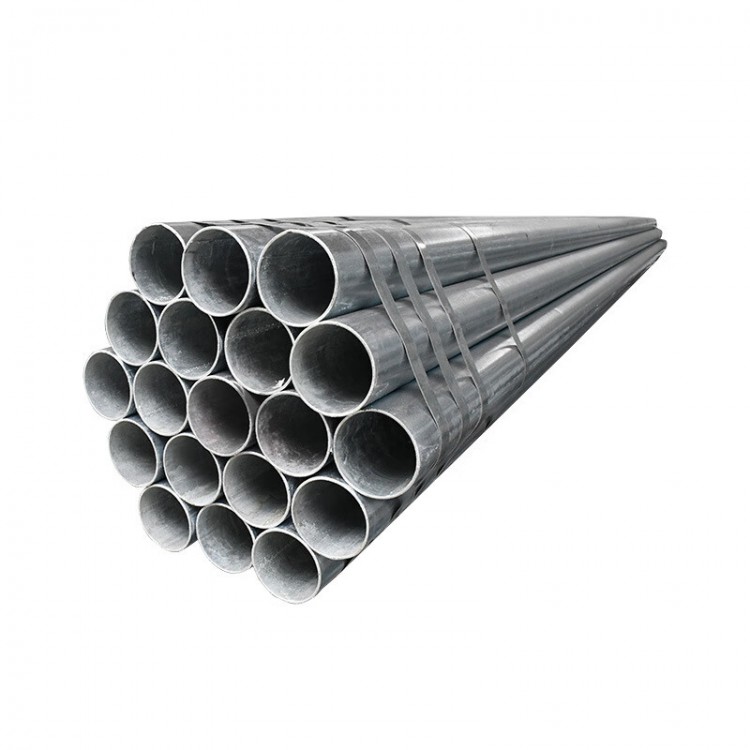
 Hot-Dip Galvanized Seamless Steel Pipe
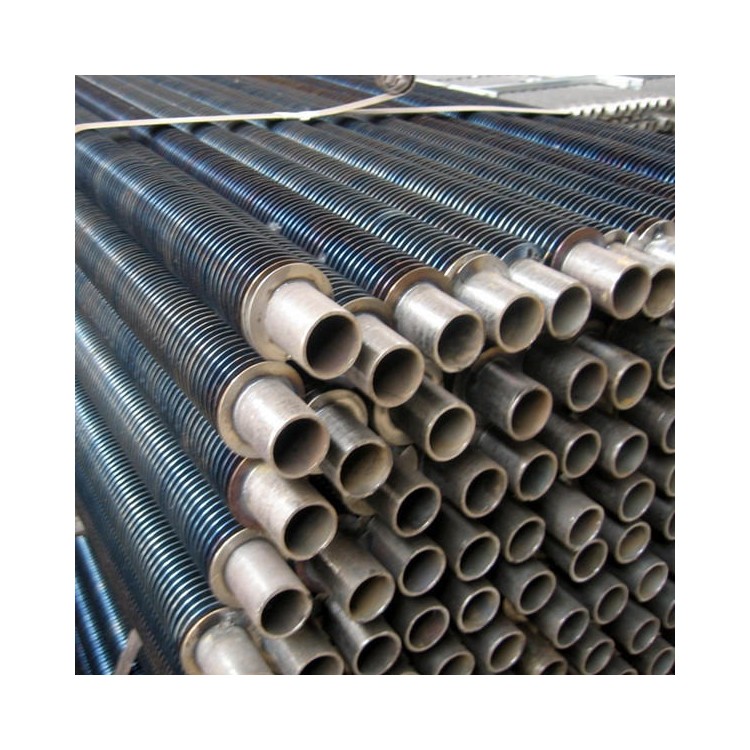 Fin-tube radiator manufacturer
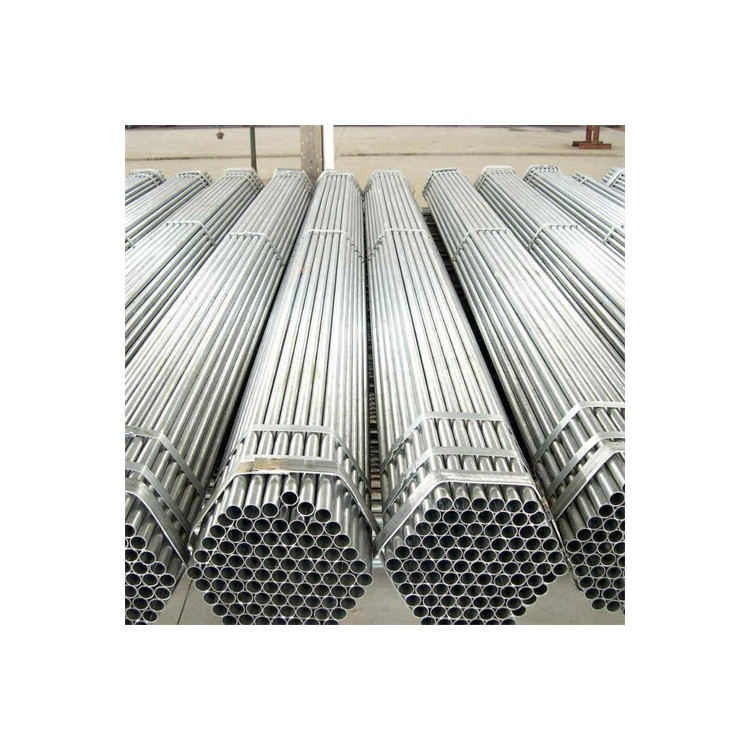 Hot-Dip Galvanized Round Pipe in Stock
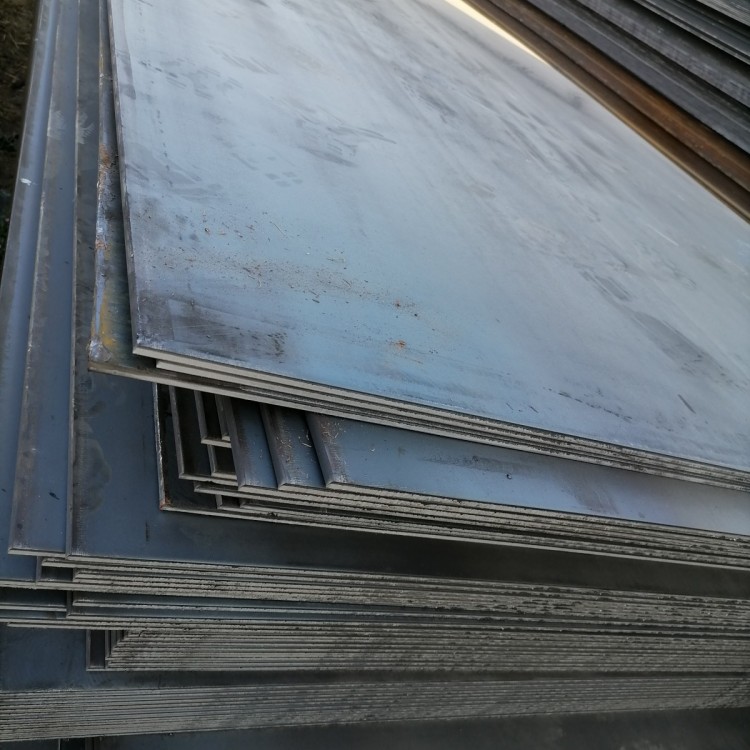 40cr Steel Plate, Sales of Shandong 40cr Alloy Steel Plate
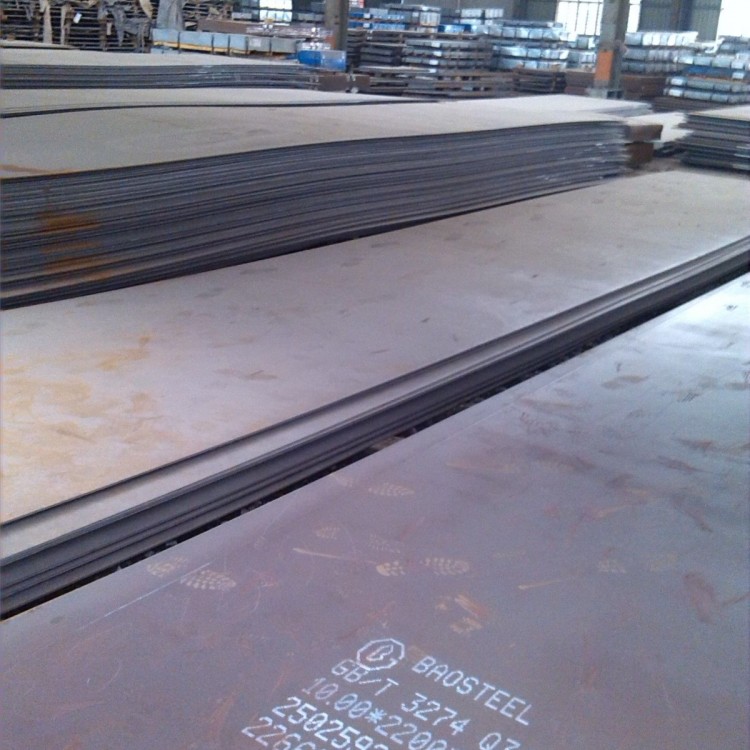 42crmo Steel Plate 42crmo Alloy Steel Plate
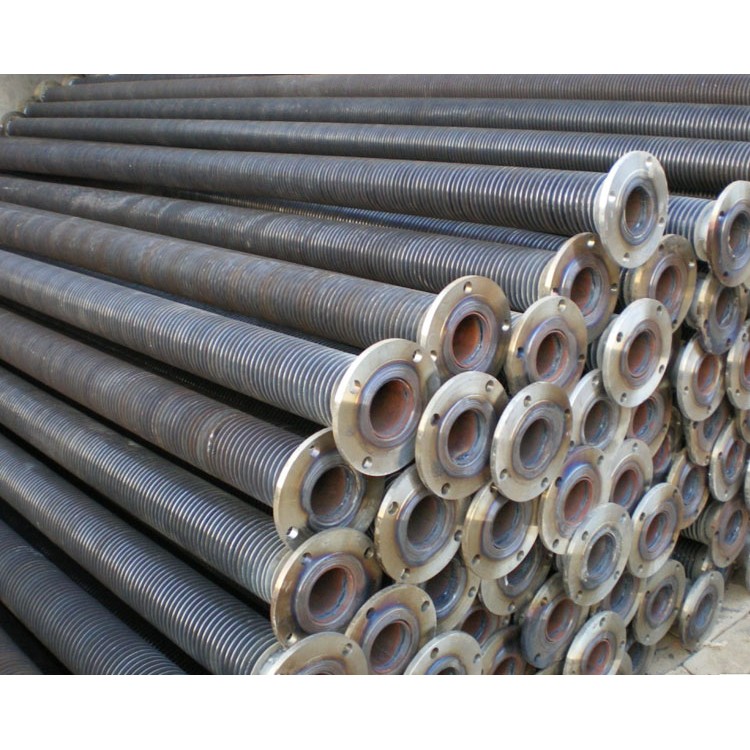 Finned tube radiator, carbon steel finned tube
Product Details

Seamless steel pipes, finned pipes, precision steel pipes, cold drawn steel p...



产品Price 50.00/Branch
最小起订Quantity:1 Branch 供货总Quantity: 10000 Branch


Assorted Fin Flakes The套装fin technology involves pre-pressing a batch of individual fins using a punch press, and then assembling them onto the outer surface of the tube manually or mechanically, with fins spaced at a certain pitch. It is one of the earliest methods for manufacturing finned tubes. Due to its simplicity, low technical requirements, affordable equipment costs, and ease of maintenance, many factories still use this process today. This technique is labor-intensive and suitable for small factories or rural enterprises with limited capital and technology. Hand-assembled kits are those assembled manually. This process involves using tools to individually press the fins into place, relying on human strength. Due to the limited pressing force on the fins, the over-sizing of the kits is minimal, leading to a tendency for the fins to become loose. The mechanical fin sets are assembled on a fin set machine. Since the fins are pressed in by mechanical impact force or hydraulic pressure, the pressing force is significant, allowing for a larger interference fit. The bond between the fins and the tube is strong, making it less prone to loosening. Machines with mechanical transmission have high production rates but are noisy, have poor safety, and provide subpar working conditions for workers. While hydraulic transmission does not have the aforementioned issues, the equipment is more expensive and requires a higher technical skill level from the maintenance staff. Additionally, its production rate is slightly lower. Inset spiral fins Spiral fin tubes with embedded fins are manufactured by pre-processing a certain width and depth of spiral grooves on steel pipes, and then embedding steel strips onto the pipes using a lathe. During the winding process, due to a certain pre-tension, the steel strips are tightly clamped within the spiral grooves, ensuring a certain contact area between the steel strips and the steel pipes. To prevent the steel strips from rebounding and detaching, the ends of the strips must be welded to the steel pipes. To facilitate embedding, there should be a certain lateral gap between the steel strips and the spiral grooves. If the lateral gap is too small, it results in interference fit, making the embedding process difficult. Additionally, the wound steel strips will always have some degree of rebound, which leads to poor adhesion between the steel strips and the bottom surface of the spiral grooves. Fins can be embedded on general-purpose equipment at a low cost, but the process is complex and has low production efficiency. Soldered Spiral Fin Tube The fabrication of brazed helical finned tubes is done in two steps. First, the steel strip is wrapped around the outer surface of the tube in a spiral manner, perpendicular to the tube's axis, with the ends of the steel strip焊接 onto the steel tube to secure it. Then, to eliminate the gap at the contact point between the steel strip and the steel tube, brazing is used to join the steel strip and the steel tube together. This method is often replaced by an alternative due to its high cost, which involves placing the steel-banded tubes into a zinc bath for overall hot-dip galvanizing. While the galvanizing solution may not effectively penetrate the gaps between the fins and the steel tubes, a complete galvanized layer is formed on the outer surfaces of both the fins and the steel tubes. However, spiral finned tube with overall hot-dip galvanizing is still limited by the thickness of the galvanized layer (thicker galvanizing results in poor adhesion and increased risk of flaking), and since the zinc bath cannot fully infiltrate the gaps, the bonding rate between the fins and the steel tubes remains low. Additionally, zinc has a lower thermal conductivity than steel (about 78% of steel's), leading to reduced heat transfer capabilities. Zinc corrodes in and with compounds, making galvanized spiral finned tubes unsuitable for air preheaters (for recovering excess heat from flue gas in recovery boilers). High-frequency Welded Spiral Fin High-frequency welded spiral finned tubes are one of the most widely used types of spiral finned tubes, now extensively applied in the waste heat recovery of power, metallurgy, and cement industries, as well as in the petrochemical industry. High-frequency welding spiral finned tubes are焊接 by simultaneously wrapping steel strips around a steel pipe, utilizing the skin effect and proximity effect of high-frequency currents to heat the outer surface of the steel strip and steel pipe until they reach a plastic state or melt. The welding is completed under a certain pressure on the wrapped steel strip. This high-frequency welding is essentially a solid-state welding. Compared to methods like embedding, brazing (or integral hot-dip galvanizing), it offers superior quality in terms of product quality (with a high welding rate of fins up to 95%), as well as higher productivity and automation levels.

