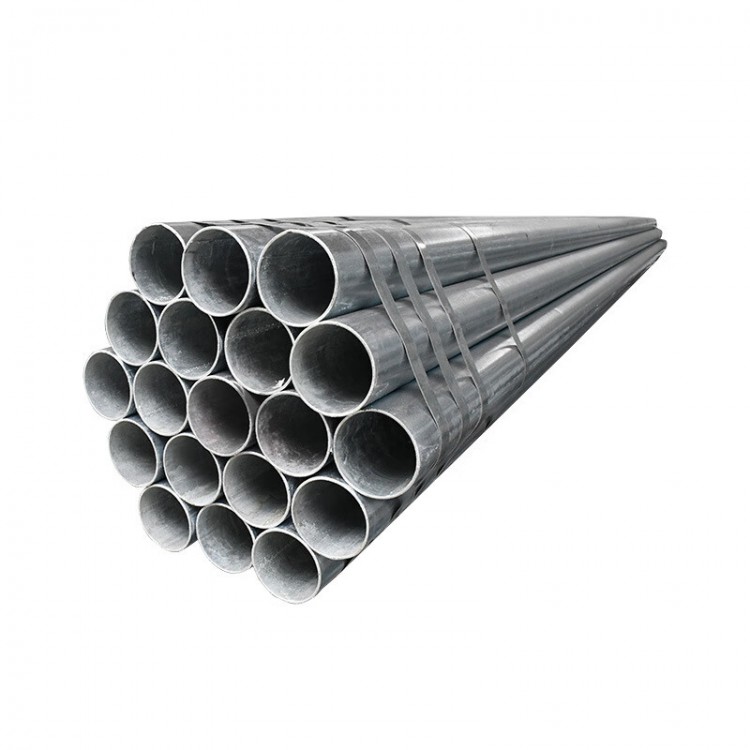
 Hot-Dip Galvanized Seamless Steel Pipe
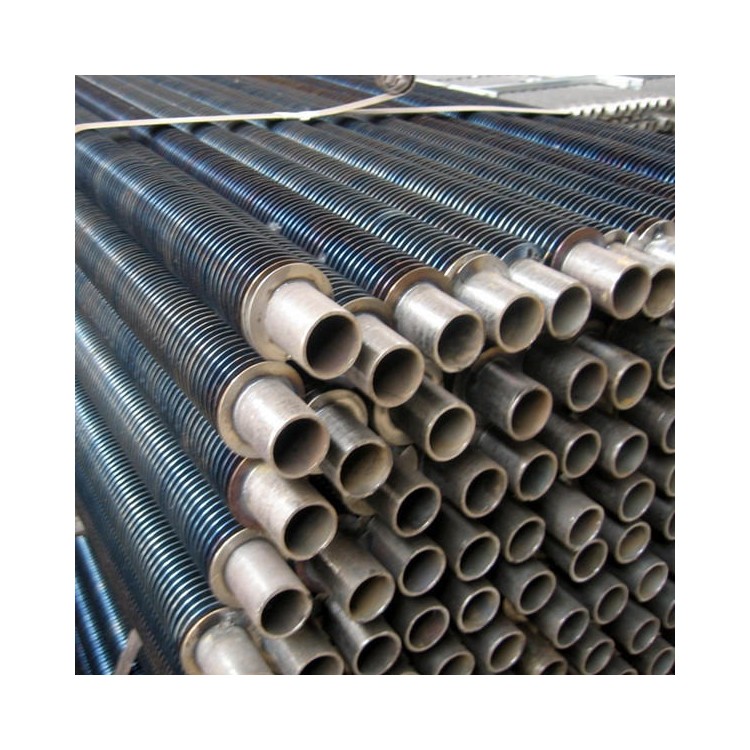 Fin-tube radiator manufacturer
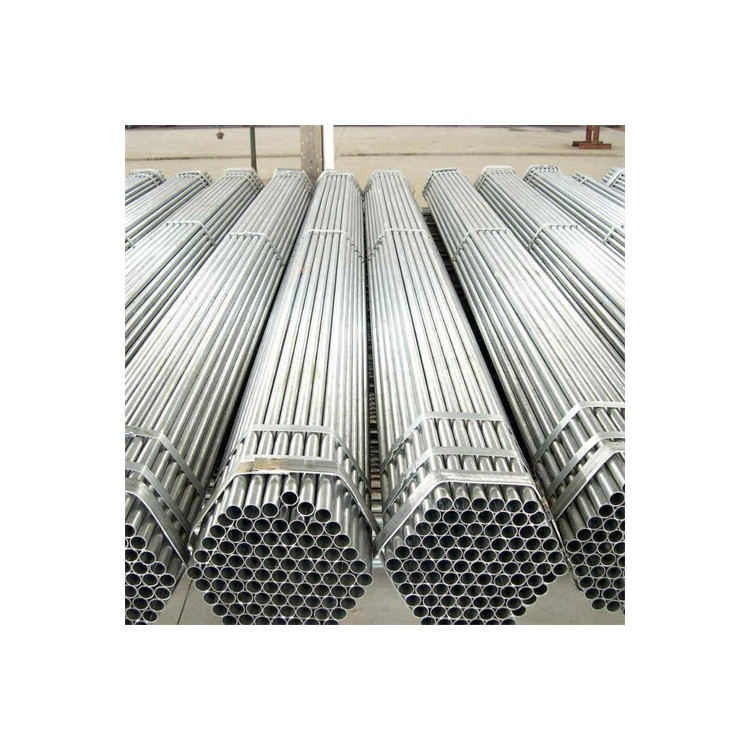 Hot-Dip Galvanized Round Pipe in Stock
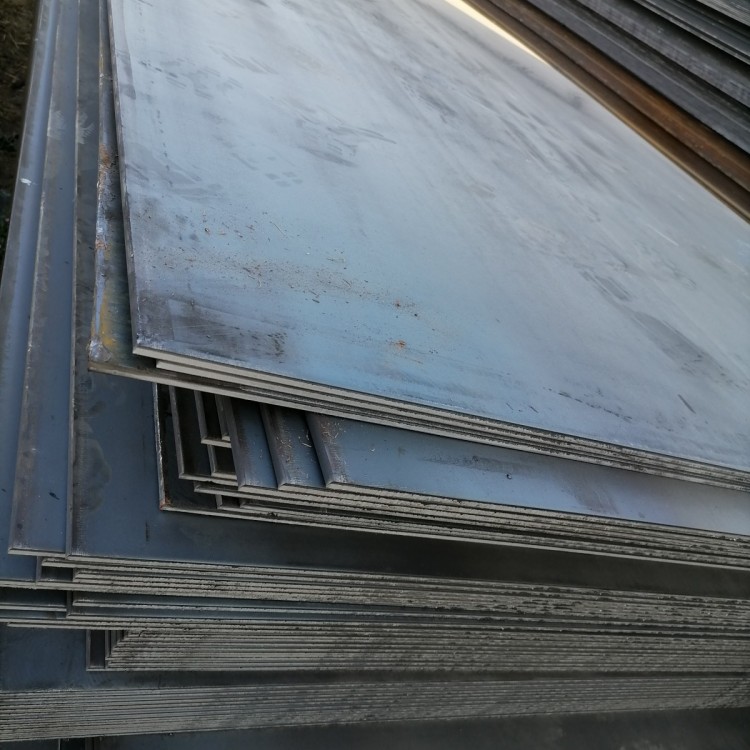 40cr Steel Plate, Sales of Shandong 40cr Alloy Steel Plate
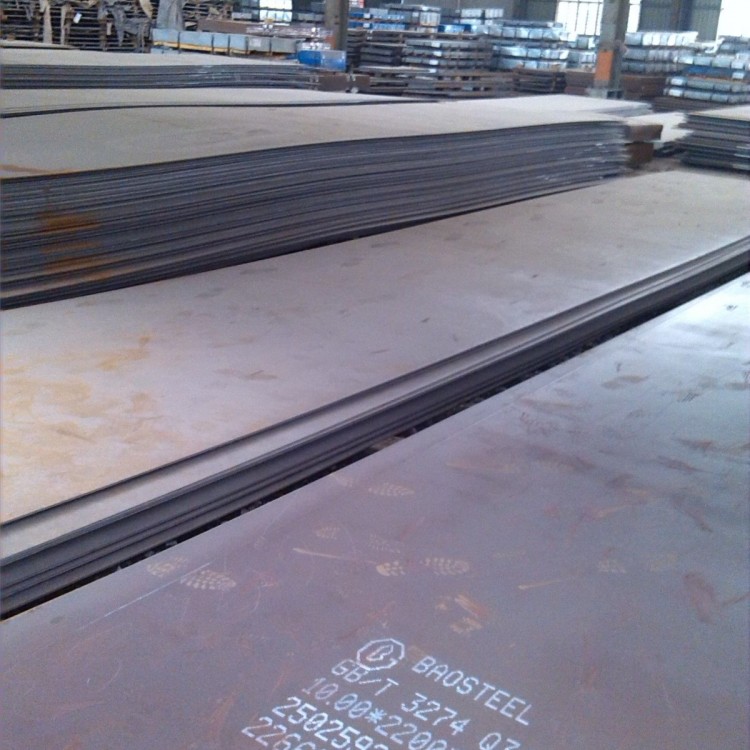 42crmo Steel Plate 42crmo Alloy Steel Plate
 Liaocheng High-frequency Welded 304 Stainless Steel Finned Tube Manufacturer
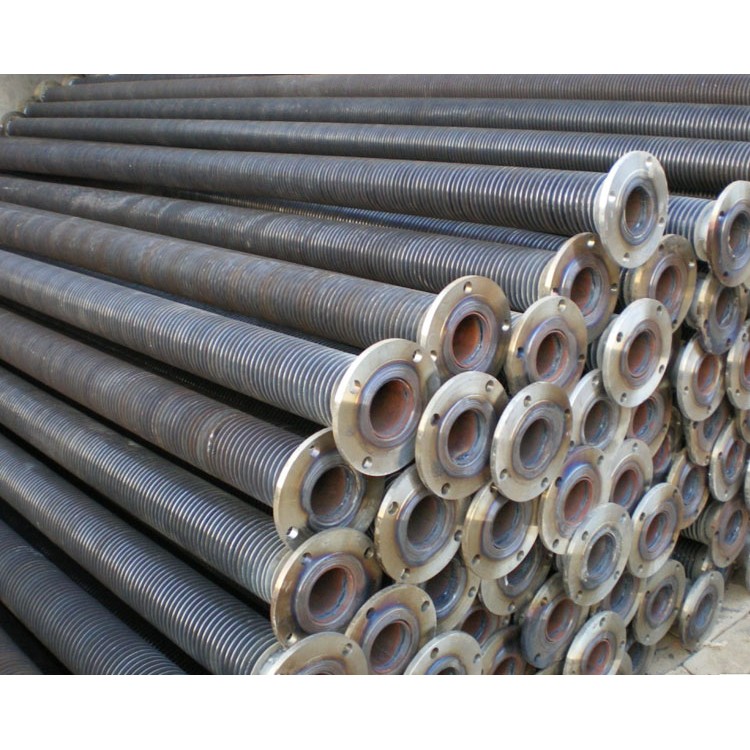 Finned tube radiator, carbon steel finned tube
Product Details

Seamless steel pipes, finned pipes, precision steel pipes, cold drawn steel p...


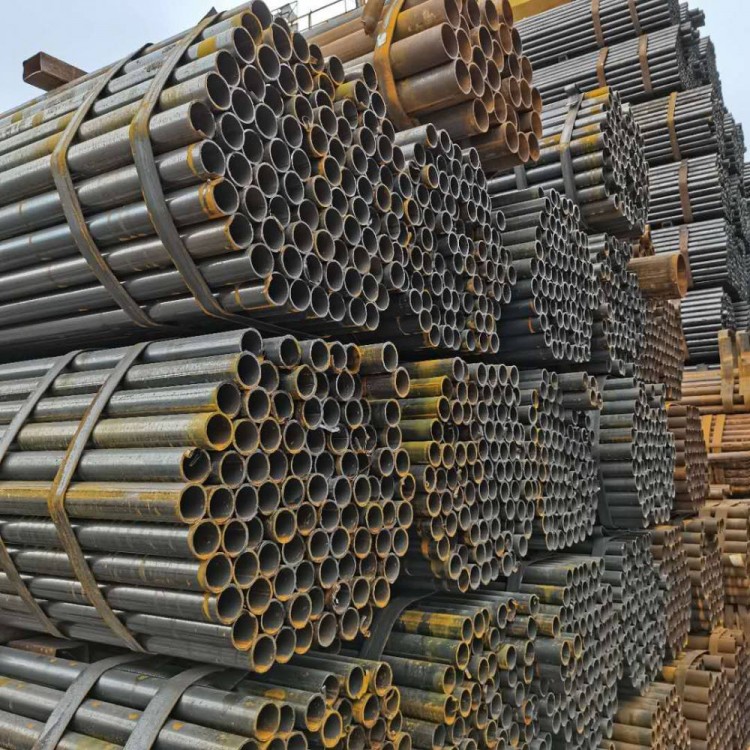


产品Price 4500.00/ton
最小起订Quantity:1 ton 供货总Quantity: 999 ton


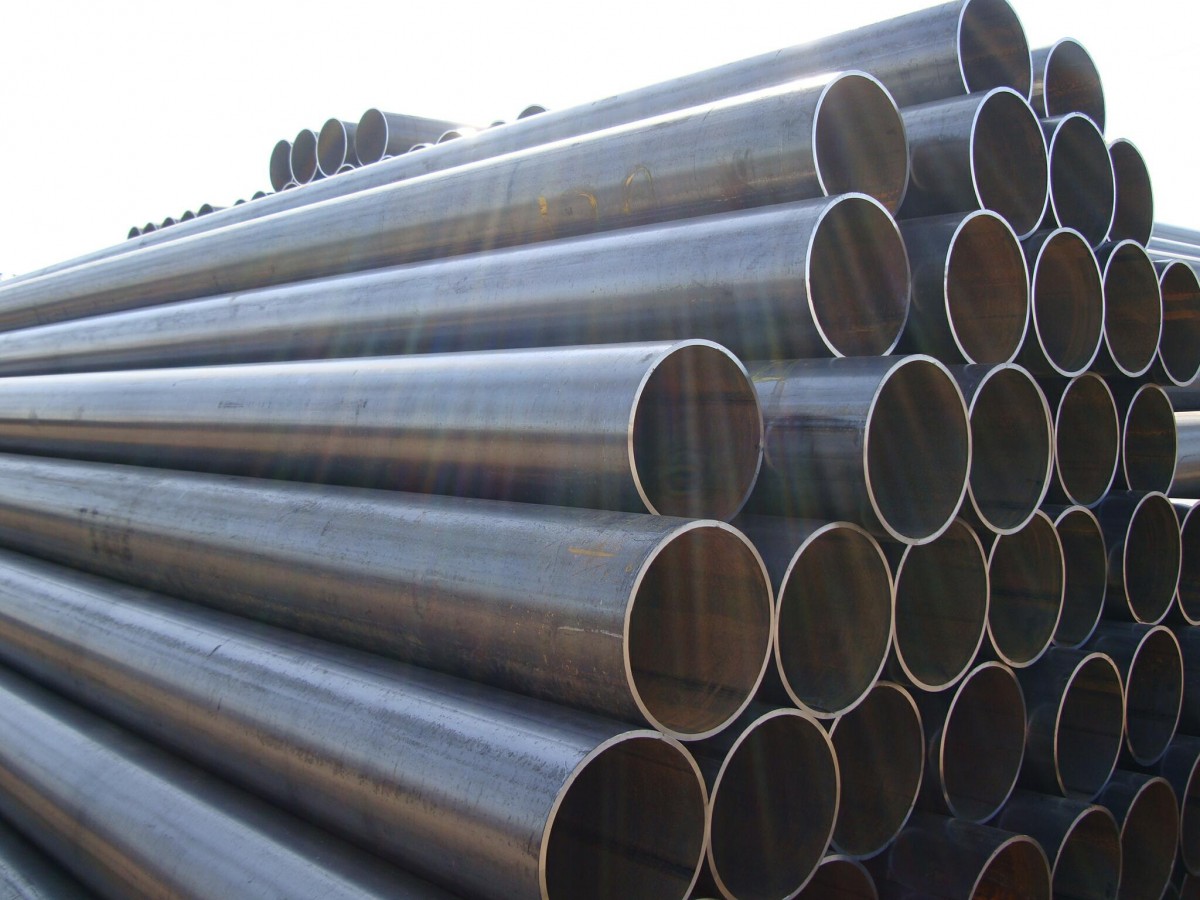
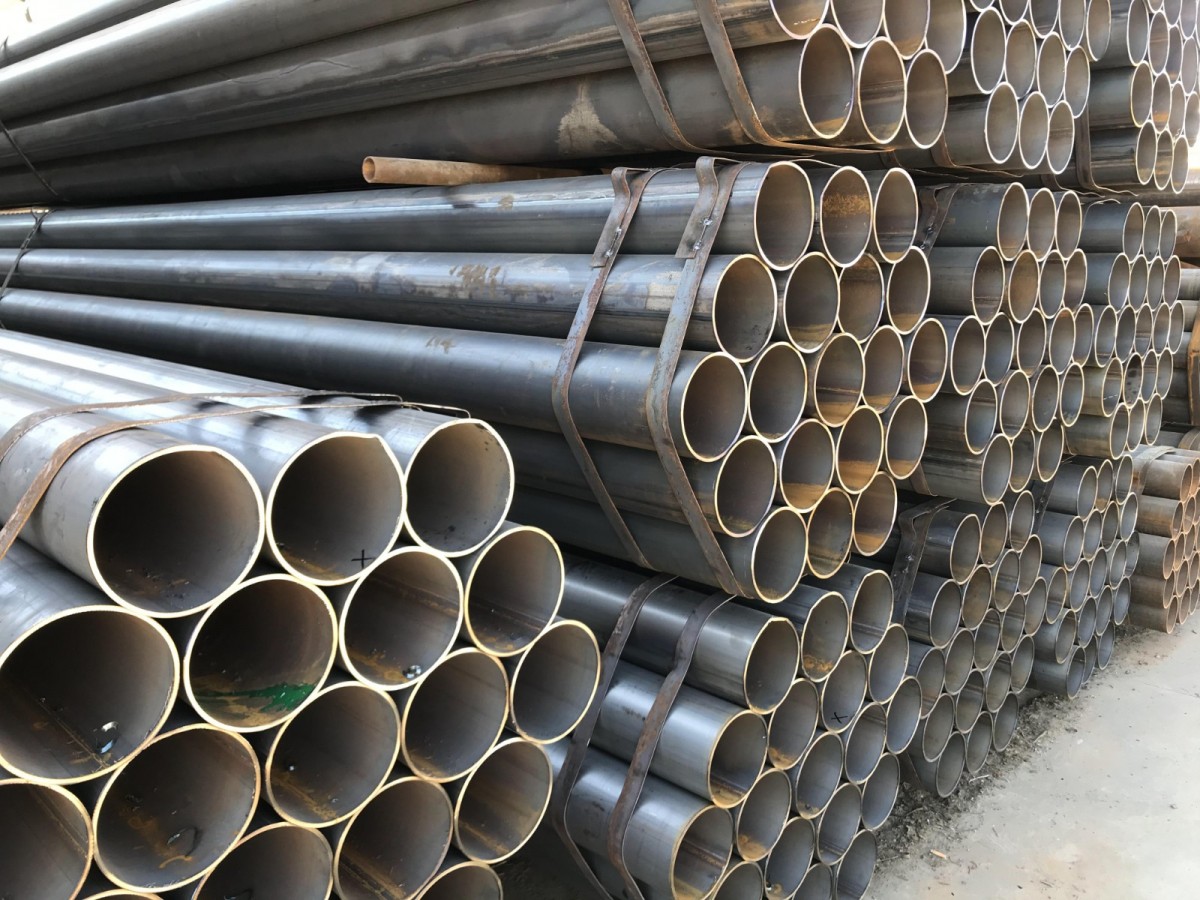
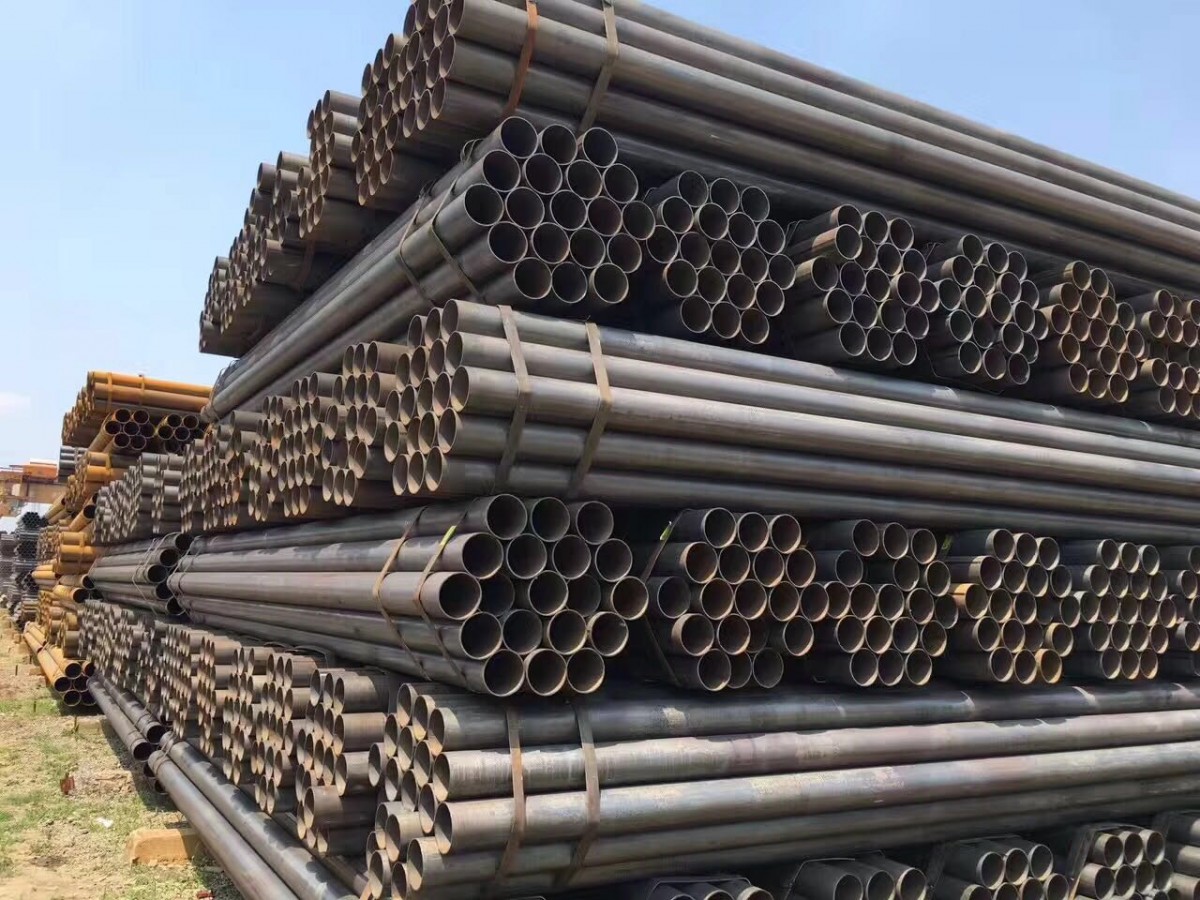
Welded steel pipes, also known as weld pipe, are made by welding steel plates or strips after rolling and shaping, typically cut to 6 meters in length. The production process of welded steel pipes is simple, with high efficiency, a wide variety of specifications, low equipment investment, but generally lower strength than seamless steel pipes. Since the 1930s, with the rapid development of continuous rolling production of strip steel and advancements in welding and inspection technology, the quality of welds has continually improved, and the variety and specifications of welded steel pipes have increased, replacing seamless steel pipes in more and more fields. Welded steel pipes are categorized by the type of weld as straight seam weld pipe and spiral seam weld pipe. Classified by production methods: Welded Pipe Categories - Arc Welded Pipe, Resistance Welded Pipe, (High-frequency, Low-frequency) Gas Welded Pipe, Furnace Welded Pipe. Smaller diameter pipes are usually seam-welded, while larger diameter pipes often use spiral welding; pipes are classified by end shape into round pipes and non-standard (square, rectangular, etc.) pipes; and by material and application into mining fluid conveyance welded pipes, galvanized welded pipes for low-pressure fluid conveyance, belt conveyor roller electric arc welded pipes, etc. According to the specification and size table in the current national standard, they are sorted from small to large by outer diameter * wall thickness. Common materials for standard welded pipes include: Q235A, Q235C, Q235B, 16Mn, 20#, Q345, L245, L290, X42, X46, X60, X80, 0Cr13, 1Cr17, 00Cr19Ni11, 1Cr18Ni9, 0Cr18Ni11Nb, etc. Welded pipes use steel plates or strips as blanks and are divided into furnace welded pipes, electric arc (resistance welding) pipes, and automatic electric arc welded pipes due to different welding processes. They are divided into straight seam welded pipes and spiral welded pipes due to different welding forms. They are further divided into round pipes and non-standard (square, flat, etc.) pipes due to their end shapes. Welded pipes are categorized into several types based on their material and application, including: GB/T3091-2008 (Welded pipes for low-pressure fluid conveyance): Mainly used for conveying water, gas, air, oil, heating hot water, or steam, and other low-pressure fluids and other applications. The representative material is Q235A-grade steel. GB/T14291-2006 (Welded pipes for mining fluid conveyance): Mainly used for straight seam welded pipes for mine air pressure, drainage, shaft gas release, etc. The representative material is Q235A, B-grade steel. GB/T12770-2002 (Welded stainless steel pipes for mechanical structures): Mainly used for machinery, cars, bicycles, furniture, hotel and restaurant decoration, and other mechanical components and structures. The representative materials include 0Cr13, 1Cr17, 00Cr19Ni11, 1Cr18Ni9, 0Cr18Ni11Nb, etc. GB/T12771-1991 (Welded stainless steel pipes for fluid conveyance): Mainly used for conveying low-pressure corrosive media. Representative materials include 0Cr13, 0Cr19Ni9, 00Cr19Ni11, 00Cr17, 0Cr18Ni11Nb, 0017Cr17Ni14Mo2, etc. Additionally, decorative welded stainless steel pipes (GB/T 18705-2002), decorative architectural stainless steel welding pipes (JG/T 3030-1995), and heat exchanger welded pipes (YB4103-2000).