
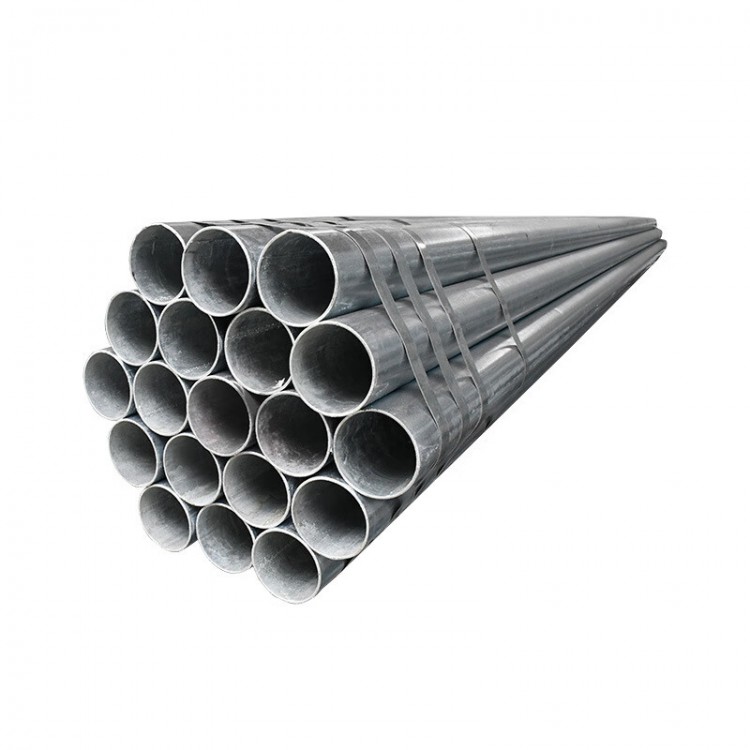
 Hot-Dip Galvanized Seamless Steel Pipe
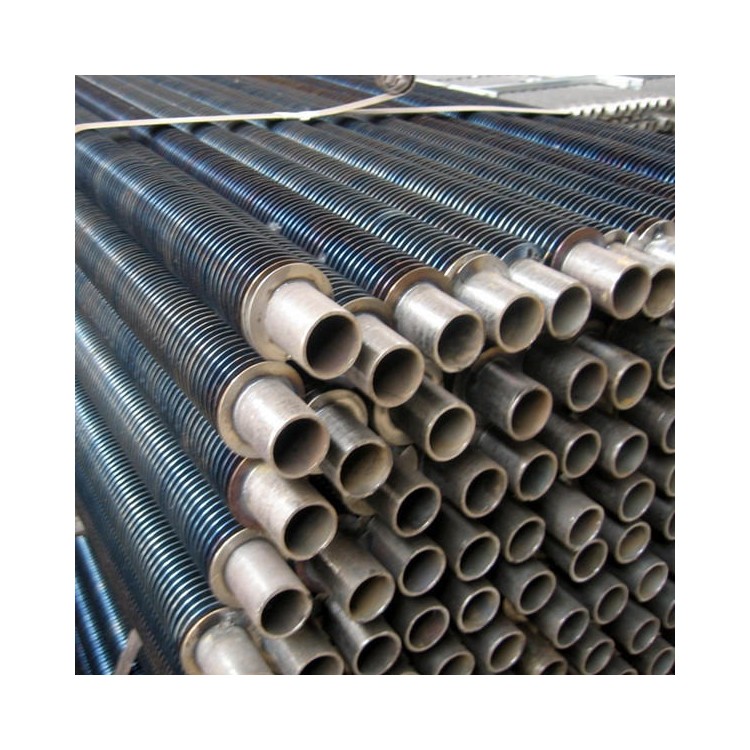 Fin-tube radiator manufacturer
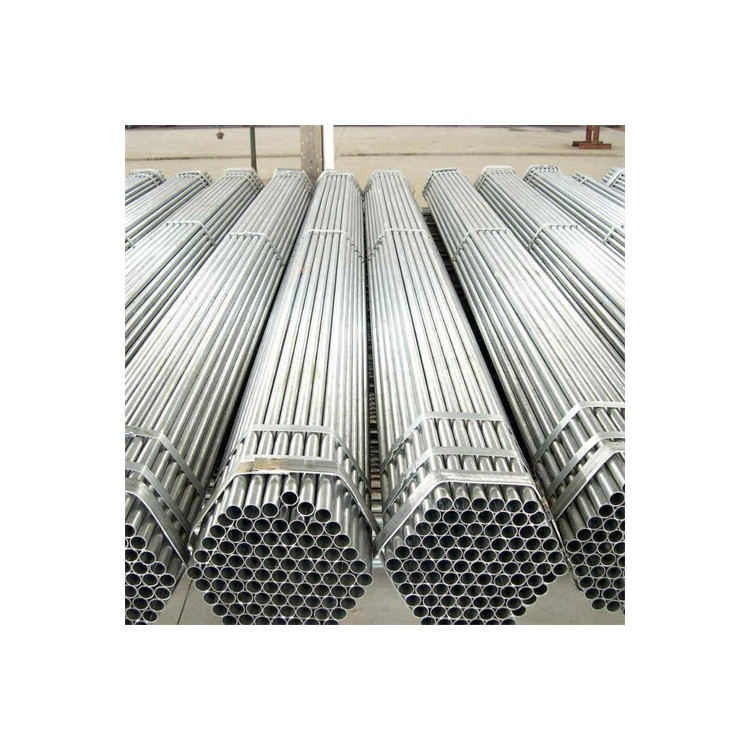 Hot-Dip Galvanized Round Pipe in Stock
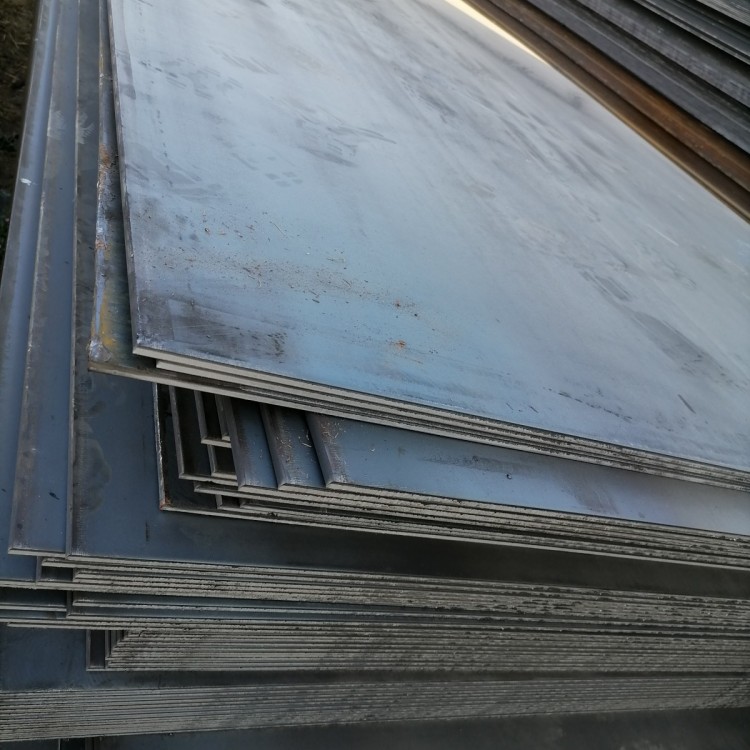 40cr Steel Plate, Sales of Shandong 40cr Alloy Steel Plate
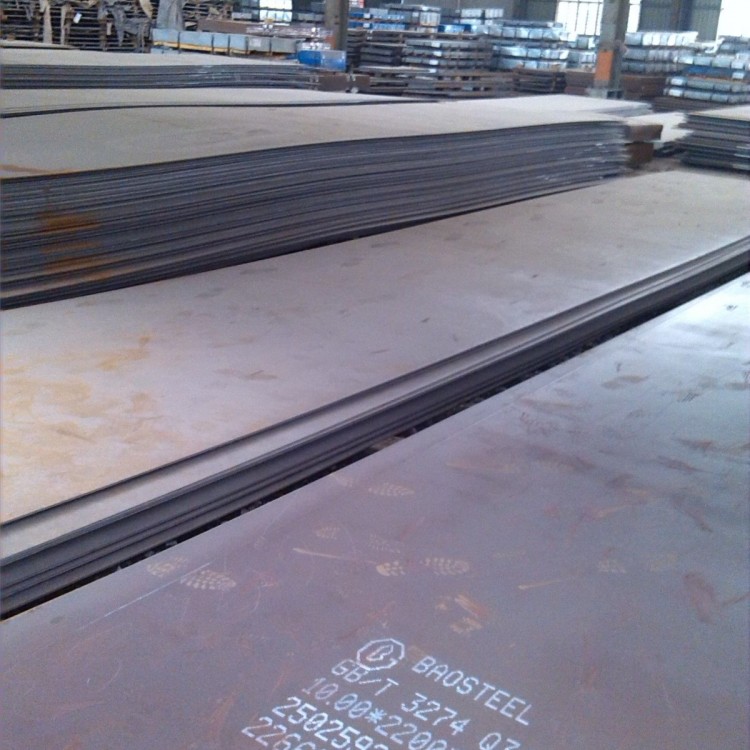 42crmo Steel Plate 42crmo Alloy Steel Plate
 Liaocheng High-frequency Welded 304 Stainless Steel Finned Tube Manufacturer
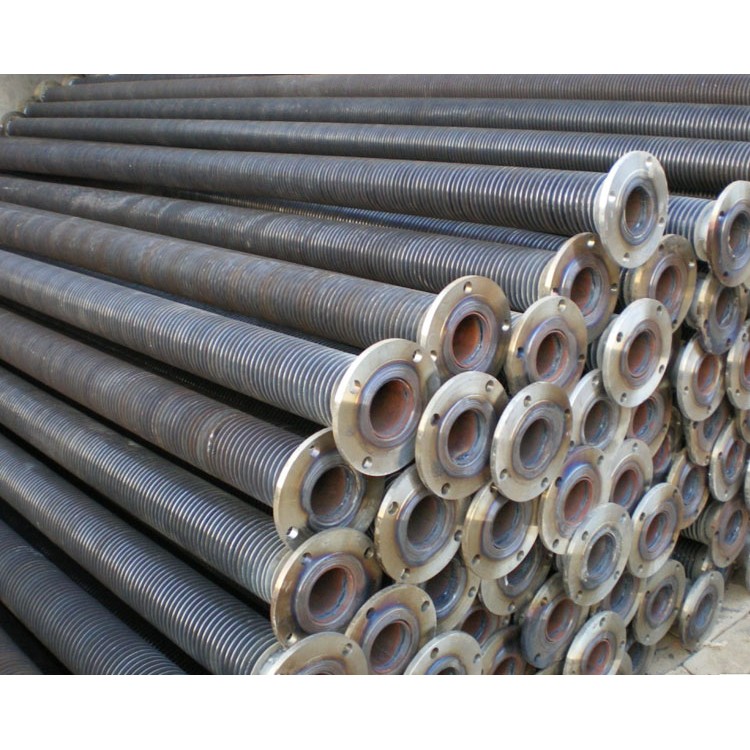 Finned tube radiator, carbon steel finned tube
Product Details

Seamless steel pipes, finned pipes, precision steel pipes, cold drawn steel p...




产品Price 5200.00/tons
最小起订Quantity:1 tons 供货总Quantity: 999 tons


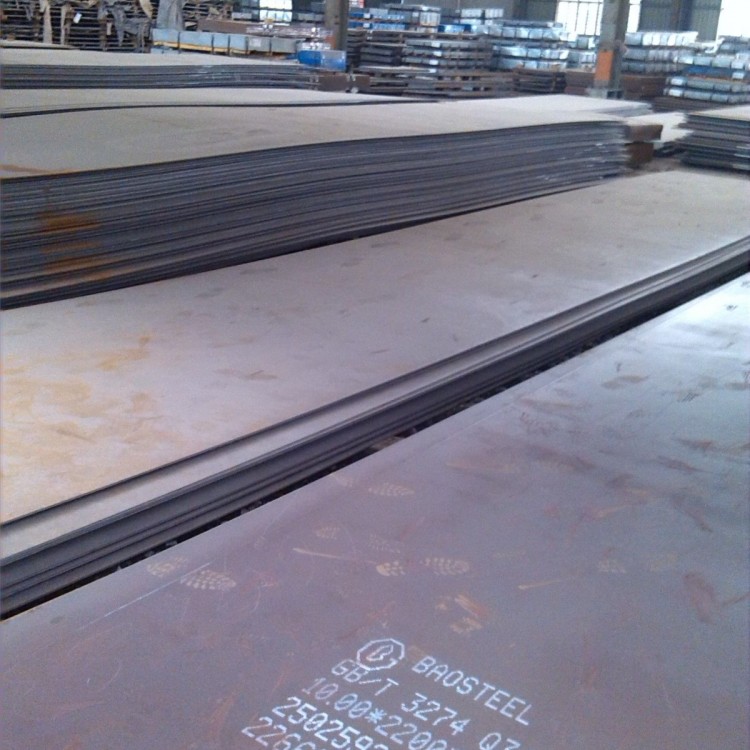
Wear Resistant Steel Plate refers to a special type of sheet product designed for use in large-area wear conditions. Common wear-resistant steel plates are made by bonding a certain thickness of high-hardness and wear-resistant alloy layer onto the surface of mild carbon steel or low-alloy steel, which has good toughness and plasticity. Additionally, there are cast wear-resistant steel plates and alloy quenched wear-resistant steel plates. Wear-resistant steel plates consist of low-carbon steel plates and an alloy wear-resistant layer, with the alloy wear-resistant layer typically accounting for 1/3 to 1/2 of the total thickness. During operation, the matrix provides the strength, toughness, and plasticity to resist external forces, while the alloy wear-resistant layer offers the wear resistance required for the working conditions. The wear-resistant steel plate alloy features a metallurgical bond between the wear-resistant layer and the substrate. Through equipment, using an automatic welding process, high-hardness self-protective alloy welding wire is evenly welded onto the substrate. The composite layers can range from one to two layers, up to multiple layers. During the composite process, due to the different shrinkage ratios of the alloys, uniform transverse cracks appear, which are a distinct characteristic of the wear-resistant steel plate. The wear-resistant layer of the alloy is mainly composed of chrome alloy, with additional elements such as manganese, molybdenum, niobium, and nickel. The carbides in the microstructure are fibrous and oriented perpendicular to the surface. The microhardness of the carbides can reach above HV1700-2000, and the surface hardness can reach HRC58-62. The alloy carbides maintain high stability and hardness at high temperatures, and also exhibit excellent anti-oxidation properties, ensuring normal operation up to 500°C. Wear-resistant layers are available in narrow strips (2.5-3.5mm), wide strips (8-12mm), and curves (S, W) among others; primarily composed of chrome alloys, they also incorporate manganese, molybdenum, niobium, nickel, boron, and other alloying elements. The carbides in the microstructure are fibrous and oriented perpendicular to the surface. The carbide content ranges from 40-60%, with a microhardness exceeding HV1700 and a surface hardness reaching HRC58-62. Abrasive-resistant steel plates are mainly categorized into three types: general-purpose, impact-resistant, and high-temperature resistant; the total thickness can range from as small as 5.5mm (2.5+3mm) to as thick as 30mm (15+15mm); they can be rolled into abrasive-resistant pipes with a small diameter of DN200, and can also be processed into abrasive elbows, tees, and reducers.
