




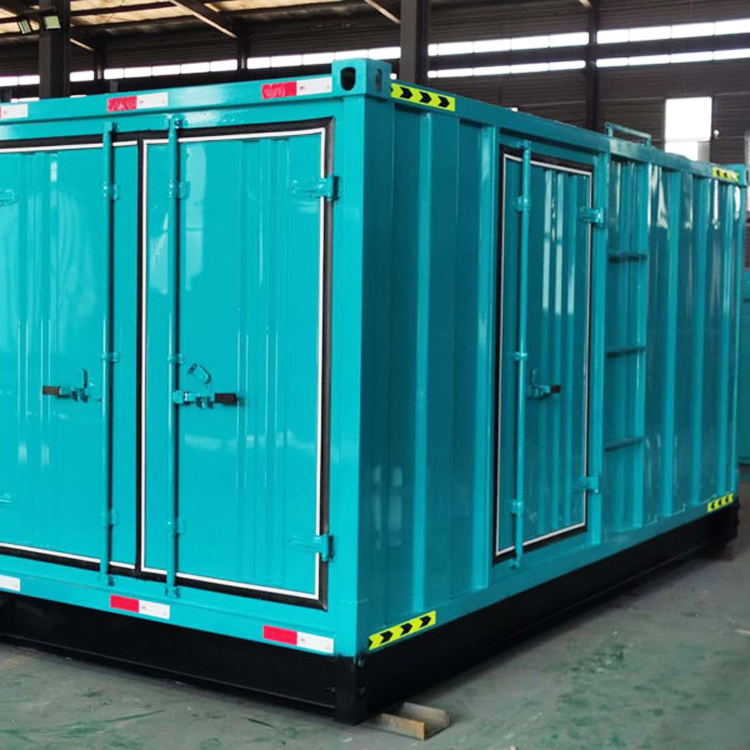
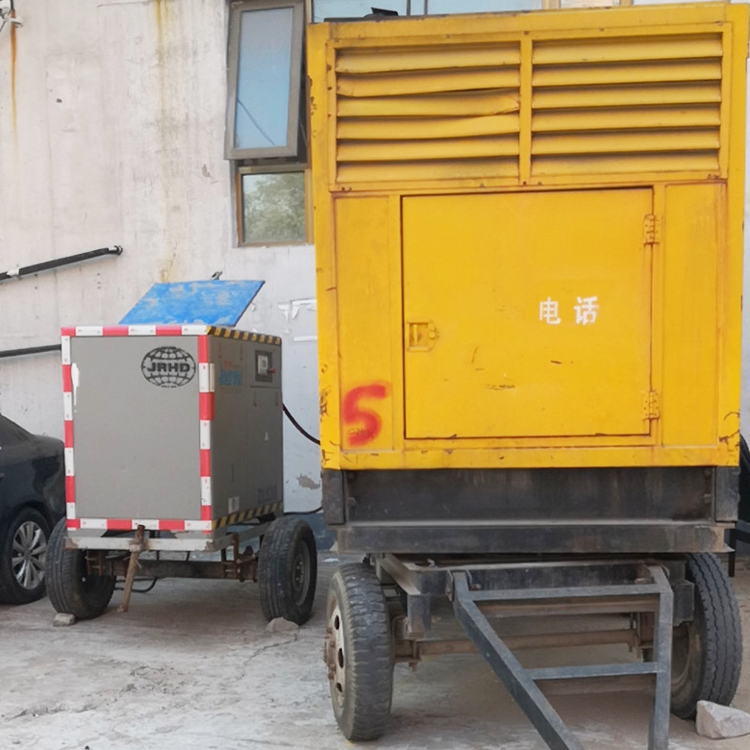
 120Kw Generator
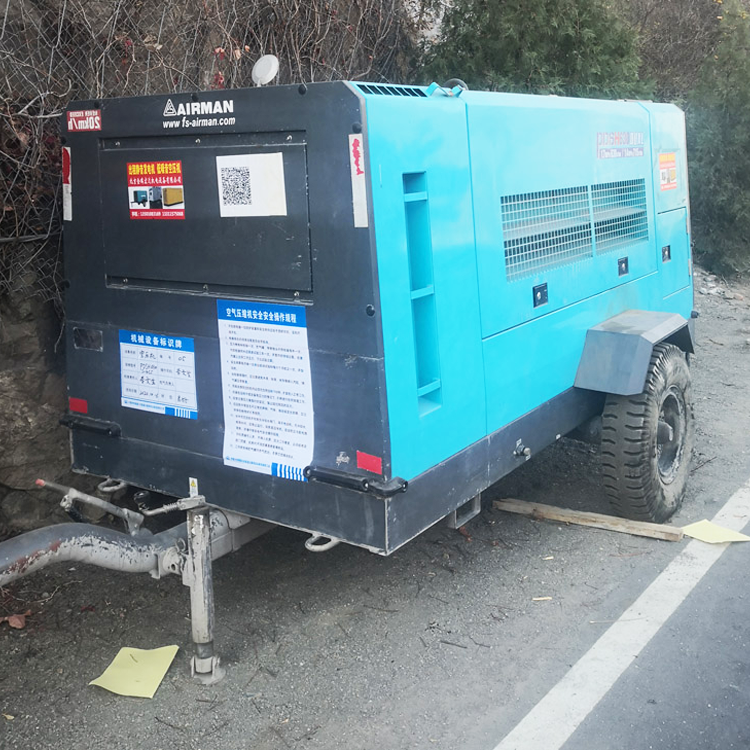 Fusheng 18-cubic-meter 18-kilogra
 13 cubic feet, 13 kg electric scr
 16.5 cubic feet, 8 kg electric sc
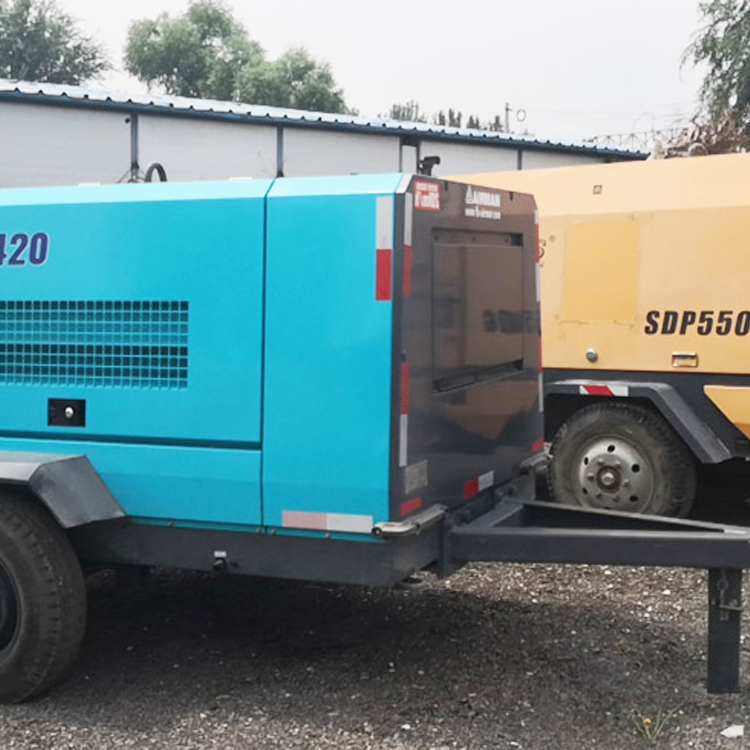 Fusheng 12 cubic meters, 8 kg die
 Chengdu Jerryda 800E Wet Spray Ma
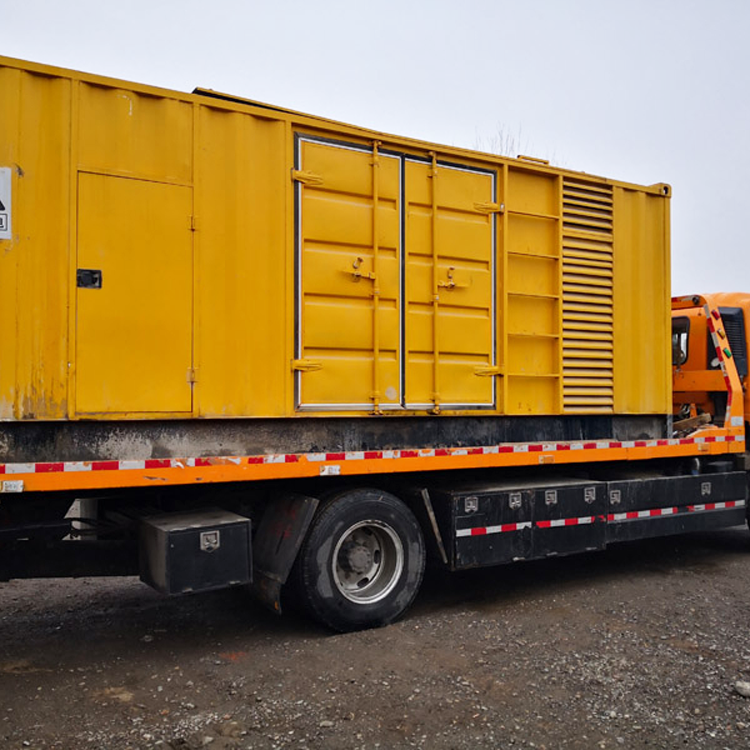 600Kw Generator (Yuchai)
 Fusheng 20 Cubic Feet 14 kg Diese
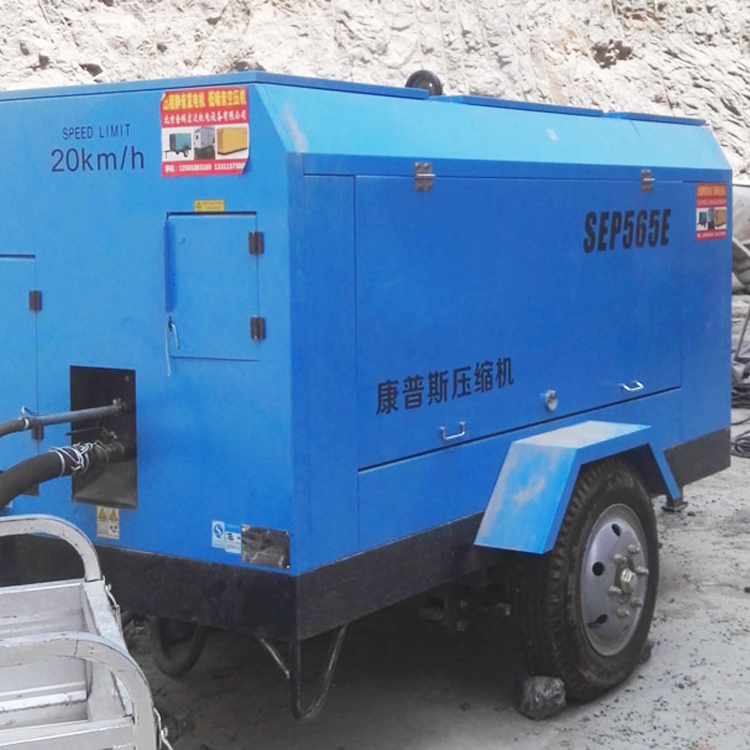 16-cubic-foot, 8-kilogram electri
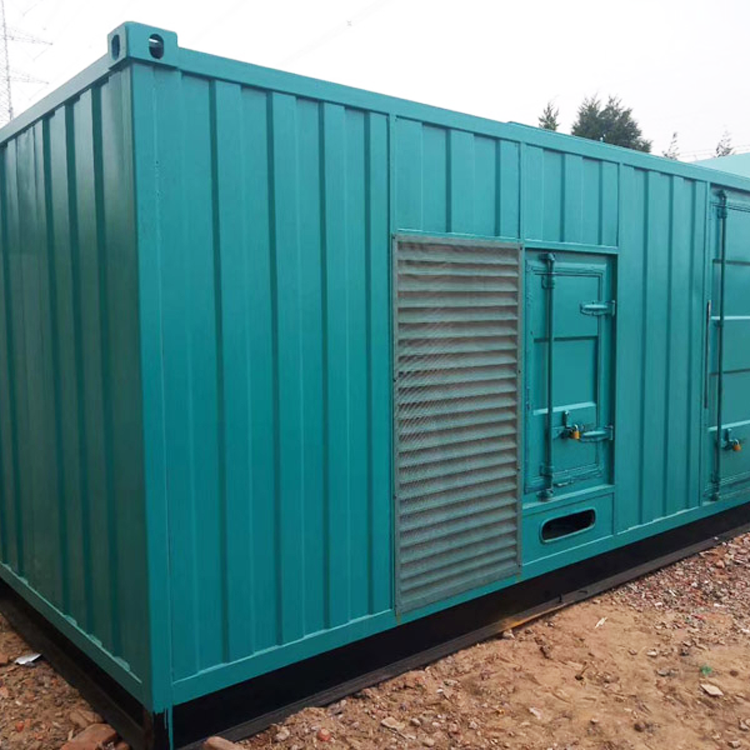 500Kw Generator (Volvo)
(1) Suction Process: The motor drives the rotor. As the main and slave rotor teeth move to the intake end wall opening, the space between them increases, allowing outside air to fill it. When the intake side face of the rotor moves away from the intake port of the housing, the air between the teeth is sealed between the main and slave rotors and the housing, completing the suction process.
(2) Compression Process: At the end of the intake stroke, the enclosed volume formed by the main and auxiliary rotor teeth and the housing decreases as the rotor angle changes and moves in a spiral manner, which is referred to as the "compression process."
(3) Compression Gas and Injection Process: During the transportation, the volume continuously decreases, the gas is compressed, the pressure rises, and the temperature increases. Simultaneously, due to the pressure difference, the lubricant in a mist form is injected into the compression chamber, thereby achieving the effects of compression, temperature reduction, sealing, and lubrication.
Principle of Compression
Compression Principle
(4) Exhaust Process: As the enclosed tooth peak of the rotor rotates to meet the exhaust port of the housing, the compressed air begins to be released until the matching surface of the tooth and groove moves to the exhaust face. At this point, the groove space is zero, indicating the completion of the exhaust process. Simultaneously, another pair of teeth on the main and auxiliary rotors have rotated to the intake end, forming a large space, initiating the intake process. This marks the beginning of a new compression cycle.