






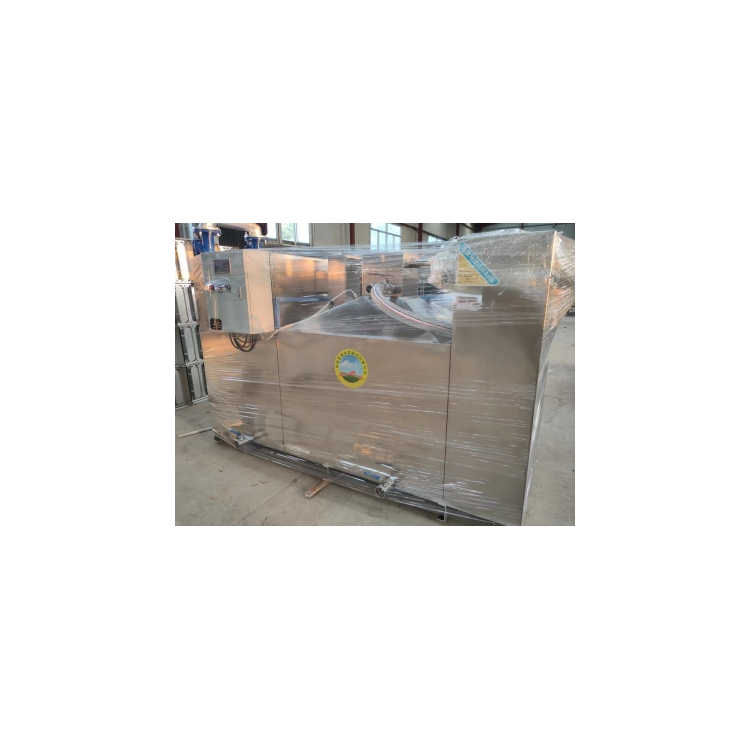
详情描述
I. Introduction
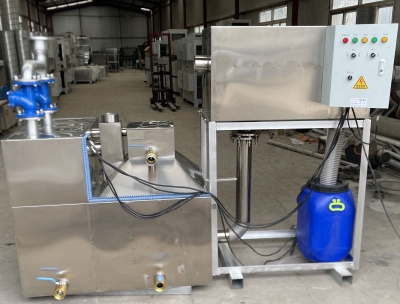
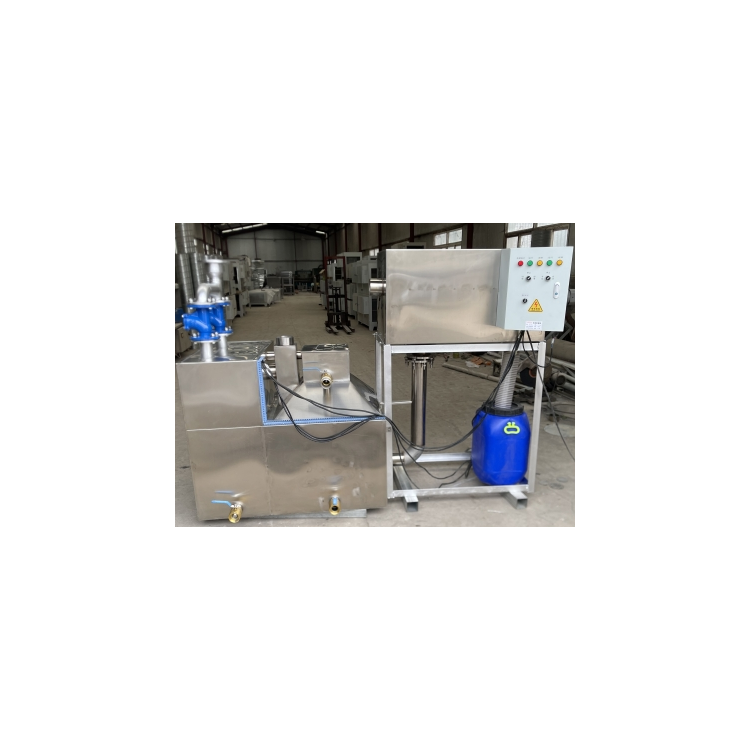
Grease lifting equipment is widely used in the pretreatment and lifting discharge of food waste water from various underground catering areas, as well as the treatment of catering waste water that cannot flow to the ground grease intercepting pond and requires lifting discharge. The quality of the raw water must meet the following conditions:
1. The density of the edible oils and fats in culinary wastewater ranges from 0.9g/cm3 to 0.95g/cm3.
2. Oil content ≤ 300 mg/L
3. SS concentration ≤ 285 mg/L
4. Food service wastewater temperature ≥ 10℃
Waste water from catering establishments treated by grease lifting equipment has an oil content of ≤50mg/L (better than the national standard of 100mg/L), and a SS concentration of ≤120mg/L.
Effectively removes floating oil accounting for 80% of the oil content and emulsified oil accounting for 15%, with an oil content in the effluent of 30mg/L, three times higher than the national standard.
Section IIHow to control the generation and spread of odors?
The root cause of the foul odor in kitchen grease traps is the failure to promptly clean food waste, which then ferments over time within the oil-water separator chamber, leading to the production of fatty acids and causing the odor. The grease lifting equipment, through its initial three-stage treatment, thoroughly eliminates the source of the odor. Combined with sealing and ventilation measures, it truly creates a product that is odor-free, environmentally friendly, and reliable.
Section 3:How to dispose of grease?
The integrated oil separator lifting equipment revolutionizes the traditional three-stage oil separator's drawback of requiring manual removal, by utilizing an asymmetric conical structure above the oil-water separation zone for oil concentration. It then employs a chain-driven automatic oil discharge mechanism to empty into dedicated sealed oil drums for centralized external transport. No longer is manual removal of floating and emulsified oils necessary, offering low operation costs and high efficiency. The equipment comes with an automatic temperature-controlled electric heating device, avoiding the issue of animal fats solidifying and ensuring smooth discharge; it also features a manual oil discharge mechanism.
How does the control system work?
The intelligent management control system for grease lifting equipment utilizes a PCU single-chip microcontroller for operation, with status display in Chinese. Its standout feature is the process interlock: it automatically starts the slag removal machine, oil discharge unit, heating device, and drainage unit based on processing requirements, thereby preventing waste of electrical resources. The system employs highly sensitive magnetic liquid level detection devices and includes multi-point monitoring, automatic alarms, overload and short-circuit protection, signal remote transmission (BA interface), and water pump dry-run protection functions.
FivePart Introduction
1. Top-grade Debris Cleaning Equipment
Innovative design and application of spiral conveying waste separator, achieving efficient automatic separation and collection of waste, eliminating the labor of manual waste cleaning, clean and environmental friendly (Patent No.: ZL 2013 2 0220424.X).
2. Secondary Sludge Discharge Equipment
Specially designed sludge buckets, with a volume matching the trash can design, allowing for a single emptying into the lower sludge drum, making sludge disposal more convenient and drum transportation easier.
3. Trinary Sludge Discharge Equipment
To prevent the timely discharge of secondary sludge from entering the oil-water separation zone, a triple-conical sludge collection and discharge device is specifically set up; thus, the safety hazards of the equipment are eliminated, ensuring a faultless and safe operational time.
4. Four-stage Oil-Water Separator
The corridor-style hydraulic model structure features a 3-fold increase in the length of the water flow channels compared to traditional equipment. It does not form a main flow path during both peak and low drainage periods, ensuring both the oil-water dwell time and flow rate. Moreover, the equipment is equipped with an automatic constant-temperature device, providing an oil-water separation effect 3 times better than that of ordinary equipment.
5. Automatic Sewage Discharge Device
After separation, the wastewater is directed to the unit by water flow and enters the wastewater lift station. When the wastewater level in the tank reaches the high level, the pump automatically starts to drain; as the water level drops to the low lift pump: when the lift pump is designed as an integrated type, a submersible sewage pump is used; when designed as an external type, a vertical dry sewage pump is employed.
Six.Frequently Asked Questions
△What kind ofGrease Separator Enhancement EquipmentIs it good equipment?
Odorless: Due to chemical and biochemical reactions, the oil sediment in the equipment gradually decomposes over time, forming corrosive fatty acids that produce an extremely unpleasant odor and corrode the equipment.
2. Remove grease from food waste to prevent clogs in drainage pipes caused by grease and solids in wastewater, protect the environment, and ensure the water quality meets the discharge requirements of relevant national and local regulations (oil content ≤ 100mg/L), guaranteeing a smooth drainage system.
3. Centralized collection and processing of waste oils, food residue, suspended matter, and solid residues, with the recovery and utilization of waste oil. 4. The equipment has strong adaptability, ensuring continuous, stable, and reliable safe operation with extremely low operation costs.
△Common Processes and Analysis of Advantages and Disadvantages of Oil Separator Enhancement Equipment
Although the treatment processes for restaurant wastewater grease removal equipment are numerous, they can generally be categorized into three main types: gravity separation, air flotation, and adsorption filtration. They can also be combined and innovated as needed.
The oil removal efficiency of air flotation is higher than that of gravity separation. It not only removes floating oil and dispersed oil but also certain emulsified oil, resulting in good water quality after discharge. Its drawbacks include relatively complex equipment, high operational and management requirements, a need for power supply, and the release of exhaust gas.
The advantages of gravity separation types include relatively simple equipment, low cost, and straightforward operation and management requirements. The treatment process itself does not require electricity. It can remove floating oil with particle sizes of 60μm or larger and most solid particles from wastewater.
3 Adsorption and filtration-based water output quality is good, but the filter cores need to be regularly replaced, backwashed, or regenerated. Therefore, gravity separation-based grease separators are the most economical and cost-effective.