

- AllProduct Category
-
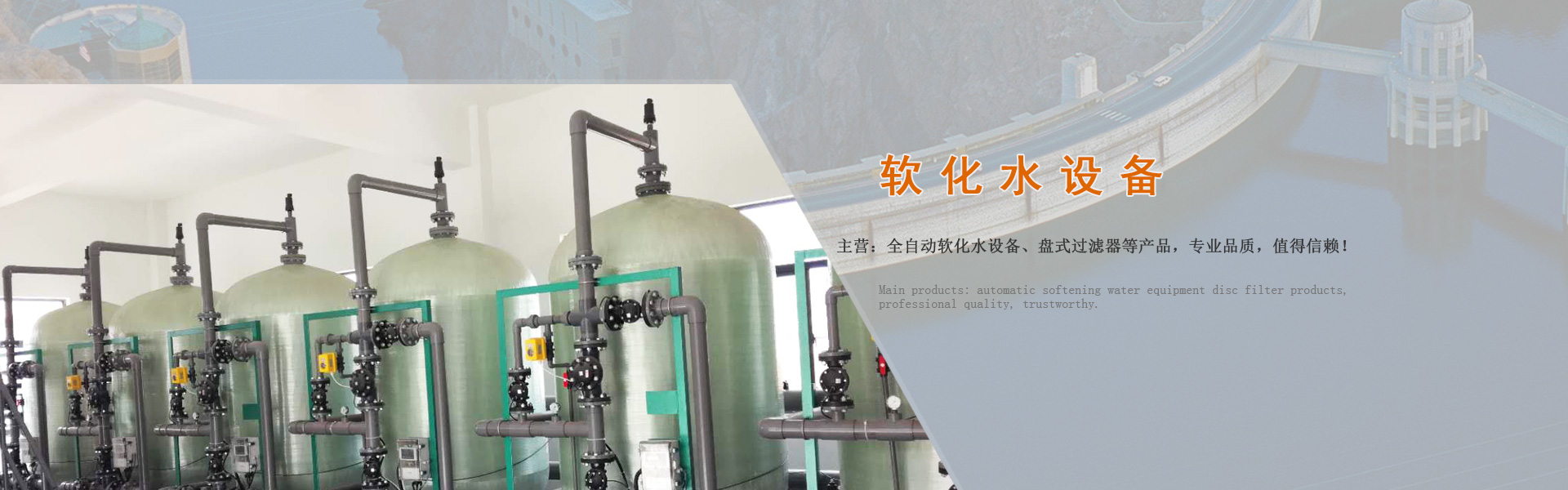
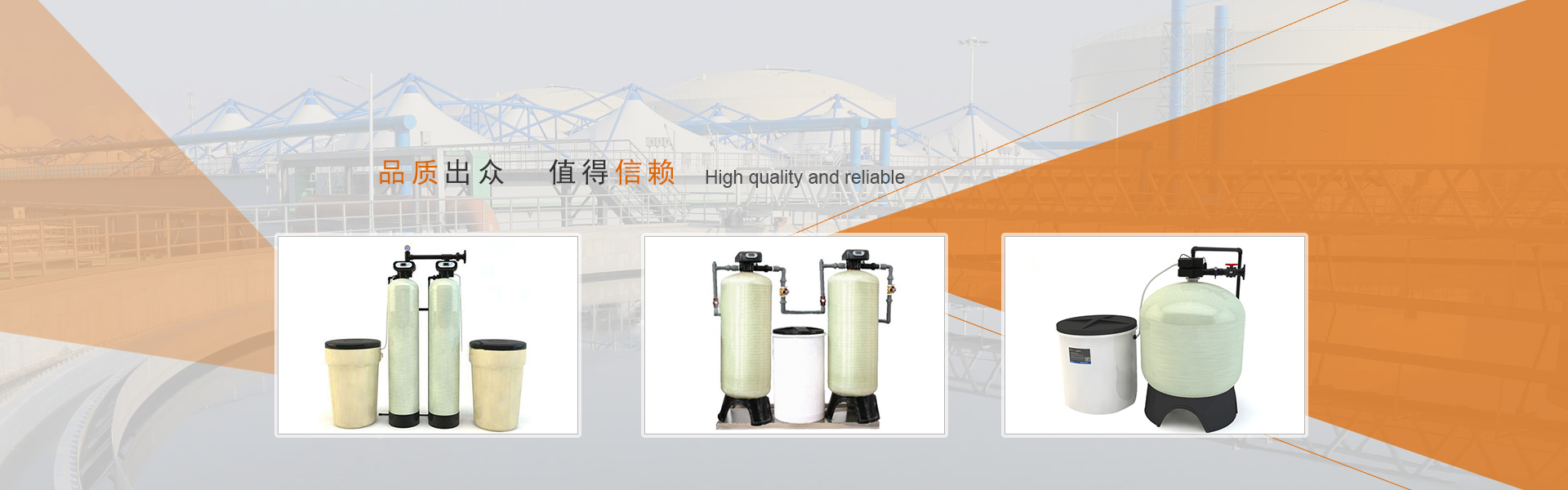
Fully Automatic Softening Water Equipment
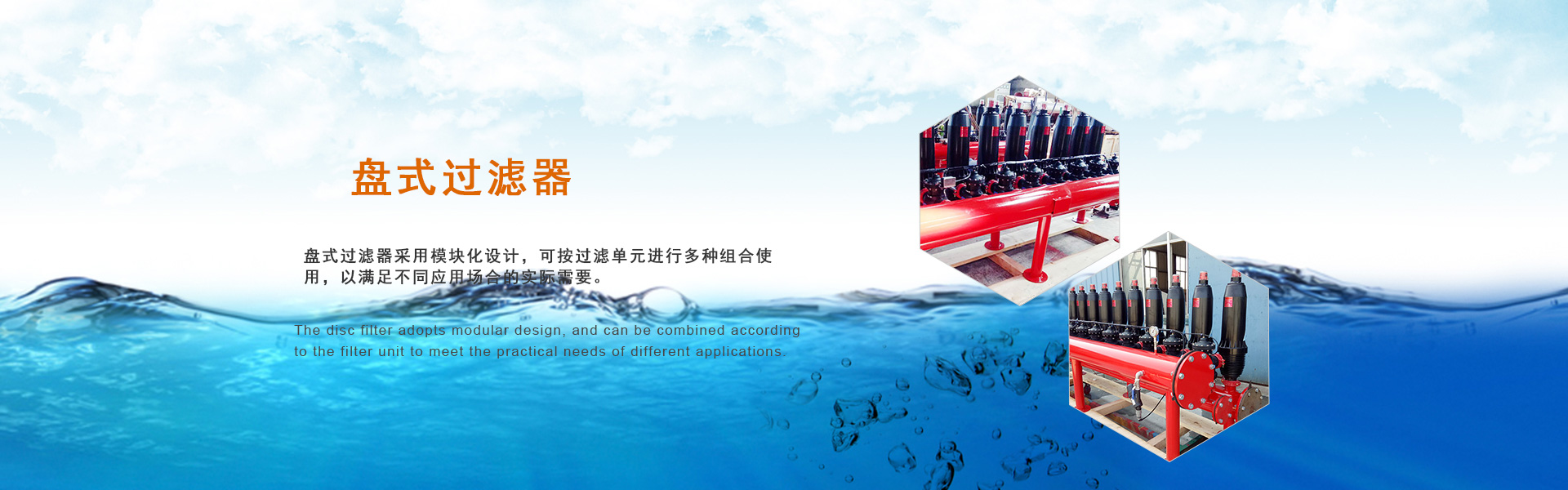
Disk Filter
Fiber Disc Filter
Screw Press
Shallow Filter
Medication Equipment Series
Wastewater Series
Deoxygenator
Suction Mud Machines, Grating Series
Aeration Series
Eco-Friendly Accessories Line





详情描述
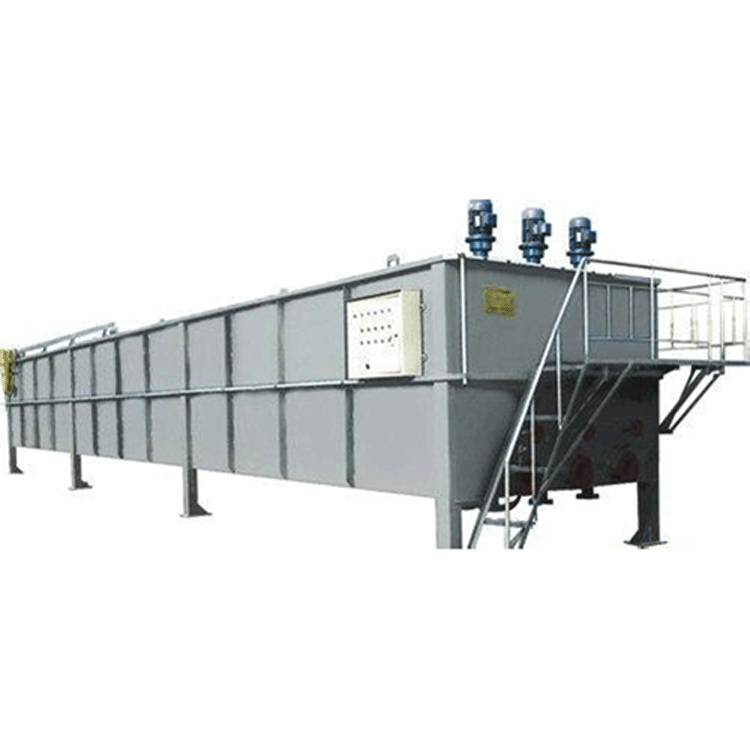
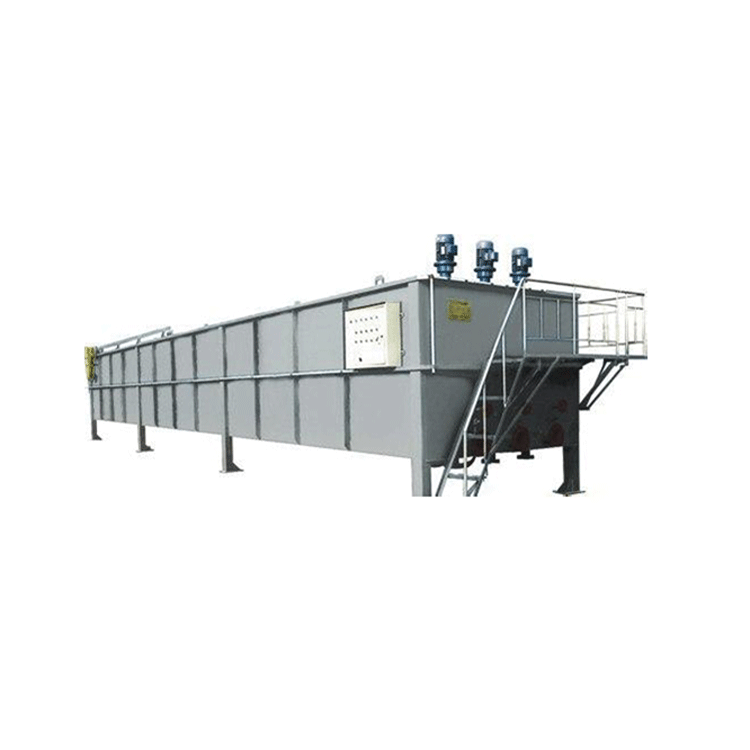
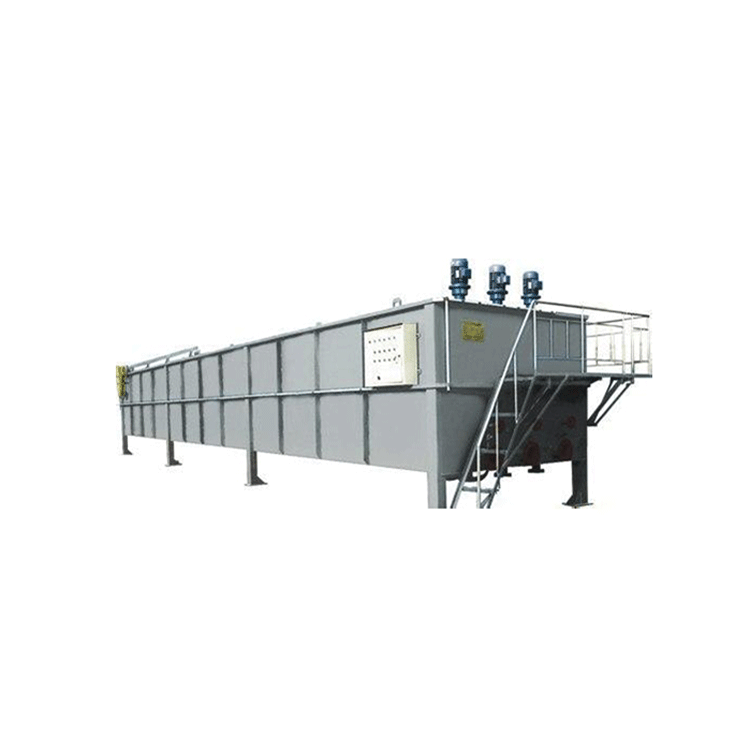
Vortex Coanda Air Flotation
Detailed description
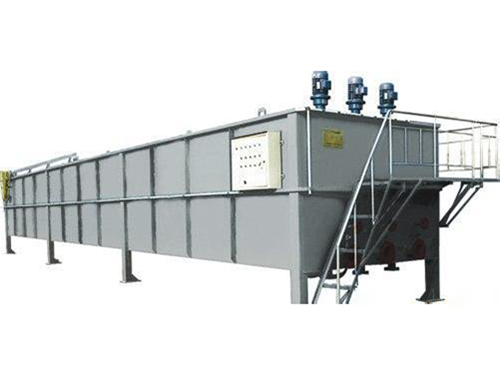
Wastewater, after pretreatment, flows into a small aeration section equipped with a vortex aeration machine. As it rises, the wastewater is thoroughly mixed with the microbubbles generated by the aeration machine. The aeration machine transfers air from the surface to underwater via a suction pipeline. The working principle of the aeration machine involves the rapid rotation of a diffuser impeller at the bottom of the air transport pipe, creating a vacuum zone in the water. Air at the surface is then introduced into the water through the aeration machine, filling the vacuum and causing the microbubbles to spiral up to the surface, with oxygen from the air dissolving into the water as well.
Due to the imbalance in density between the gas-liquid mixture and the liquid, a vertical upward buoyancy is generated, lifting the SS to the surface. During the upward float, microbubbles adhere to the SS, and upon reaching the surface, the SS is supported and maintained at the surface by these bubbles. The SS floating on the surface is intermittently cleared by a chain scraper. The scraper moves along the entire liquid surface, pushing the SS from the inlet end of the air flotation tank to the sludge discharge pipeline at the outlet end. There are horizontal screw propellers in the sludge discharge pipeline, which send the collected sludge into the sludge collection pond. The purified wastewater flows into the overflow trough and then flows by gravity to the biochemical treatment section.
The open recirculation pipe extends along the bottom of the aeration section. While generating micro-bubbles, the vortex aeration equipment forms a negative pressure zone at the pool bottom with the recirculation pipe, which draws wastewater from the bottom back to the aeration area and then returns it to the flotation section. This process ensures approximately 40% of wastewater recirculation and the ability of the flotation section to operate without any incoming water.
System Advantages
1. Save on investment
The vortex aeration flotation process does not require pressure vessels, air compressors, circulating pumps, and other equipment, thus resulting in lower equipment investment.
The equipment occupies a small footprint, reducing civil engineering investment. The Q=200m3/h Vortex Induced Flotation (CAF) equipment only requires a footprint of 36.15m2.
2. Low operating costs
The system saves on electricity consumption due to the absence of pressure vessels, air compressors, and circulating pumps. The vortex aeration flotation (CAF) system with a flow rate of Q=200m3/h consumes only 5.435KW, whereas the dissolved air flotation (DAF) system consumes up to 65KW.
The Vortex Induced Flotation (CAF) system is incredibly user-friendly, featuring no complex equipment, thereby minimizing manual operation and maintenance workloads, leading to reduced labor and maintenance costs.
3. Noticeable processing effect
Removal rates for oil and solid suspended substances (SS) exceed 80%.
The removal rate for BOD and COD can reach over 60%. In contrast, the Dissolved Air Flotation (DAF) system can only achieve a removal rate of around 35% for BOD and COD.
Can facilitate the oxidation of sulfides, reducing the sulfur content in wastewater.
4. Simple to operate
This system is extremely user-friendly with no complex equipment; the entire system consists of just two mechanical parts, unlike the Dissolved Air Flotation (DAF) system which includes many essential components such as pressure vessels, air compressors, and recirculation pumps.
3. Cost-effective comparison
Economic comparison with Dissolved Air Flotation (DAF) and Induced Air Flotation (IAF)
This comparison is based on equipment with a capacity of 2000t/d and no chemical feed materials, as shown in Table 1.
Table 1

4. Design Parameter Values
Dwell time: 15-20 minutes.
Surface load: 5-10 m³/(m²·h)
The working water depth in the pool does not exceed 2.0 meters, and the length-to-width ratio of the pool is not less than 4.
5. Wavy-Edge Air Floatation Equipment
Introduction
The vortex aeration flotation utilizes the principle of combining mechanical aeration with chemical flocculation to treat various types of wastewater with different water qualities, making it an appropriate physical-chemical equipment for wastewater treatment. In certain wastewater treatments with low levels of pollutants, the treated clear water can be recycled or discharged to meet standards when combined with biochemical treatment technology, ensuring full compliance with treatment requirements.
The system is primarily applied to the purification and treatment of industrial wastewater in industries such as papermaking, chemicals, dyeing and printing, food, beer, and slaughterhouses.
Advantages
1. Cost-effective investment, low energy consumption, automatic slag removal with no noise, and easy operation and management.
2. Primarily removes most of the non-dissolved COD in wastewater, as well as floating SS (with a specific gravity less than water) and sinking SS (with a specific gravity greater than water).
3. Compared to traditional domestic pressure dissolved air flotation systems, it eliminates equipment such as dissolved air tanks, air compressors, and high-pressure water pumps, with energy consumption reduced to 1/8 to 1/10 of conventional air flotation.
4. The system effectively removes oils, colloidal matter, and fibrous suspended solids from wastewater, reducing the effluent loads of BOD, COD, SS, and significantly improves the water quality's color.
Operation Features
HD-AF Vortex Aeration is an innovative wastewater treatment technology, well-designed, easy to operate, and cost-effective. It directly removes solid suspended matter from wastewater through air flotation. The vortex aeration machine injects "micro-bubbles" directly into the wastewater without the need for pre-aeration, then distributes the "micro-bubbles" evenly throughout the wastewater using the diffuser impeller, thus ensuring no clogging occurs during the operation. No pressure aeration, air compressors, or circulation pumps are required.
Untreated wastewater first enters the aeration shell gas section, where it is thoroughly mixed with microbubbles. As the microbubbles rise, they carry suspended solids to the water surface. The scraper moves along the liquid surface, removing the suspended matter and pushing it onto a sloped metal plate. It is then conveyed into the sludge discharge pipeline, which contains a horizontal screw conveyor to transport the collected sludge into the sludge collector. The pump and scraper are driven by a single motor. The power is only 0.5 horsepower. After wastewater purification, it flows through the overflow槽 beneath the weir plates before discharge. The overflow weir controls the water level in the flotation tank, ensuring that liquid does not enter the sludge discharge pipeline. An open weir pipe extends from the aeration section along the bottom of the flotation tank. Simultaneously, the vortex aeration equipment extends in the pool section with return pipes, creating a vacuum zone at the pool bottom. This vacuum action draws wastewater from the bottom of the pool back to the aeration zone and then back to the flotation section. This process ensures continuous flotation operation even with inflow.
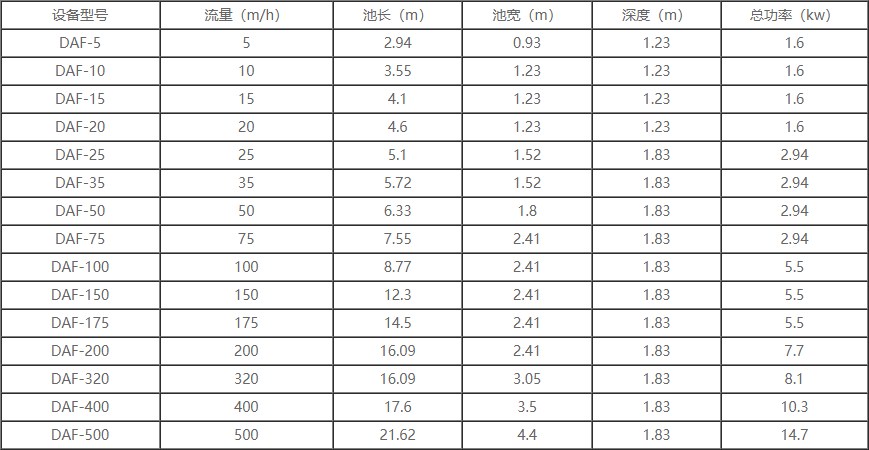
Equipment Specifications Reference
询价单


