

- AllProduct Category
-
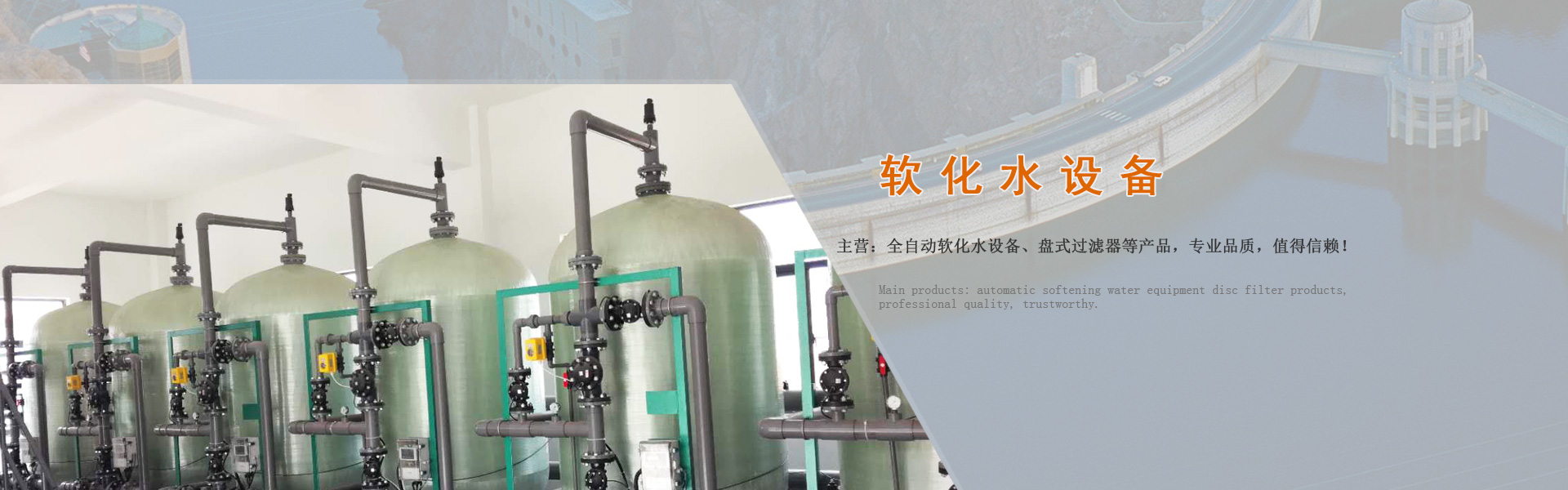
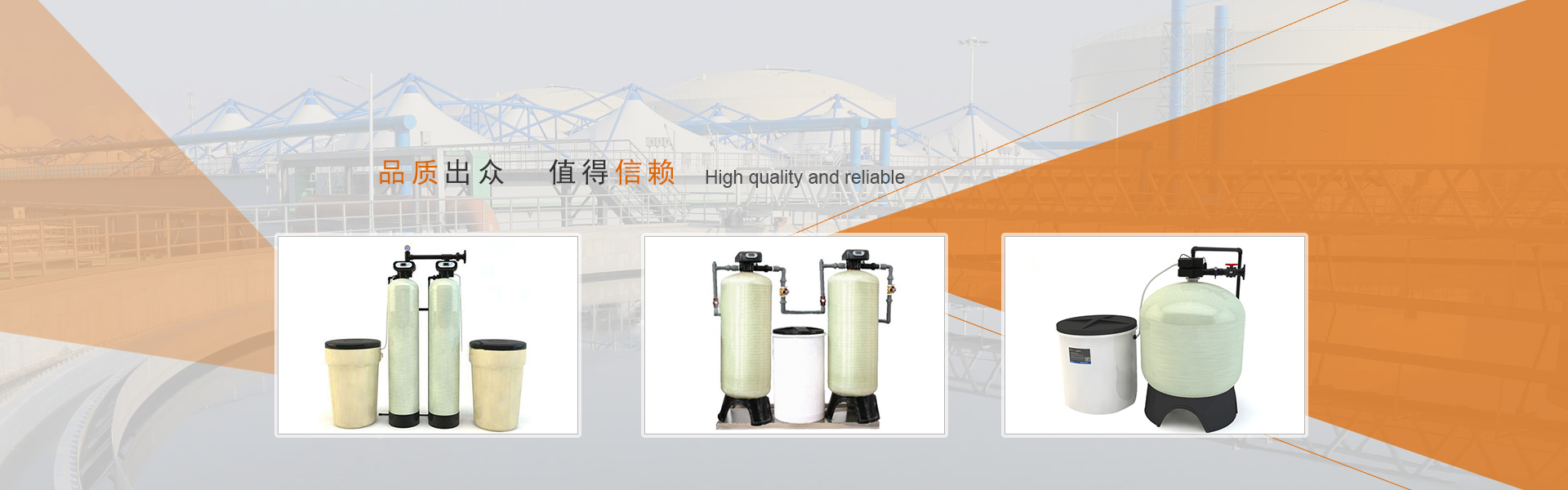
Fully Automatic Softening Water Equipment
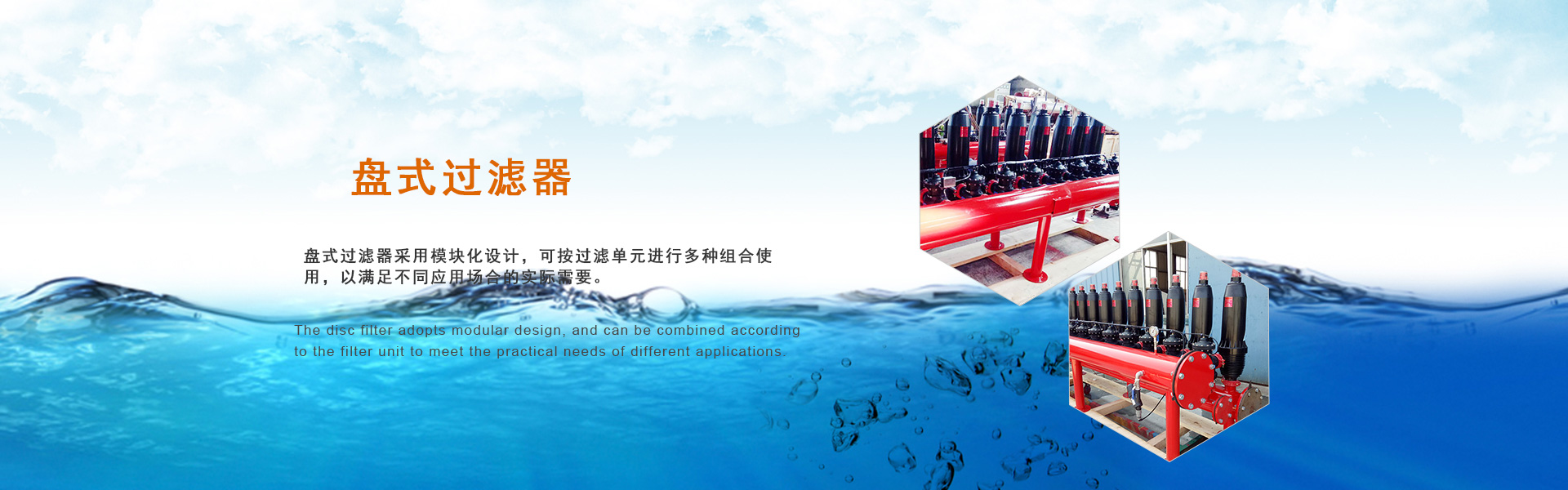
Disk Filter
Fiber Disc Filter
Screw Press
Shallow Filter
Medication Equipment Series
Wastewater Series
Deoxygenator
Suction Mud Machines, Grating Series
Aeration Series
Eco-Friendly Accessories Line





详情描述
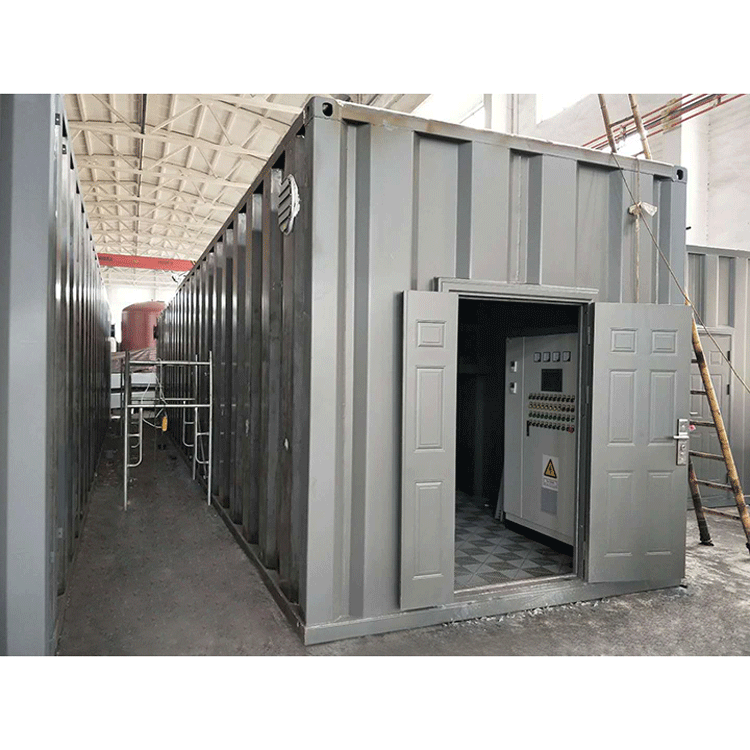
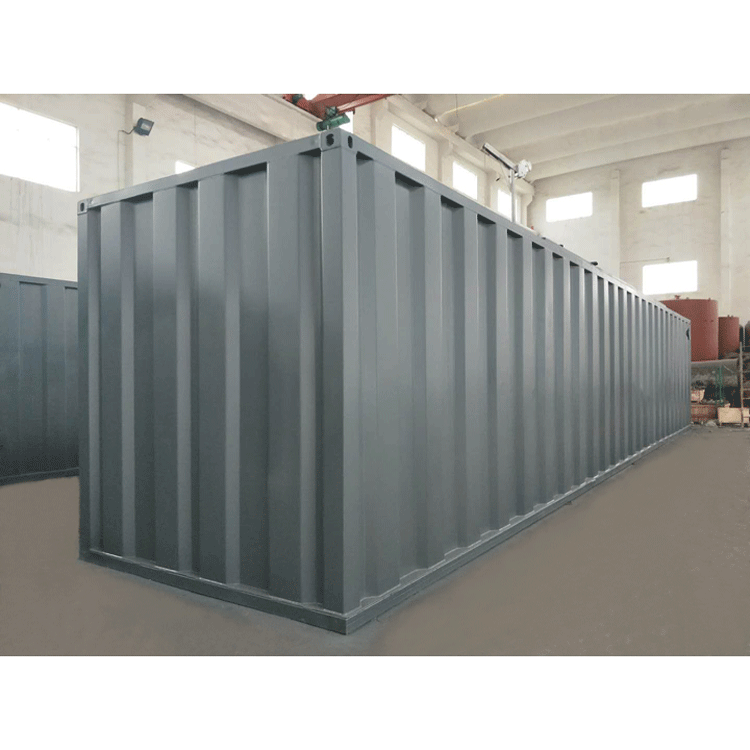
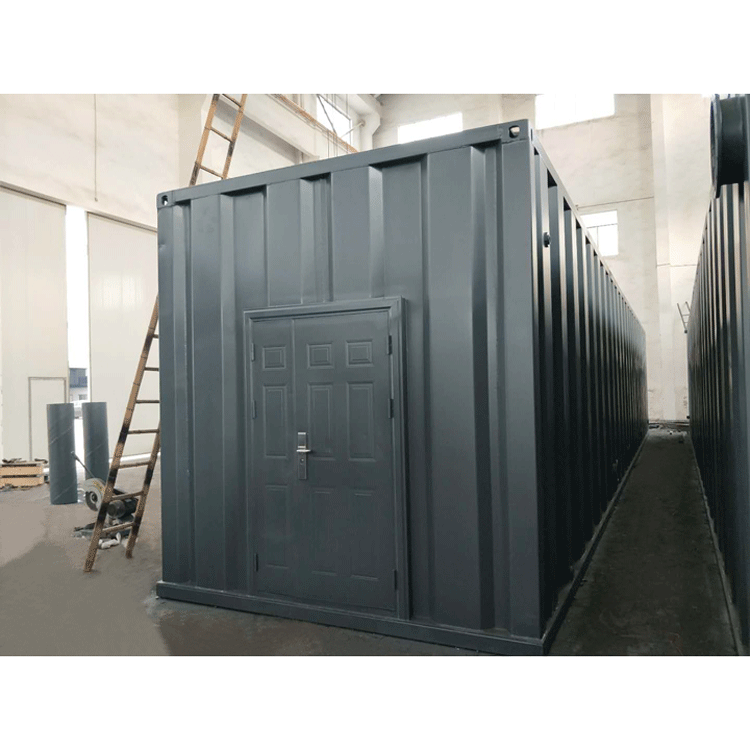
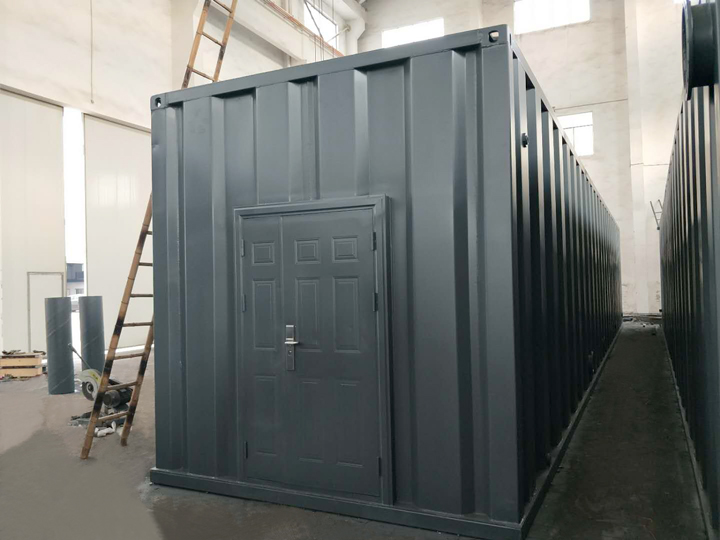
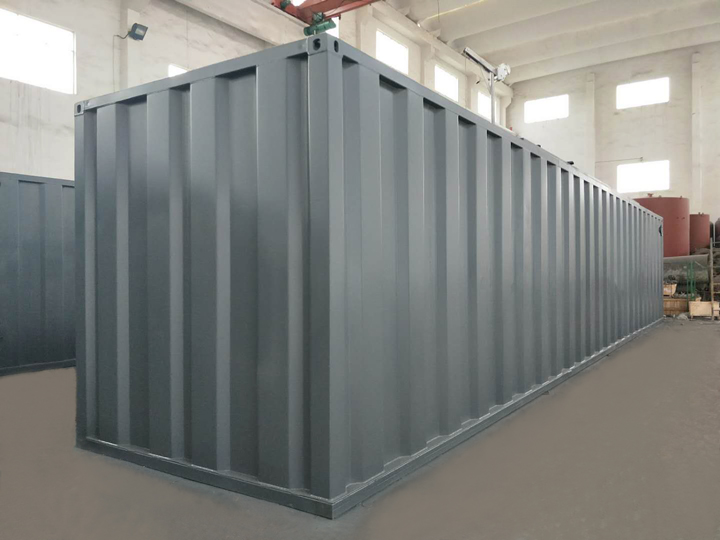
Containerized Integrated Wastewater Treatment Equipment
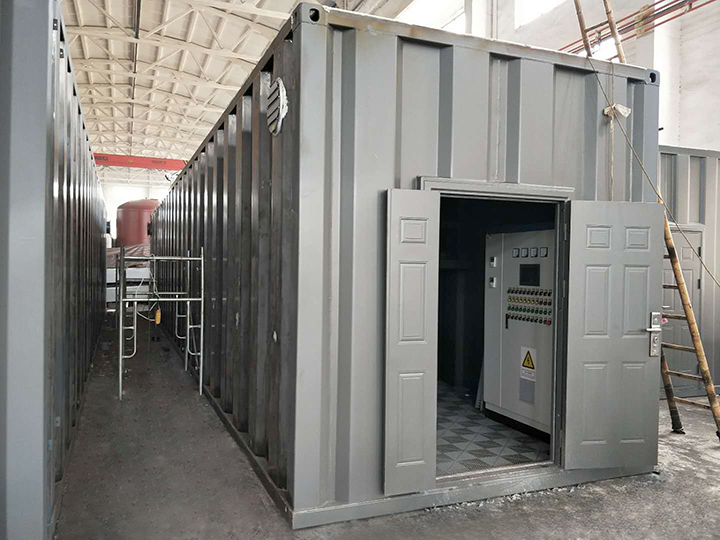
Product Description
The core component of the integrated containerized wastewater treatment equipment is the Membrane Bioreactor (MBR), a novel wastewater treatment technology that combines membrane separation technology with biotechnology. Wastewater enters the MBR system, with Zone A being the anaerobic zone, where media is placed and actively mixed with the sludge; Zone O is the aerobic zone, equipped with membrane modules, using the MBR membrane to retain the activated sludge and macromolecular organic matter, eliminating the need for a secondary sedimentation tank. As a result, the activated sludge concentration is significantly increased, and both the hydraulic retention time (HRT) and sludge retention time (SRT) can be controlled separately. The refractory substances are continuously reacted and degraded within the reactor. After further treatment, the treated water can meet discharge standards or be reused. Additionally, the air supplied to the MBR system is a crucial part of the process, promoting the circulation of fluid in the reactor, enhancing the degradation efficiency of the activated sludge, and allowing for mutual friction between the hollow fiber membranes to clean the membrane modules.
Detailed specifications
Order Number: 00
Customized Processing: Yes
Item Number: 01
Wastewater Treatment Capacity: 0.1-50 (m³/h)
Model: YH-MBR
Ozone Dosage: 1 (g/h)
Airflow: 2 (m³/min)
Tank Volume: 2 (m³)
Flowmeter Specifications: 1 (m³/h)
Exhaust pipe diameter: 25 mm
Inlet pipe diameter: 32 mm
Dimensions: 100×120×45 cm
Blower Power: 0.75 (kW)
Pump Power: 0.75 (kW)
Cross-border Sourcing: No
Filtering Method: Internal Pressure Type
Filter Object: Wastewater
Design Flow Rate: 10-25 L/m².h
Advantages
(1) Compact, space-saving, with a small footprint, underground structure, portable, conducive to greening, and free from mosquito and fly breeding.
(2) High removal rate of organic pollutants, stable effluent water quality.
(3) Easy to operate, convenient to install, no special maintenance required, and good self-protection for the equipment.
(4) Water quality is well-managed, meeting discharge standards.
(5) The integrated equipment can be flexibly configured according to the quality of the raw water, making it highly adaptable.
(6) Our company offers specialized probiotics for specific wastewater treatment, which can rapidly and effectively meet water quality standards.
Application Fields
Non-biodegradable industrial wastewater: chemical wastewater, coking wastewater, and landfill leachate.
High-concentration organic wastewater: food processing wastewater, aquaculture wastewater.
General Wastewater: Domestic wastewater, effluent from urban sewage stations.
Micro-polluted drinking water: River water, reservoir water.
Upgrading and改造 of wastewater treatment facilities.
Hollow fiber curtain membrane components (MBR membranes) are the membrane separation components of the membrane-bioreactor, and also the core part of the membrane-bioreactor, consisting of polypropylene hollow fiber membranes and effluent pipes.
Features
The film has high strength: Due to the film preparation method of polypropylene hollow fiber membranes using "melt extrusion and stretching molding," the polypropylene macromolecules are regularly oriented, resulting in high film strength. The film is not prone to breakage during high-intensity aeration and regular chemical cleaning processes.
The film exhibits excellent chemical stability: During the production of polypropylene hollow fiber membranes, no additives or porogen are added, resulting in superior chemical stability. It can be cleaned with strong acids or bases, and can be sanitized with chlorine-containing disinfectants to remove a significant amount of microbial contamination on the film surface, while maintaining good flux after cleaning.
Key Technical Parameters
Film Material: Polypropylene (PP)
Outer Diameter: 380-420 μm
Film wall thickness: 40-50μm
Membrane pore size: 0.1~0.2 μm
Air Permeability: > 7.0×10^-2 (cm^3/cm^2·s·cmHg)
Longitudinal Strength: 120 MPa
Pore Ratio: 40-50%
Operating Temperature: 5-40℃
Continuous pH Range: 2-10
Design Flow Rate: 10-25 L/m².h
Anti-laundering Intensity: 30-50L/m².h
Sludge Concentration: 5000-10,000 mg/L
Operation Mode: Negative Pressure Suction
Membrane Pressure Difference: ≤60 kPa
Filtering Method: Gap Filtering, Continuous Aeration
Process Introduction
1) Regulating Pool (Customer-built)
Collect and store wastewater, adjusting the water volume and quality.
2) Lift Pumps
Set an elevate pump within the regulating pool to automatically lift the wastewater into the ZR-JZ integrated wastewater treatment equipment.
3). Grille
Wastewaters often contain a large amount of debris. To ensure the normal operation of the system, it is necessary to intercept various fibers, sludge, waste paper, and other debris outside the system. Therefore, a grate is installed before the system, and the grating waste is cleaned regularly.
4) Oxygen-depleted pool
Its function is to decompose large-molecule substances into easily decomposable small molecules, thereby improving the B/C ratio of wastewater. Additionally, it can achieve denitrification effects. This section is determined based on the quality of the original water and the discharge standards.
YH-MBR Containerized Integrated Wastewater Treatment Equipment
5) MBR Reactor Tank
Utilizing immersed flat plate or hollow fiber membrane bioreactor (MBR) components, set within the aeration tank, water treated through aerobic aeration and biological processing is filtered through a membrane (pore size 0.1um) and then pumped out for direct discharge or reuse. As its effluent is unaffected by sludge settling conditions, it allows for operation with high volumetric loading and long sludge age, significantly enhancing the biological oxidation process conditions and increasing the efficiency of organic matter degradation. Additionally, it eliminates the need for a secondary sedimentation tank, resulting in excellent and stable effluent quality.
6) Disinfection
Based on the requirements for effluent, the system is designed with a disinfection unit, typically using a clean and simple ultraviolet sterilization method, or an option for adding disinfectant.
7) Matching equipment and machinery room:
Suction pumps, fans, and electrical control cabinets are installed in the equipment room. The entire system operates automatically under PLC control, providing protection for the equipment. All power equipment is equipped with backups, enabling automatic switching in case of failure, ensuring continuous normal operation of the equipment.
Containerized Integrated Wastewater Treatment Equipment - Physical Treatment
Separate suspended solid substances in wastewater through physical action. The main wastewater treatment equipment includes grates, crushers, sand settling tanks, sedimentation tanks, etc. After treatment, the BOD removal rate is generally around 20%-30%, with SS reduced by about 50%.
Containerized Integrated Wastewater Treatment Equipment - Enhanced Treatment
Enhanced treatment is also known as chemical or physical-chemical treatment, which utilizes the effects of chemical reactions to separate various forms of pollutants from wastewater.
Hydrolysis Process
The hydrolysis tank is formally known as the Upflow Anaerobic Sludge Blanket Reactor. In wastewater biological treatment, hydrolysis refers to the biochemical reactions that occur outside the cell before organic matter enters the cell. This stage is characterized by the site of the biological reaction occurring outside the cell, where microorganisms complete the biological catalytic oxidation reaction (mainly involving the breaking of long-chain macromolecules and solubilization) by releasing extracellular free enzymes or fixed enzymes attached to the cell wall.
In principle, hydrolysis (acidification) is one of the two stages in the anaerobic digestion process, but the objectives of the hydrolysis (acidification) process and anaerobic digestion differ, making them fundamentally different treatment methods. The primary purpose of the hydrolysis (acidification) system is to convert non-dissolved organic matter in raw water into dissolved organic matter, particularly in industrial wastewater treatment, where the focus is on transforming difficultly biodegradable substances into easily biodegradable ones, enhancing the wastewater's biodegradability for subsequent aerobic biological treatment. Considering the energy consumption issues of subsequent aerobic treatment, hydrolysis (acidification) is primarily used for the pretreatment of low-concentration, difficult-to-degrade wastewater.
2. Chemical Reinforcement Treatment
Chemical reinforcement treatment uses inexpensive coagulants, achieving BOD and COD removal over 50%, and SS removal over 80%. Generally, when inorganic coagulants are blended with PAM, the dosage of chemicals is significantly reduced. The dosage of organic flocculants is also effective in enhancing COD removal compared to inorganic coagulants. When using both drugs, add one first, then the other after 1 minute.
3. Pre-aeration Enhanced Treatment
Wastewater is pre-aerated to promote collision and flocculation of suspended particles, thereby improving their settling performance. Studies show that by adding an appropriate amount of excess sludge during the pre-aeration of wastewater, i.e., biological flocculation aeration, the SS removal rate can be increased to 80% and the BOD removal rate to 30% under the same aeration time.
Containerized Integrated Sewage Treatment Equipment - Secondary Biological Treatment
Secondary biological treatment utilizes the metabolic action of microorganisms in artificial anaerobic, aerobic, and mixed environments to transform and stabilize pollutants in wastewater. Due to its low cost and ease of operation and management, this process has been widely adopted as the main treatment method for urban wastewater.
In the current field of wastewater treatment technology, biological treatment can primarily be divided into the following methods: activated sludge process, biofilm process, and natural biological treatment of wastewater.
1. The second-level biological contact oxidation process employs plug flow biological contact oxidation, which offers superior treatment efficiency compared to complete mixing or two-stage series complete mixing biological contact oxidation ponds. It also requires a smaller volume of activated sludge pond, exhibits strong adaptability to water quality, excellent resistance to shock loads, stable effluent water quality, and prevents sludge expansion. The pond utilizes new elastic three-dimensional packing material, which has a larger surface area, facilitates easy attachment and detachment of microorganisms, and achieves a high removal rate of organic matter under the same organic load conditions. It also enhances the solubility of oxygen in water from the air.
2. The biochemical pool utilizes the biological contact oxidation method, with a relatively low volume load of fillers. Microorganisms are in their own oxidation stage, resulting in minimal sludge production. Sludge is only required to be discharged once every three months (90 days) or more, either by pumping with a manure truck or dewatering into sludge cakes for external transport.
3. The entire equipment processing system is equipped with an automatic electrical control system and a device fault alarm system, ensuring safe and reliable operation. Generally, no dedicated personnel management is required, only timely maintenance and care for the equipment.
询价单


