

- AllProduct Category
-
Fully Automatic Softening Water Equipment
Disk Filter
Fiber Disc Filter
Screw Press
Shallow Filter
Medication Equipment Series
Wastewater Series
Deoxygenator
Suction Mud Machines, Grating Series
Aeration Series
Eco-Friendly Accessories Line





详情描述
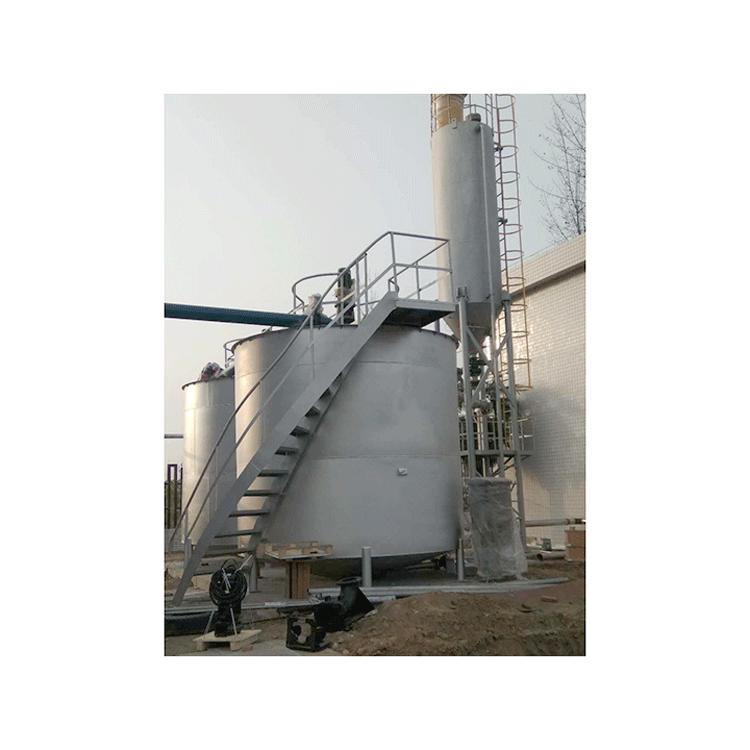
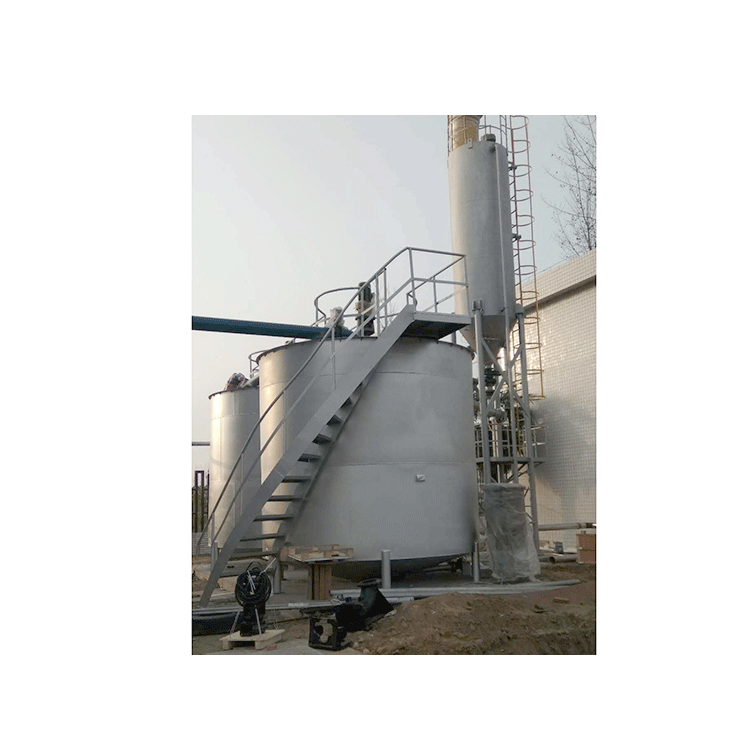
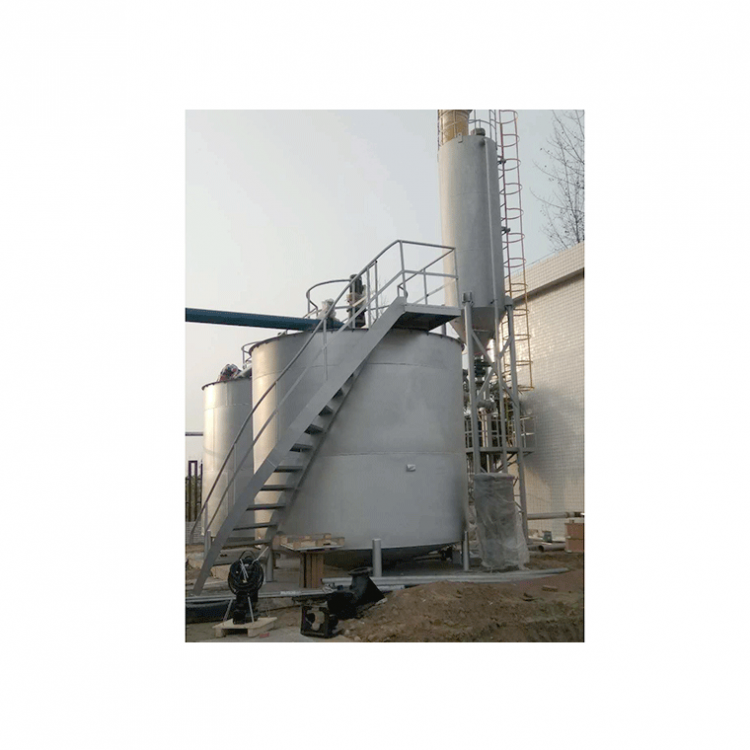
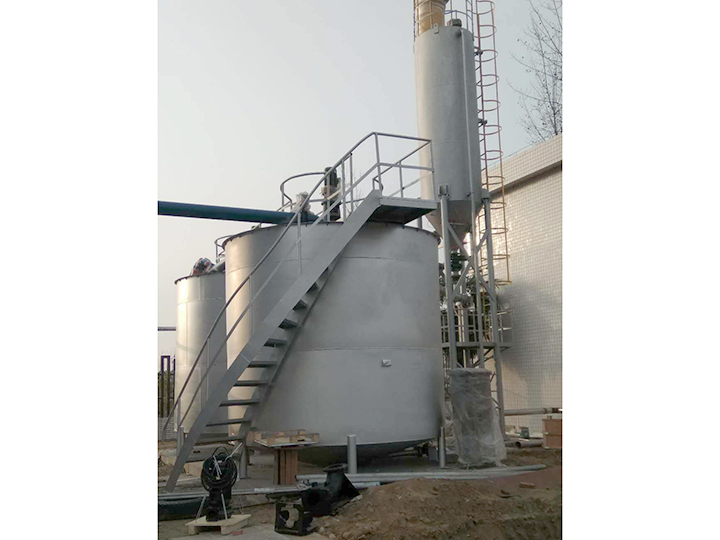
Sludge Thickening Tank
Detailed Description
High moisture content in sludge generated during wastewater treatment results in a large volume of sludge, posing difficulties in its treatment, utilization, and transportation. Sludge thickening is used to reduce the moisture content and volume of sludge, thereby lowering subsequent treatment costs. Common methods for sludge thickening include gravity thickening, air flotation thickening, and centrifugal thickening.
Gravity thickening is essentially a sedimentation process, categorized under compressed sedimentation. Gravity thickening tanks can be divided into two types based on their operation: continuous and intermittent. Continuous systems are primarily used in large and medium-sized wastewater treatment plants, while intermittent systems are more commonly used in small wastewater treatment plants or those associated with industrial enterprises. Gravity thickening tanks are generally constructed with watertight reinforced concrete, equipped with sludge inlet pipes, sludge outlet pipes, and clarified liquid discharge pipes. The planar shapes available are circular and rectangular, with circular being the more commonly adopted design.
The feed sludge and effluent of the intermittent gravity thickener are intermittent, thus, multiple clarified liquid discharge pipes should be installed at different heights within the thickener. The intermittent operation is cumbersome to manage and requires a larger volume of pond for treating the same amount of sludge compared to continuous operation.
The inlet and outlet of the continuous gravity thickener are both continuous, with sludge discharge being either continuous or intermittent. A radial flow thickener is used when the pond is large, while a vertical flow thickener is used when it is small. The vertical flow thickener employs gravity sludge discharge, and the radial flow thickener commonly uses a scraper for mechanical sludge removal. Sometimes gravity sludge discharge is also used, but the bottom of the pond should be designed with multiple compartments.
The thickening tank must meet three conditions simultaneously: the supernatant is clarified, the sludge solid concentration reaches the design requirements, and the solid recovery rate is high. If the thickening tank is overloaded, although the treatment volume increases, the solid concentration of the thickened sludge is low, the supernatant becomes turbid, the solid recovery rate is low, and the thickening effect is poor. Conversely, if the load is too small, the sludge stays in the tank for too long, which may cause anaerobic fermentation of the sludge, producing gases that cause the sludge to float, thereby also reducing the thickening effect.
询价单


