

- AllProduct Category
-
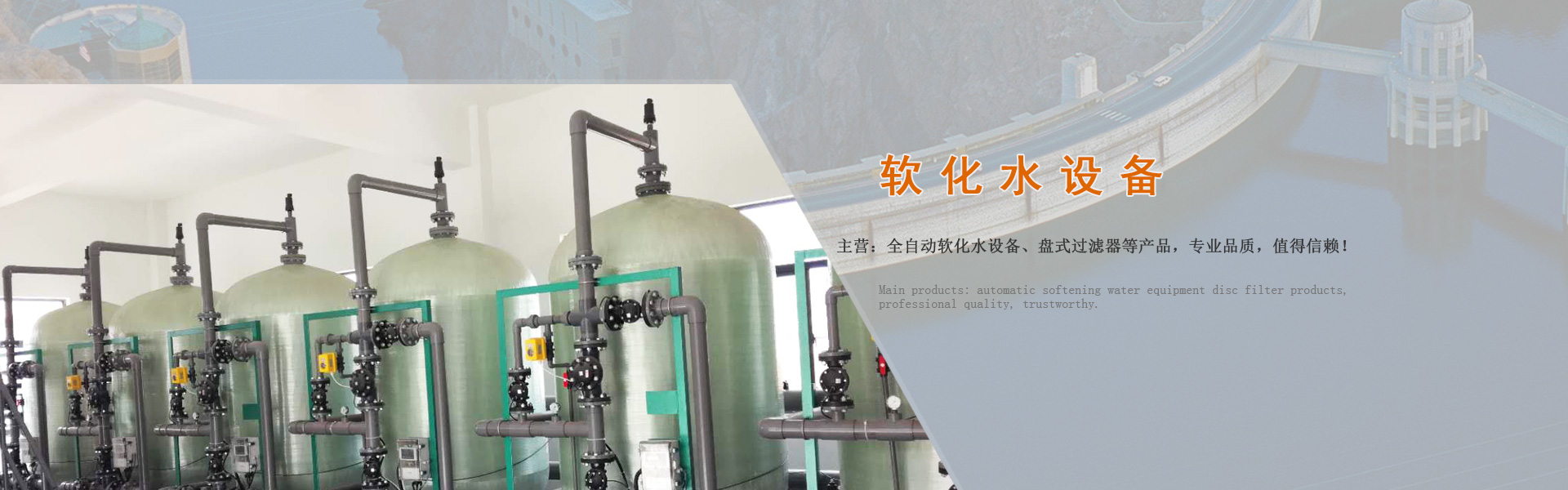
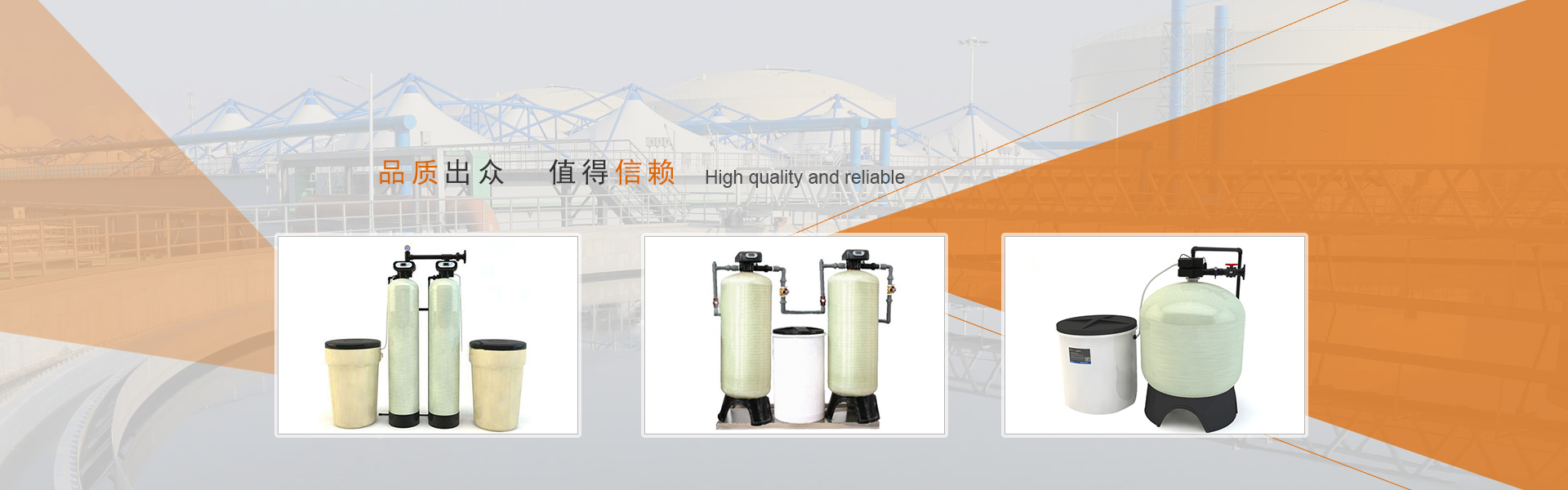
Fully Automatic Softening Water Equipment
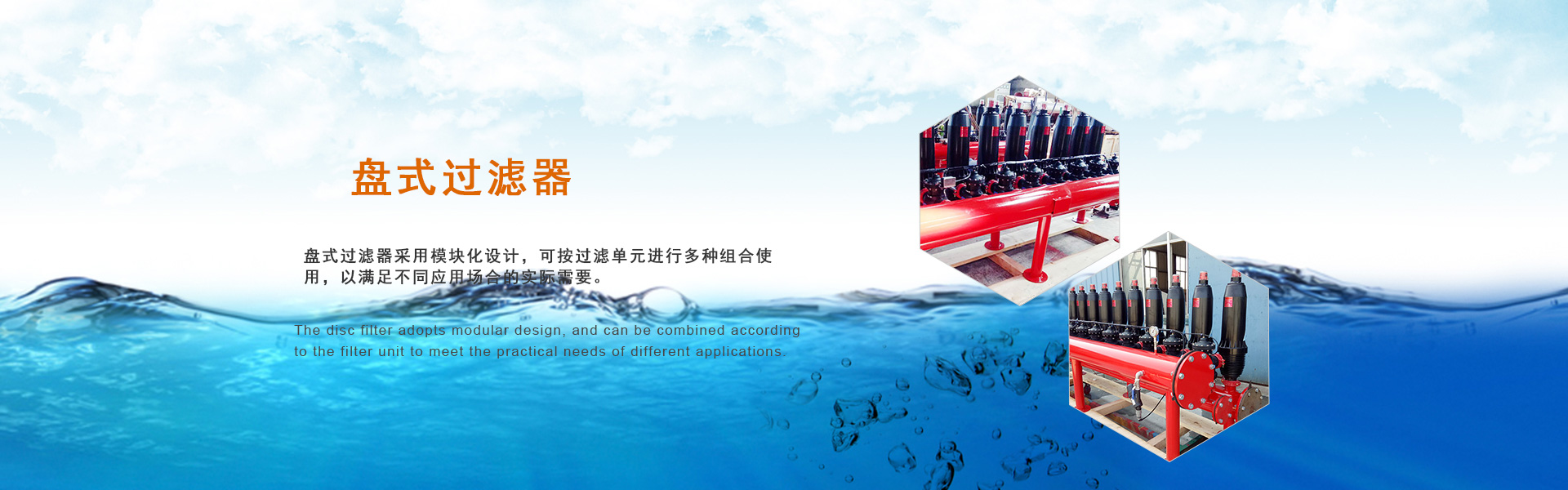
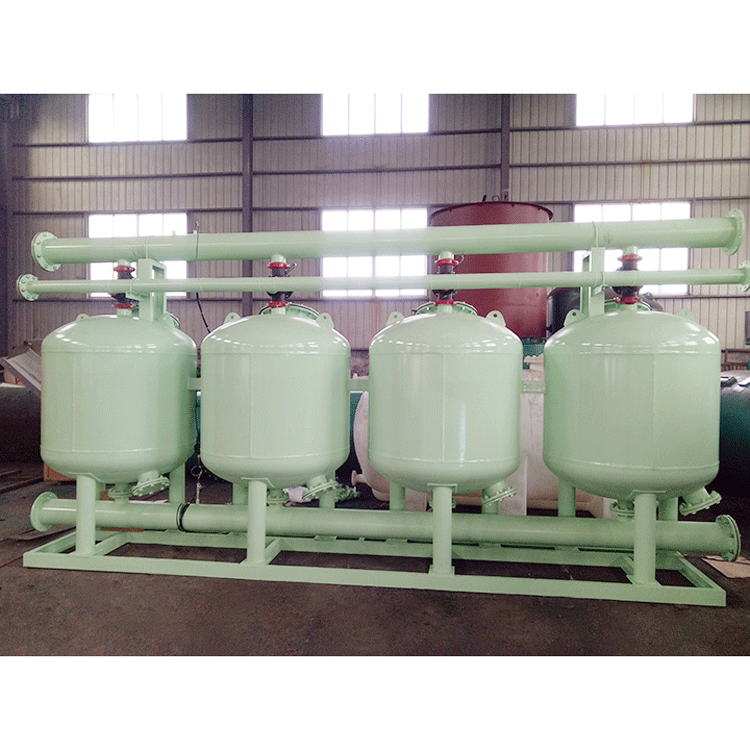
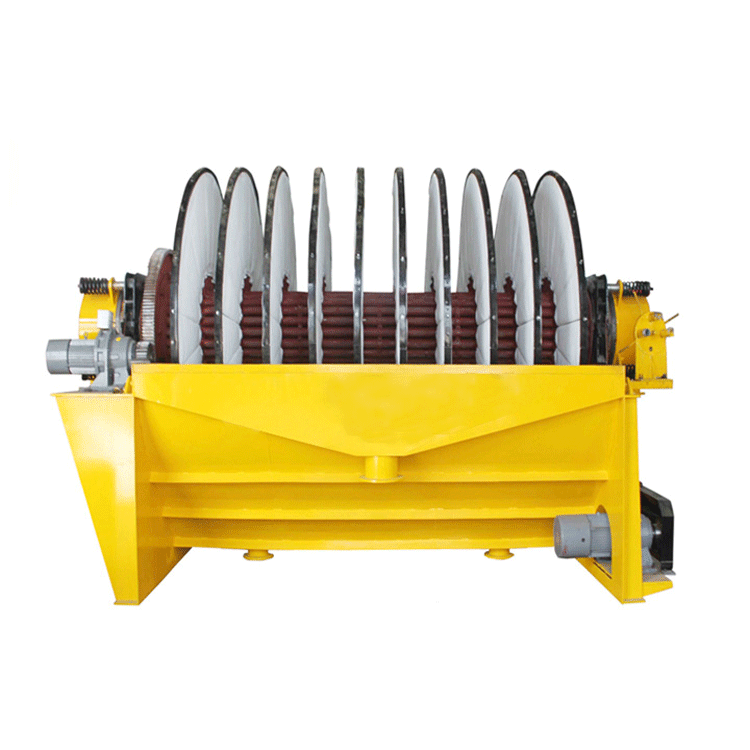
Disk Filter
Fiber Disc Filter
Screw Press
Shallow Filter
Medication Equipment Series
Wastewater Series
Deoxygenator
Suction Mud Machines, Grating Series
Aeration Series
Eco-Friendly Accessories Line





详情描述
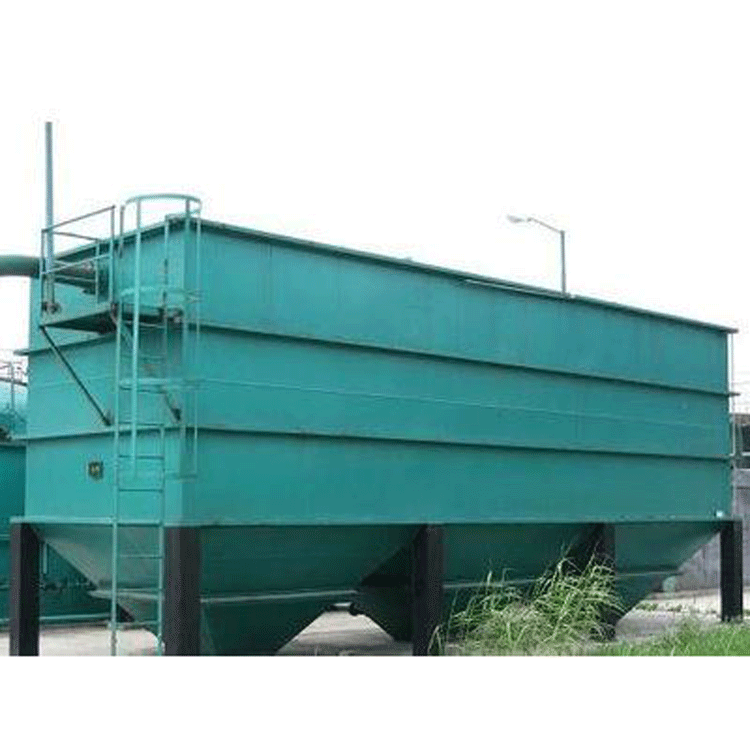
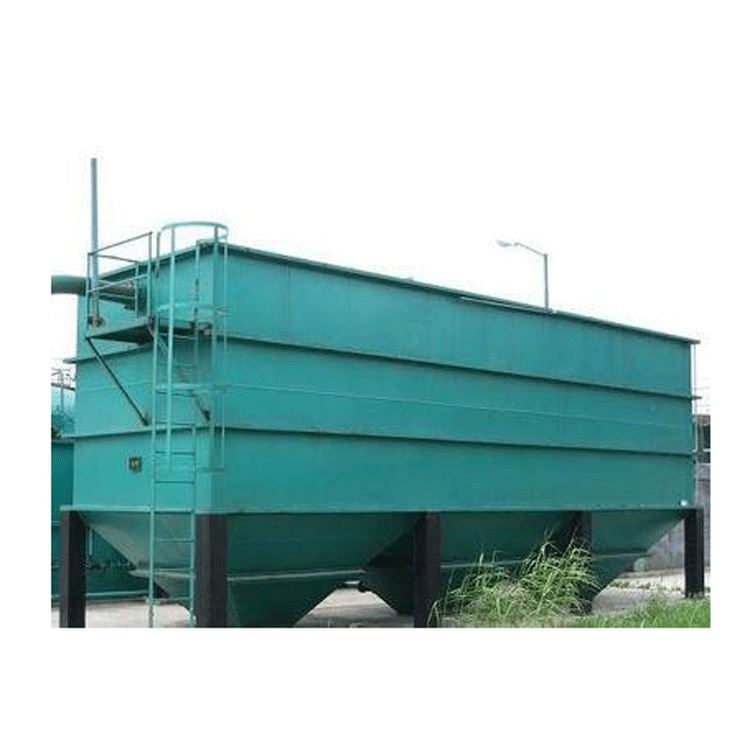
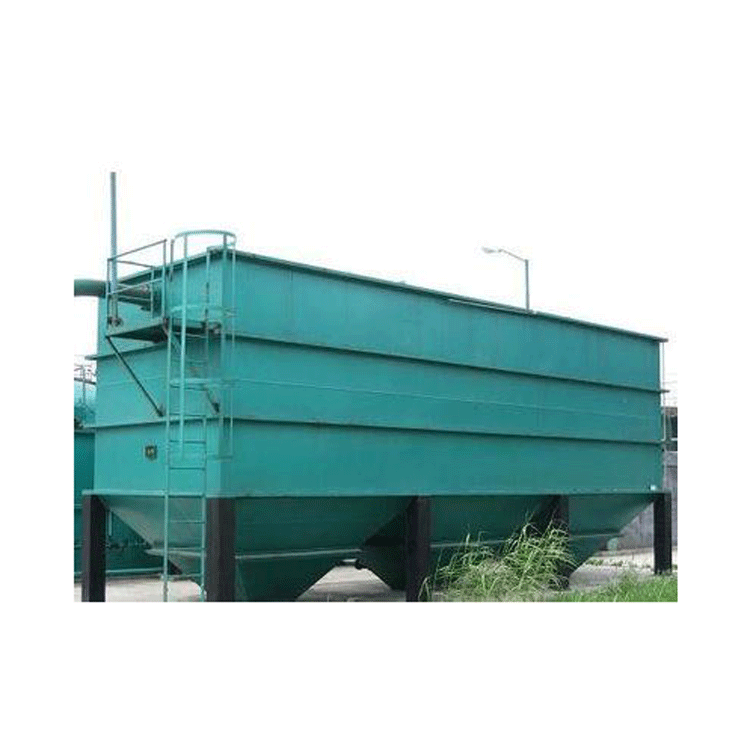
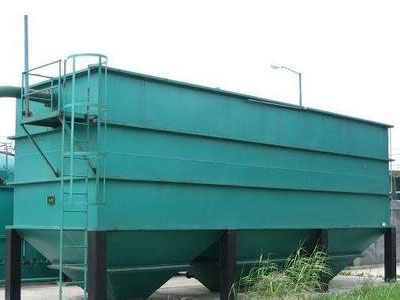
Tilted tube sedimentation tank
Introduction
Tilted tube sedimentation tanks are sedimentation tanks equipped with inclined tubes within the sedimentation zone. They come in two assembly types: inclined tubes and branch pipes. In the sedimentation zone of a horizontal flow or vertical flow sedimentation tank, the zone is divided into a series of shallow sedimentation layers using inclined parallel tubes or parallel pipes (honeycomb fillers can sometimes be used). The treated water and settled sludge move and separate in each shallow sedimentation layer. There are three different separation methods based on the direction of their movement: counterflow, co-directional flow, and cross-directional flow. The space between each pair of parallel inclined plates (or within parallel pipes) is equivalent to a very shallow sedimentation tank.
Features
1. Employing the principle of laminar flow, it enhances the treatment capacity of the sedimentation pond.
2. Reduced the settling distance of particles, thereby shortening the sedimentation time.
3. Increased the settling pond's settling area, thereby enhancing the treatment efficiency.
This type of sedimentation pond has a flow rate of up to 36 m³/(m².h), which is 7-10 times higher than that of a general sedimentation pond, making it a new type of sedimentation equipment. It has already been standardized for production use.
The length of the inclined tube sedimentation tank is denoted as L, the horizontal flow velocity within the tank as V, and the particle settling velocity as u0. Under ideal conditions, the ratio L/H equals V/u0. It is evident that when L and V remain constant, the shallower the tank, the finer the suspended particles that can be removed. If a horizontal baffle is used to divide H into three layers, each with a depth of H/3, with u0 and V unchanged, only L/3 is required to remove particles at velocity u0. This means the total volume can be reduced to one-third of the original. If the tank length remains constant and the depth becomes H/3, the horizontal flow velocity can be increased to 3V, still effectively removing particles at settling velocity u0, thereby tripling the treatment capacity. By dividing the sedimentation tank into n layers, the treatment capacity can be increased by a factor of n. This is the shallow tank theory proposed by Hazen in the early 20th century.
询价单


