

- AllProduct Category
-
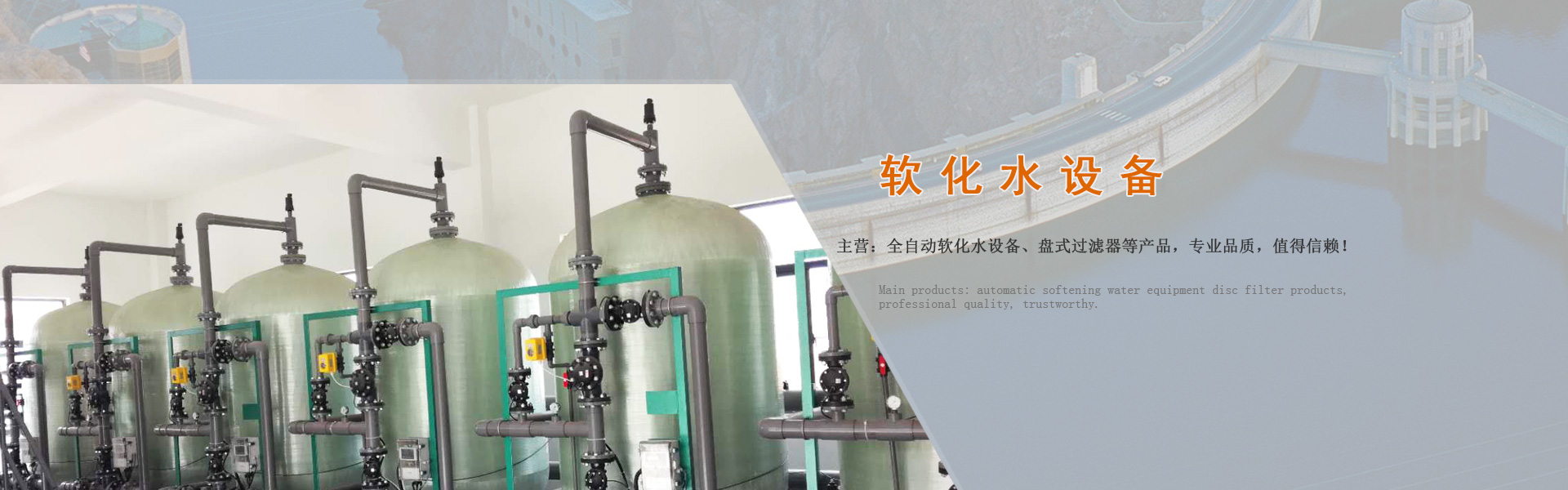
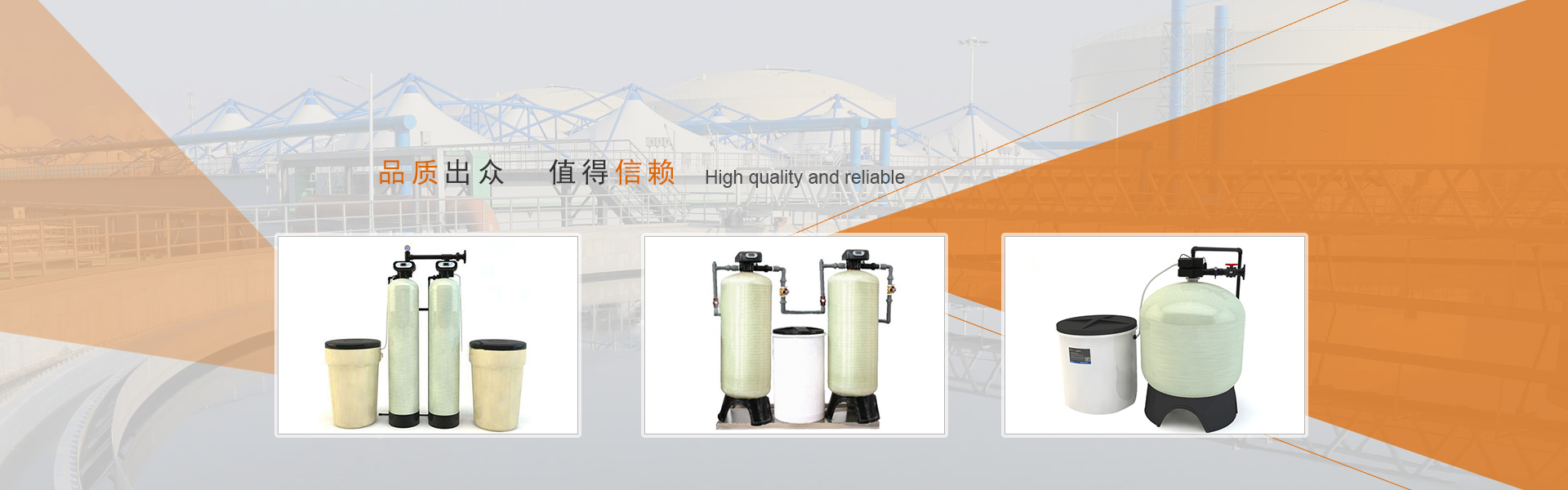
Fully Automatic Softening Water Equipment
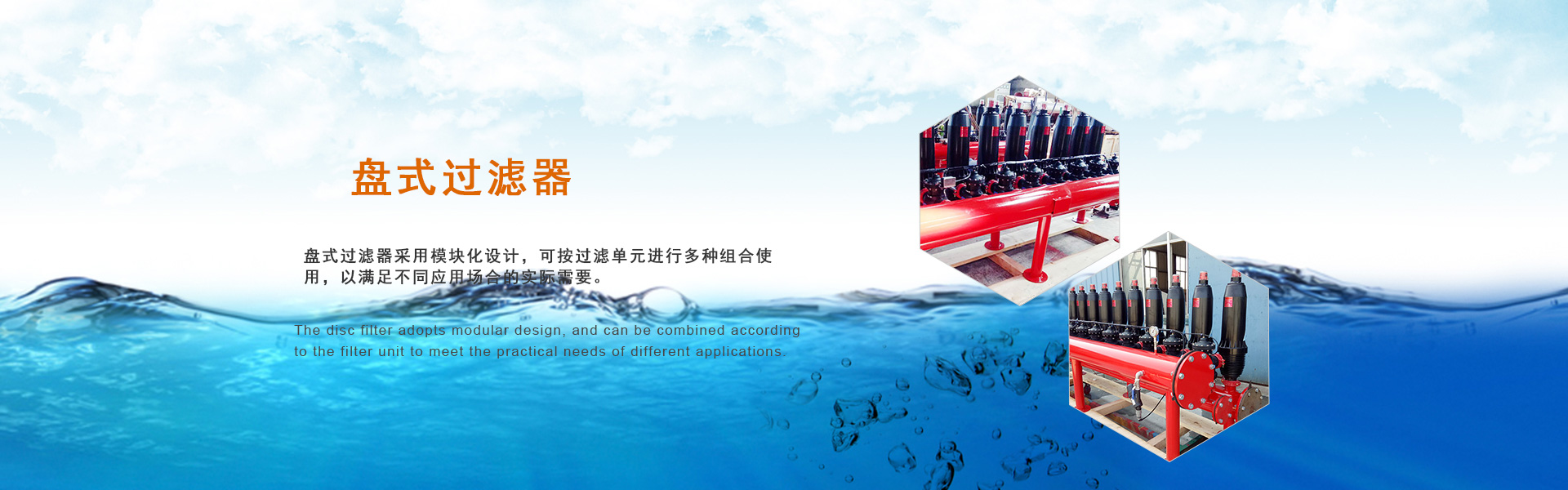
Disk Filter
Fiber Disc Filter
Screw Press
Shallow Filter
Medication Equipment Series
Wastewater Series
Deoxygenator
Suction Mud Machines, Grating Series
Aeration Series
Eco-Friendly Accessories Line





详情描述
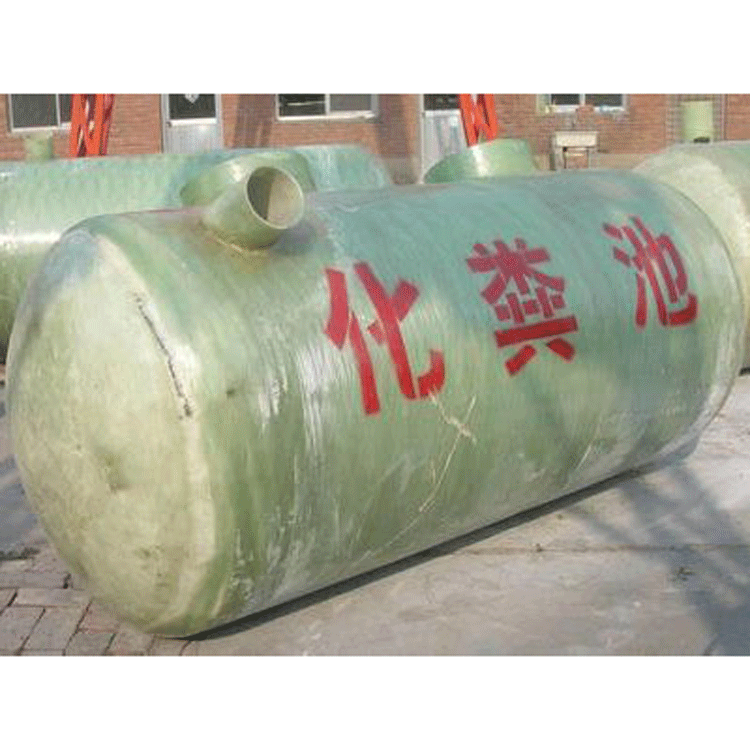
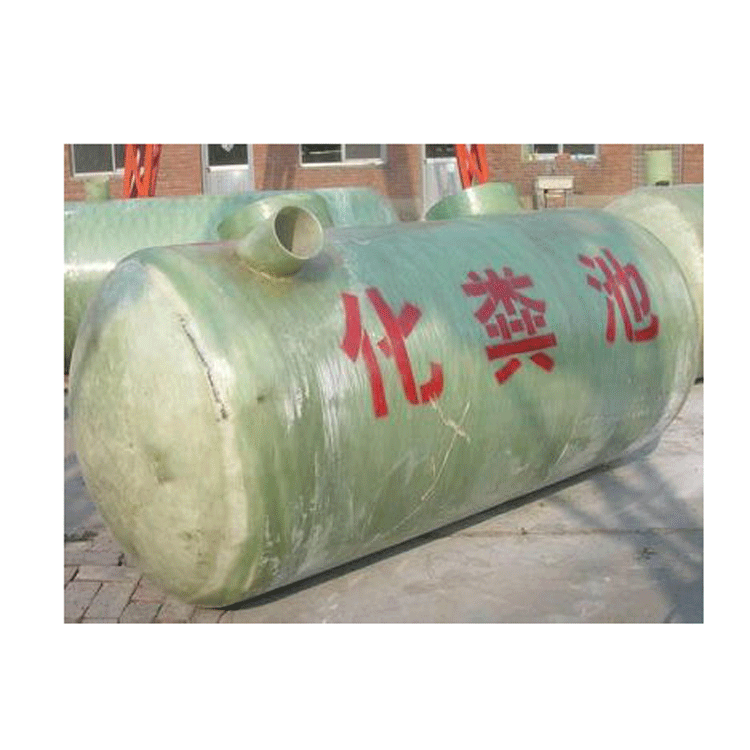
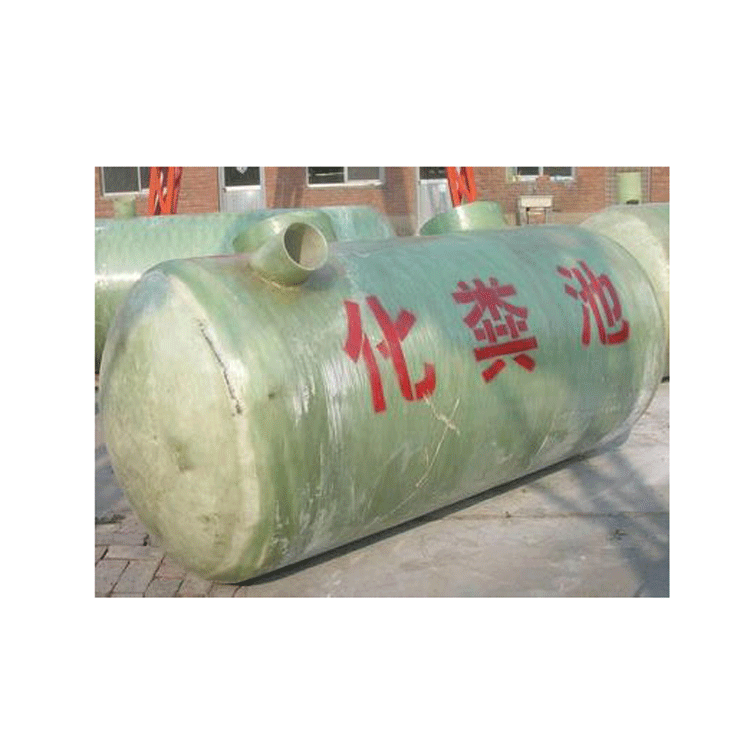
Septic Tank
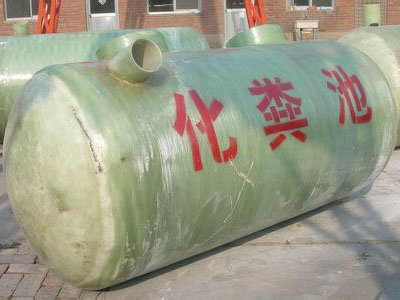
A septic tank is a device used for treating and filtering feces. Its principle involves the decomposition of solids at the bottom of the tank, with the water-soluble substances rising to the top and flowing out through pipes, preventing clogs. This allows for ample time for the solid waste (feces, etc.) to hydrolyze. A septic tank refers to a small treatment structure that separates and sedimentates domestic wastewater and undergoes anaerobic digestion of sludge.
Origin
Sewage treatment plants originated in 19th-century Europe, with a history of over 100 years.
The initial purpose of setting septic tanks within urban residential areas was to collect fertilizer. As urbanization progressed and environmental pollution intensified, septic tanks have played a positive role in protecting water bodies. Today, in many major cities in our country, the role of septic tanks in providing fertilizer for agricultural production has basically disappeared, and they have become one of the fundamental measures for environmental protection.
Process Principle
A septic tank is a treatment facility that utilizes sedimentation and anaerobic fermentation principles to remove suspended organic matter from domestic wastewater, classified as a primary transitional treatment structure. Domestic wastewater contains large amounts of feces, paper debris, pathogenic parasites, etc. The concentration of suspended solids is 100~350mg/L, with an organic matter concentration BOD5 of 100~400mg/L, among which the concentration of suspended organic matter BOD5 is 50~200mg/L. After 12~24 hours of sedimentation in the septic tank, 50%~60% of the suspended matter can be removed. The sludge that settles down undergoes more than 3 months of anaerobic fermentation decomposition, converting organic matter in the sludge into stable inorganic matter, transforming decomposable raw sludge into stable mature sludge, altering the sludge structure, and reducing its moisture content. The sludge is regularly removed and transported for landfilling or use as fertilizer. Requirements: The calculation volume of the sedimentation and digestion parts of the septic tank should be determined according to Article 4.8.4~4.8.7 of the "Code for Design of Building Water Supply and Drainage" (GB50015-2003). The retention time of wastewater in the septic tank should be between 12h~24h. For the three-in-one sludge treatment technology type, the traditional septic tank has been in use for over a century. The technical route is the mode of wastewater and sludge contact, where the digested sludge degrades to produce carbon dioxide and other digestion gases. The upward buoyancy of the digestion gases disturbs the sludge, allowing for a thorough mixing of sludge with the microbial community, which aids in digestion and degradation. However, as the bottom sludge rises with the digestion gases and the bubbles escape, the sludge settles back down, re-polluting the wastewater.
In the technological mode where septic tank wastewater and sludge come into contact and mix, the sedimentation and effluent water quality of the septic tank are affected. To improve the sedimentation effect and effluent water quality, it is necessary to extend the wastewater retention time, which is generally 12-24 hours.
The Three-Phase Separation Septic Tank Technology retains the advantages of sludge-water mixture in traditional septic tanks, and adds a technique for separating "wastewater, sludge, and digestate" into three phases. It sets up a three-phase separation device at the outlet end of the septic tank, separating the sludge and digestate from the wastewater treatment process, thereby avoiding interference from the floating gas phenomenon. The sedimentation tank at the outlet end follows the technical standards of the horizontal sedimentation tank, with a wastewater sedimentation time of within 2 hours.
Technical Comparison
The septic tank capacity consists of wastewater volume and sludge volume. In a three-phase separated septic tank, the wastewater retention time is 4-6 hours, compared to 12-24 hours in a mixed sludge and wastewater septic tank. By reducing the wastewater retention time, the saved volume can store sludge.
询价单


