

- AllProduct Category
-
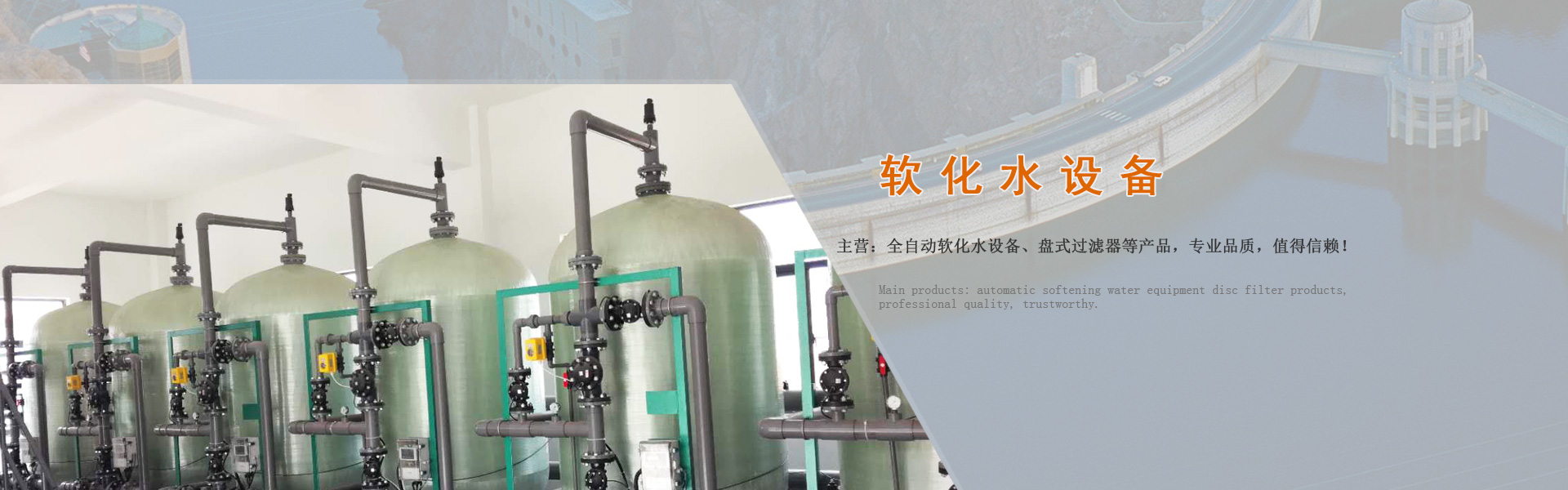
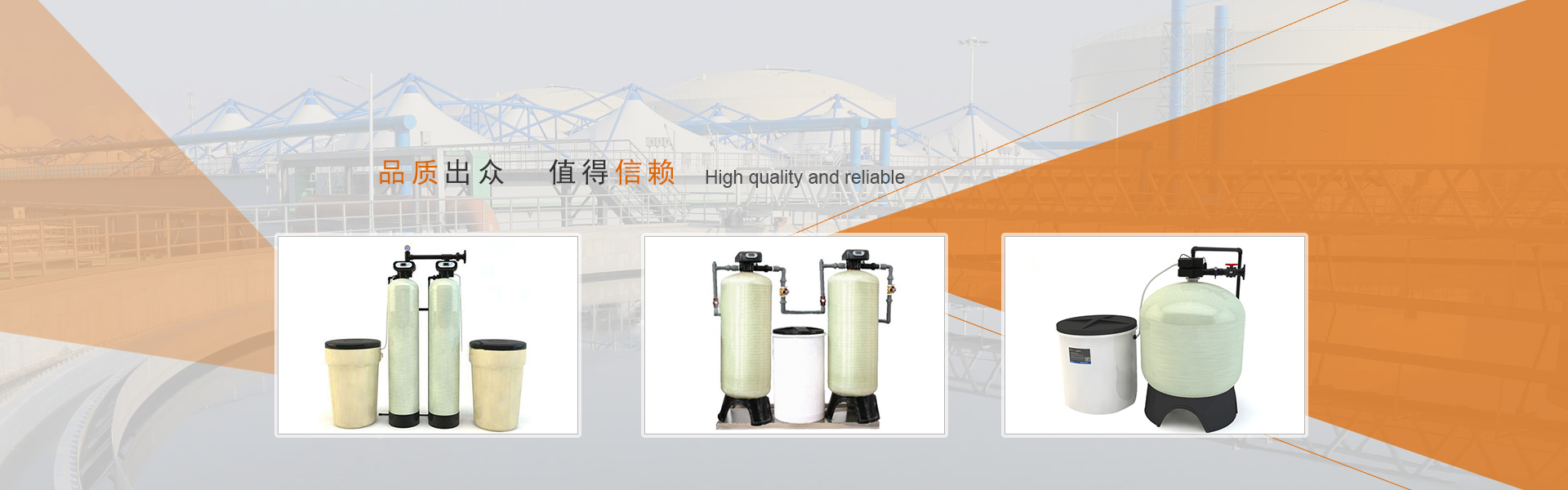
Fully Automatic Softening Water Equipment
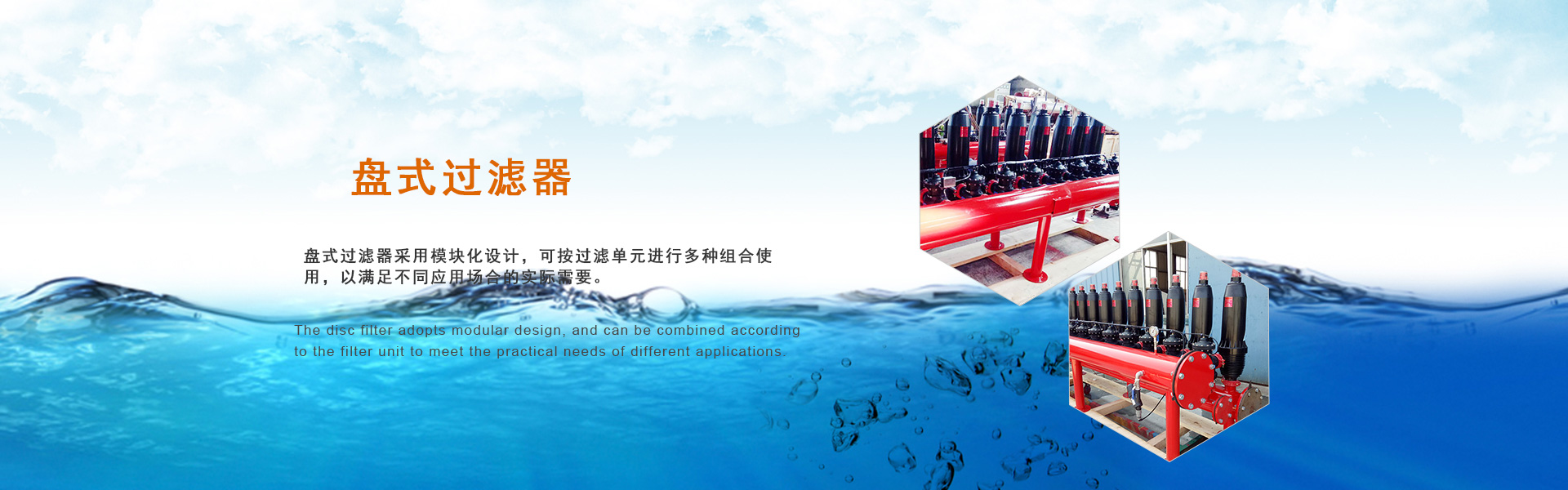
Disk Filter
Fiber Disc Filter
Screw Press
Shallow Filter
Medication Equipment Series
Wastewater Series
Deoxygenator
Suction Mud Machines, Grating Series
Aeration Series
Eco-Friendly Accessories Line





详情描述
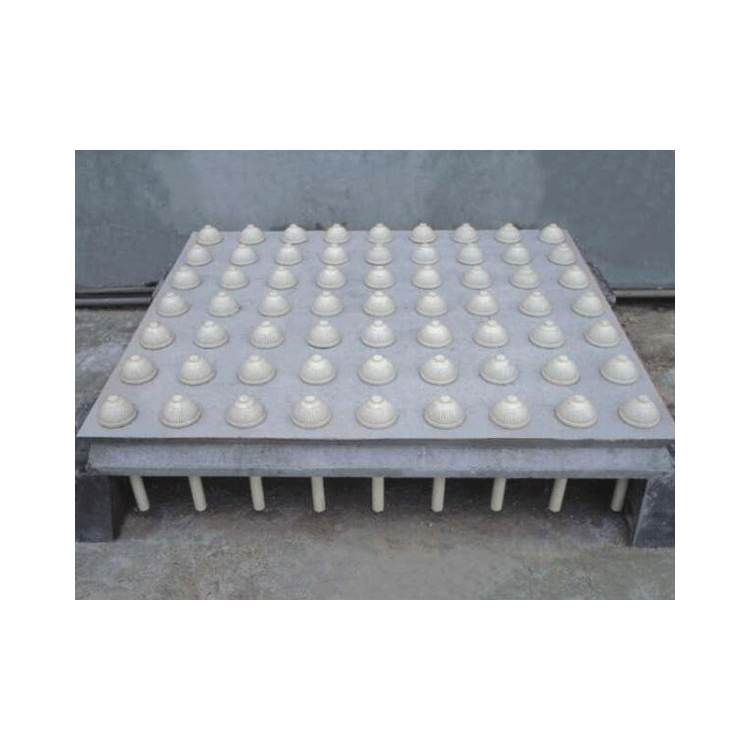
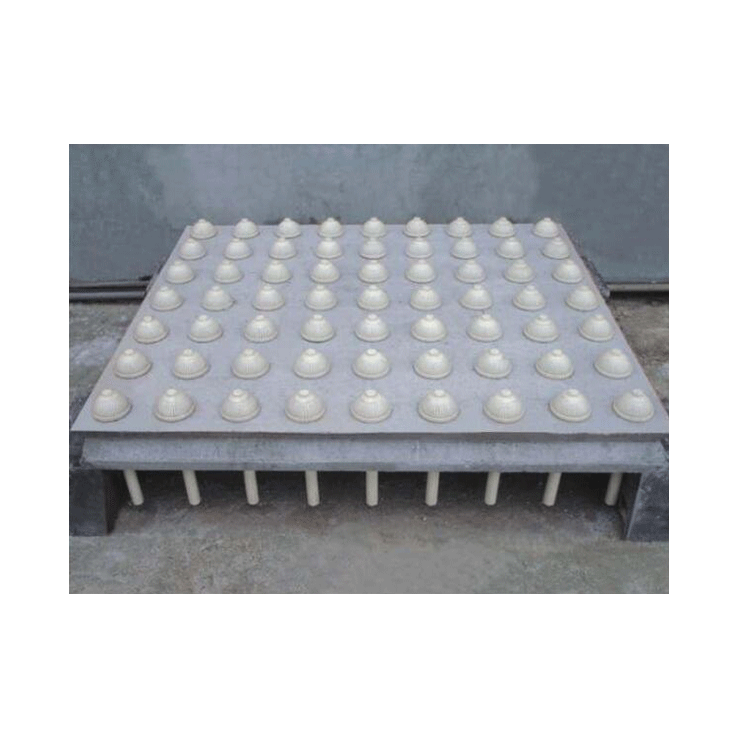
Filter Plate
Overview
Ion rod water treatment technology employs a pure physical method, polarizing the industrial and domestic water with an electric field. It can clear scale, algae proliferation, pipeline corrosion, and other issues in the system, and is a water treatment technology. The ion rod, through the direct action of a high-voltage electrostatic field, alters the physical structure of water molecules, preventing the positively charged ions from moving towards the wall, thereby achieving anti-scaling. Due to the effect of the electrostatic field, it can disrupt molecular bonds in the scaling system, alter crystal structures, loosen hard scale, increase the dipole distance of water, and enhance the dissolution rate of scale, gradually peeling and detaching the formed scale.
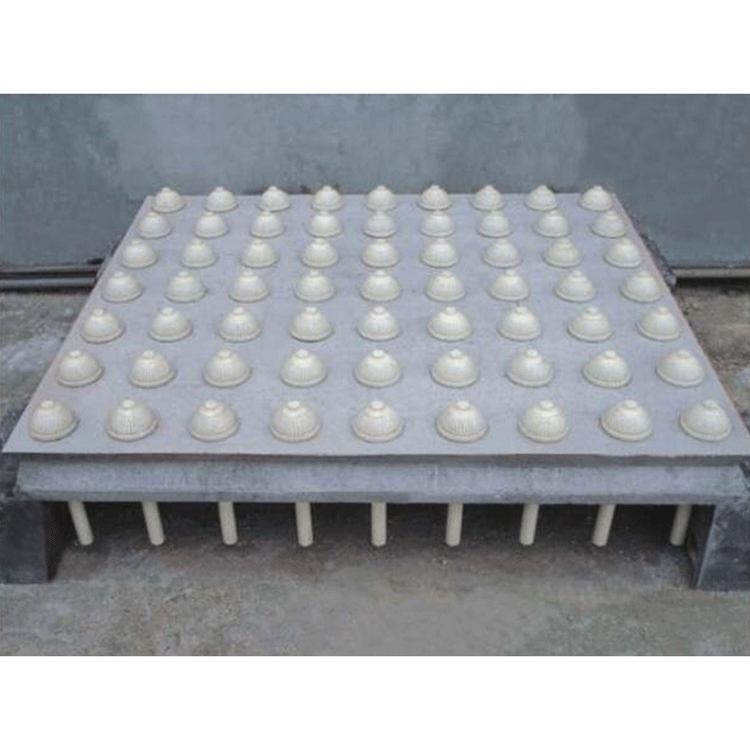
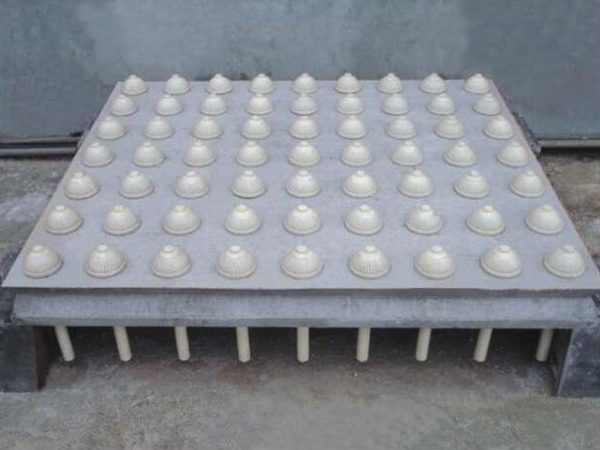
Filter plates are a key component in water treatment processes, serving the dual function of supporting the filter media layer for filtration and backwashing water (or air) distribution within the filter basin. The quality of filter plates, particularly their flatness and precision, directly impacts the water quality, flow rate, and long-term operational benefits of water and wastewater treatment plants. Traditional filter basin water distribution systems face high resistance during filtration and backwashing, leading to uneven distribution, numerous dead zones, easy clogging of filter media, sediment accumulation, and at the same time, localized backwashing strength can cause support layer loosening and sand leakage.
Usage
1. Catalyst Filtration and Separation
2. High-temperature gas filtration in petrochemical industry, filtration of effluent from fluidized bed reactors in petrochemical plants, catalytic cracking oil sludge filtration.
3. Purification of high-temperature flue gases in the metallurgical industry.
4. Filtration of high-temperature gases and liquids
5. Filtration of various high-temperature, corrosive liquids, and catalysts in the petrochemical industry.
6. Filtration and purification of various polymer melts in the synthetic fiber film industry.
7. Filtration and separation of various catalysts in the pharmaceutical industry.
8. Gas distribution and liquefied bed orifice plate material
9. For high-pressure backwashing oil filters, etc.
10. Used for filtering edible oils, beverages, and various edible syrups.
11. Used for purifying and filtering production wastewater.
Installation Requirements
Filter plate horizontal installation precision is critical; its foundation lies in the entire pool's flatness involving the filter beam and the accuracy of positioning for the stainless steel components used for pre-bolted filter plates. Therefore, the requirement for leveling the filter beam is to align with the horizontal line, and it necessitates high-standard metal molds and skilled manufacturing techniques to ensure the flatness of the filter beam. After the plane is leveled, the filter plates can then be installed.
1. Construction to be carried out according to design drawings, with individual pool panel surface level deviation not exceeding ±2mm, and elevation deviation of each compartment filter pool not exceeding ±5mm.
2. Filter plate joints must be airtight and watertight, capable of withstanding the pressure of flushing.
3. Prior to filter plate placement, use a level to ensure the support beam surface elevation error is less than ±2mm.
4. The filter plate joints are filled and compacted with 903 polymer cement mortar, and the joints are cured in a moist environment for three days, then put into use after seven days.
5. During construction, ensure砂浆 does not leak into the pool or clog the filter head. After installation, clean the砂浆 from the filter plate surface thoroughly.
Installation Inspection
Leveling is checked using a level gauge, and water is drained through plugged ends to test for tightness. The success of filter plate manufacturing and installation is crucial for the success of the air-water backwashing process. Since the air-water backwashing process adds air backwashing compared to the traditional single water flushing process, it requires that the level error of individual pool filter plates not exceed ±2mm, and the elevation error of each compartment filter pool not exceed ±5mm. Only then can uneven backwashing and sludge clumping be avoided, which affects water quality and treatment efficiency.
询价单


