
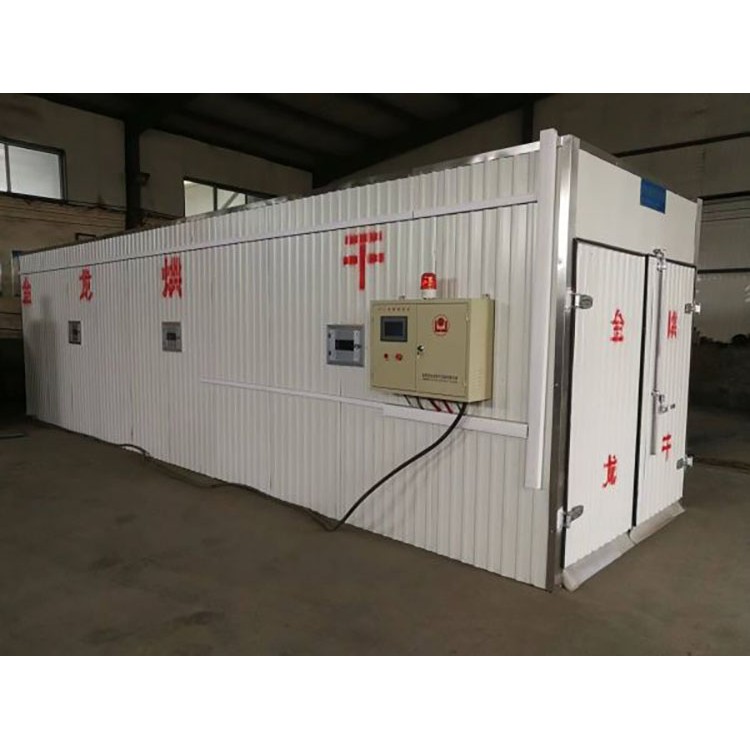
 Wooden Pallet Heat Treatment Warehouse
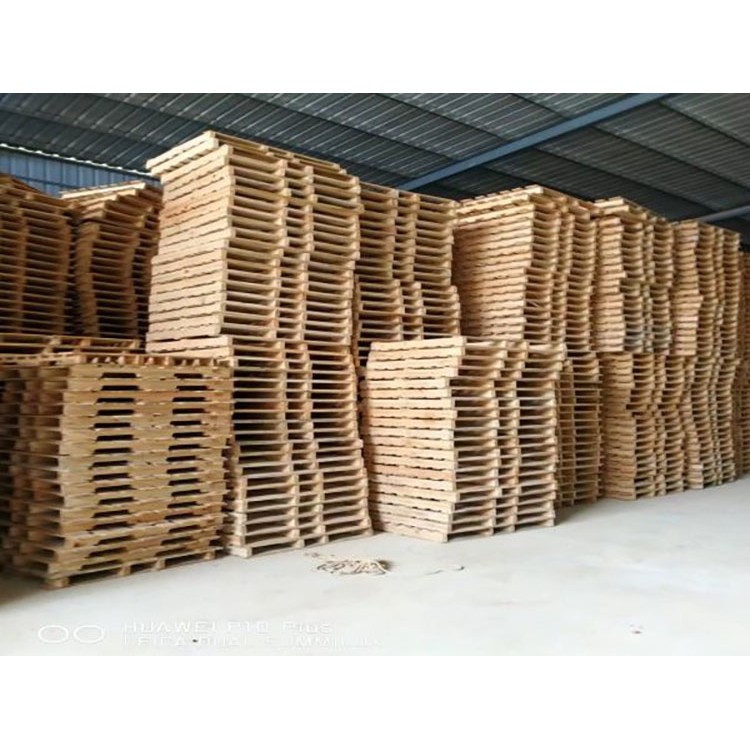 Wooden Pallet Sterilization Warehouse
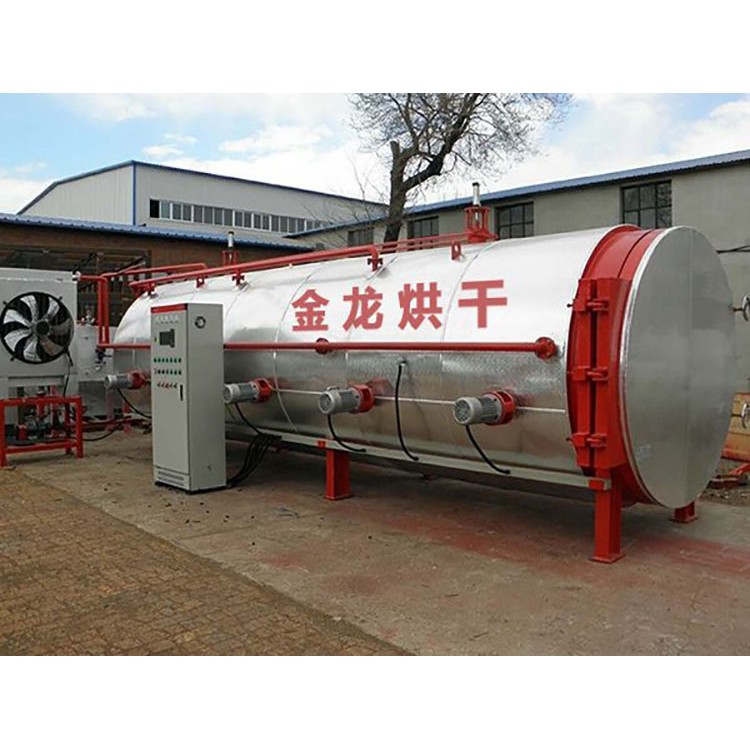 Wood drying, hardening, and carbonization equipment
 Wood drying, hardening, and carbonization equipment
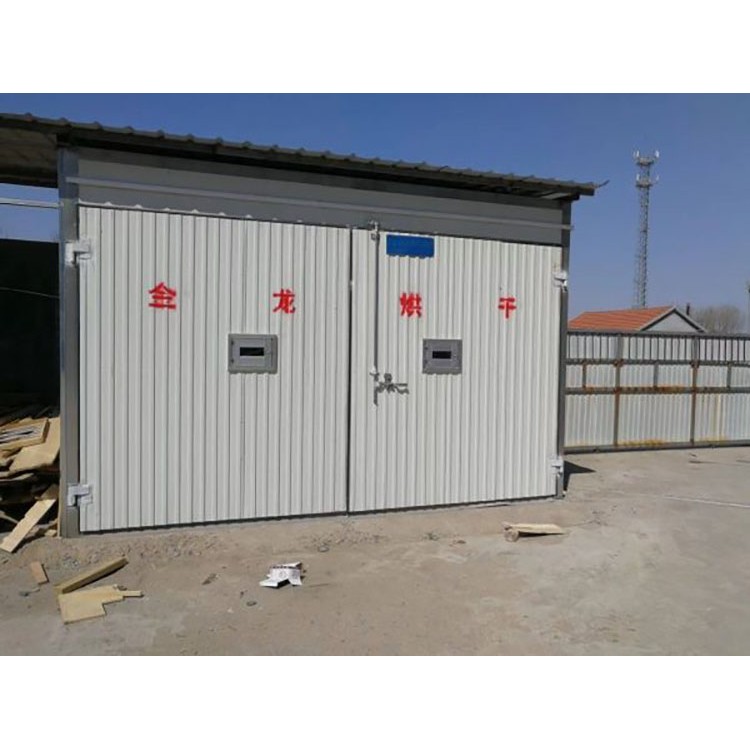 Wood drying, hardening, and carbonization equipment
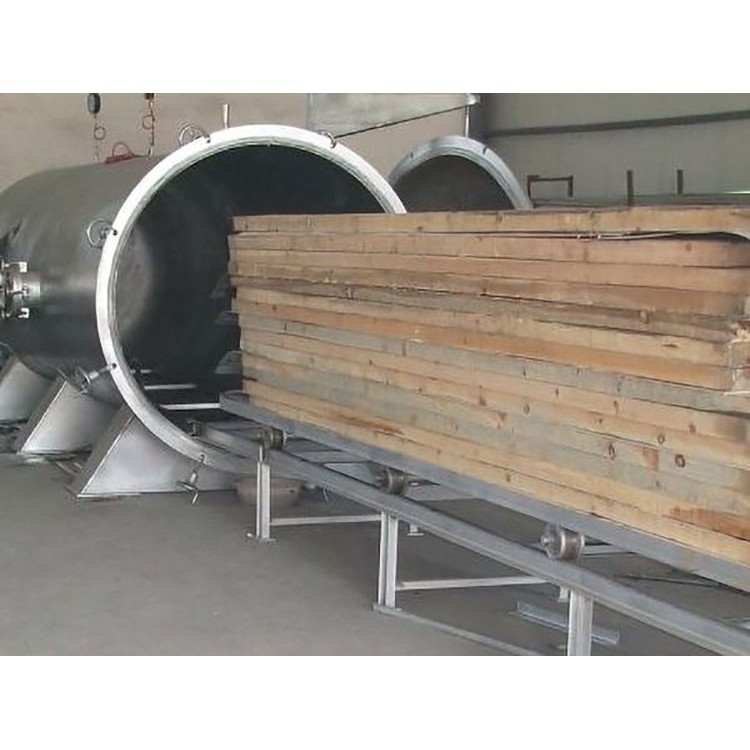 Drying Equipment for Second-Grade Wood
Product Details


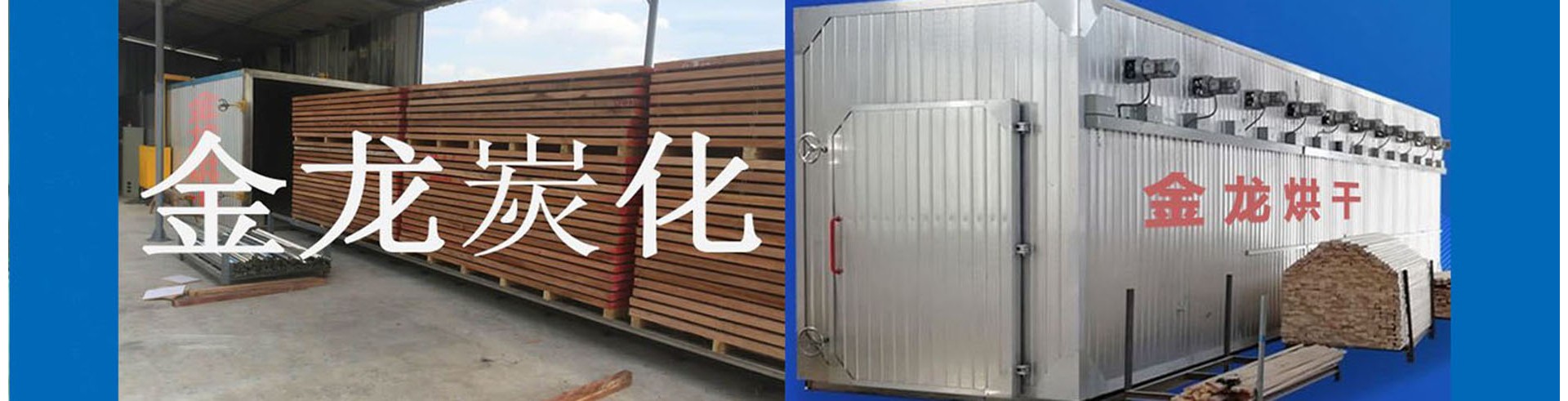
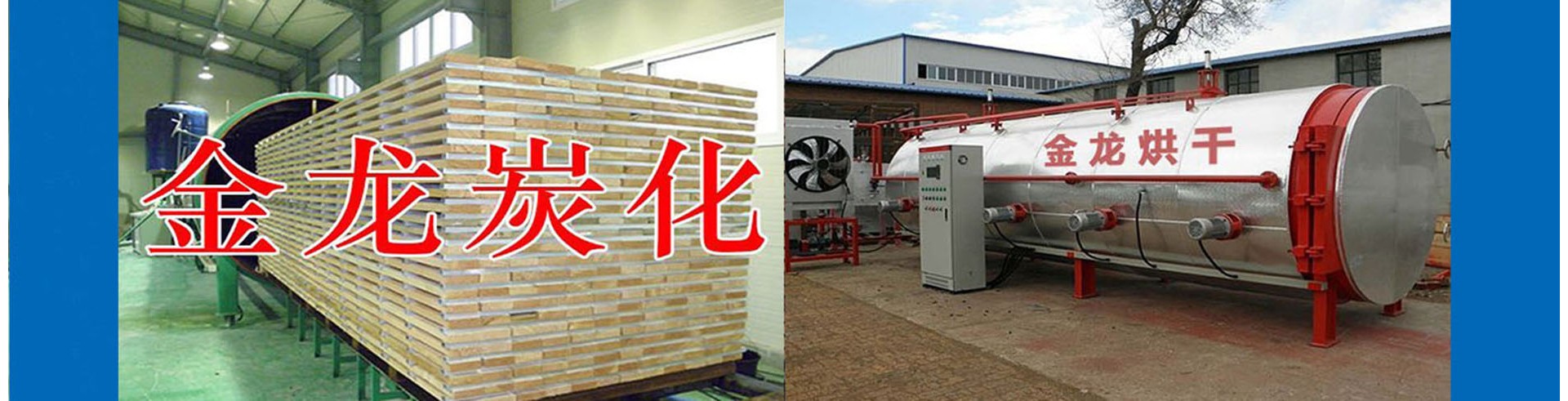

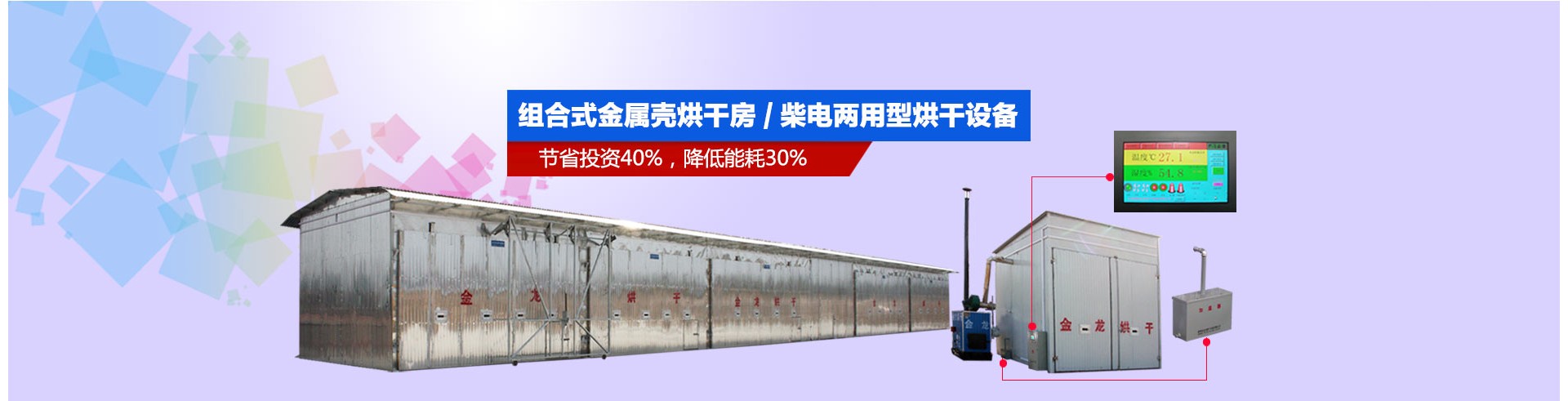



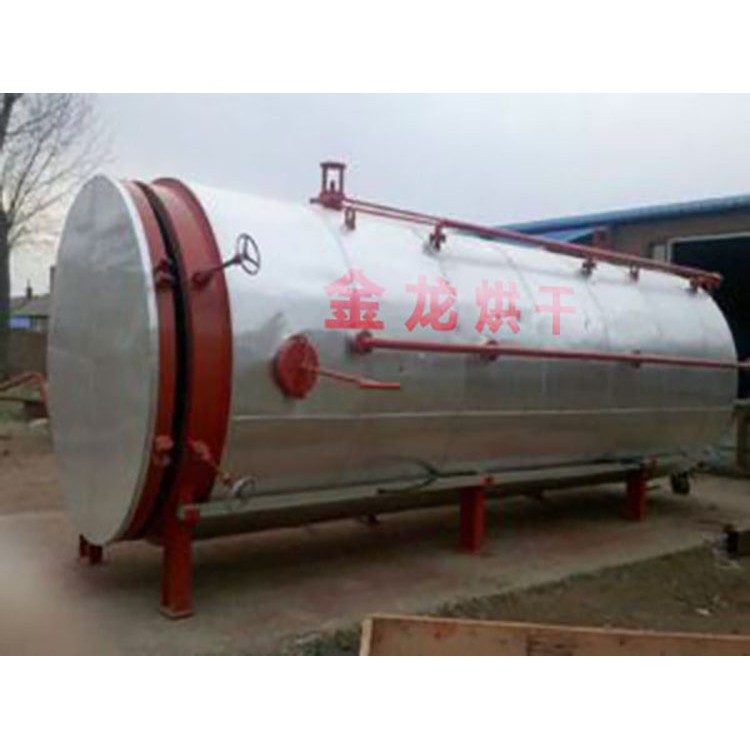
产品Price 20000.00/Tai
最小起订Quantity:1 Tai 供货总Quantity: 999999 Tai


Origin |
|
Custom Processing |
Is |
Brand |
Golden Dragon |
Installation Method |
Free Installation and Commissioning |
Usage |
Drying, Dehydration |
Applicable Materials |
Multiple options available |
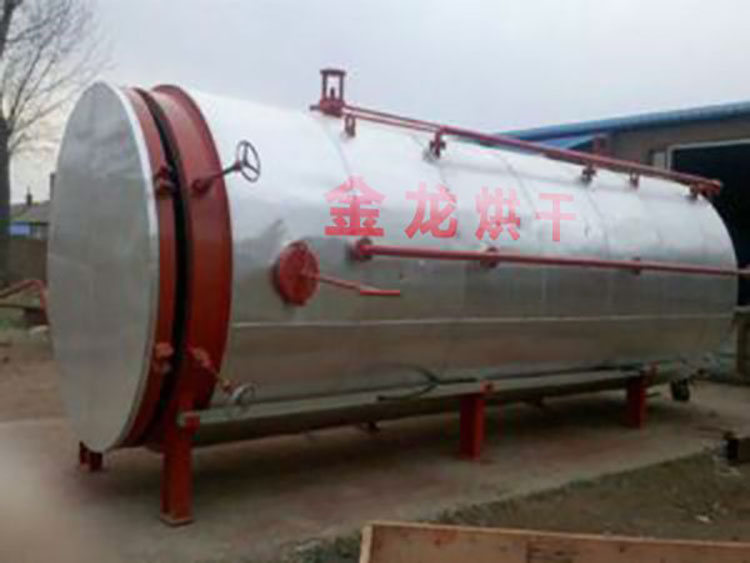
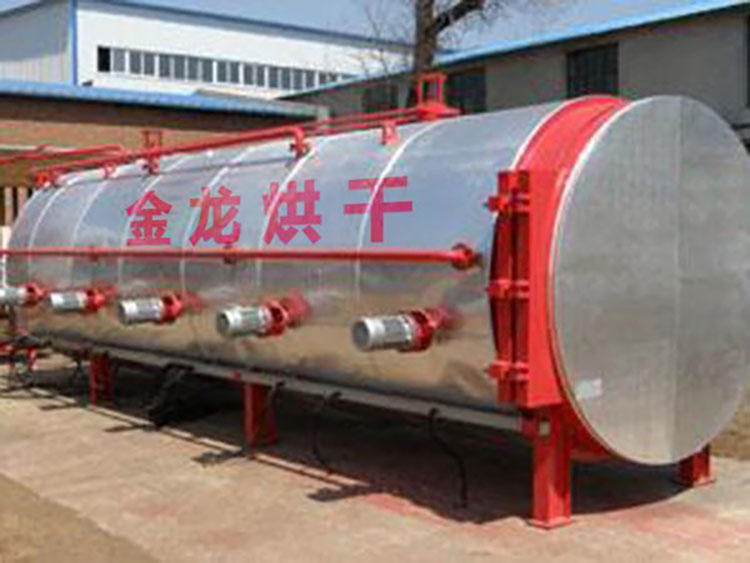
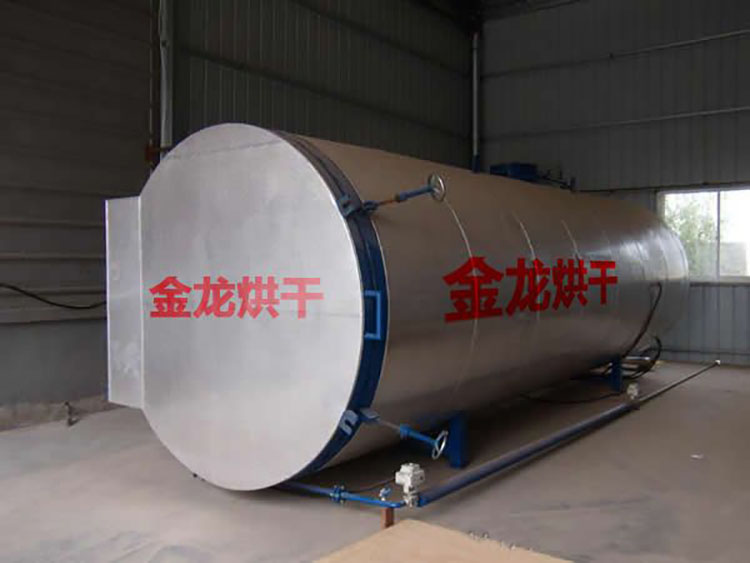
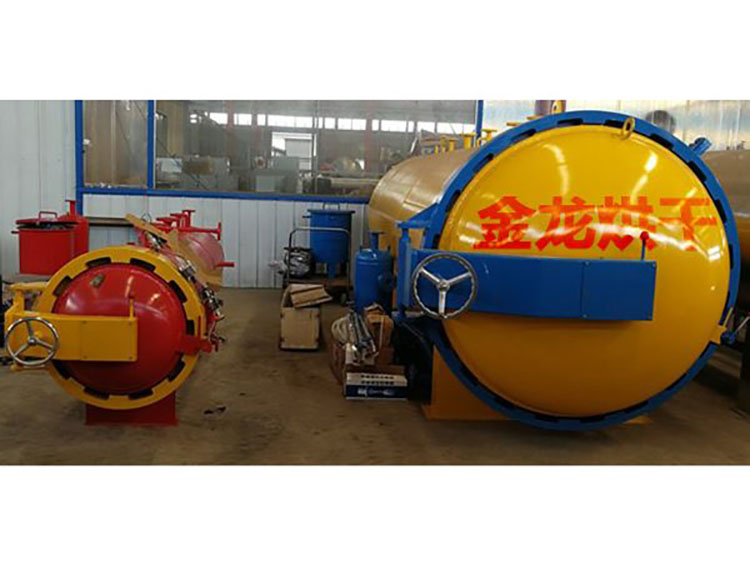
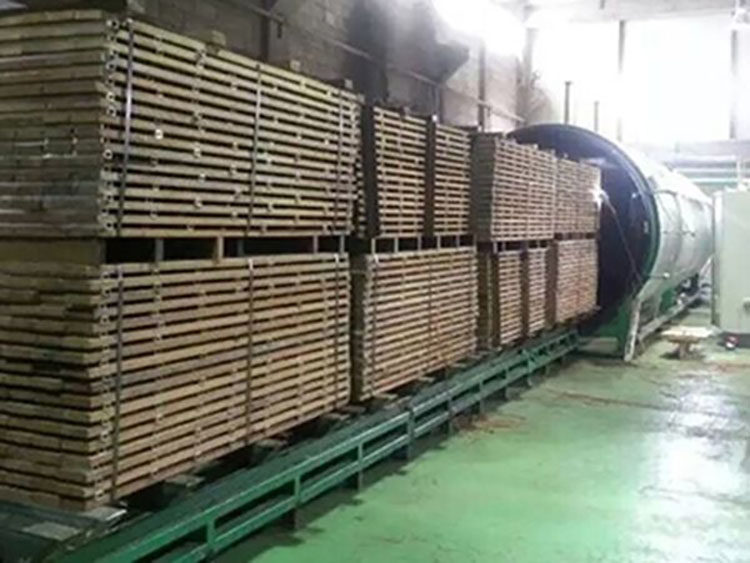
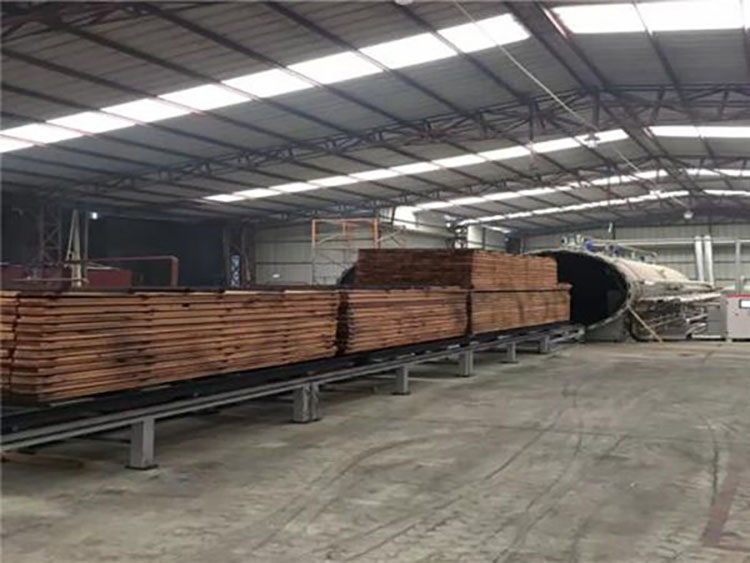
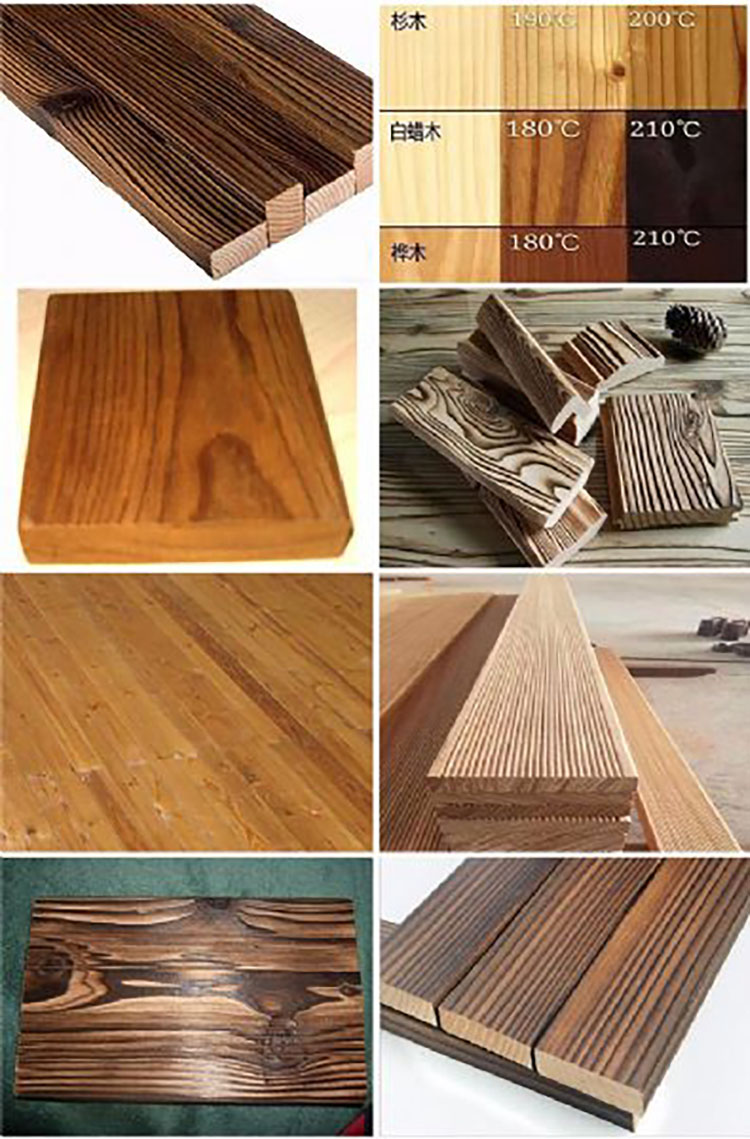
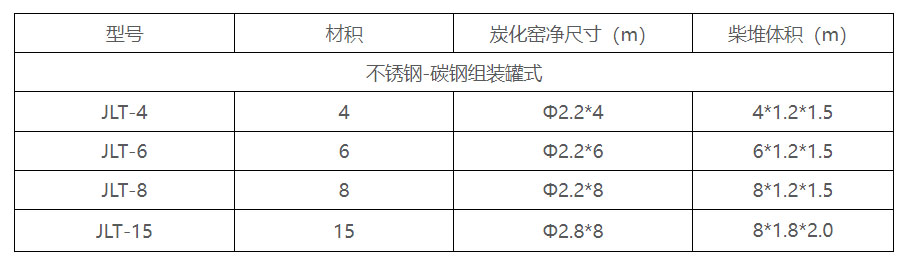
Drying, hardening, and carbonization equipment for wood Wood Drying, Hardening, and Carbonization Equipment Wood drying, hardening, and carbonization equipment Wood drying, hardening, and carbonization equipment Drying, hardening, and carbonization equipment for wood Wood drying, hardening, and carbonization equipment Wood Drying, Hardening, and Carbonization Equipment Drying, hardening, and carbonization equipment for wood Wood drying, hardening, and carbonization equipment Drying, hardening, and carbonization equipment for wood Drying Effect Demonstration One: Wood Drying It is the process of separating moisture from wood, which is divided into primary drying, secondary drying, and maintenance balance. Generally, heating in an environment below 100 degrees Celsius converts moisture into vapor for evaporation, resulting in a reduction in volume weight. During the production process, moisture regain can cause deformation, bulging, and cracking when adhesive (glue) is added with moisture. To address this fundamentally, two approaches are taken: first, maintaining a balanced moisture level through secondary drying and maintenance, and second, altering the wood fiber characteristics through high-temperature hardening to eliminate residual stress in the wood, stabilize its properties, and eliminate adverse factors. II. Wood Hardening: The wood fiber molecules transition from a tubular structure to a reticular crystal atomic structure within the range of 150-200 degrees Celsius. The proportion of change is determined by the temperature and duration. It lies between wood and charcoal, and the production enterprises decide the ratio based on their specific applications. Indoor materials are generally only hardened; the wood fiber molecules undergo only mild high-temperature treatment, which removes some activity, eliminates residual stress in the wood, and maintains stability without deformation. It also retains elasticity and impact resistance. Section 3: Wood Carbonization The wood fiber molecules transition from a tubular structure to a reticular crystal atomic structure within the range of 200-250 degrees Celsius. The proportion of change is determined by the temperature and duration, positioning the wood between wood and charcoal. Manufacturers decide the ratio of wood to charcoal based on their specific applications. Outdoor materials typically opt for carbonization, which is categorized into light, medium, and deep. Light carbonization is usually on the surface, adjusting color variations for shaping; medium carbonization is suitable for outdoor wood products, with strong adaptability to the environment; deep carbonization is less used in wood products due to its fragility, low strength, poor holding power, and difficulty in contacting soil and water. Benefits include high stability, no color variations, rot resistance, environmental friendliness, and ease of oil and fat removal for further processing. IV. Adaptable to the requirements of wood product processing: Our company, after market research and drawing on advanced domestic and international experience, has developed high-temperature hardening equipment. Within the range of 150-200 degrees Celsius, it controls the degree of wood hardening through computer control, achieving excellent results. It maintains the wood's effective physical properties, including elasticity, shock resistance, and strength, with high stability that prevents deformation and cracking. Additionally, it avoids the defects of carbonization, which makes the wood brittle and prone to breakage. V. Multi-functional Kiln The product can be dried, re-dried, balanced for maintenance, hardened, and carbonized according to its use. It can be categorized into kiln-type atmospheric carbonization and drum-type vacuum carbonization. The PLC touch screen intelligent control system (dummy-proof) allows for a one-button setup of drying, re-drying, balancing, hardening, and carbonization programs, offering a highly user-friendly experience. Features of Drum Carbonization Equipment: Import German control instruments to ensure reliable control. Add a medium circulation device to ensure uniform heat treatment. Adjustable temperature between 160~220℃ according to carbonization requirements. Two pressure control systems ensure safe equipment operation. Carbon steel-stainless steel composite tank, cost-effective, guaranteed strength, durable ▶ Suitable for small batch production, with flexible processing Technical Specifications of Circular Carbonization Equipment: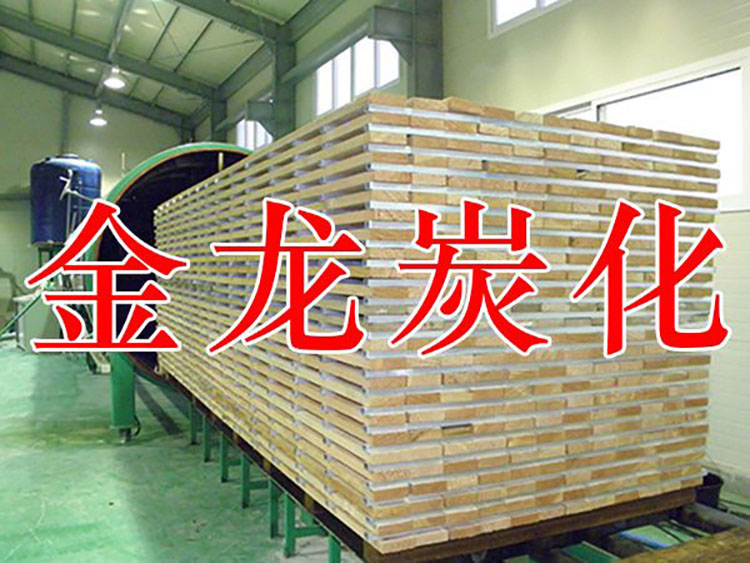


Phone Consultation