
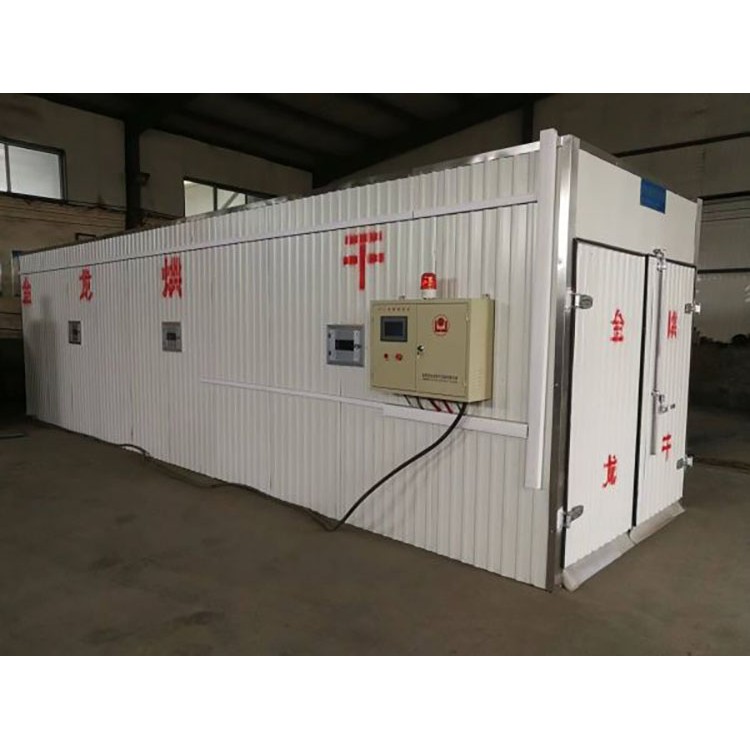
 Wooden Pallet Heat Treatment Warehouse
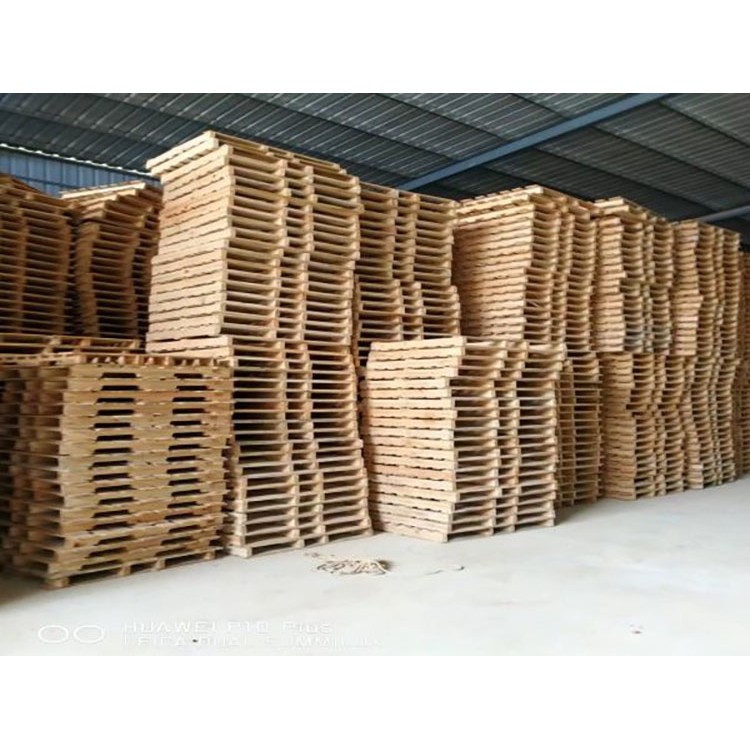 Wooden Pallet Sterilization Warehouse
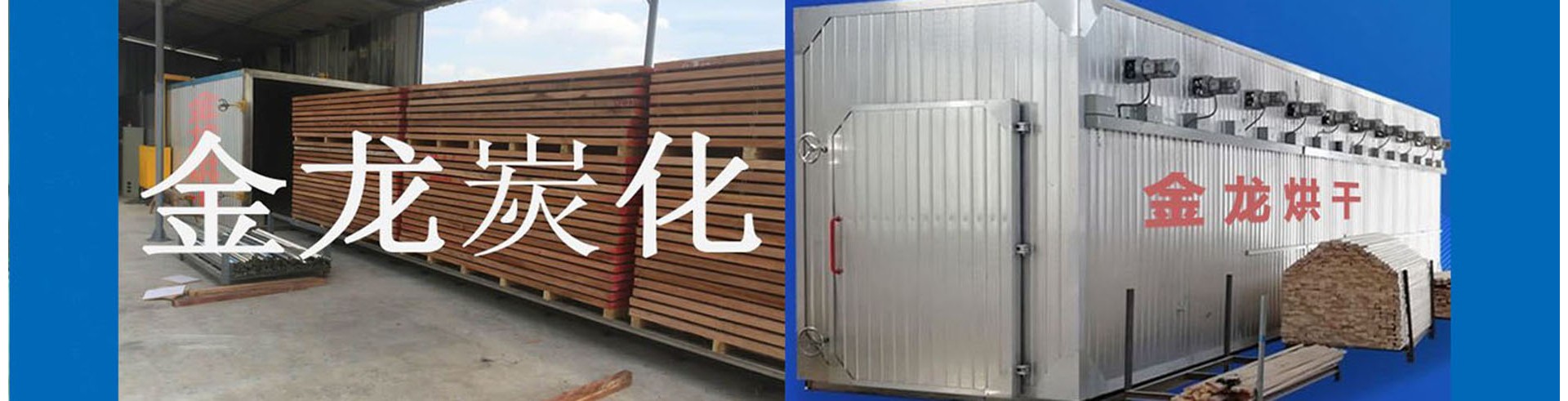
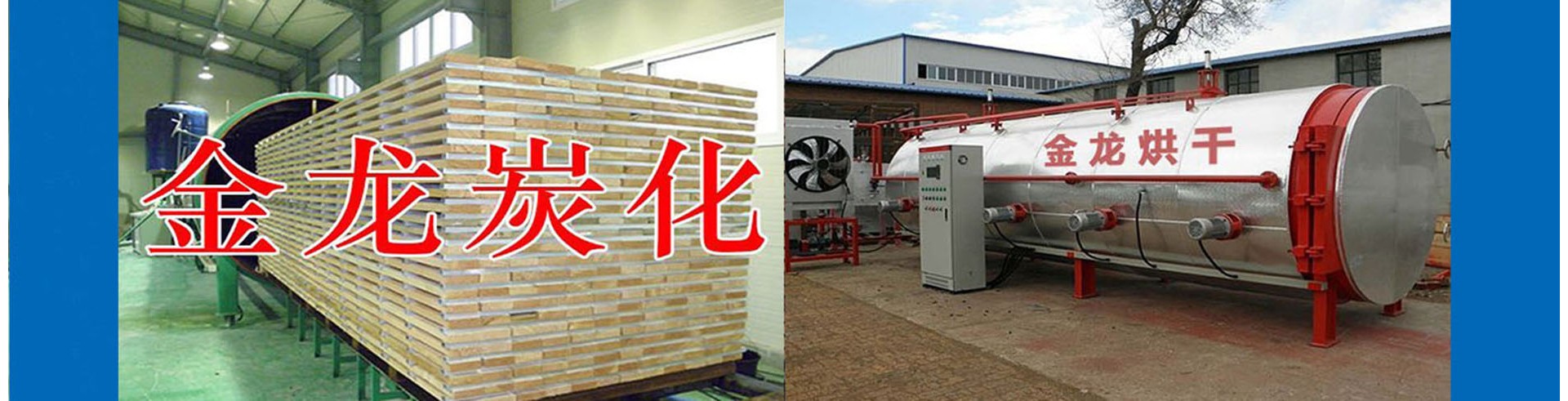
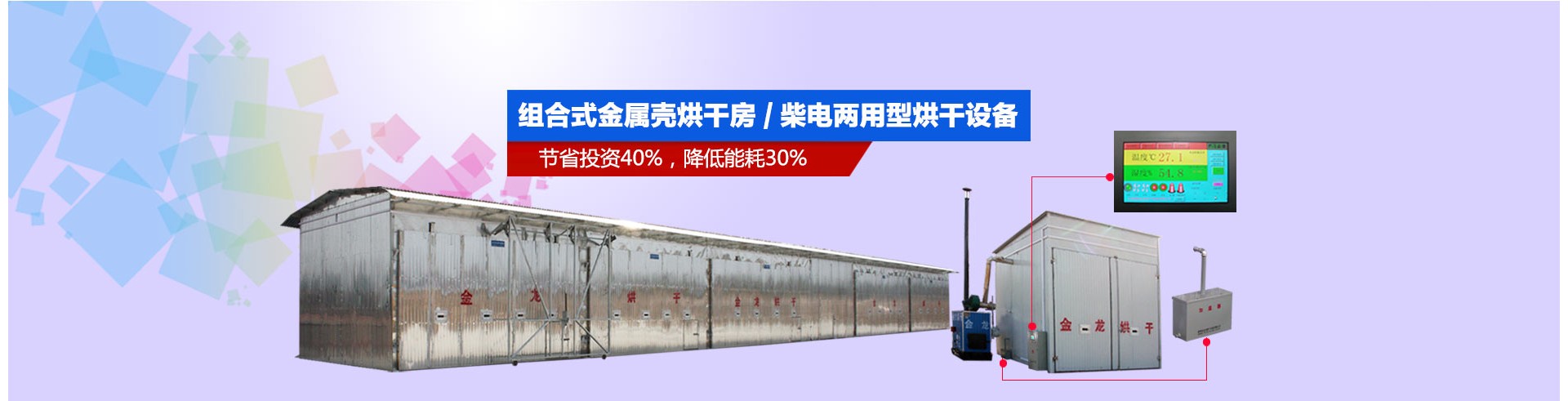
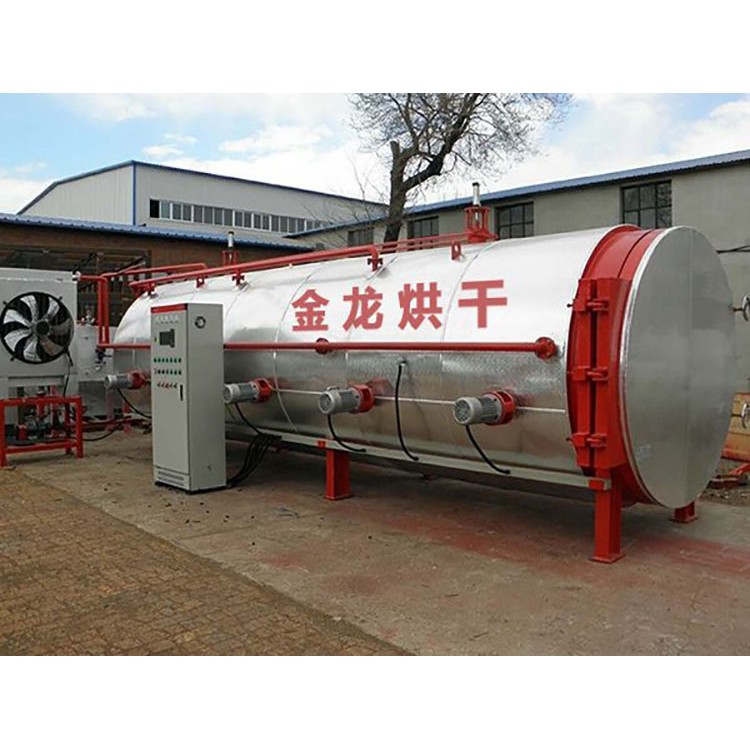 Wood drying, hardening, and carbonization equipment
 Wood drying, hardening, and carbonization equipment
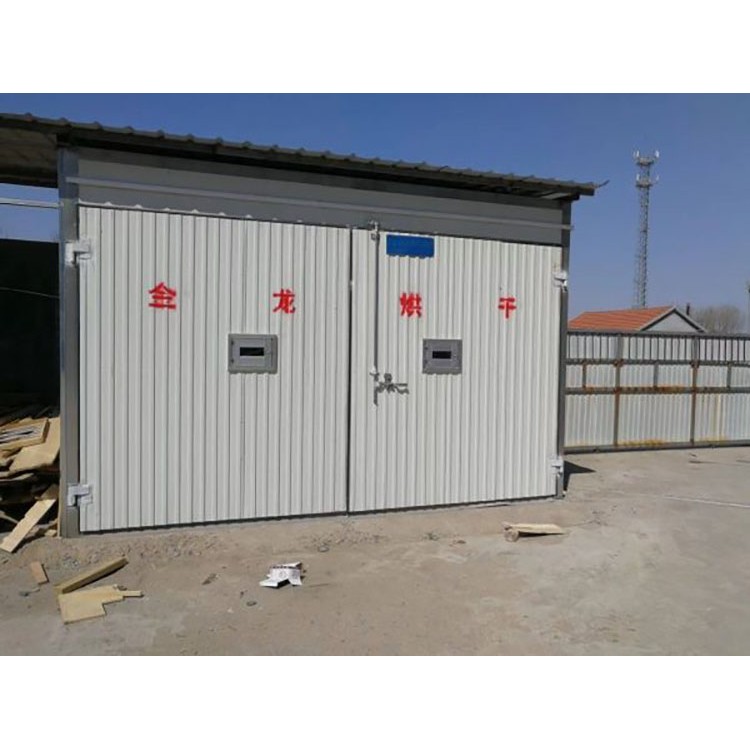 Wood drying, hardening, and carbonization equipment
 Drying, hardening, and carbonization equipment for wood
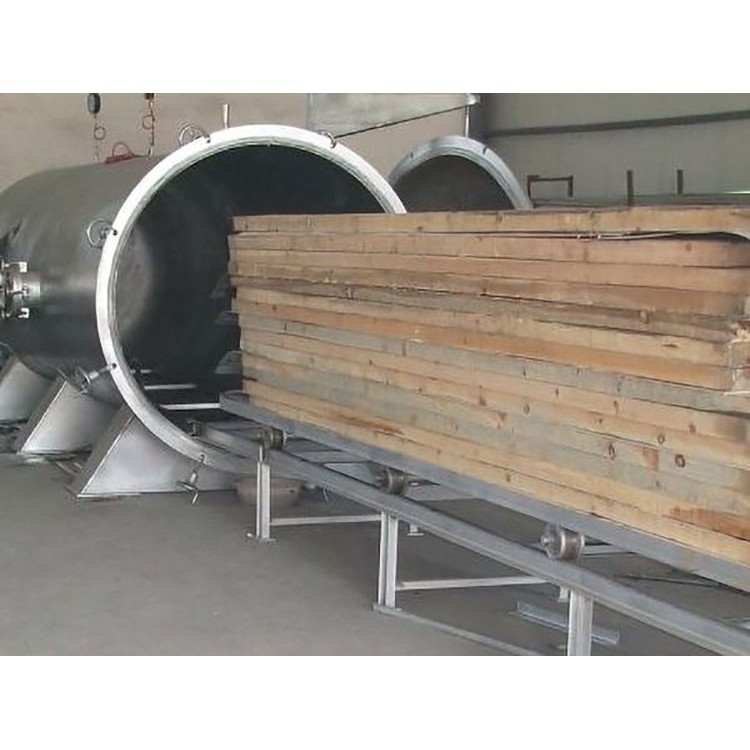 Drying Equipment for Second-Grade Wood
Product Details





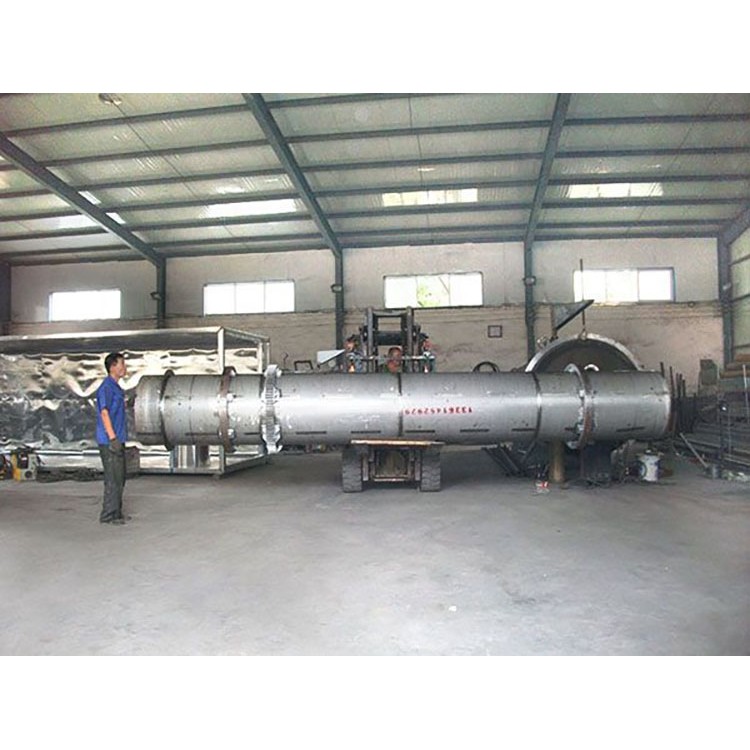
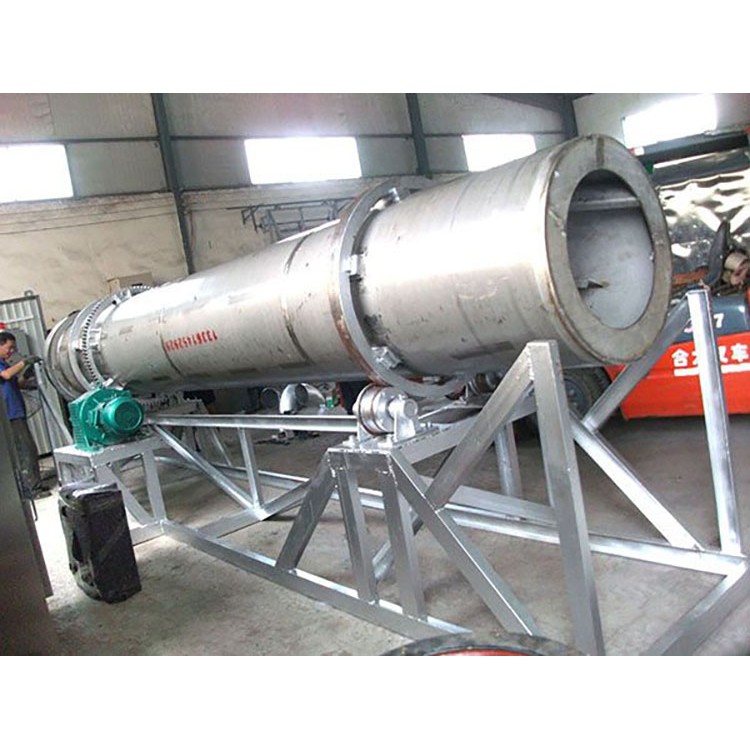
产品Price 20000.00/Tai
最小起订Quantity:1 Tai 供货总Quantity: 999999 Tai


Origin |
|
Custom Manufacturing |
Is |
Brand |
Jinlong |
Installation Method |
Free installation and debugging |
Application |
Drying, dehydrating |
Applicable Material |
Multiple options available |
Product Description: Tumble dryers, also known as drum dryers or cylindrical dryers, are a commonly and widely used drying equipment in the mining industry. They are suitable for drying magnetic, heavy, and float concentrate of metals and non-metals, as well as clay in the cement industry and coal slime in the coal mining industry. They are characterized by high production rates and ease of operation. Categories of Drum Dryers: Technical Specifications:


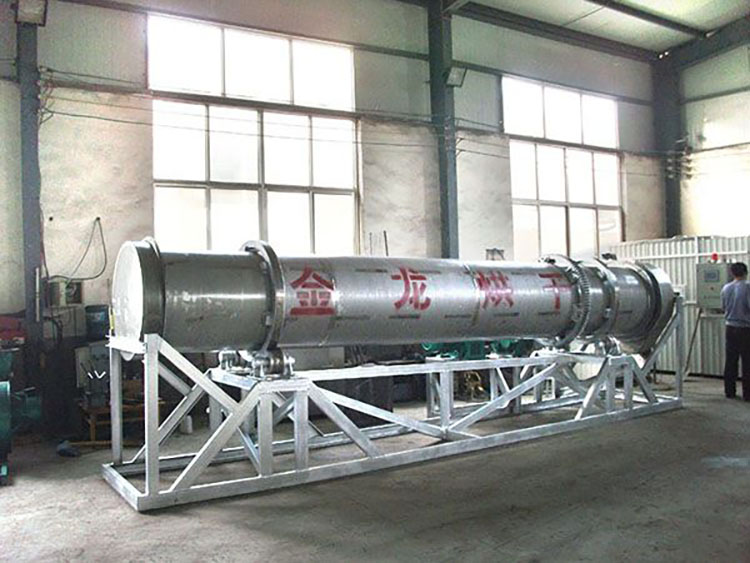
Direct Heat Drum Dryers (where the drying medium comes into direct contact with the wet material to transfer heat) and Indirect Heat Drum Dryers (where the required heat for drying is transferred indirectly to the wet material via the drum wall) are divided based on the heat transfer method between the drying medium and wet material. Due to the low transfer efficiency and complex structure of indirect heat drum dryers, they are rarely chosen and will not be introduced here. Direct heat drum dryers are further categorized into two types based on the direction of the drying medium and material flow: countercurrent and cocurrent.
The main body of the direct-heat drum dryer is a rotating cylinder slightly inclined from the horizontal line. The cylinder is driven by gears, with a typical rotation speed of 2~6r/min. The inclination of the cylinder is related to its length, usually between 1°~5°. Materials are fed into the higher end of the drum, come into contact with hot air, and as the cylinder rotates, they flow to the lower end under gravity for drying and discharge. Due to the negative pressure working condition of the dryer, both the feed and discharge ends are equipped with sealed devices to prevent air leakage.
The working principle of the drum dryer:
Dry wet material is conveyed to the hopper by a belt conveyor or a bucket elevator, and then it is fed into the feeding end through the feeding pipeline by the hopper feeder. The slope of the feeding pipeline should be greater than the natural angle of repose of the material to ensure smooth flow into the dryer. The dryer drum is a rotating drum slightly inclined from the horizontal line. Material is added from the higher end, and the heat carrier enters from the lower end, contacting the material in a countercurrent manner, or both the heat carrier and the material flow into the drum together. As the drum rotates, the material is moved to the lower end by gravity. During its forward movement within the drum, the wet material is directly or indirectly heated by the heat carrier, enabling it to dry. Then, it is discharged at the outlet end via a belt conveyor or a spiral conveyor. Scrapers are mounted on the inner wall of the drum, which function to lift and scatter the material, increasing the contact surface area with the airflow to enhance the drying rate and promote material movement. Heat carriers typically include hot air, flue gas, etc. After passing through the dryer, it is usually necessary to use a cyclone separator to capture the material carried by the gas. To further reduce the dust content in the exhaust gas, it should be passed through a bag filter or a wet scrubber before being emitted.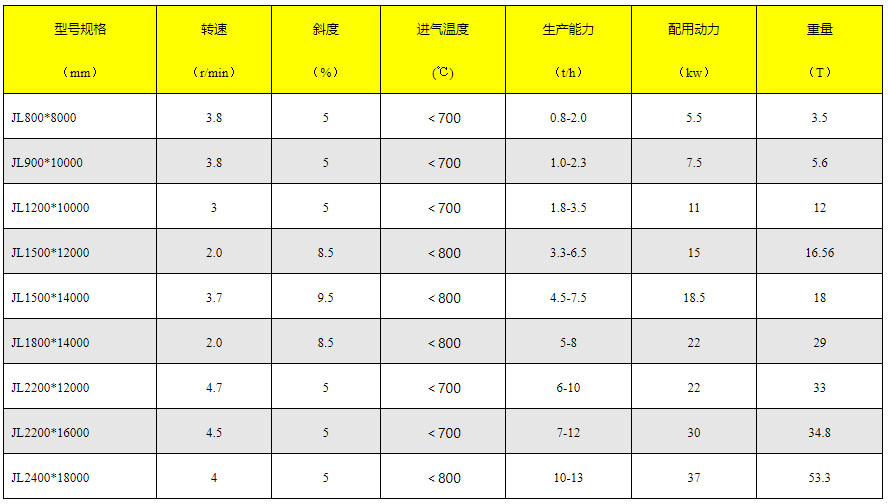

Phone Consultation