Contact Person: Zhu Mingjie

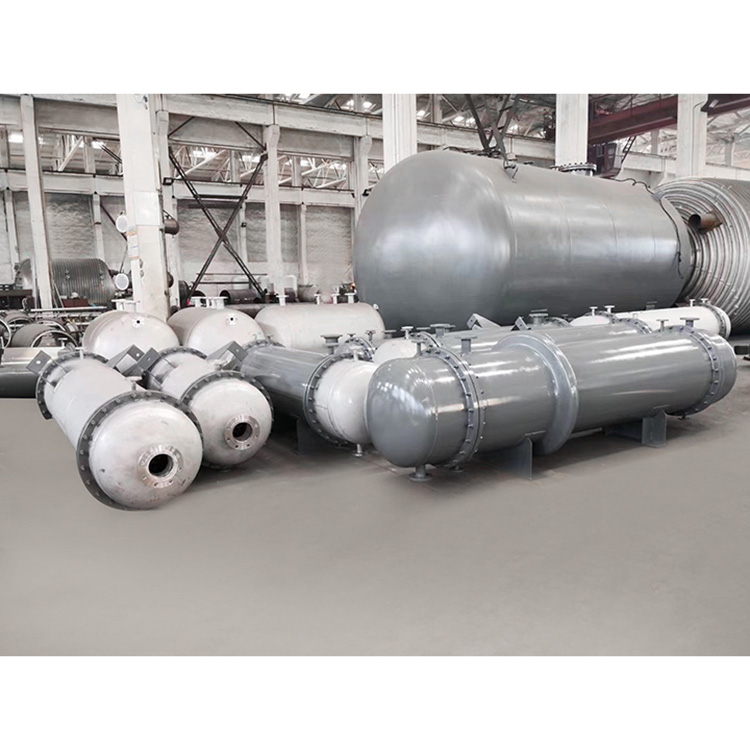
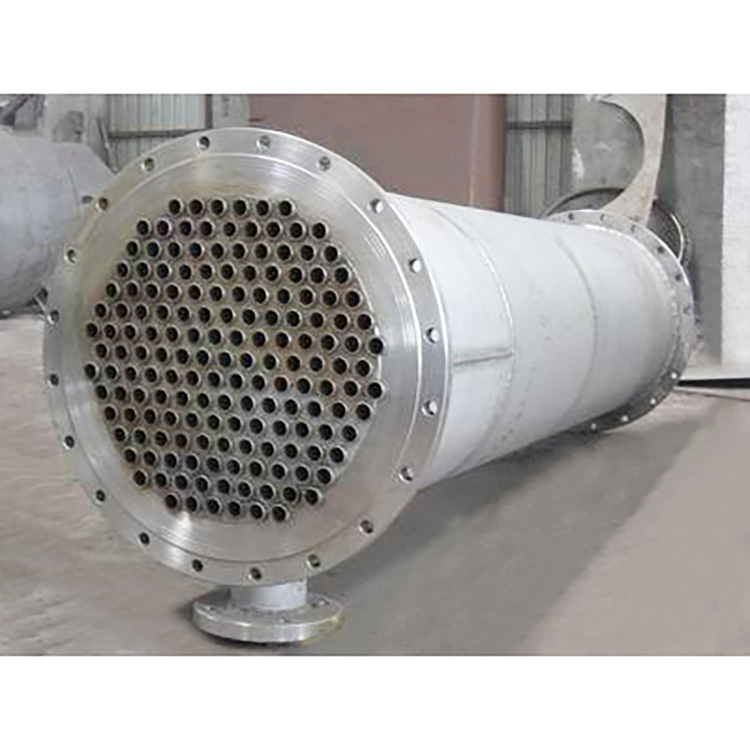
Shell-and-tube heat exchangers are widely used in industries such as chemicals, oil, and energy, as they are essential heat exchange equipment. Their core structure consists of a series of parallel tubes, hence the name. Each piece of equipment has a unique code, which not only reflects the structural features of the device but also demonstrates its application scenarios and usage requirements.
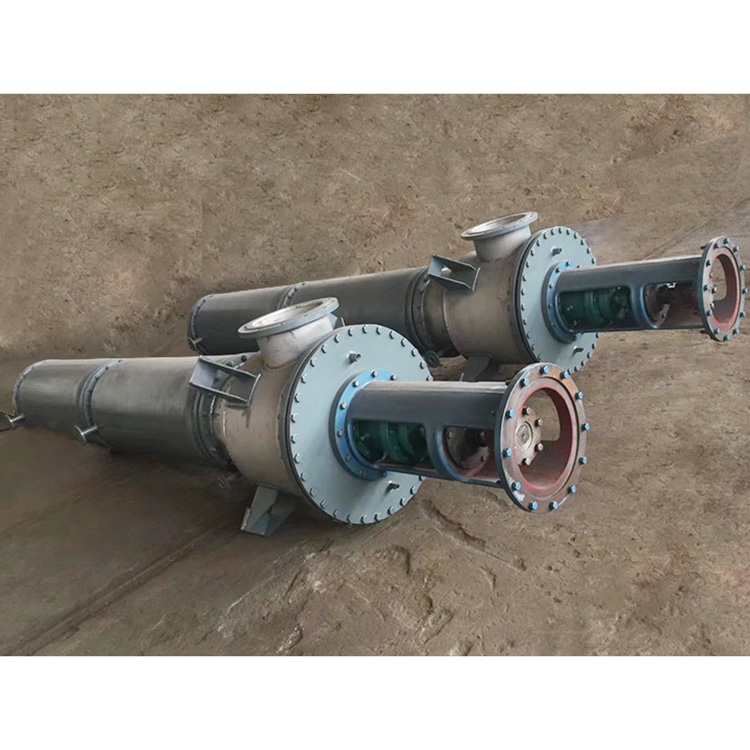
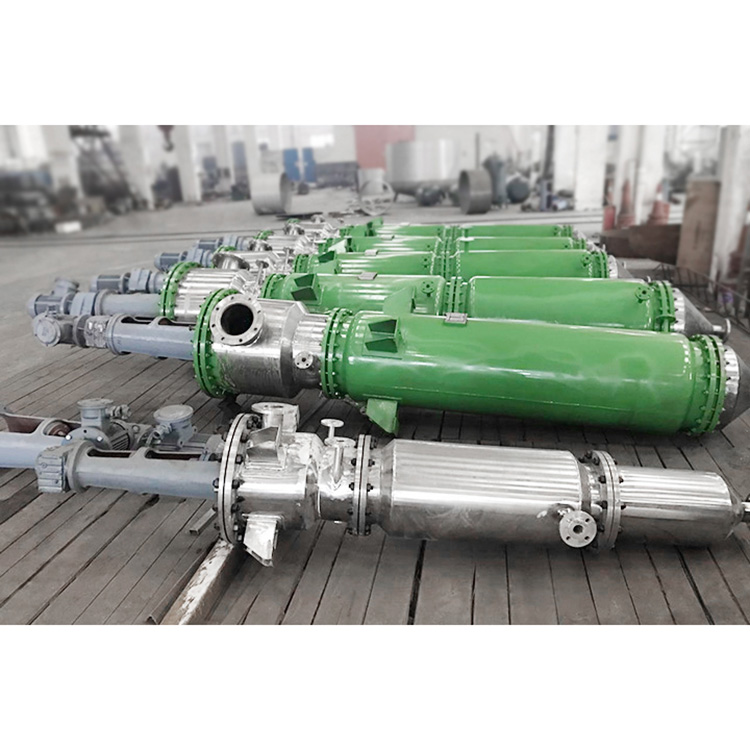
Codes such as "G" represent fixed tube plate equipment, which is structurally stable and suitable for general working environments and pressure requirements. In contrast, "F" signifies a floating head equipment, characterized by freely adjustable tubes, making it ideal for high-temperature, high-pressure, or scaling-prone applications. These codes serve as a quick and easy way for users to identify and understand the characteristics of the equipment.
In addition to the basic codes mentioned, the models of tube-type heat exchangers may also include parameters such as nominal diameter (DN), number of tube passes (NP), and nominal pressure (PN). These parameters further refine the equipment's specifications and performance, aiding users in selecting the right equipment for their production needs.
Understanding the codes and meanings behind shell-and-tube heat exchangers is not only beneficial for users in making accurate selections and utilizing the equipment correctly, but also aids maintenance staff in quickly identifying and addressing potential issues. In the chemical production process, the correct selection and use of equipment are crucial for ensuring production efficiency and product quality.


b2b.china9.net © Zhongshang 114 Hebei Network Technology Co., Ltd.Address: Room 6009, Oriental New World Center, No.118 East Zhongshan Road, Qiaoxi District, Shijiazhuang City, Hebei ProvincePlatform Service Hotline: 4006299930