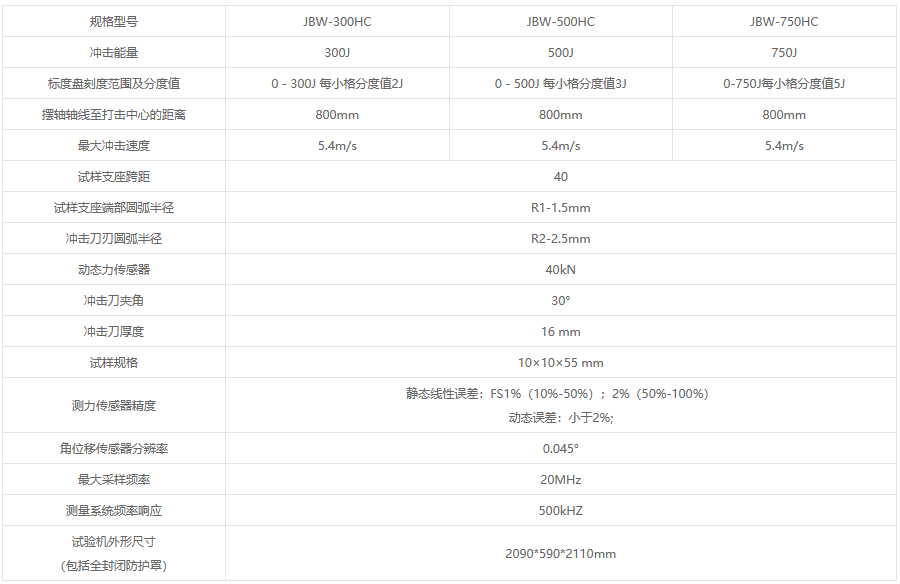

Product Description:
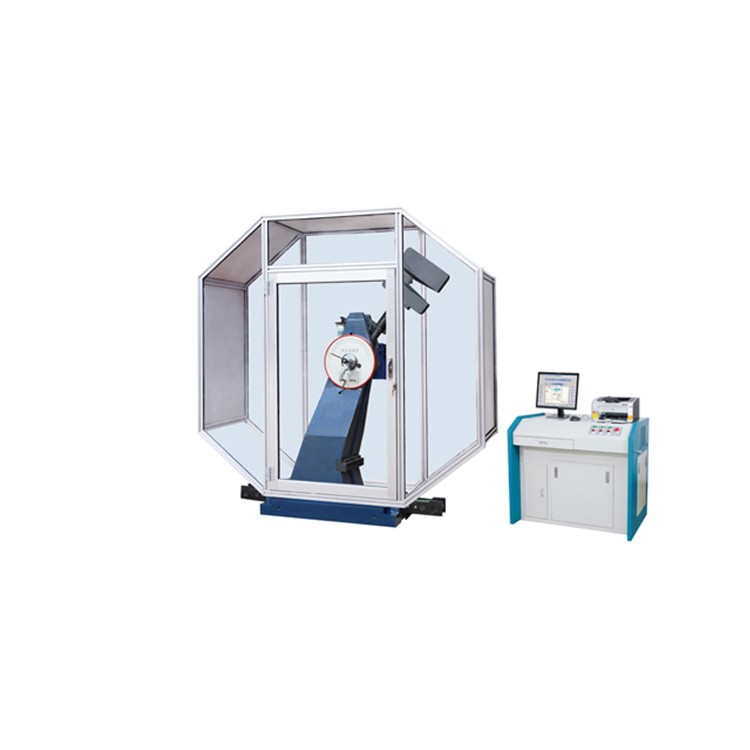
The JBW-HC series instrumented metal pendulum impact tester is a device used to test the impact resistance of metal materials under dynamic loads. It features full automation control and performs the entire process of pendulum acquisition and impact testing through software. It is capable of conducting continuous and large-scale metal impact tests, making it an essential testing instrument for metal material manufacturers and quality control departments. It is also an indispensable testing tool for research institutions conducting new material research.
Product Advantages:
The introduction of the JBW-HC instrumentalized (more accurately, digital) pendulum impact tester has significantly changed impact testing in two aspects.
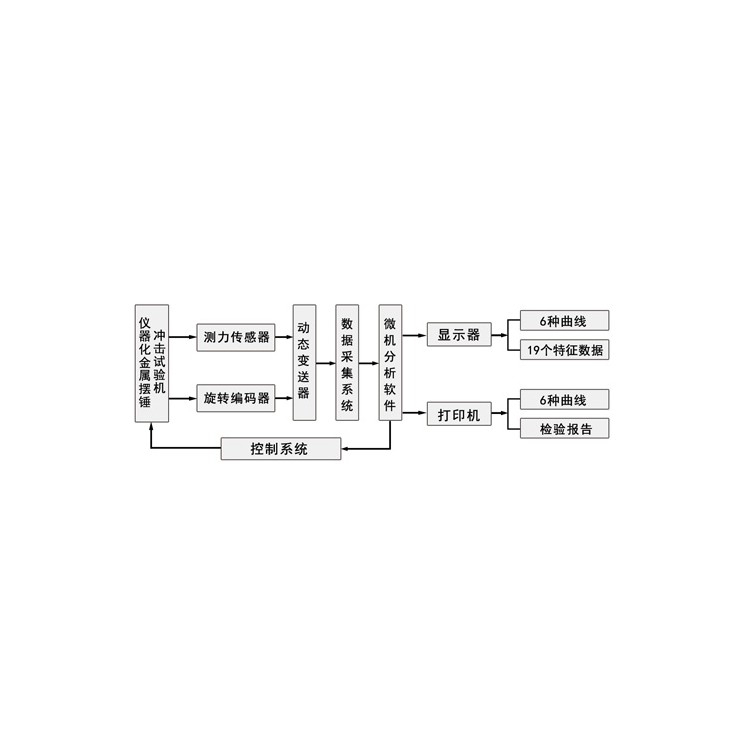
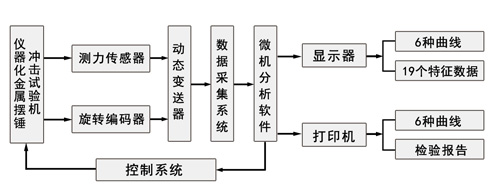
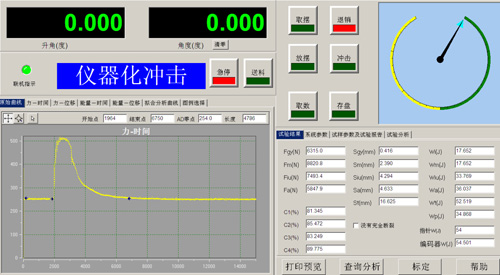
The primary difference between the instrumented metal pendulum impact tester and the standard tester is the instrumented (digital) nature: control, energy display, and the collection and processing of impact curves are all achieved digitally. The impact test results are graphically displayed to make them more visual, obtaining curves such as impact force-time and impact force-displacement.
The second is the "standardization of the instrumental impact test method," which has brought about a qualitative change in impact testing. This change is reflected in several aspects:
1. The definition of impact work is based on the physical definition of work: Work = Force x Displacement. This means it is measured by the area under the force-displacement curve.
2. The 13 parameters reflecting the impact properties of the material, defined by the impact curve, are a qualitative leap compared to the mere 1 impact energy parameter provided by the standard impact test method, a ratio of 13:1, which cannot be overlooked.
3. Of the 13 performance parameters, 4 are force-related, 5 are displacement-related, and 4 are energy-related. They respectively represent the performance indicators of the material's elasticity, plasticity, and fracture process after being impacted, which are the signs of a qualitative change in the impact test.
4. Visualize the impact test. Similar to the tensile test, it can yield impact force-displacement curves, where we can visually observe the deformation and fracturing process of the impact specimen on the curve.
5. Increase impact parameters reflecting the toughness and brittleness of the material: crack formation energy, crack propagation energy, and toughness cross-sectional ratio. This allows us to have a quantitative comparative parameter for the toughness and brittleness of the material.
Product Images:
Feature Highlights:
1. Directly displays six types of curves: Force-Time, Force-Displacement, Energy-Time, Energy-Displacement, Force-Time-Energy, and Force-Displacement-Energy.
2. Automatically calculates impact work based on pendulum lift angle.
3. Calculate four forces: yield force, high force, initiation force of unstable crack propagation, and termination force of unstable crack propagation; five displacements: yield displacement, displacement at high force, initiation displacement of unstable crack propagation, termination displacement of unstable crack propagation, and total displacement; six energies: energy at high force, initiation energy of unstable crack propagation, termination energy of unstable crack propagation, and total energy; and four toughness断面 rates (C1, C2, C3, C4), totaling 19 results.
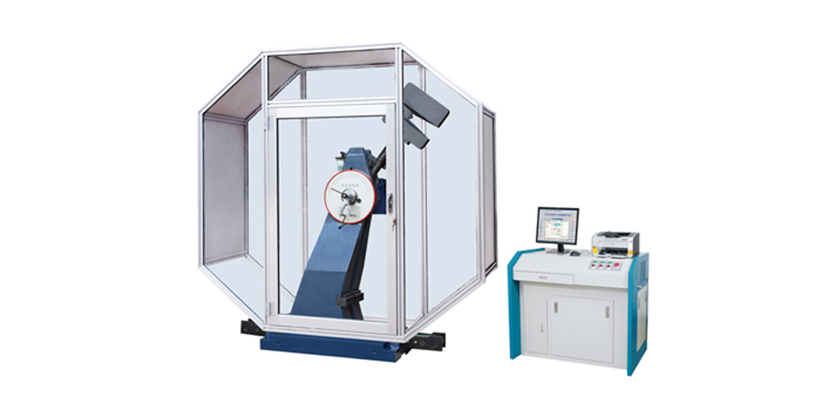
4. The machine is equipped with a full-enclosed protective hood, effectively preventing splashes from fractured specimens and also safeguarding the test personnel from entering the interior of the testing machine during operation. It provides conditions for safe operation for users. It is an essential testing instrument for metal material manufacturers and quality inspection departments, as well as an indispensable testing equipment for research institutions conducting new material research.
5. Integrated casting and machining of the main frame and base, offering high stability, rigidity, and no assembly errors. The pillars are symmetrically designed in front and back, with the pendulum supported by a simply supported beam, ensuring a simple and reliable structure. High machining accuracy, minimal energy loss, and no vibration during pendulum swing make it particularly suitable for high-energy impact applications.
6. The hanging and swinging device features a cushioning design, which prevents impact during swinging and potential damage, effectively reducing noise during operation. This extends the equipment's lifespan and enhances safety, while ensuring the pendulum's pre-angled lift is accurate.
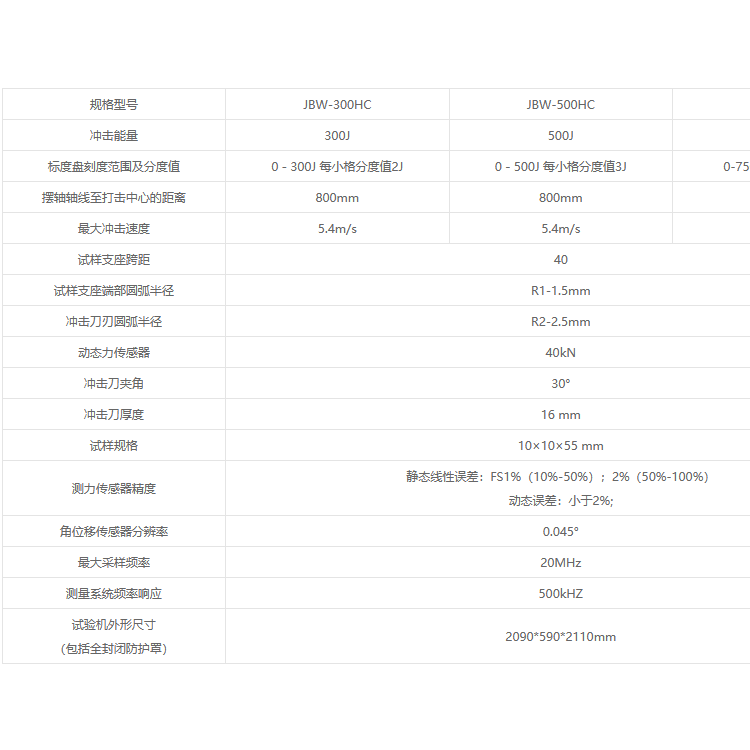
7. The angle collection utilizes a high-precision photoelectric encoder, with an angle resolution of up to 0.045°. This ensures the accuracy of the equipment's impact energy.
8. The energy display unit features three energy display methods: 1. Gauge display, 2. Encoder display, and 3. Force measurement via sensors with computer software calculation and display. The machine shows all three methods simultaneously, and the results can be compared with each other, effectively eliminating any potential issues.
9. Customers can configure different force sensor impact blades according to test requirements. For R2 blades meeting ISO, GB standards, and R8 blades meeting ASTM standards.
Meets Standards
GB/T19748-2005 "Steel - Charpy V-notch impact test - Instrumental test method"
GB/T 3808-2002 "Inspection of pendulum impact testers"
GB/T 229-2007 "Method for Charpy Impact Test of Metallic Materials"
JJG 145-2007 "Pendulum Impact Tester"
ISO 14556-2000 《Steel - Charpy V-notch pendulum impact test-Instrumented test method》
ISO 148.1-2009《metallic materials — Charpy pendulum impact test —Part 1:Test method》
ISO 148.2-2008《metallic materials — Charpy pendulum impact test —Part 2:Verification of testing machines》
ISO 148.3-2008《metallic materials — Charpy pendulum impact test —Part 3:Preparation and characterization of Charpy V-notch test pieces for indirect
verification of pendulum impact machines
ASTM E23