


Geotextile is a novel building material with permeability, made by needle-punching or weaving synthetic fibers. It is generally categorized into woven and non-woven geotextiles, boasting benefits such as lightweight, high tensile strength, heat resistance, and good permeability. Additionally, geotextiles exhibit a range of mechanical properties, including tensile strength, tear resistance, puncture resistance, friction properties between geotextile and soil, wear resistance, dynamic perforation, and joint strength.
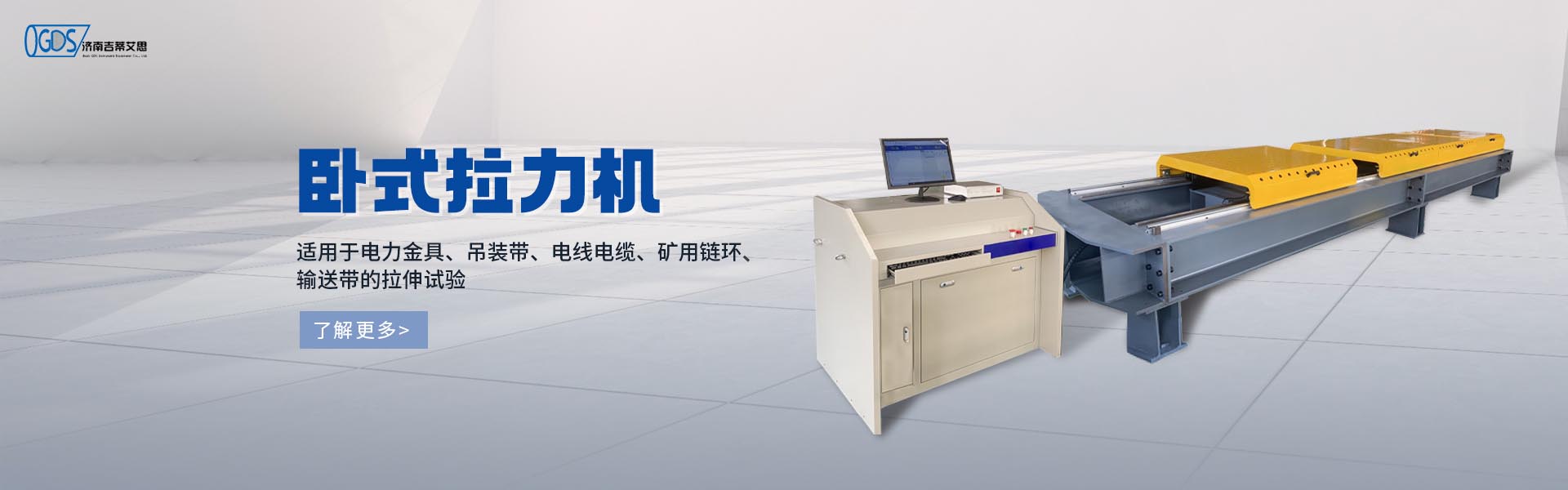
(1) Key quality indicators for geotextiles include tensile strength and elongation rate. The testing method involves randomly selecting a 5cm sample block of geotextile for testing. Nonwoven geotextiles exhibit necking under load, so to prevent this from affecting test results, samples measuring 10cm wide and 20cm long are typically used. The elongation rate is set at 2cm/min, and the tests are conducted on a CRE tensile testing machine.
(2) Tearing Strength Test: The sample is clamped between the upper and lower jaws of a tensile machine at a stretching speed of 50 cm/min. The load is then gradually increased, causing the sample to tear along the shear force line until it completely breaks. The load at the point of full breakage is the tearing strength.
(3) Burst Strength Testing: A random sample is fixed in a standard annular clamp, and then a flat-ended cylindrical rod with a diameter of 5 cm is slowly applied vertically to the sample until it bursts. The force at the moment of sample rupture is the burst strength.
(4) Geotextile and Soil Friction Property Testing: Conduct direct shear tests on the contact surface between soil and geotextile using a direct shear tester to determine the friction characteristics of the contact surface.
(5) Abrasion Resistance Testing: Friction the geotextile with abrasive material of specified surface properties, then measure the tensile strength of the geotextile specimen. The abrasion resistance is represented by the loss rate of the tensile strength.
(D) Dynamic Perforation Testing: Random samples are held horizontally in a clamp, followed by a smooth steel cone with a diameter of 5cm, a weight of 1kg, and a 45° cone angle being dropped from a height of 50cm onto the sample to create a hole. The diameter of the resulting hole is then measured, as the size of the hole in the geotextile indicates its resistance to dynamic perforation.
(7) Joint Strength Testing: The testing method is consistent with the tensile strength test method, but a joint must be included in the sample.
