
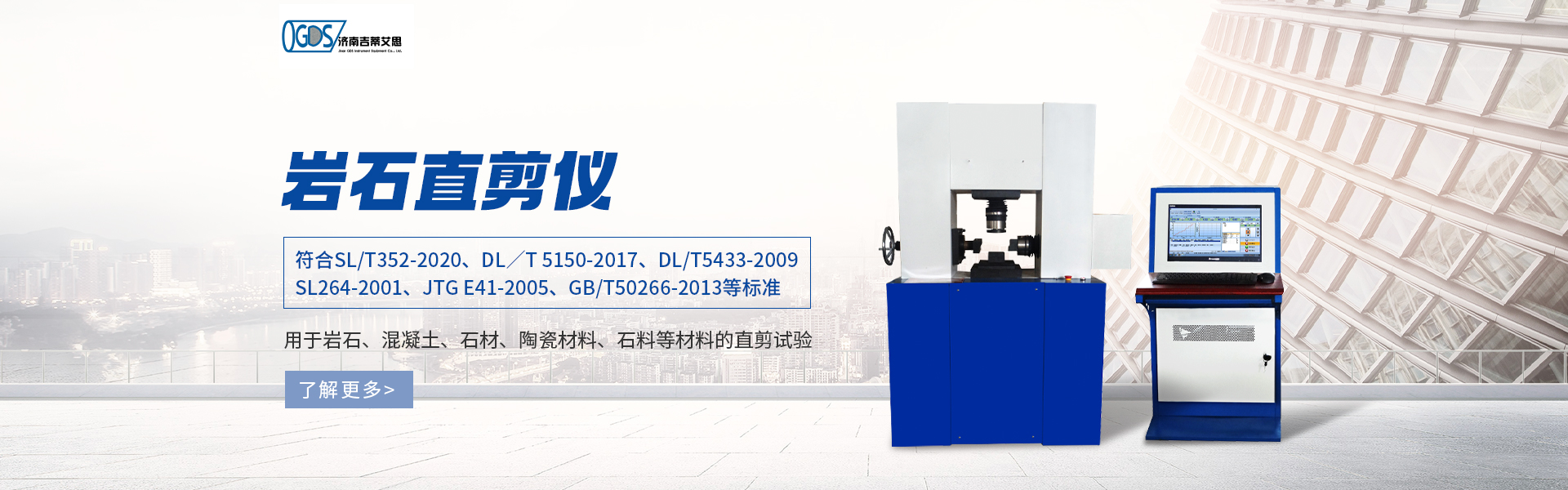

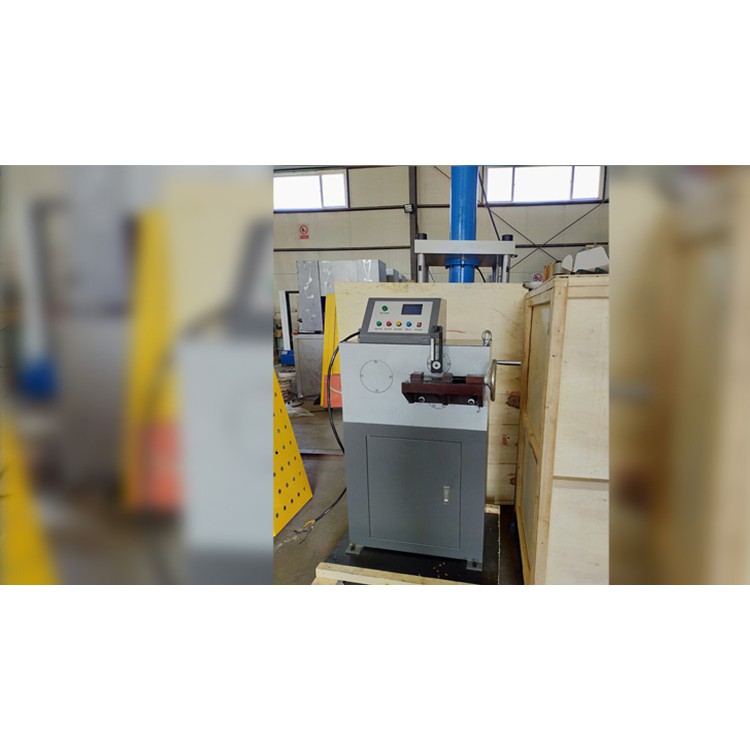
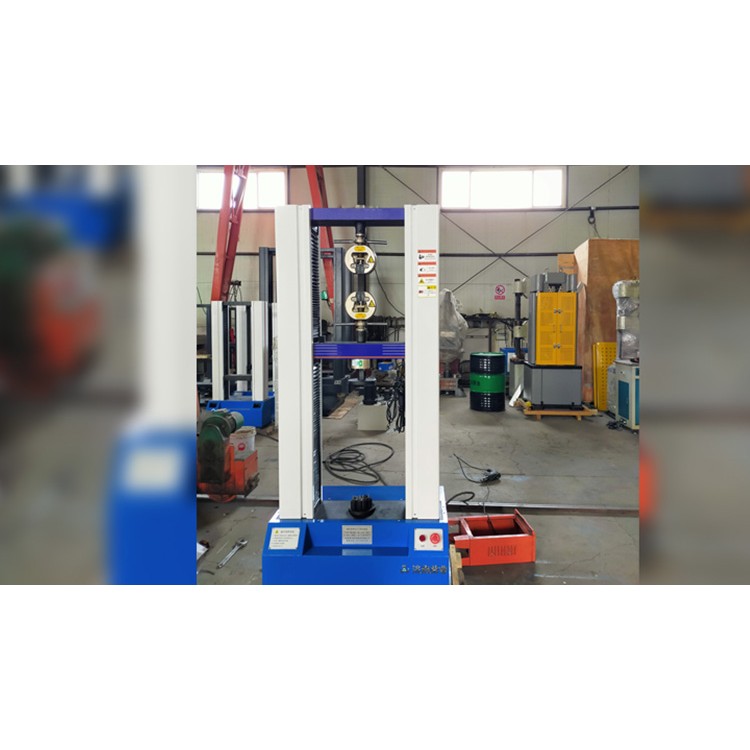
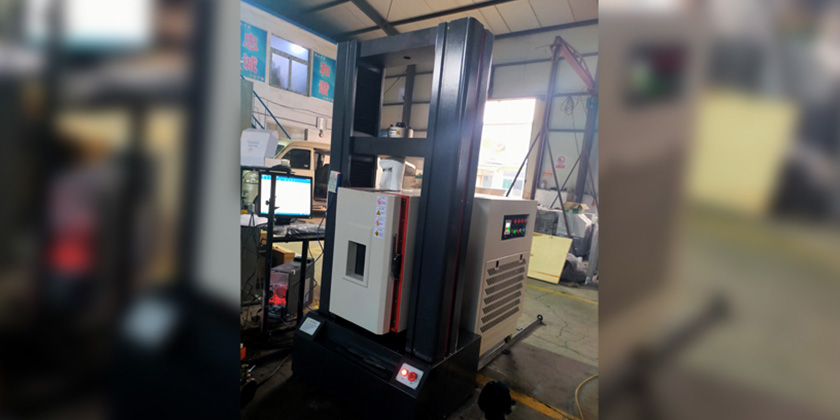
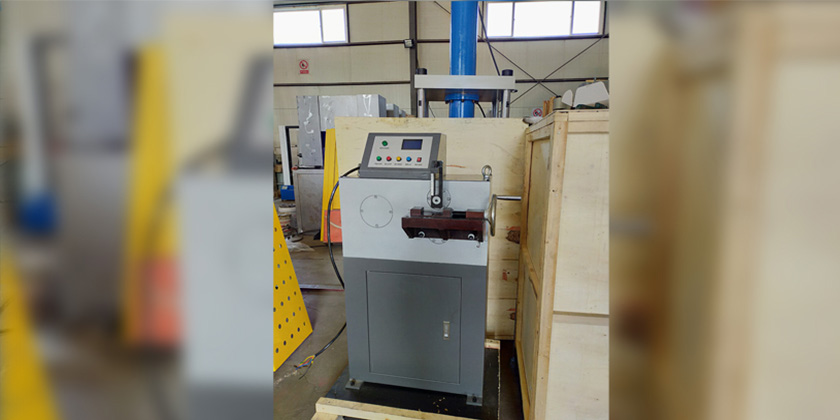
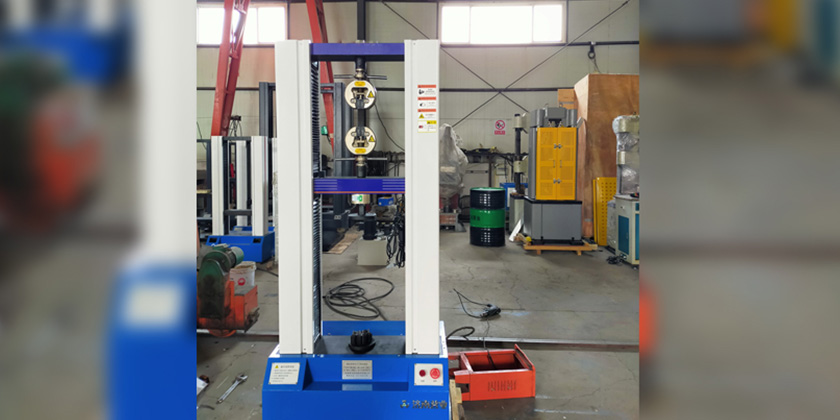
1. This machine is primarily used for testing the mechanical properties of rocks, including tensile strength (using the Brazilian disk split test) and uniaxial compression tests for soft rocks. It can also perform uniaxial compression deformation and strength tests, measure the elastic modulus, Poisson's ratio, compressive strength, and other mechanical parameters of rocks. This multifunctional scientific testing instrument is convenient, economical, and quick, and can be used by engineering units in coal mines, geology, hydrology, transportation, construction, and other fields for rock mechanical property tests.
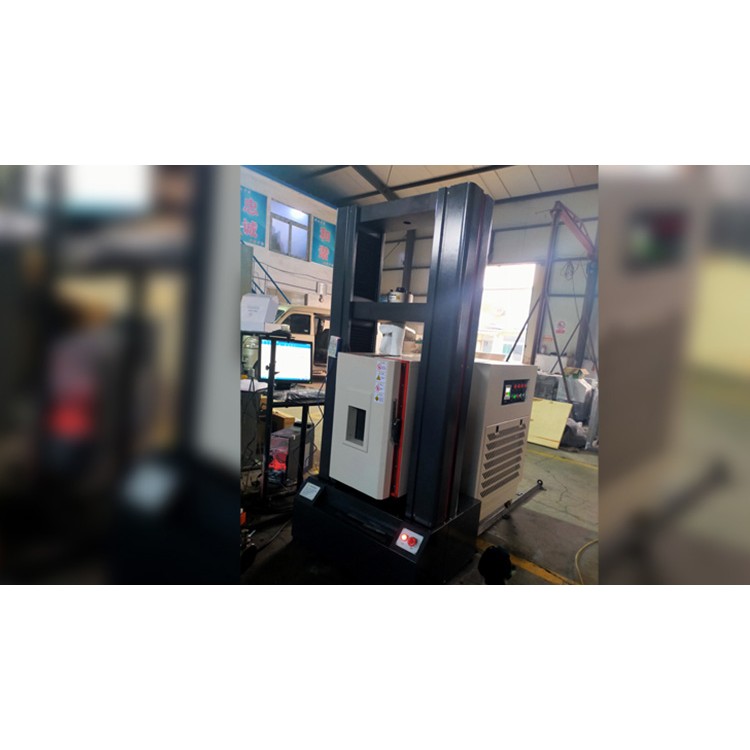
2. The main unit features a high-strength frame structure, ensuring a compact and well-arranged overall design. The control unit employs an AC servo speed regulation system, controlling high-precision, high-frequency response AC servo motors. It drives a precise, low-noise reducer, propelling the precision ball screw for testing, allowing for wide-speed adjustment (0.2-50mm/min) with a stable testing process. Test data can be accessed at any time, and both data and curves can be re-analyzed. Local magnification and re-editing of data, specimens, environment, and testing conditions are possible, and a comprehensive test report and curve can be printed.
3. This series of products fully complies with the requirements of GB/T16491-2008 "Electrical Universal Testing Machine", JJF1103-2003 "Evaluation of Computer Data Acquisition Systems for Universal Testing Machines", and JJG139-1999 "Inspection Regulations for Tension, Compression, and Universal Testing Machines". They can also complete uniaxial compressive strength tests on rock according to the standards such as GB/T50266-2013 "Standard Methods for Testing Engineering Rock Mass".
