Instrument Calibration, Instrument Inspection
13823137762


Product Recommendation
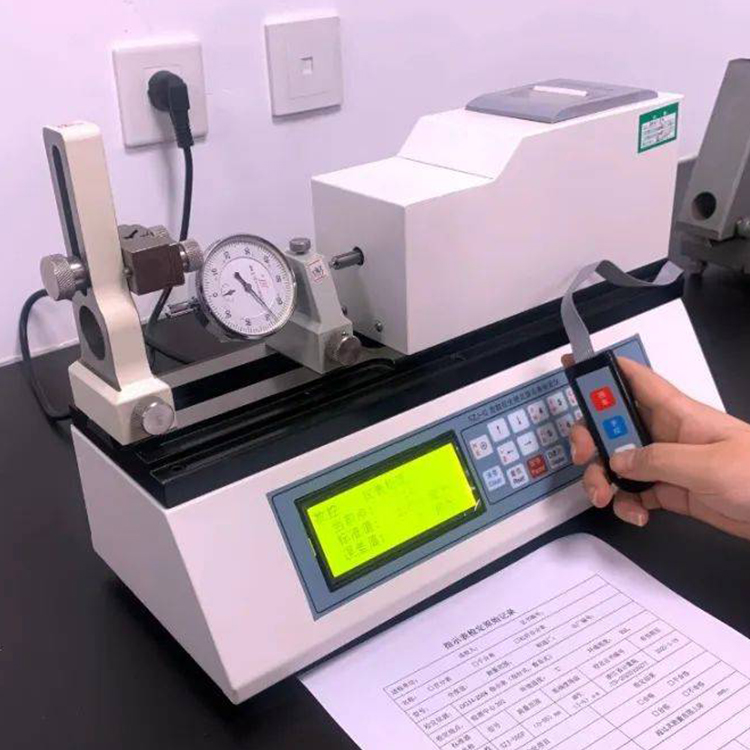
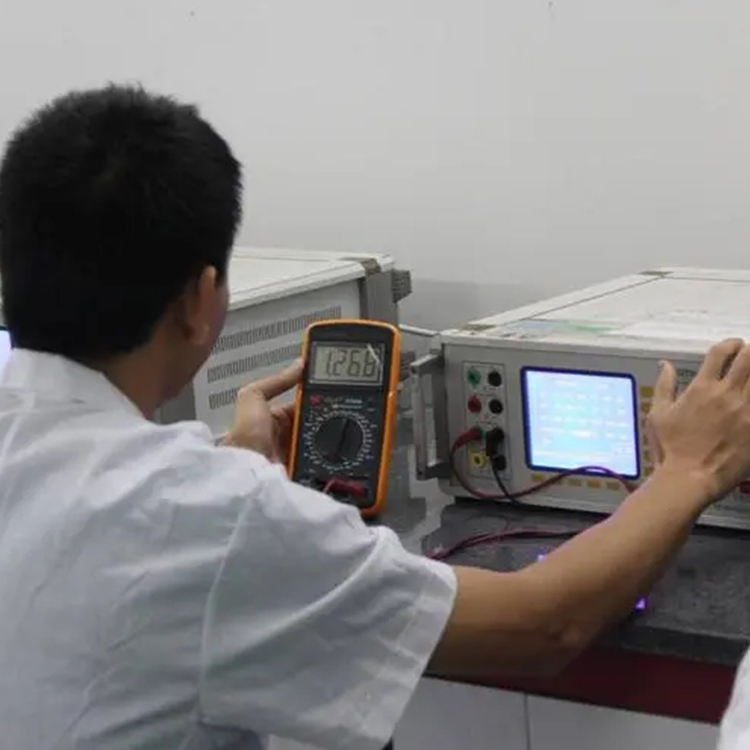
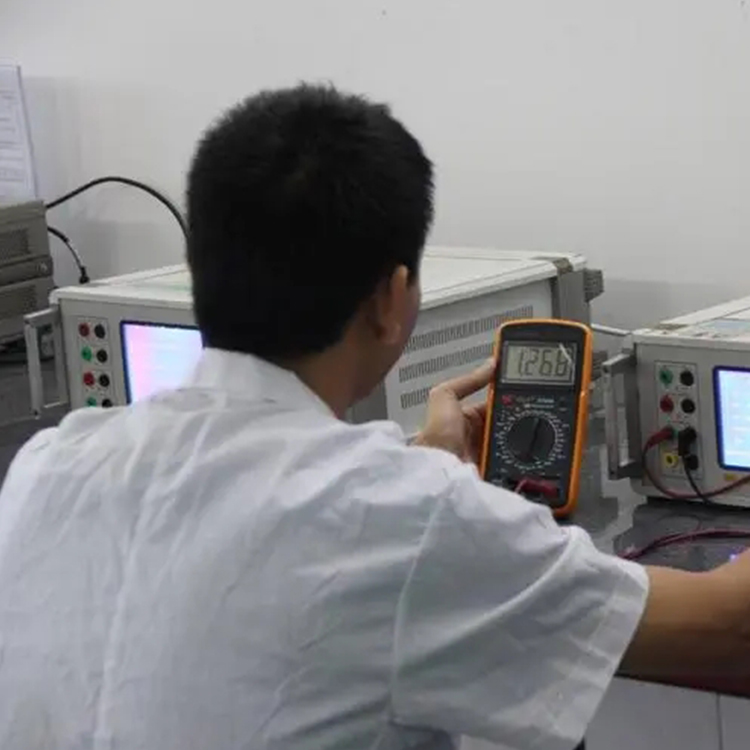
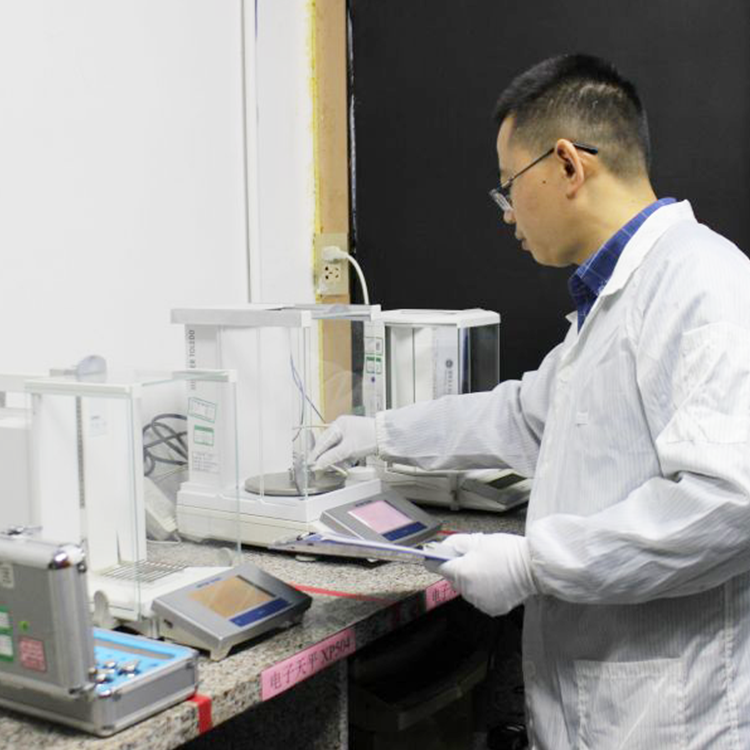
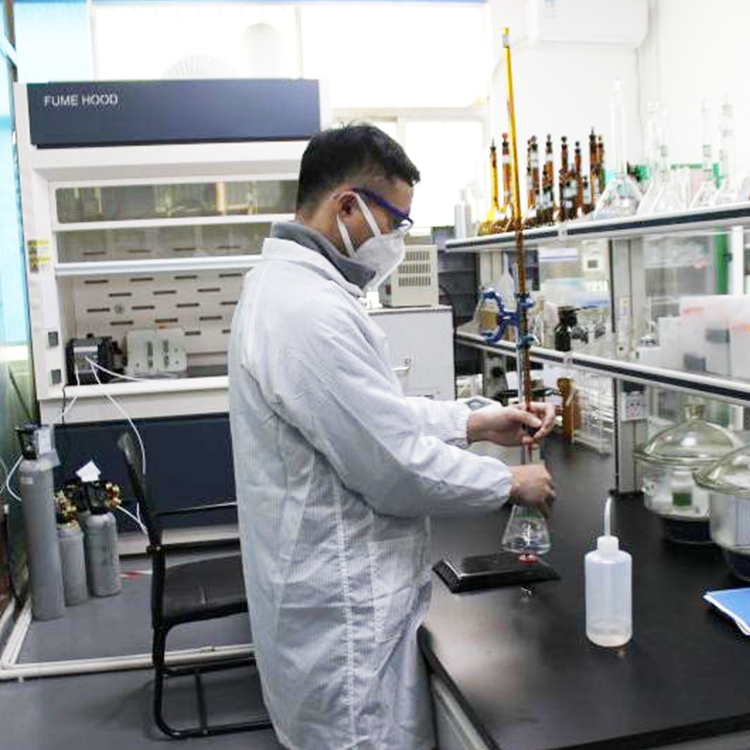
The instrument calibration process is a systematic and meticulous procedure, primarily aimed at ensuring the accuracy and reliability of instruments for obtaining precise results during measurements or tests. Below is a detailed instrument calibration process:
Confirm Calibration StandardsFirstly, it is essential to select appropriate calibration standards. These standards are typically national or international, provided by professional organizations or laboratories. They are used to verify the accuracy of the instruments to be calibrated.
Prepare calibration tools and equipmentIncluding calibration standards, testing tools, and record sheets, ensuring the accuracy and reliability of these tools and equipment to facilitate the smooth progress of the calibration process.
Inspect Instrument StatusInspection of the equipment is conducted to confirm its normal operational status, with no apparent damage or malfunctions. For instruments that have been unused for a long period, preheating or initialization procedures should be performed to ensure stable performance.
Calibration ProcedureAccording to the instructions and calibration methods of the calibration standard, calibrate the instrument. It is essential to strictly follow the operational steps to avoid erroneous operations that may lead to distorted calibration results. During the calibration process, closely monitor the instrument's response and performance, and adjust the calibration parameters accordingly.
Record and analyze dataDuring the calibration process, detailed records of all relevant data are kept, including the readings of the calibration standard, the instrument readings, and the calibration time. This data will be used to analyze the calibration results and determine if the instrument complies with regulations and standards. Simultaneously, it is essential to ensure the accuracy and completeness of the data, avoiding any omissions or errors.
Adjust equipmentIf the calibration results indicate that the equipment does not meet the standards, adjustments are necessary. These adjustments should be made based on the issues identified in the calibration results to ensure the equipment achieves feasible accuracy.
Repeating calibrationAfter calibration, it is necessary to re-inspect the equipment to ensure it meets requirements for long-term reliability. This typically involves repeating the calibration process and verifying that the adjusted equipment meets the required precision and accuracy.
Prepared Calibration Certificates and ReportsBased on the calibration results, calibration certificates or reports are issued. These documents should detail the calibration process, data, and results, including identification information of the measuring instrument, calibration methods, and calibration outcomes. These certificates and reports are crucial documents proving the accuracy and reliability of the instrument and must be updated and preserved within the specified time frame.
Routine maintenanceInstrument calibration and metrological testing are not one-time tasks but require regular maintenance. Regular calibration of instruments ensures they maintain accuracy and reliability over the long term.
Additionally, the following points should be noted throughout the calibration process:
Ensure Traceability of Calibration: The accuracy of calibration results should be traceable to nationally or internationally recognized measurement units.
Accuracy Verification of Calibration Equipment: Before calibration, it is necessary to verify the accuracy of the calibration equipment to ensure the reliability of the calibration results.
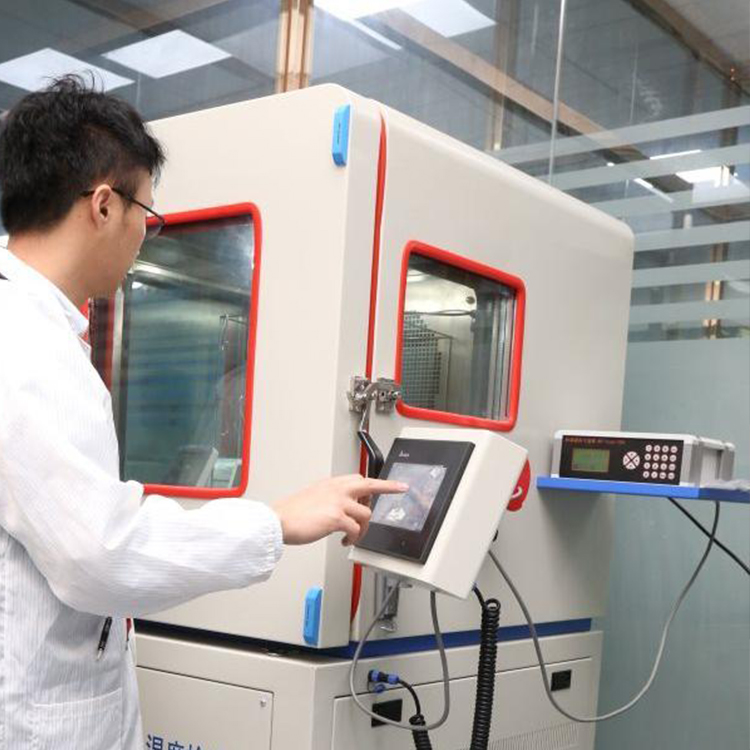
Controlling Calibration Environment: The temperature, humidity, and other conditions of the calibration environment significantly affect the calibration results. To minimize these influences, it is necessary to control and document the conditions of the calibration environment.
The instrument calibration process is a stringent and systematic procedure that must be conducted strictly according to the prescribed steps to ensure the accuracy and reliability of the instruments.
Contact us

Service Hotline
13823137762
Company Telephone
13823137762

WeChat Number
15659065959

Address
Room 207, Building B, Tongsheng Technology Tower, Dalang Street, Longhua District, Shenzhen
b2b.china9.net © Zhongshang 114 Hebei Network Technology Co., Ltd.Address: Room 6009, Oriental New World Center, No.118 East Zhongshan Road, Qiaoxi District, Shijiazhuang City, Hebei ProvincePlatform Service Hotline: 4006299930