
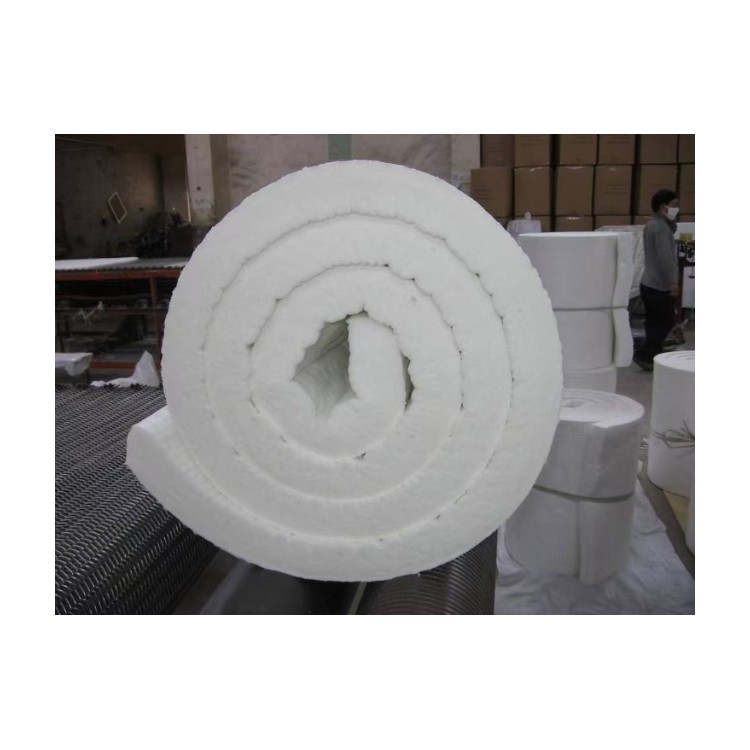
 Alumina Silicate Fiber Blanket
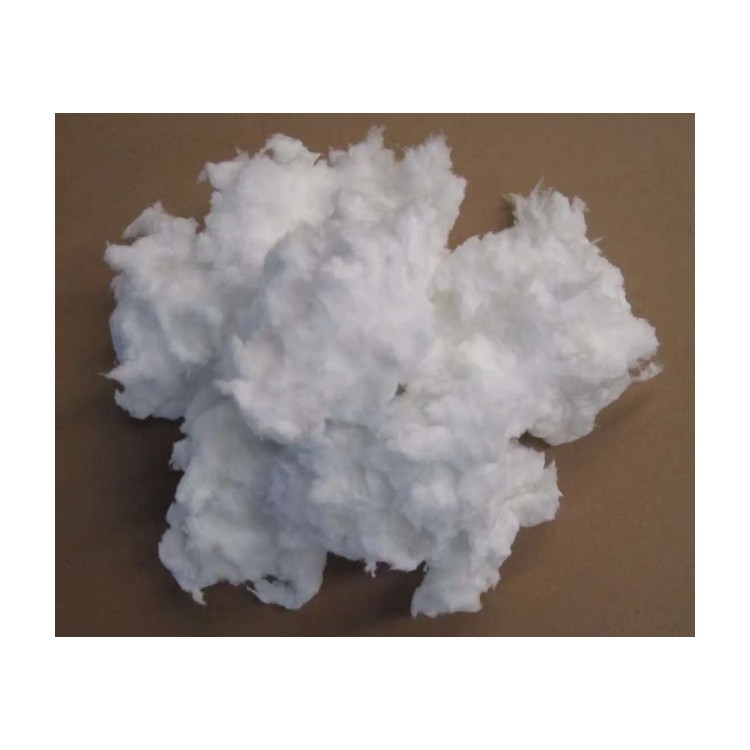 Ceramic Fiber棉
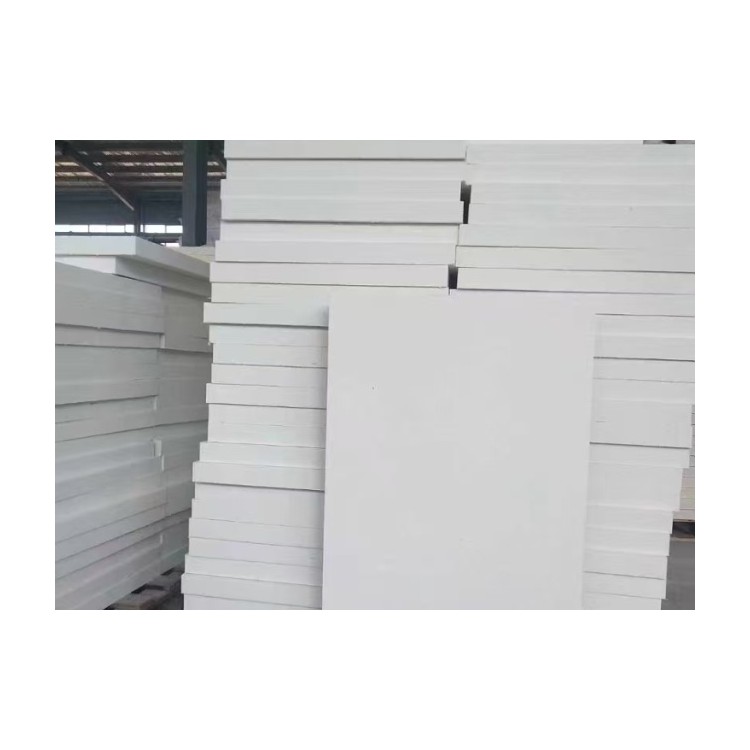 Alumina Silicate Fiber Board
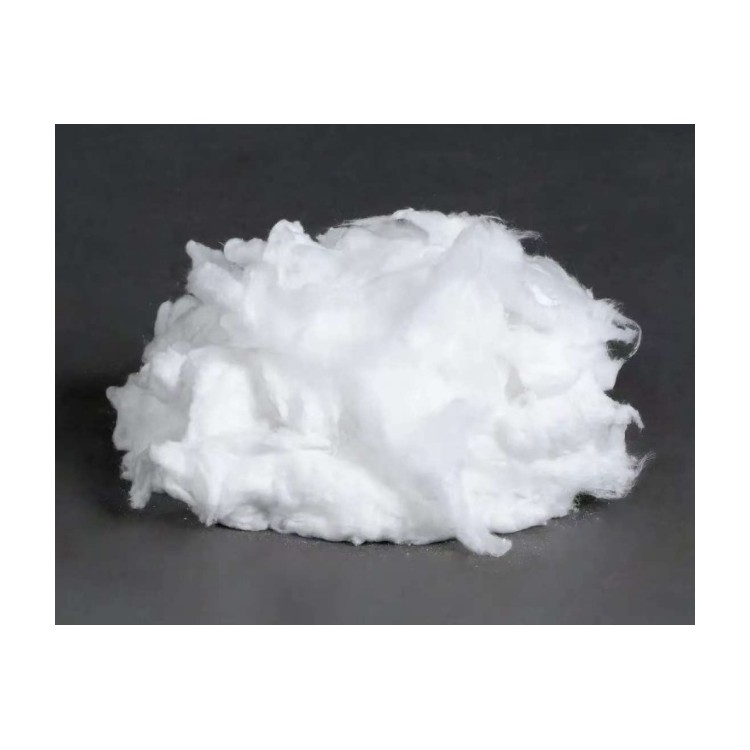 Alumina Silicate Fiber棉
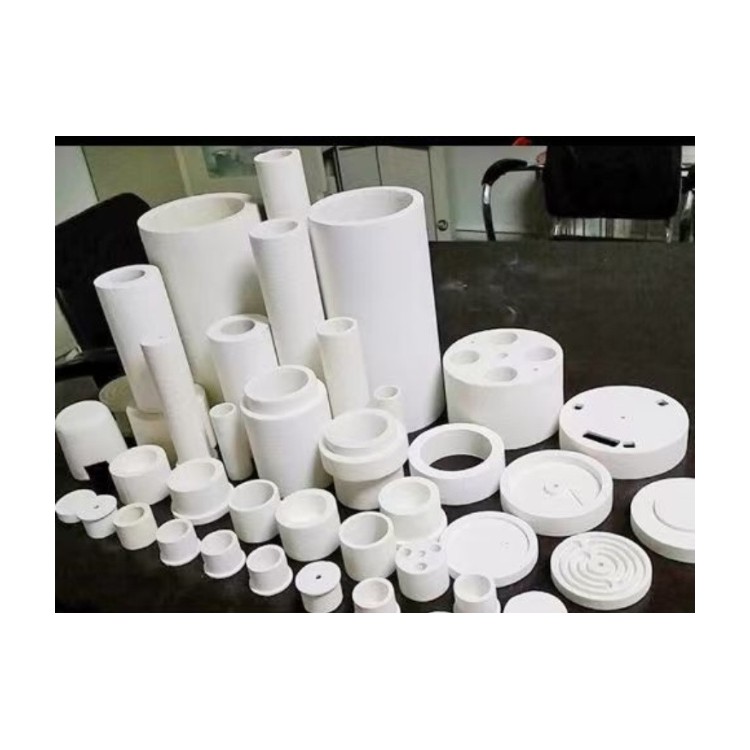 Ceramic fiber shaped parts
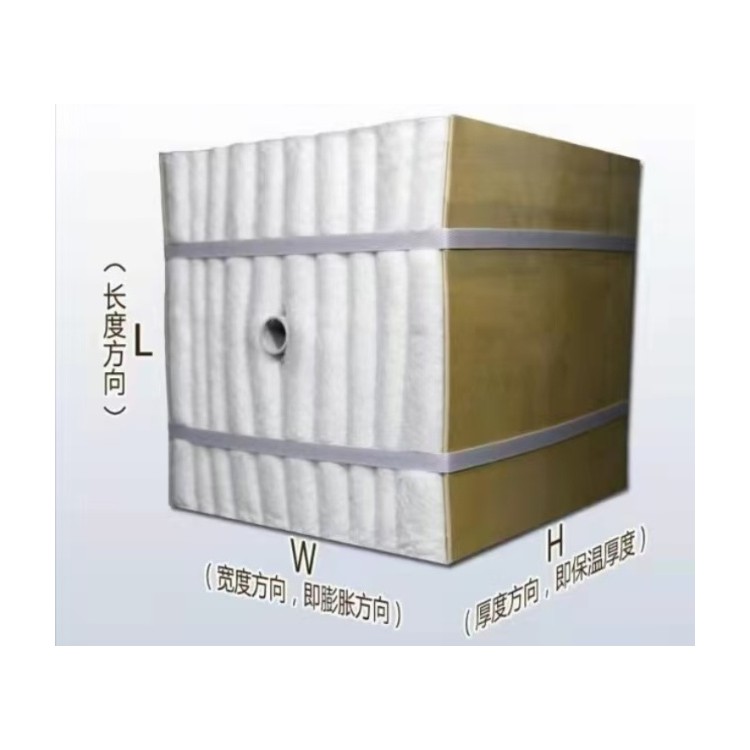 Ceramic Fiber Modules
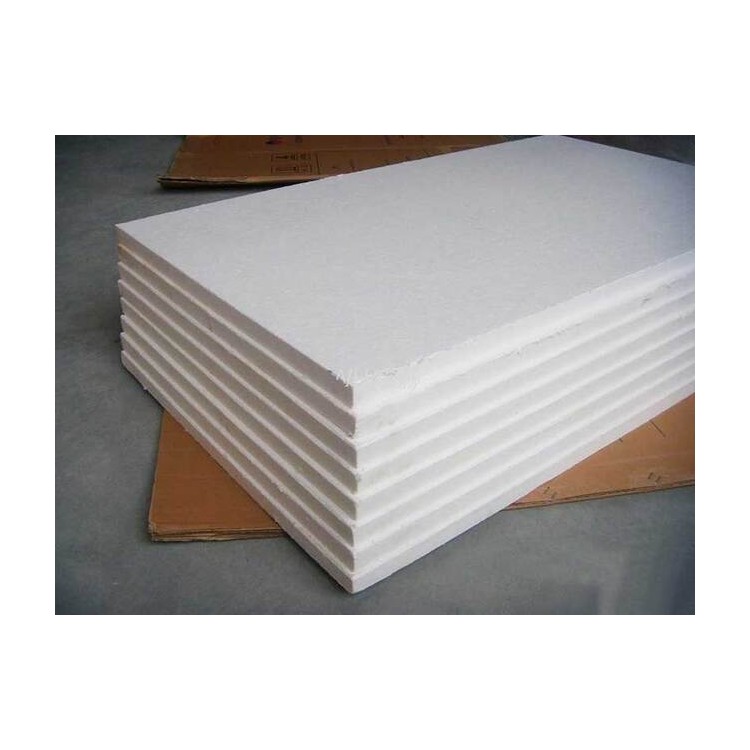 Ceramic Fiber Board
Product Details

Insulation material production and sales; refractory materials, ceramic fiber...
产品Price 100.00/ton
最小起订Quantity:100 ton 供货总Quantity: 1000 ton


Origin |
|
Shipment Origin |
National |
Are Custom Orders Available? |
Certainly |
Are we exporting? |
Is |
Color |
Customizable |
Standard |
National Standard |
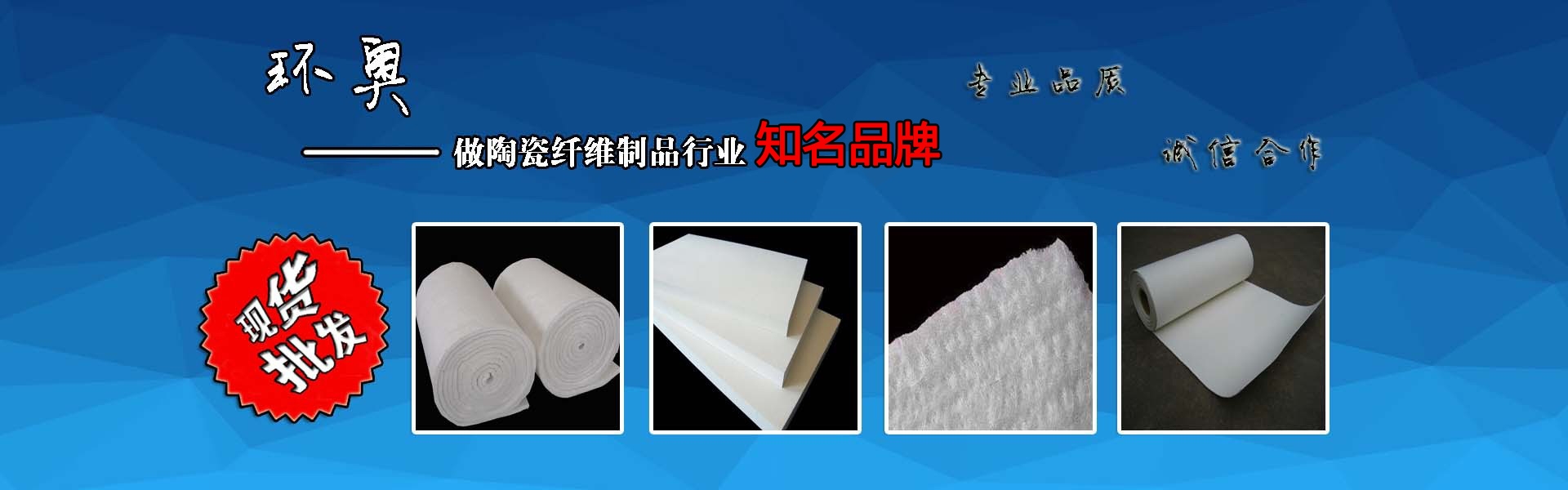
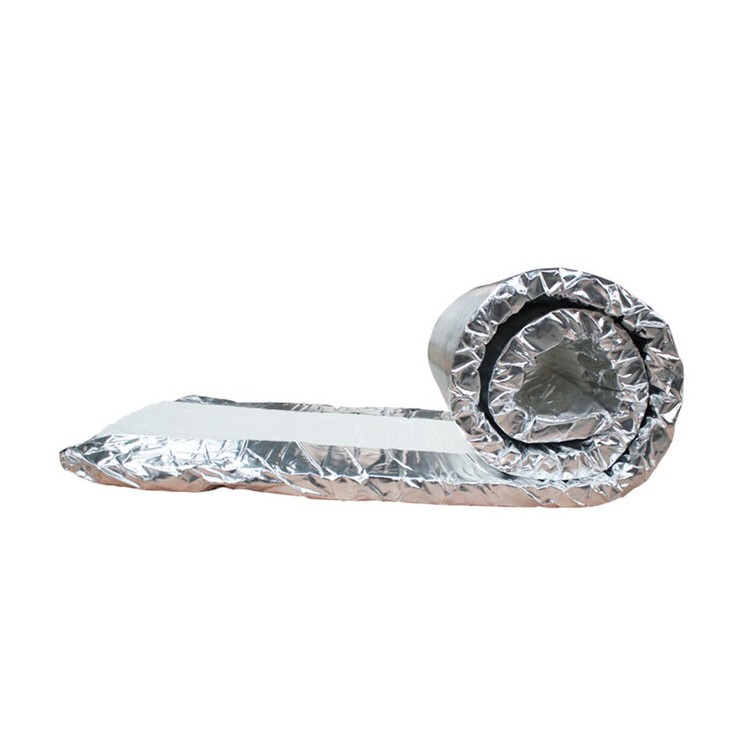
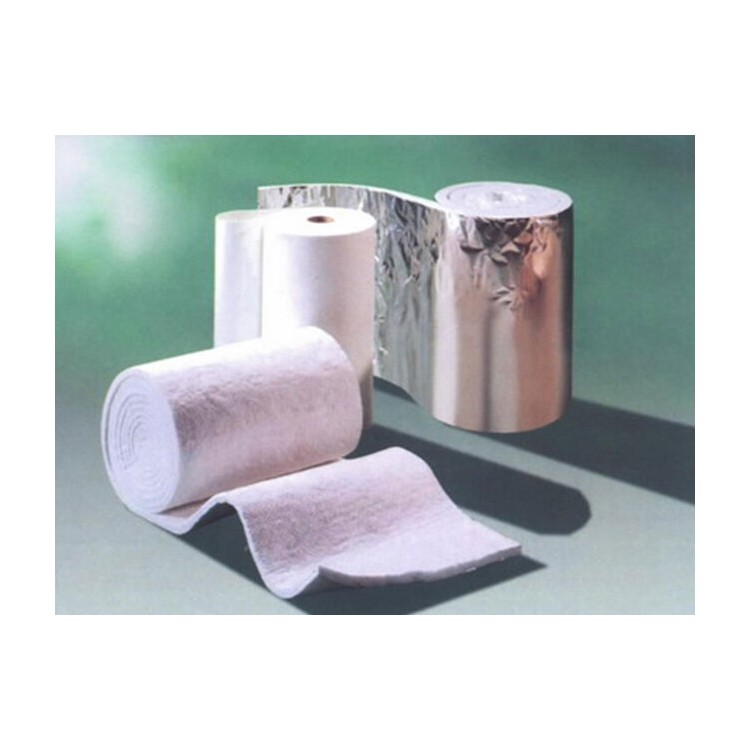
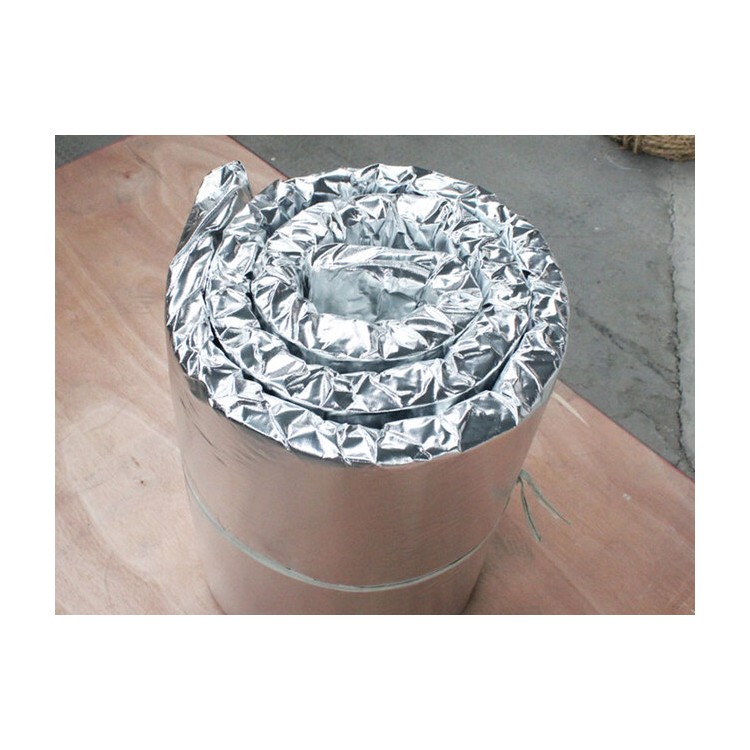
Zibo Huanao Fire-Resistant and Insulation Materials Co., Ltd. has, through recent research and exploration, developed and produced ceramic fiber aluminum foil blankets (abbreviated as "aluminum foil blankets"), which feature low bulk density, low thermal conductivity, significant insulation performance, and excellent heat resistance. These are particularly suitable for insulation and thermal preservation of high-temperature thermal equipment and heating pipelines with strict requirements for insulation and energy-saving effects. They are a new type of insulation and energy-saving material with broad prospects for application in metallurgy, petrochemical, electric power, ceramics, and other industries. Ceramic Fiber Aluminum Foil Blanket Structural Properties Introduction: Ceramic fiber needled mat covered with aluminum foil, features summarized as follows: Key specifications of the foil-covered needle-punched felt products: widths of 300/610/1220mm, lengths of 3600/7200mm, thicknesses ranging from 20/30/50mm for the felt and 0.047/0.2mm for the foil, with custom sizes available upon customer request. Insulation Mechanism of Aluminum Foil Sintered Needle Mat Products 1. Aluminum foil needle-punched felt product's reduction in thermal conduction and heat transfer 2. Aluminum Foil Studded Mat Product Reduces Gas Convection Heat Transfer 3. Aluminum Foil针刺毯 reduces radiant heat transfer In summary, the aluminum foil fibrous mat products, with their combined properties of ceramic fiber structure, metal aluminum foil structure, and ceramic fiber metal aluminum foil composite structure, significantly weaken the heat dissipation of three heat transfer methods: conduction, convection, and radiation. The new structure boasts excellent thermal insulation and energy-saving effects, making it an ideal thermal insulation and heat-insulating material for thermal equipment. Aluminum Foil Perforated Mat Applications
Aluminized ceramic fiber needle-punched felt, as the name implies, is a composite product consisting of a combination of metal aluminum foil and ceramic fiber felt. It is firmly bonded together with special equipment and a dedicated binder, creating a single integral structure of the composite product.
High density effectively prevents corrosive gases from penetrating through the insulation layer.
☆ Provides strong thermal resistance, enhancing insulation performance;
Excellent thermal shock resistance, capable of withstanding rapid temperature changes during heating and cooling.
Excellent tensile strength in both longitudinal and transverse directions.
Easier installation and maintenance;
☆ Lower heat capacity;
☆ Excellent chemical stability.
The heat dissipation methods of thermal equipment mainly include conduction, convection, and radiation. The foil-impregnated needle felt, through its unique structure, individually reduces the three heat dissipation pathways, minimizing heat loss and conserving energy. Detailed analysis follows:
Aluminized foil felt significantly weakens the conduction and heat transfer through the ceramic fiber felt barrier. The heat source's heat must first pass through the fiber felt, and the fibers in the ceramic fiber felt are interwoven without directionality, allowing conduction and heat transfer to only occur along the fiber rods. This means the fibers' thermal conductivity is not entirely perpendicular to the heat surface, which inadvertently extends the heat transfer path and weakens the heat conduction; additionally, the ceramic fiber felt has a porosity of 93%, with 80% of the fiber-to-fiber contact being point contact. This point contact and porosity further weaken heat conduction, increasing the thermal resistance of heat transfer. The heat loss through the aluminized foil felt is minimal, and its structure significantly reduces conduction and heat transfer.
Ceramic fiber blankets have a high porosity, with gases divided into almost stationary small pore chambers by the fibers. The pressure within the dispersed multi-pore chambers is constant, and this pressure, combined with the solid fibers, forms a dense solid屏蔽 (forming a shielding pressure), which hinders the intrusion of thermal airflow and reduces heat loss. Simultaneously, due to the compactness of the aluminum foil, it directly obstructs the convection of gases. Therefore, the aluminum foil blanket enhances the structural comprehensive performance, significantly reduces gas convection, hinders heat loss, and lowers energy consumption.
Ceramic fiber is inherently white and smooth, acting as an excellent reflector of heat; meanwhile, the foil-needled mat product features a non-transparent, smooth metallic foil, which has a mirror-like reflective mechanism. Heat rays are reflected through the foil, significantly weakening radiant heat transfer. Therefore, the foil mat has a double-layered attenuation mechanism for radiant heat dissipation, with a notable effect.
Aluminum foil needle-punched blanket has excellent thermal insulation and energy-saving properties, primarily used as insulation for the linings of industrial heating furnaces and boilers in petrochemical and metallurgical industries, external insulation for electric steam pipelines, thermal insulation for aerospace equipment, fire-resistant sandwich layers in ships, intermediate layers in the construction industry, and thermal insulation for daily commodities.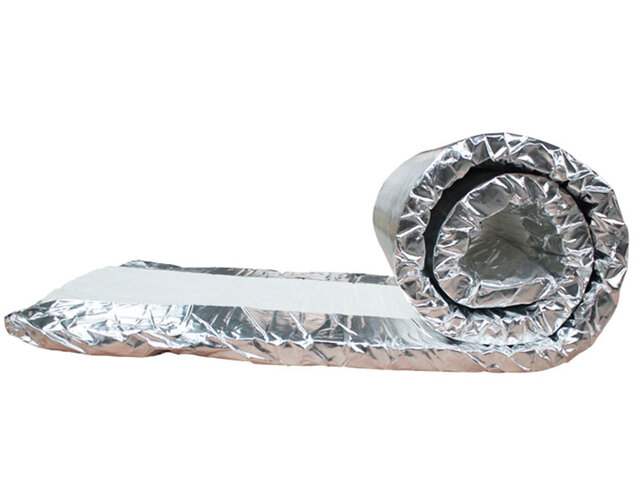

Phone Consultation