
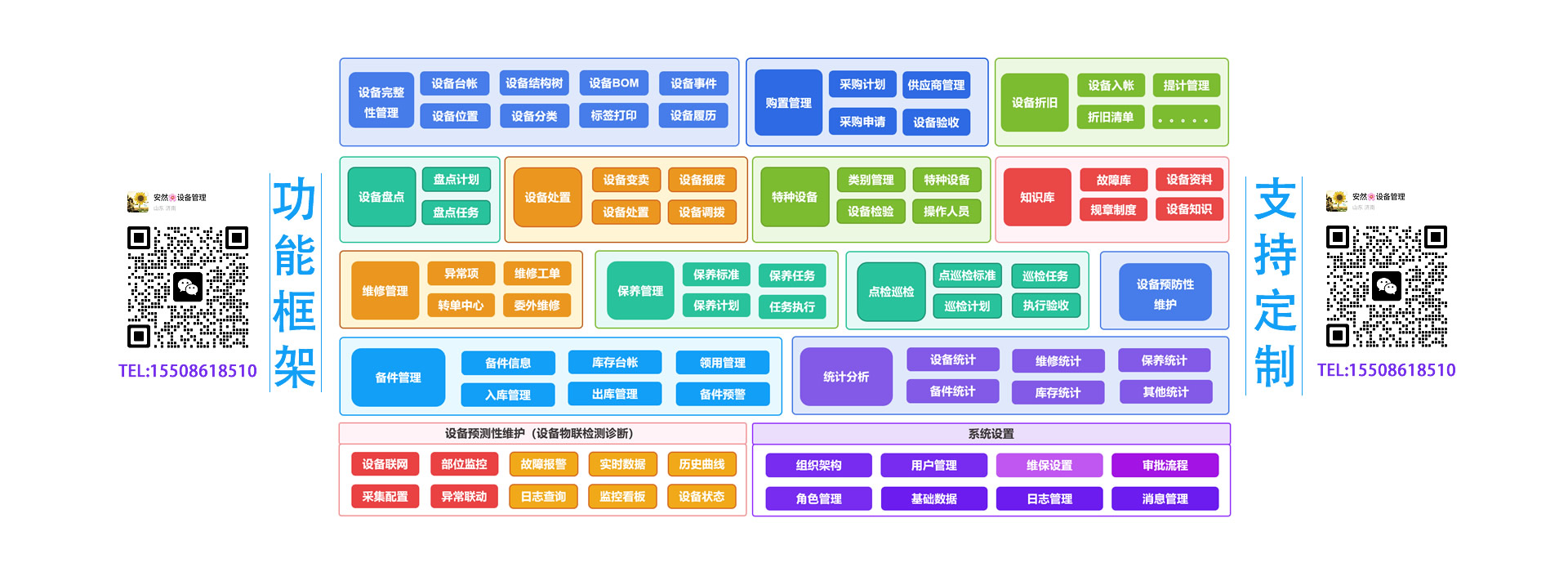
 Equipment asset allocation, disposal, sale, and upgrade改造
 Equipment Statistics, Data Analysis, Efficiency Enhancement
 Single-item, single-code scanning for repair management
 Equipment procurement, inspection, supplier management
 One-Item-One-Code Scanning Repair Management System Software
 Equipment Assets, Equipment Inventory Management
Product Details




产品Price Negotiable
最小起订Quantity:1 Set 供货总Quantity:


Operation and Maintenance Method |
|
Operating System |
Supports Android, Apple, HarmonyOS |
Supportable Equipment |
Mobile phones, computers, tablets, mobile PDA devices, patrol instruments, etc. |
Support Platforms |
DingTalk, WeChat Work, Feishu |
Domestic-made |
Domestic software, independently controllable, meets information creation requirements |
System Features |
Supports domestic operating systems such as Kylin and UnitedOS, as well as domestic databases like Dameng and GaussDB |
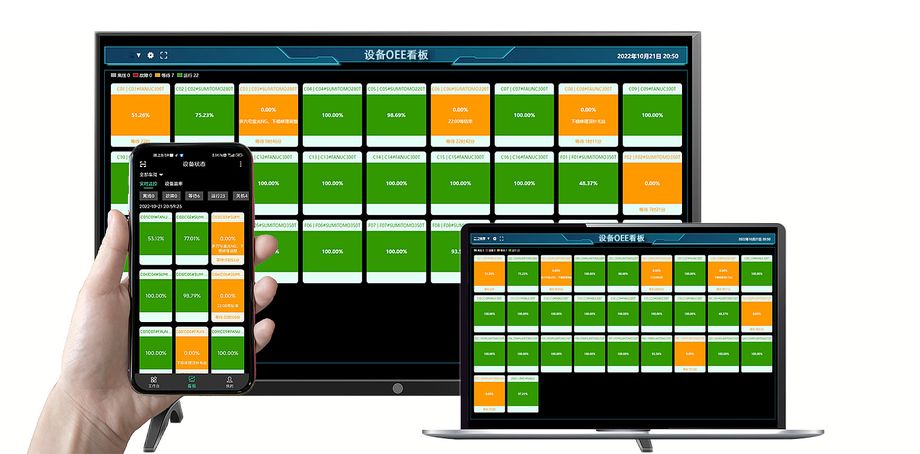
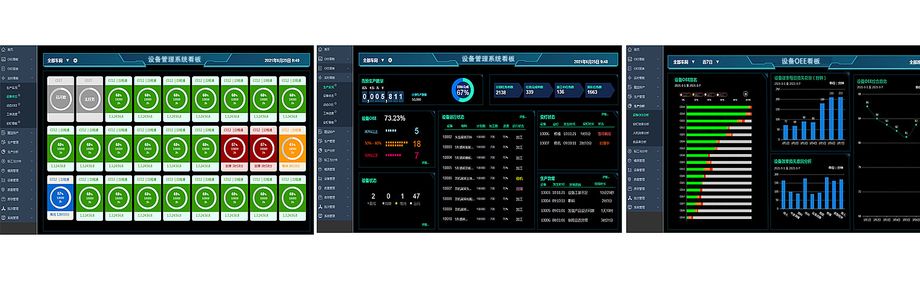
Equipment Information Collection, OEE Dashboard, OEE Ranking, OEE Curve Analysis, Increase Production Capacity The Overall Equipment Effectiveness (OEE) is a performance metric that measures the efficiency of a machine. OEE combines three key performance parameters: machine availability, performance efficiency, and quality. It is a percentage metric used to gauge the gap between the actual and potential performance of the equipment during the manufacturing process. Specifically, the calculation method for OEE is as follows: Among them: Availability = (Actual Operating Time / Scheduled Operating Time) Performance Efficiency = (Actual Output / Theoretical Output) Quality = (Good Quantity / Total Production Quantity) The Equipment Management System frequently employs the OEE metric to evaluate equipment efficiency and identify areas for improvement. Utilizing OEE helps identify bottlenecks in the production process, ensuring equipment on the production line operates more efficiently. When combined with EMS, OEE can provide key insights to the production department on how to increase productivity, reduce downtime, and enhance product quality. OEE Time Collection:Automatically collects data from device gateways, compatible with injection molding, stamping, and machine processing production lines. OEE Timing Sequence:All equipment wait times and failure counts are meticulously recorded, automatically generating timeline diagrams for easy troubleshooting. OEE trend analysis available for real-time review:OEE rankings are sorted from high to low, with automatic analysis of OEE changes and the generation of trend charts. Shutdown time reportingSupports reminders to key personnel for different abnormal duration durations, such as a 5-minute reminder to the team leader, a 15-minute reminder to the workshop supervisor, and a 30-minute reminder to the production director. The OEE (Overall Equipment Effectiveness) board is a visual tool used to display real-time and historical OEE data for production lines or specific equipment. Its purpose is to enable all staff, from operators to management, to quickly grasp the efficiency, issues, and potential improvement areas of the equipment. Real-time OEE Percentage: Displays the current OEE value, often in large font and color-coded (e.g., green indicates within target range, red indicates below target). Three Key Element Indicators: Availability: The ratio of operating time to total time of the equipment. Performance Efficiency: The ratio of the actual operating speed of the display device to its speed. Quality (Quality): Indicates the ratio of qualified products to the total production volume. Trend Chart: Displays the trends of OEE and its three key elements over a specific period (such as the past 24 hours, a week, or a month). Fault Codes: List production interruptions caused by equipment downtime or malfunctions, along with the corresponding duration. Shift Information: Displaying OEE data based on different shifts helps identify specific issues that may exist within a particular shift. Target OEE: Typically set to an ideal or achievable OEE percentage for comparison with actual OEE. Improvement Activities: List activities planned or currently in progress for increasing the OEE. The OEE board can be displayed digitally, such as on a TV screen or computer monitor, with real-time data updates. It's crucial that the OEE board is placed in a visible location, like alongside the production line or in the employee break area, to ensure staff can frequently review and discuss the data and take action as needed. API data can be integrated with ERP, MES, OA, and human resources performance systems. Open APIs, standardized data, easy to use Directly interface with other production systems such as MES, MOM, etc., serving as an additional channel for production data. The equipment management system can be privately deployed, with API internal network calls, ensuring high data privacy. The current data provided by the Qizhi Equipment Management System's OEE_API: Basic equipment information (e.g., equipment ID, name, location, etc.) Real-time OEE value Three Key Elements (Availability, Performance Efficiency, Quality) Equipment failure or downtime codes and related durations Equipment production data (such as production quantity, good quality quantity, defective quantity, etc.) Note: As the system is upgraded, the data provided by the API will continually increase.Overall Equipment Effectiveness (OEE)

OEE = Availability × Performance Efficiency × Quality
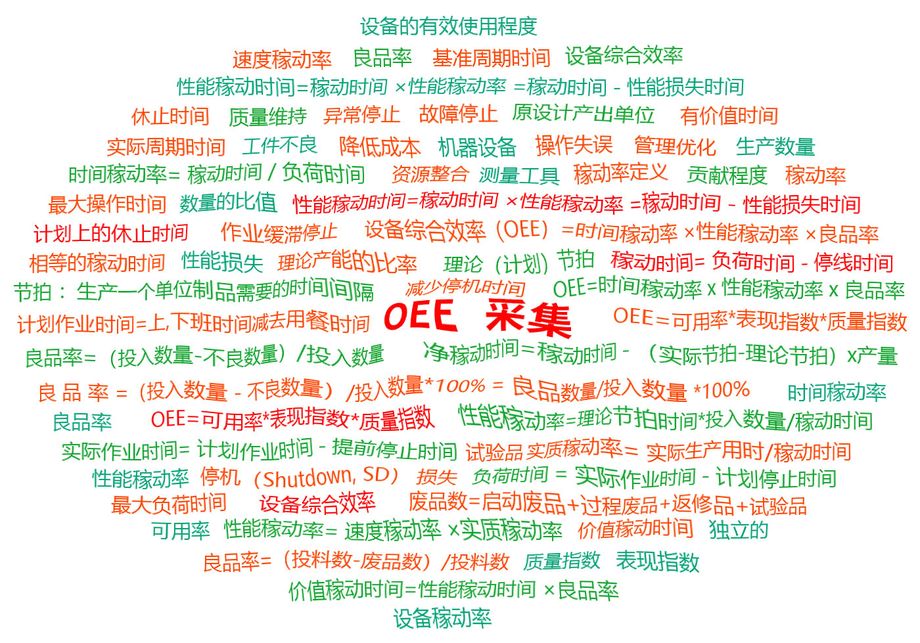
Equipment Overall Equipment Effectiveness

Equipment OEE Dashboard
Free Open API Data
Phone Consultation