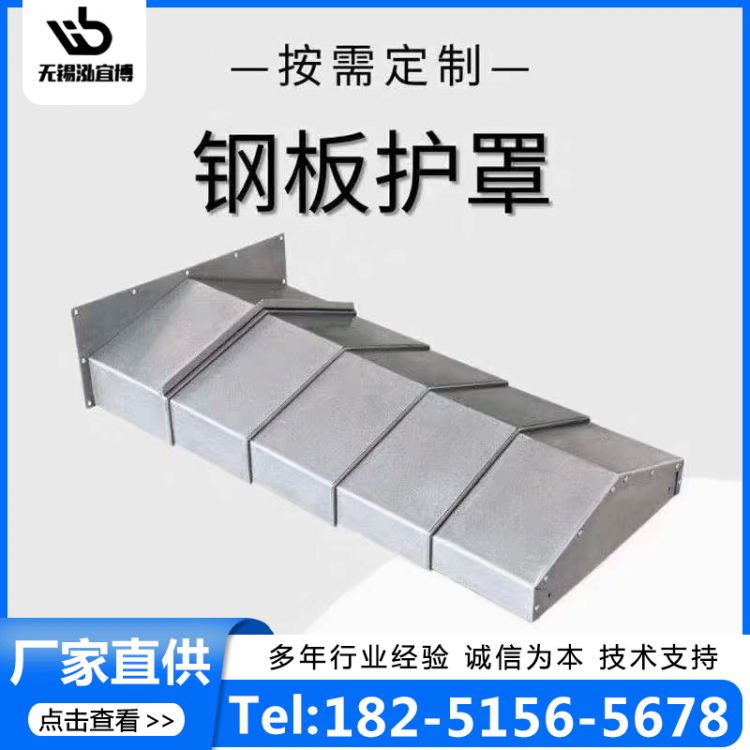
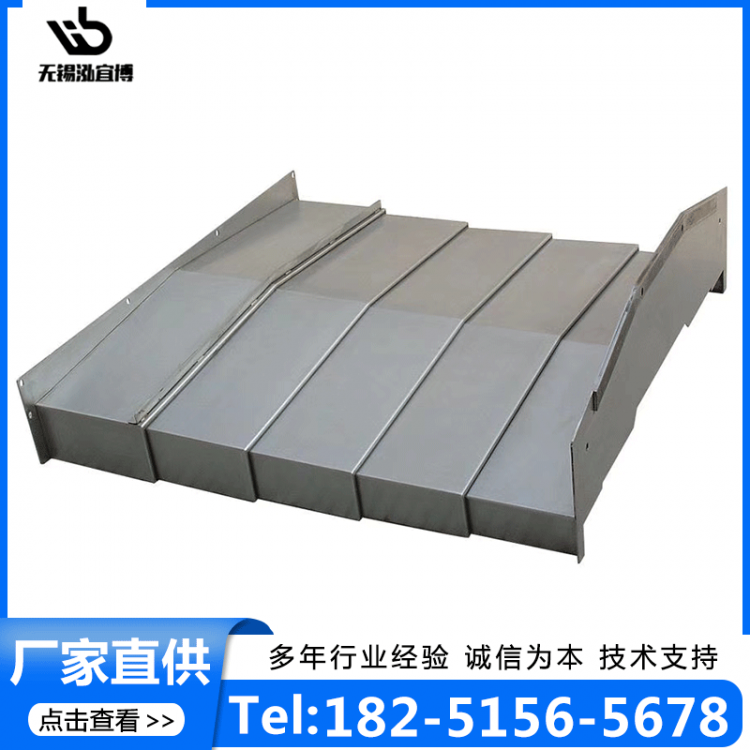
Machine Tool Enclosure


Product Recommendation
Material: The Art of Performance and Selection
Material selection for machine tool enclosure sheet metal is crucial, as it directly affects the machine tool's protective performance, durability, and cost. Common sheet metal materials include cold-rolled steel, hot-rolled steel, galvanized steel, aluminum, and stainless steel.Each material has its unique performance characteristics.
Cold Rolled Steel: Grade No.SPCCIt boasts excellent processing properties, high surface quality, and good flatness, capable of meeting the processing needs of various complex shapes. Priced reasonably, it is widely used in the manufacturing of ordinary machine tool enclosures where cost sensitivity is high but protective requirements are not particularly stringent. For instance, some small-scale ordinary lathes have enclosures made of cold-rolled steel, offering both cost-effectiveness and fulfilling basic protective and aesthetic requirements.
Hot Rolled Steel: GradeSPHCAffordable in price, but with poor surface quality and prone to rust; typically, the thickness is on the thicker side.3mmAbove. Due to its high hardness, it is used in the manufacturing of structural components where strength is critical and surface quality is not as stringent, such as in machine tool bases and other supporting parts.
Galvanized Sheet: Available in hot-dipped and electro-galvanized typesGalvanized steel sheets offer excellent corrosion resistance, are relatively cost-effective, and are an economical and effective anti-corrosion material....wherein,SECCElectro-galvanized steel sheets not only possess the mechanical properties and similar workability of general cold-rolled steel sheets, but also offer superior corrosion resistance and decorative appearance. They are highly competitive and substitutable in markets for electronic products, home appliances, and furniture. They also find application in the manufacturing of machine tool enclosures, particularly for machine tools that require good corrosion resistance, such as those used in humid environments.
Aluminum Sheet: Low density, lightweight, and boasts excellent corrosion resistance.Additionally, it boasts excellent heat dissipation capabilities.For machine tools and equipment that require weight sensitivity and excellent heat dissipation, aluminum plates are a good choice.Using aluminum sheets for the casing of some small precision machine tools can reduce the overall weight, making them easier to move and operate.Its excellent heat dissipation performance contributes to the stable operation of electronic components inside the machine tool.。
Stainless Steel Sheets: A type of alloy material with excellent corrosion and rust resistance, a beautiful surface, and high strength and hardness.Commonly used for machine tools with high requirements for protective performance and appearance quality, such as high-end CNC machine tools and machine tools for medical equipment.These machine tools are often used in harsh environments or have high requirements for product image. Stainless steel plates meet their needs for long-term stable operation and aesthetic appeal.。
When selecting materials, it is necessary to consider factors such as the machine tool's operating environment, performance requirements, and cost budget.For high-humidity, highly corrosive environments, stainless steel or galvanized plates are a good choice; for machine tools that prioritize lightweight and excellent heat dissipation, aluminum plates should be considered first.Additionally, the processing properties of the material must be considered to ensure it can accommodate various processing techniques and meet the design requirements.。
Two: Precision Manufacturing Process: A meticulously crafted production flow
The machining process for machine tool sheet metal is a complex and delicate procedure, involving multiple critical steps, each of which has a significant impact on the quality of the finished product.
Design and Planning: This is the starting and crucial phase of the manufacturing process.Designers must utilize professional design software, considering factors such as the machine tool's function, dimensions, and installation environment.CAD、SolidWorksWait, draw an accurate one.3DModel and2DDetailed drawings are required, with precise dimensions, bend angles, hole positions, and other details clearly marked. Additionally, factors such as material selection, processing techniques, and cost control must be thoroughly considered to develop comprehensive processing plans and workflows. For instance, when designing the casing for a CNC machine tool, the heat dissipation needs of the internal electronic components must be taken into account, ensuring the proper design of ventilation holes in terms of size and placement. Moreover, the design should also cater to the operators' habits, creating a structure that is easy to operate and maintain.
Material Preparation: Procure sheet metal materials of appropriate specifications and materials based on design requirements.We rigorously inspect the quality of materials purchased, ensuring surface flatness, thickness tolerances, and material composition meet standards.Defective materials are strictly returned.The sheets are cut to the appropriate size using shears, laser cutters, and other equipment, preparing them for subsequent processing.Laser cutting machines are used for high-precision cutting of stainless steel plates, resulting in smooth edges and superior accuracy, capable of meeting the needs for complex shape cuts.。
Bending: Utilizing CNC bending machines to bend the cut sheets according to design specifications.During the bending process, it is essential to set the correct parameters such as the bending die, angle, and pressure.Ensure bending accuracy and qualityFor complex-shaped sheet metal parts, multiple bending and mold fitting may be required.During operation, strictly control the bending sequence and angle to ensure dimensional accuracy and appearance quality.When manufacturing the corner sections of machine tool casings, precise control of the bending angle is essential to ensure the overall structure of the casing is both tight and aesthetically pleasing.。
Stamping: Utilizing stamping machines and molds to punch various holes, grooves, and protrusions onto sheet metal components to meet assembly, heat dissipation, and ventilation requirements.When designing stamping dies, it is crucial to fully consider the shape, size, and precision requirements of the parts.During the operation, control parameters such as the stamping speed, pressure, and stroke.Regular maintenance of molds to ensure their service life and stamping qualityPressing cooling holes on machine tool casings can effectively reduce the internal temperature of the machine tool, ensuring its normal operation.。
Stretching: For some machine tool housing components with specific depth requirements, stretching processing is required to form the desired shape.During the stretching process, control parameters such as the depth, speed, and intensity of the stretch.Prevent material from splitting or wrinkling.Simultaneously, rationally design the radius of curvature and gap of the stretching mold to enhance the quality and molding effect of the stretched parts.For instance, to manufacture machine control panels with concave or convex shapes, the stretching process must be employed.。
Welding and Assembly: Multiple sheet metal parts are assembled into a complete enclosure based on design, utilizing methods such as welding, riveting, and bolted connections.Welding is a commonly used method of connection, which can be achieved through various techniques such as manual arc welding, gas shielded welding, and laser welding.Select the appropriate welding method based on material, plate thickness, and welding requirements.Ensure uniform, strong welds with no defects during welding, and control welding distortion; perform shaping treatment on distorted parts.For instance, when welding the side panels and bottom plates of large machine tool casings, using gas shielded welding ensures weld quality and reduces welding defects.。
Surface Treatment:Polishing and Buffing: Removes welding scars, burrs, scratches, and other defects from the sheet metal shell surface, enhancing surface flatness and luster, providing an excellent foundation for subsequent surface treatment.Available for hand polishing or mechanical buffing, select the appropriate process and tool based on surface quality requirements.For high-precision machine tool enclosures with strict aesthetic requirements, the surfaces are meticulously polished and buffed to achieve a mirror-like smoothness, enhancing the overall quality of the machine tools.。
Spraying and Electroplating: Enhancing the protective performance and aesthetic appeal of sheet metal enclosures through spraying or electroplating processes.The coating can be selected in powder coating or paint spraying methods, creating coatings with various colors and textures.Electroplating can achieve chrome plating, zinc plating, nickel plating, etc., enhancing the corrosion resistance and decorative properties of equipment casings.During the surface treatment process, strict control is maintained over process parameters and environmental conditions to ensure the coating or plating is even, durable, and free of defects.For instance, when powder coating machine tool casings, a variety of colors can be selected to enhance the aesthetic appeal of the machine tool, while the powder coating offers excellent wear and corrosion resistance.。
III. Design Highlights: Fusion of Functionality and Aesthetics
The design of machine tool exterior sheet metal is not only for protective and structural requirements, but also emphasizes the integration of functionality and aesthetics to enhance the overall value of the machine tool.。
Stability and Strength Design: Machine tools generate vibrations and impacts during operation, thus, the sheet metal casing must possess adequate stability and strength to protect internal components.Through reasonable structural design, such as adding reinforcing ribs, optimizing bending angles and shapes, the strength and rigidity of sheet metal parts can be enhanced.For instance, in the design of machine tool bases, adding multiple reinforcing ribs can effectively enhance the base's load-bearing capacity and prevent deformation due to uneven stress distribution.。
Human-Centric Design: Designed with the operator's usage habits and comfort in mind, the shell structure is user-friendly and easy to maintain.For instance, the design of the machine tool door's opening method and location is rationalized for ease of access by operators; an easily operable control panel is set up to facilitate various parameter settings and operations for the operators.Properly designed handles or lifting devices on the casing facilitate the movement and transportation of machine tools.。
Heat Dissipation Design: Machine tools generate a significant amount of heat during operation, and an effective heat dissipation design is crucial for ensuring the normal operation of the machine tool.By incorporating well-designed ventilation holes and heat sinks, air circulation is enhanced and heat dissipation efficiency is improved.For example, opening large ventilation holes on the side or top of machine tool casings and installing heat sinks inside can effectively reduce the internal temperature of the machine tool.。
Aesthetics in Design: As market competition intensifies, the appearance design of machine tools is increasingly valued.Sleek, fluid lines, harmonious color combinations, and exquisite surface finishing all enhance the visual appeal of machine tools.For instance, the streamlined design style enhances the dynamic and modern look of the machine tools; color choices align with the corporate image, boosting brand recognition.。
Quality Control: Ensuring the Creation of High-Quality Products
Quality control is an indispensable part of the sheet metal manufacturing process for machine tool enclosures, extending throughout the entire production process from raw material procurement to finished product inspection, with each step requiring strict scrutiny.。
Raw Material Inspection: Conduct strict quality inspections on purchased sheet metal materials, including material analysis, thickness measurement, and surface quality checks.Ensure raw materials meet design specifications.Only high-quality raw materials can provide the fundamental guarantee for subsequent processing and product quality.。
Process Inspection: Conduct inspections at each stage of the manufacturing process to promptly identify and correct issues during production.During the bending process, inspect the bending angles and dimensions to ensure they meet the drawing requirements; in the welding process, check the weld quality for any defects such as pores or cracks.。
Final Product Inspection: Comprehensive quality checks on the machined machine tool shell sheet metal, including appearance inspection (surface flatness, finish, color consistency, no defects), dimensional accuracy inspection (conforms to design drawing tolerances), welding quality check (welds are firm, no pores, cracks, etc.), assembly performance check (components fit well, no interference), etc.Identify and isolate non-conforming products, analyze the causes, and implement corrective actions.。
The selection of materials, processing techniques, design elements, and quality control for the sheet metal of machine tool enclosures are crucial components in machine tool manufacturing, directly impacting the performance and quality of the machine tools.In the future, with the continuous advancement of technology and the sustained development of the manufacturing industry, machine tool shell sheet metal will evolve towards greater lightweighting, high precision, intelligence, and aesthetic appeal.New vitality injected into the machine tool industry.。


b2b.china9.net © Zhongshang 114 Hebei Network Technology Co., Ltd.Address: Room 6009, Oriental New World Center, No.118 East Zhongshan Road, Qiaoxi District, Shijiazhuang City, Hebei ProvincePlatform Service Hotline: 4006299930