
 Pall hydraulic oil filter element HC9604FKN16H
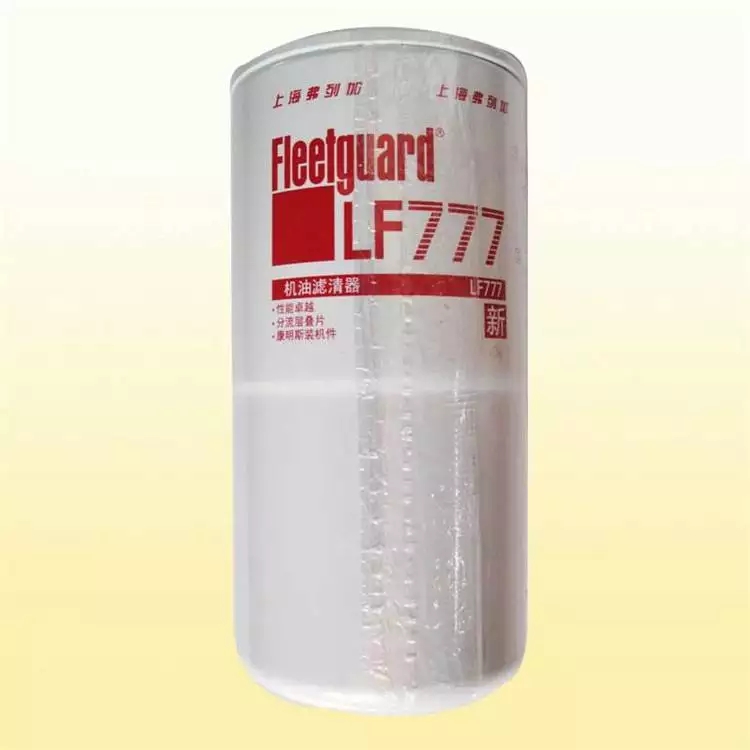 LF9009 Fram Oil Filter
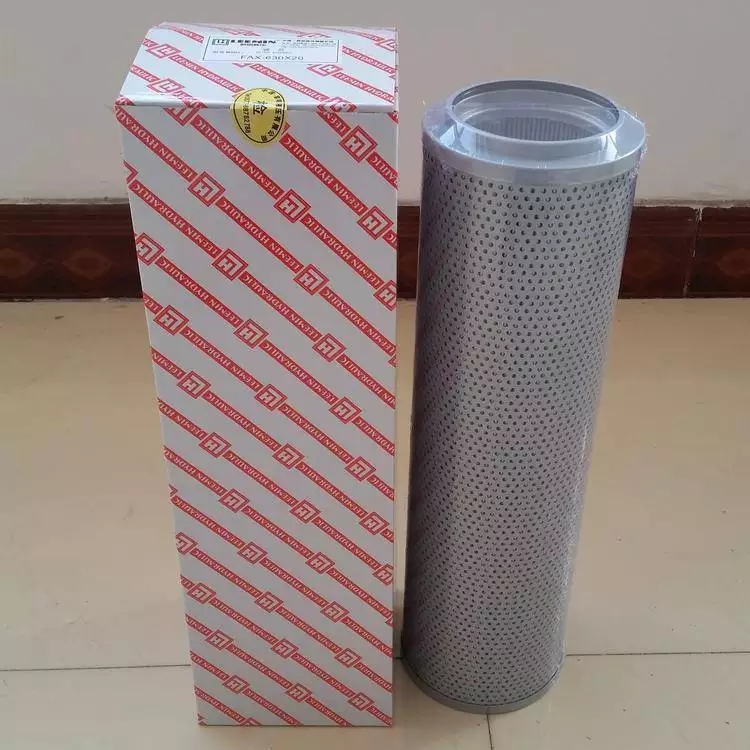 NX-800*20 Return Oil Line Filter Element, Liming Filter Element
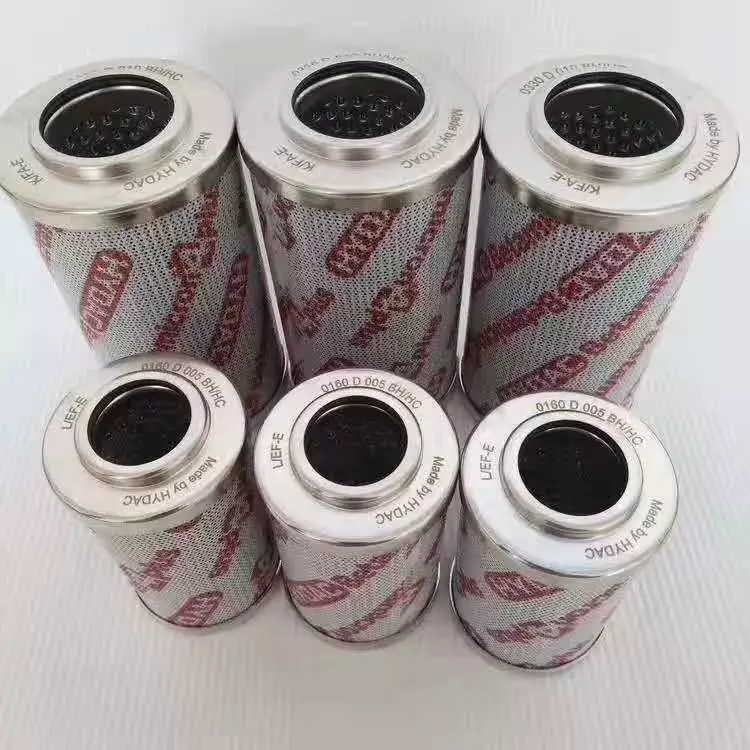 0240D020BN3HC High-Pressure Filter Cartridge, Hengst Filter Cartridge
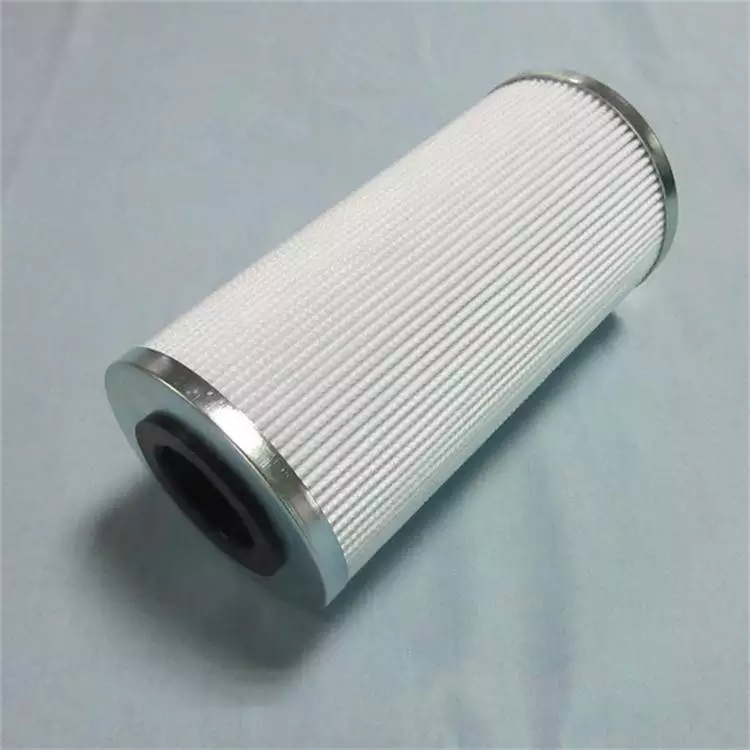 Oil and Gas Separator Filter Core LB13145/3 - Oil and Gas Separator
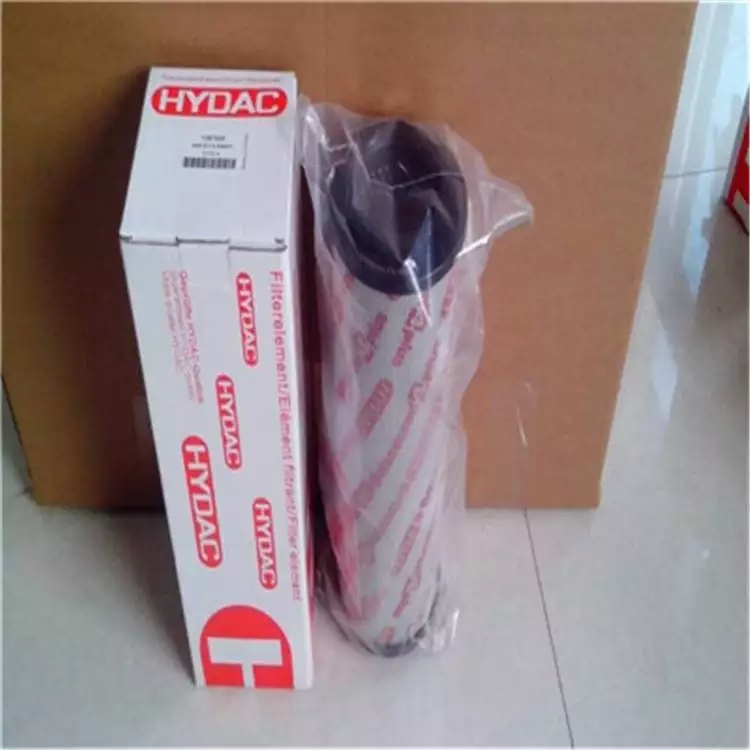 1300R010BN3HC Folding Hydraulic Oil Filter Element
Product Details

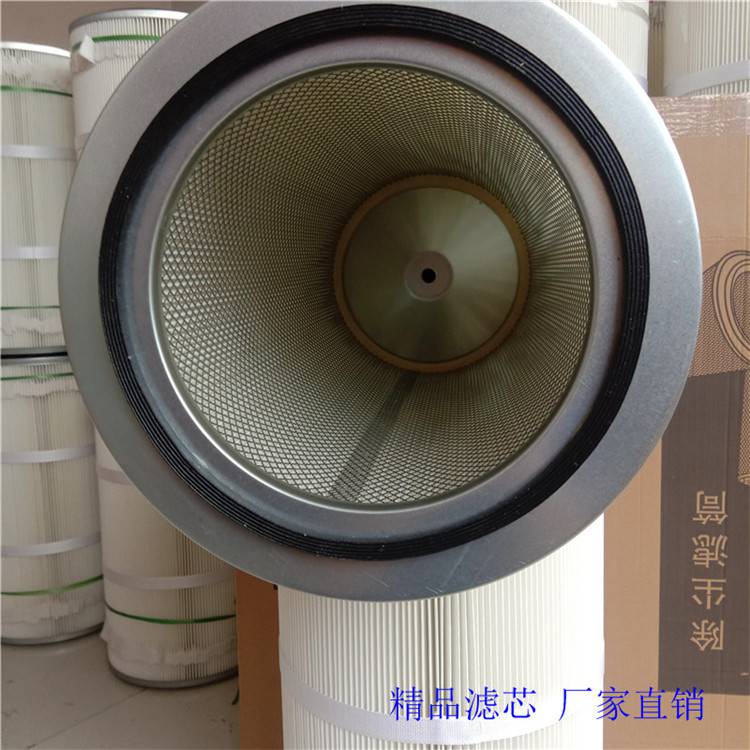
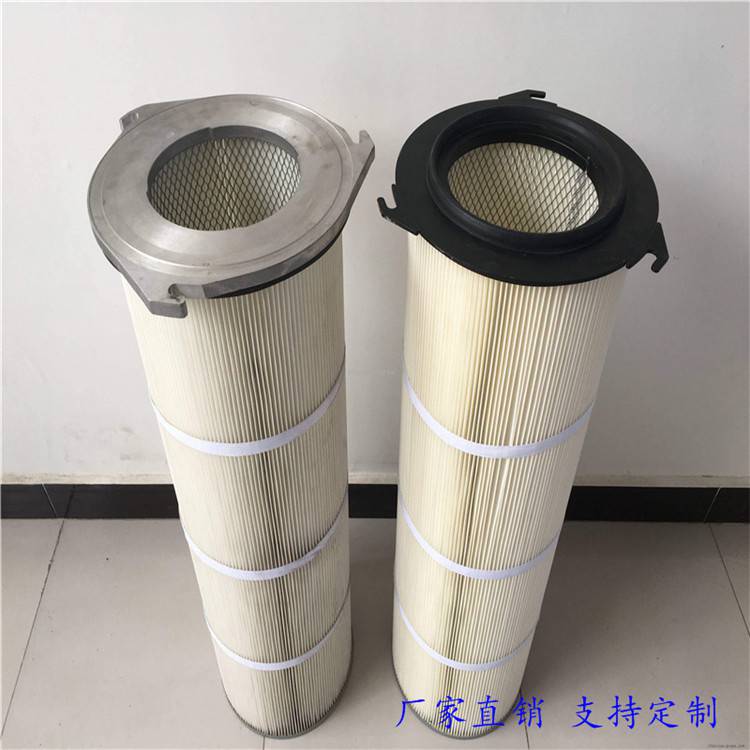
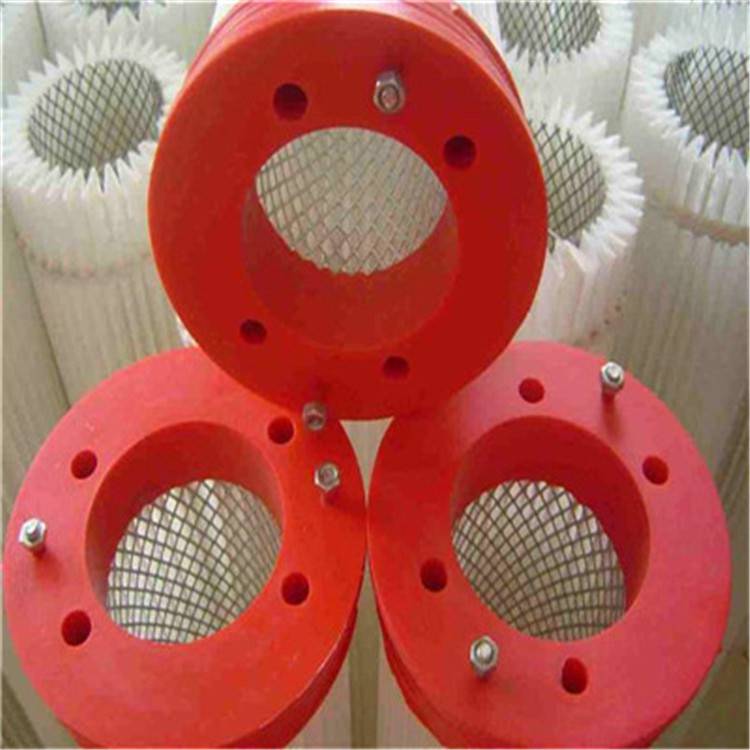
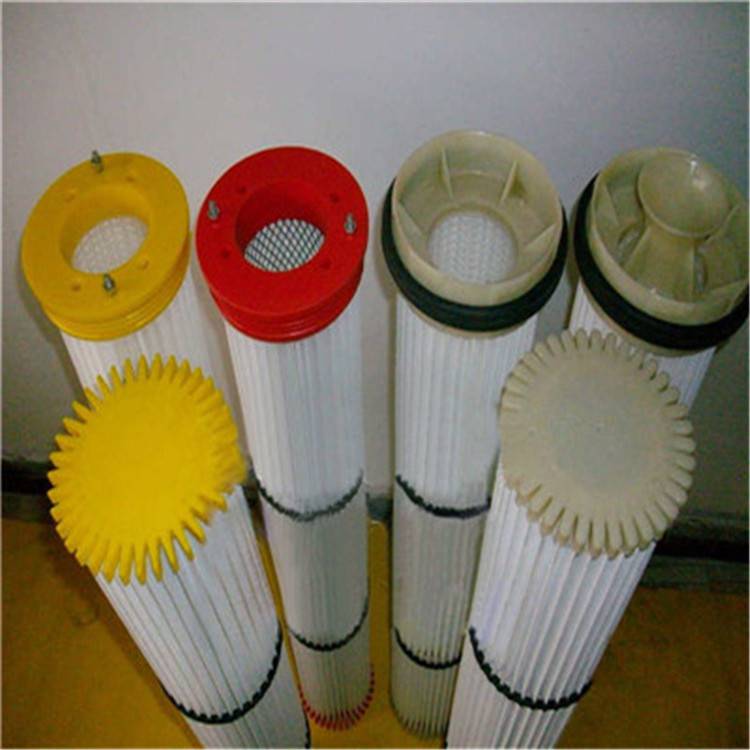
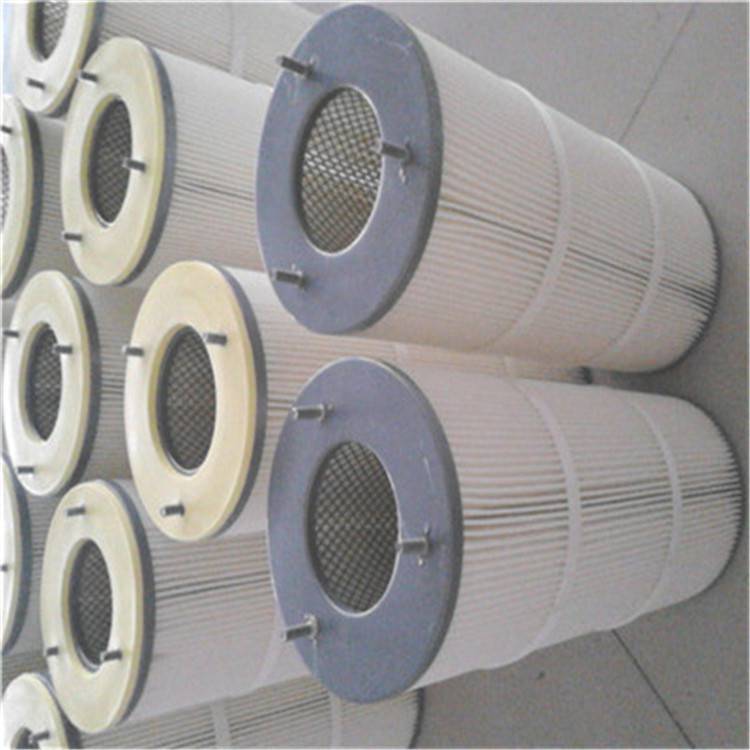
Parker Filter Cartridges, Dust Removal Filter Cartridges

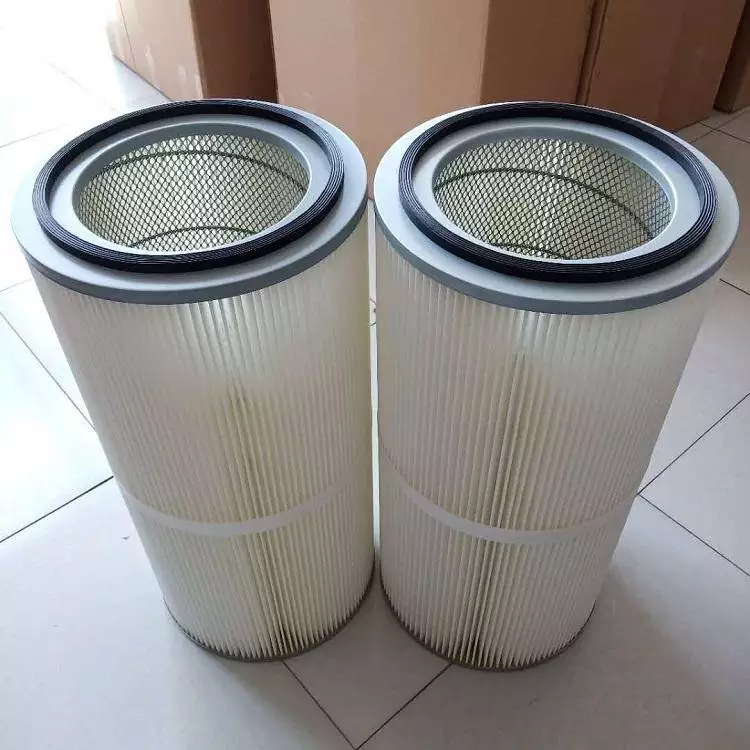
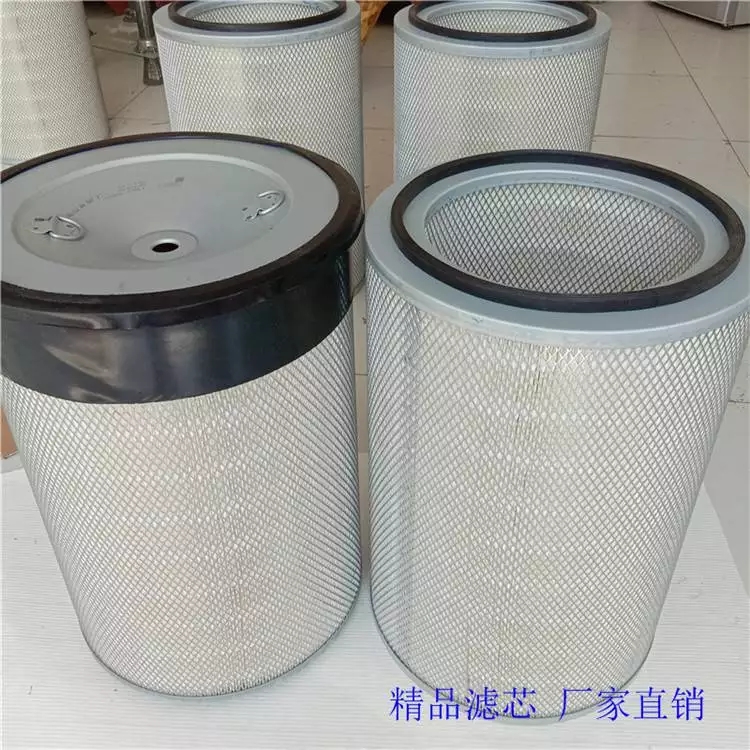
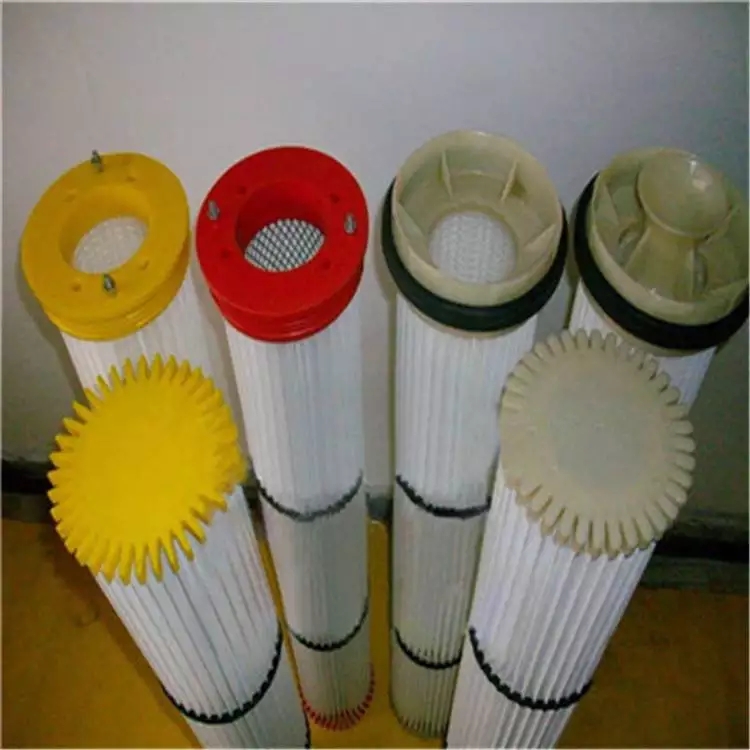
产品Price 30.00/Individual
最小起订Quantity:50 Individual 供货总Quantity: 10000 Individual


Industrial gas, environmental protection equipment dust filters, dust filter cartridges, dust filter bags, dust filter cores, odor removal filters, and dust recovery filter cores. Two: Industrial oils, fluid power equipment, hydraulic and lubrication systems, oil filter cores, pipeline filter cores, imported filter core domestic transformation, non-standard filter core research and production. Section 3: Filter cores for pipeline systems: A. Natural Gas Pipeline Filter Cartridge
B. Gas Pipeline Filter Cartridge C. Biogas Pipeline Filter Cartridge
D. Gas Pipeline Filter Cartridge E. Pipe Oil Filter Cartridge F. Pipe Water Filter Cartridge G. Oil filter cores, dust filter cores, and gas purification filter cores for various pipeline systems. 4. Compressor Intake Dust Filter Core, Oil Filter Core, Oil-Gas Separator Filter Core Five, Dust Filter Cartridges and Dust Removal Filter Cartridge Series are used for: A. Energy, cement, chemical, machinery, glass, and other production line recycled raw materials, purification and dust removal B. Coating, production line material recovery, purification and dust removal C. Dust collection and purification filter cores for wood processing, polishing, shot blasting, crushing, and powdered formulation industries. D. Various testing instruments for gases, dust, etc., online monitoring equipment filter cores, powder coating equipment filter cores. E. Engineering Drill Dust Collector Filter Core Section 6: Oil Filter Cartridges Suitable for: A. Pressure Line Filter Cartridge
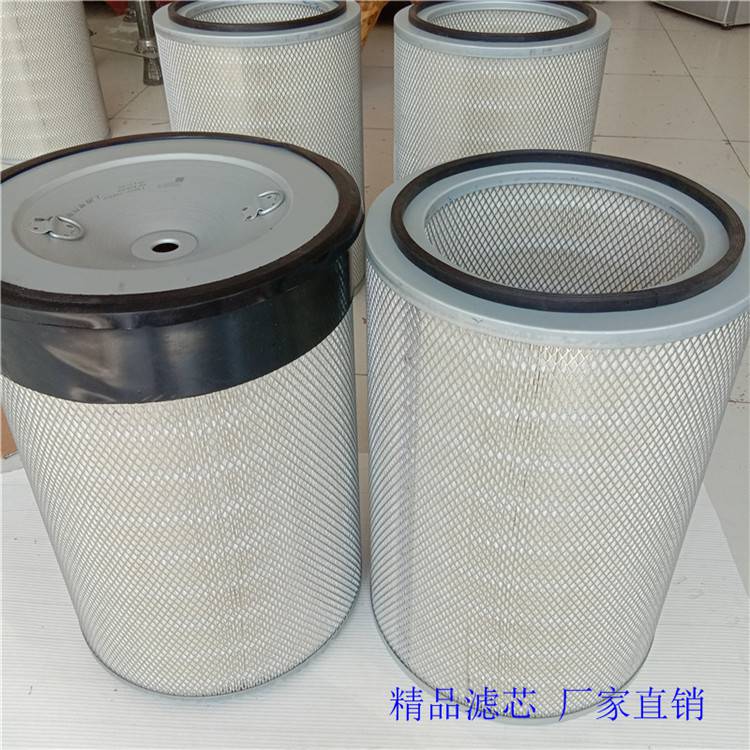
B. Oil Filter Machine (Vehicle) Cartridge C. Air Compressor Oil Filter Core
D. Large Machine Tool Oil Filter Core Section 7: Air Purification Filter Cartridges A. Plate and frame filter cores. B. Filter Paper Core: Filtration accuracy from 10um to 150um C. Glass Fiber Filter Cartridge: Precision from 0.5um to 90um D. Various polyester fiber filter cores, metal fiber filter cores, glass fiber filter cores. Select Editor, Broadcast Air Filter Core The selected air filter core must match the original engine's power, economy, and reliability. Rated Air Intake Volume The air flow rate in the filter core technical parameters should exceed the rated intake volume of the engine used. (2) Filter Material Thicker, tensile strength, initial air resistance, and filtration accuracy are required for filter materials. Imported diesel fuel requires air filtration accuracy of 5μm, and domestically produced diesel engines should also be less than 20μm. The filtration accuracy of filter paper is 2μm, with standard imported filter paper at 30μm, and domestic filter paper at just 80μm. (3) Filter Core Performance Test Flow-Resistance Test; Determines air flow pressure loss (flow-resistance or flow-pressure division curve). ② Original Filtration Efficiency Test - Can calculate the dust collection efficiency of the filter core, the dust reduction rate of a normal filter core should be above 99%. ③ Dust Holding Capacity and Accumulative Efficiency Test - Excessive dust accumulation in the filter element can lead to blockage and increased intake resistance. The intake resistance that causes a 5% decrease in engine power or a 5% increase in fuel consumption is a critical limit, and once reached, the filter element must be cleaned or replaced. During the test, the weight of the accumulated dust when the intake resistance or pressure drop reaches 7-46 kPa is the dust holding capacity of the filter element, while the filtration efficiency during this test period is the accumulative efficiency. ④ Original Intake Resistance Test: The intake resistance at 9% of the rated air volume passing through the filter element should not exceed 3.2 kPa; otherwise, power will decrease, and the engine may emit black smoke. 2 Diesel Filter Diesel filters must undergo the following tests in accordance with ISO 4020 standard (Test Methods for Fuel Filters for Road Vehicles - Diesel Engines). (1) New Filter Element Cleanliness Test Confirm that the inner side of the filter core has been cleared of any residual dust and impurities from the production and transportation process. (2) Bubble Test Method Used to verify the presence of pores larger than the filtration accuracy in the filter element. (3) Filtration Efficiency and Lifespan Testing Filter efficiency refers to the ratio of the particles filtered out, while the filter's lifespan is indicated by the time it takes for the pressure difference in a clogging test to exceed 0.07 MPa. (4) Water Separation Efficiency Test Determine the number of separators required to remove water from the oil-water mixture in the filter oil. (5) Filter Core Breakage Test Confirm the burst pressure of the filter core. (6) Oil Filter Assembly Breakage Test Assess the assembly's ability to withstand internal pressure. (VII) Pulsed Pressure Fatigue Test Measure the mechanical strength of the oil filter assembly under pulsating pressure (simulating engine start-up or shutdown). (8) Vibration Fatigue Test Confirm the mechanical strength of the oil filter against vibration under normal operating conditions. 3 Oil Filter Full-flow oil filters should be tested according to the ISO 4548 standard. Pressure Drop-Flow Characteristic Test Determine the pressure-drop-flow curve of the oil filter assembly using oil with a *** viscosity. (2) Characteristic Test of Bypass Element for Filter Cartridge Measure the pressure drop across the filter element - bypass flow curve. When the pressure drop across the filter element is low, to limit the amount of unfiltered oil, the bypass element allows a small amount of leakage when the pressure drop below the specified opening is less; while when the filter element is completely clogged, it can bypass all the flow without exceeding the specified pressure drop. (3) High-pressure drop and high-temperature characteristic tests Oil filters are subjected to high pressure drops during operation (especially when the filter element is clogged). Additionally, the filter element is affected by high oil temperatures, and its ability to withstand high pressure drops without damage under simulated high-temperature conditions should be tested. (4) Filter Cartridge Lifespan and Filtration Efficiency Test The filter element is tested using the particle counting method, plotting a pressure difference-test time or pressure difference-addition of ash weight relationship curve during the test to represent the filter element's lifespan, which is indicated by the test time or weight of contaminants at 75% of the bypass valve's design opening pressure. (5) Accumulated Efficiency Test The filter element's service life is determined by weight analysis, evaluating it based on either the test time reached at the test endpoint pressure difference or the captured amount of contaminant. (6) Hydraulic Pulse Fatigue Test The oil filter is subjected to fluctuating pressure due to the engine's cooling state during operation. The test uses the specified pulsating oil pressure, cycling 1000 times, to determine the oil filter housing, seal, and filter element's ability to withstand high-pressure fluctuations. (7) Vibration Fatigue Test After installing the filter assembly, apply a frequency and amplitude similar to that of the engine or mounting structure's vibration surface to resonate, maintain the specified oil pressure, and cycle 10 million times to confirm there are no minor oil leakage spots or fatigue damage performance.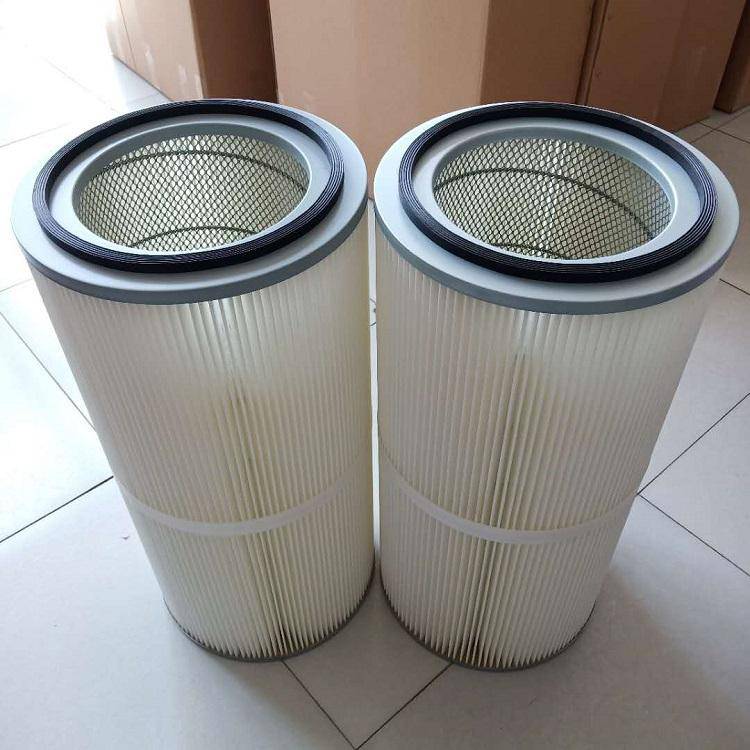

Phone Consultation