





- AllProduct Category
-
Culture Rack
Tissue Culture Lamps
Tissue Culture Equipment
Tissue Culture Room Construction
Cleanroom Workbench
Lab Bench
Tissue Culture Trays
Culture Room Purification





详情描述
1. Cleaning and Sterilization Room
Function: Perform cleaning, drying, storage, and sterilization of various equipment, as well as culture medium sterilization.
Equipment: Storage ponds, Waterfall racks, Laboratory central tables, High-pressure sterilizers, Ultrasonic cleaners, Dry sterilizers (such as drying ovens), etc.
Regulations: The size of the cleaning and sterilization room is determined based on the labor and size requirements, with the general total area controlled between 30~50 m². A specialized stainless steel sink is set on one side of the lab for cleaning glassware. The central lab table should also be equipped with two stainless steel sinks for cleaning small to medium-sized glass containers. Prepare 1~2 detergent tanks in advance for cleaning glassware with high cleanliness requirements. The floor should be waterproof and have good drainage pipes.
2. Prep Room (also known as an Organic Chemistry Lab)
Purpose: Conduct all preparatory work related to the experiment: stock, weigh, dissolve various drugs applied, clean containers, prepare and disperse culture media, sterilize culture media and culture vessels, and prepare the raw materials for culture.
Machinery and Equipment: The prep room should be equipped with a test bench, reagent cabinets, a reservoir, instruments, medications, contamination-proof cabinets (for culture vessels), a refrigerator, a balance scale, a distiller, a pH meter, and common glassware for preparing standard culture media.
Regulation: The space should be approximately 20 m2. The space must be clean and tidy, accommodating several lab tables and related machinery for easy work; additional space is required for more personnel. Additionally, natural ventilation standards should be excellent for gas exchange; the lab floor should be conducive to cleaning and anti-slip solutions must be implemented.
3. Incubation room
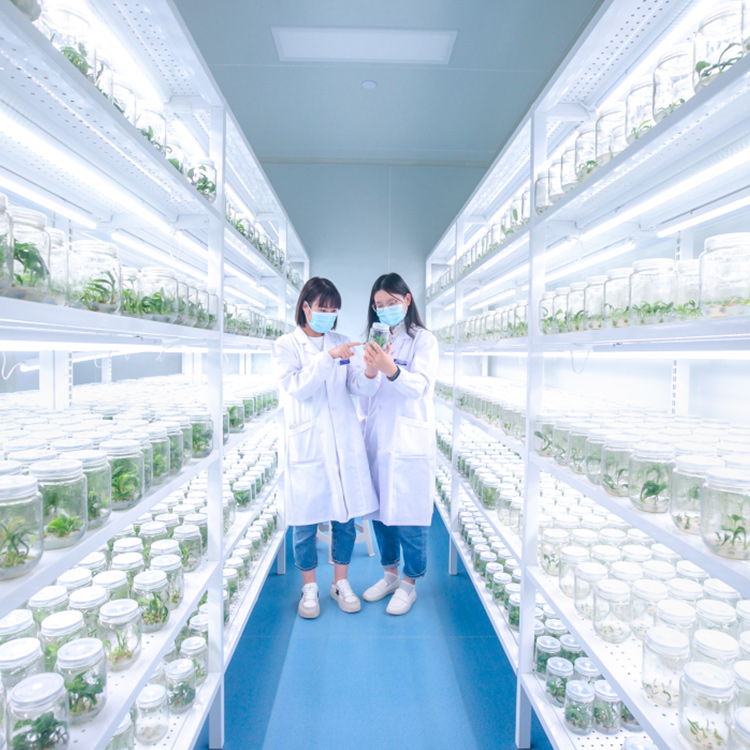
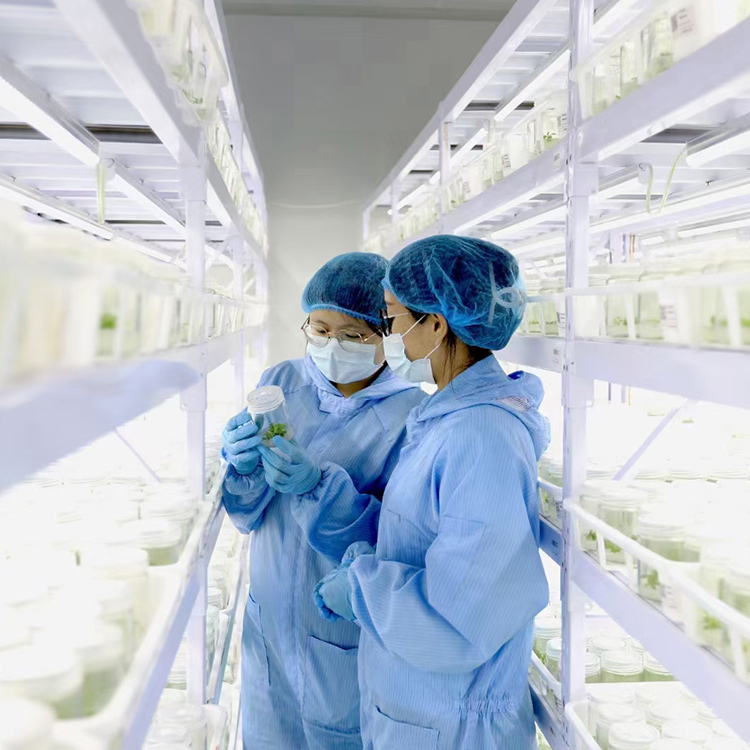
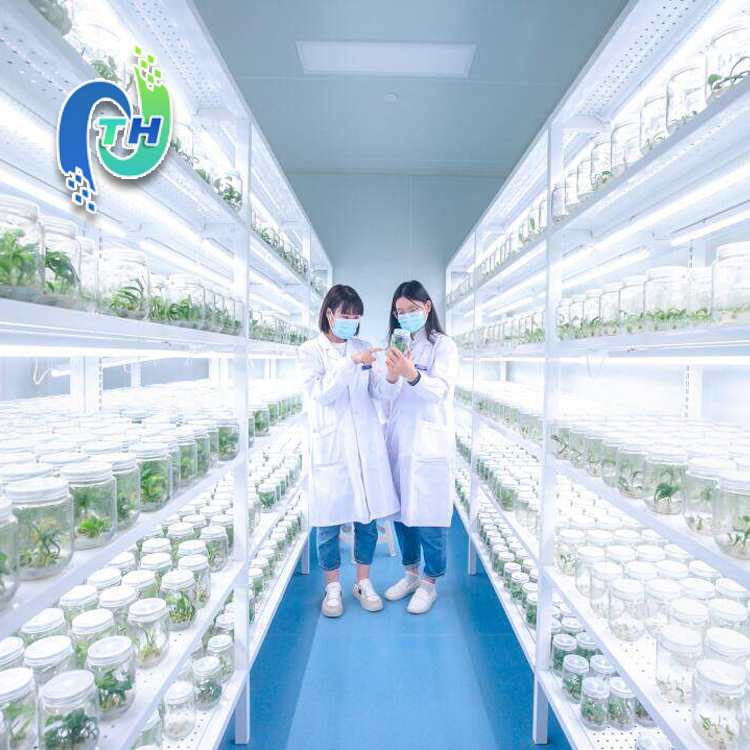
Function: Cultivate paraffin section raw materials, carry out cultivation under standardized operation conditions for green plant paraffin section raw materials inoculated into culture bottles and other containers, serving as a cultivation site for both exploratory laboratories and scaled trial raw materials.
Machinery and Equipment: Incubation racks (with temperature, light, and switch control, as well as humidity control), shaker beds, rotating beds, automatic timing controllers, UV sterilization lamps, sunlight exposure incubators or artificial climate chambers, biochemical incubators, side benches for observing the growth and development of cultures, dehumidifiers, optical microscopes, hygrometers, central air conditioning, etc.
Regulation: Approximately 10~20 m2 is required, with the size of the culture room to be determined based on the dimensions, quantity of required culture racks, and any auxiliary machinery. The design standard is to flexibly utilize the indoor space and conserve energy. Essentially, the regulation allows for the manipulation of sunlight exposure and temperature while maintaining a relatively sterile testing environment; to meet the gas requirements for the growth of green plant cultivation materials, ventilation equipment such as exhaust windows and fans should be installed in the culture room; to conserve energy and space, suitable culture racks should be provided, and daylight fluorescent lighting fixtures should be installed.
4. Sterile Operation Principle Room (Inoculation Room)
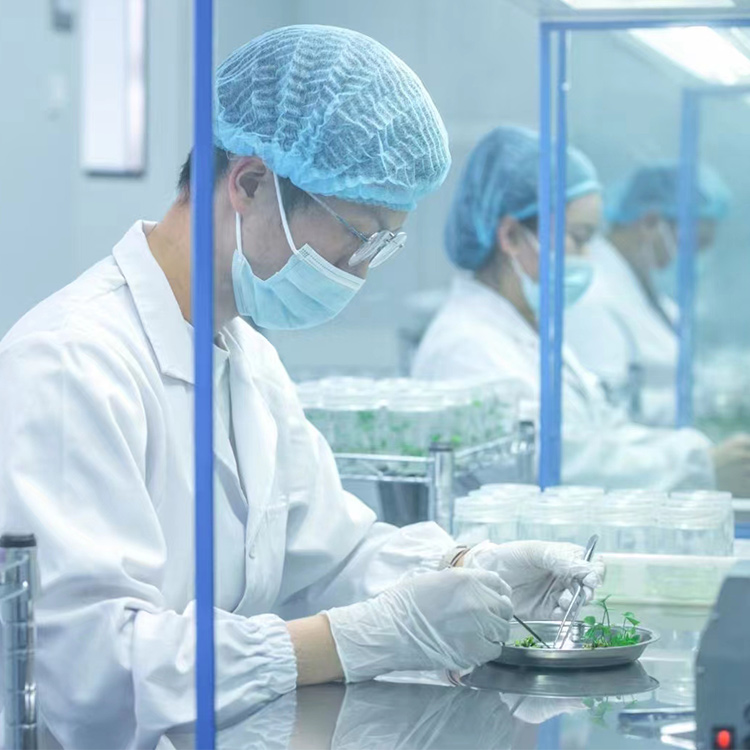
Purpose: Primarily used for disinfection and sterilization of green plant raw materials, inoculation, transfer of cultures, subculture of test-tube baby seedlings, preparation of protoplasts, and all technical procedures requiring aseptic operation principles, it is an essential step in green plant paraffin section culture research or production.
Machine Equipment: UV sterilization lamps, central air conditioning, anatomical microscopes, sterilizers, alcohol burners, inoculation equipment (including medical forceps, scissors, anatomical knives, inoculation needles), laboratory tables, and shelves. We also offer purification workbenches and complete sterilization and inoculation instrument sets, as well as medications.
Regulations: The inoculation room should be small rather than large, typically ranging from 10 to 20 square meters. A sealed room is preferred for its comfort, cleanliness, and ability to maintain sterility for extended periods, making it unsuitable for areas prone to moisture. The floor, ceiling, and walls should be as airtight and smooth as possible for easy cleaning and sterilization. A sliding door should be installed to minimize air oscillation during material release. To facilitate sterilization, the floor and interior walls should be constructed with moisture-proof and corrosion-resistant materials. To maintain cleanliness, the sterile workshop should avoid air convection. The inoculation room should be equipped with 1 to 2 ultraviolet sterilization lamps for direct sterilization. It's also recommended to install a small air conditioner to control the room temperature, allowing the windows and doors to be tightly sealed and reducing air convection with the outside.
5. Buffer room
Function: A buffer area before entering an aseptic workshop, reducing the amount of airborne pollutants like floating dust brought in by the body. Workers must change into work attire, flip-flops, and wear masks here before entering the aseptic workshop and culture room. Change clothing and remove shoes here before entering the aseptic operation principle room to minimize the introduction of mold into the inoculation room upon entry and exit.
1-2 UV sterilization lamps, stainless steel sink, test bench, clothing and shoe racks, wooden cabinets, sterilized work clothing, slippers, protective masks.
Regulations: The buffer room should be 3~5 m2, and can be constructed in a pre-prepared outdoor area or in compliance with aseptic operation principles outdoors. It should be kept clean and sterile. A shoe cabinet and hooks for clothes and hats should be available, along with cleaning slippers for trials and sterilized work attire. Wall pipes should be equipped with 1~2 ultraviolet sterilization lamps for regular direct照射 on clothing. It is also advisable to install an ultraviolet sterilization lamp in the buffer room for direct sterilization. The door of the buffer room should be separate from the door of the inoculation room, and neither door should be opened separately to ensure that the aseptic workshop is not contaminated with mold due to the opening and closing of doors and human entry.
6. Training Greenhouse
Application: Tissue culture seedling acclimatization planting.
Machine Equipment: Environmental Control Equipment. Fogging Equipment, Sunscreen Netting, Radiators or Underfloor Heating Cables, Planting Beds, etc.; Planting Containers such as Plastic Pots, Pot Plants, Seedling Trays, etc.; Planting Substrates like Peat Moss, Gravel, etc.
询价单


