



- AllProduct Category





Recommended Products
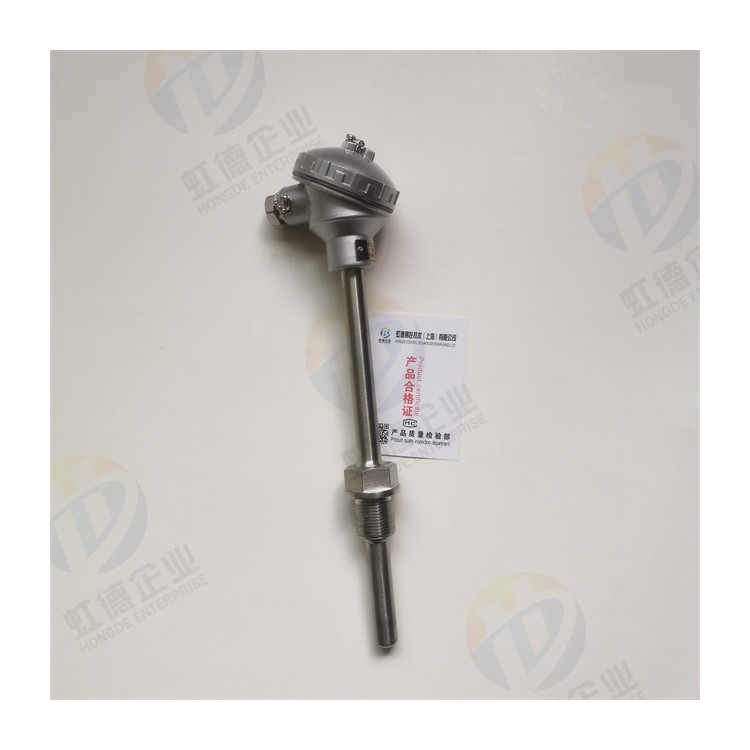
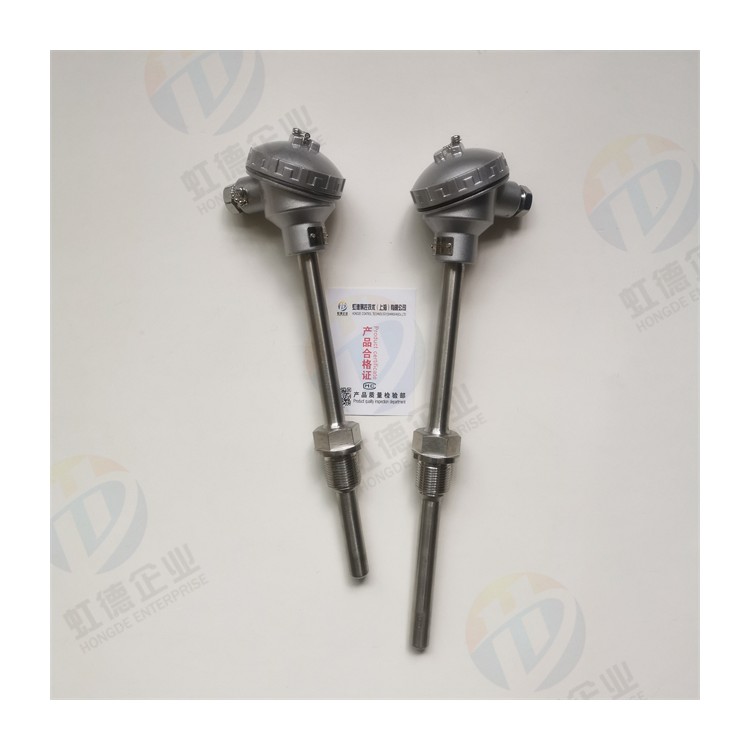
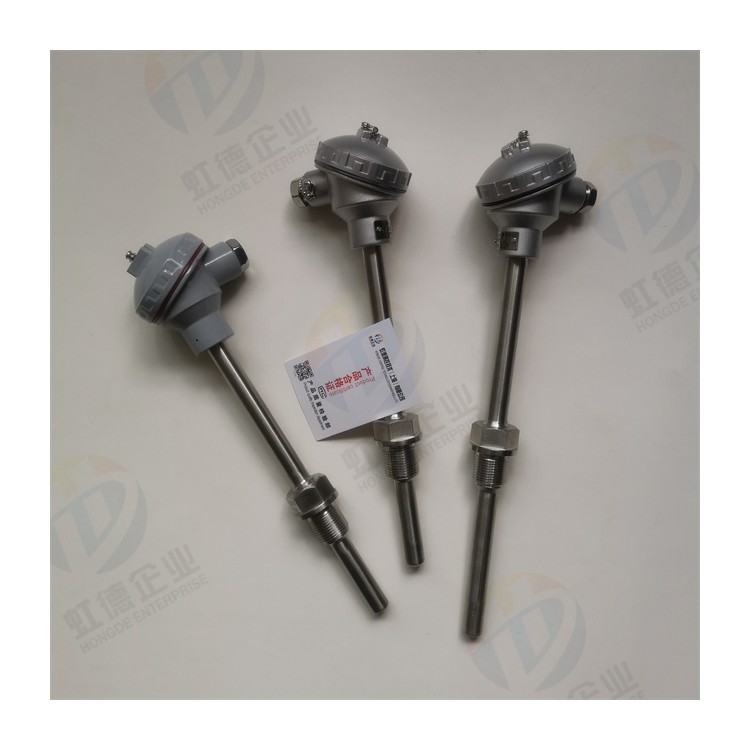
Hongde Measurement Control WZPK-231 Resistance Thermometer WZP-630 Conical Resistance Thermometer
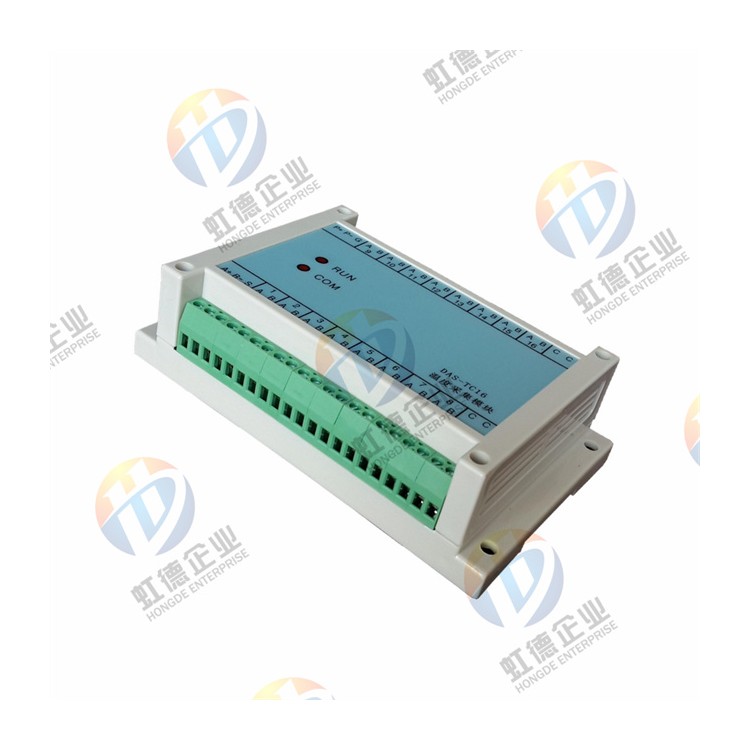
Shanghai Hongde DAS-TC16 Temperature Acquisition Module Thermocouple K Type Temperature Transmitter
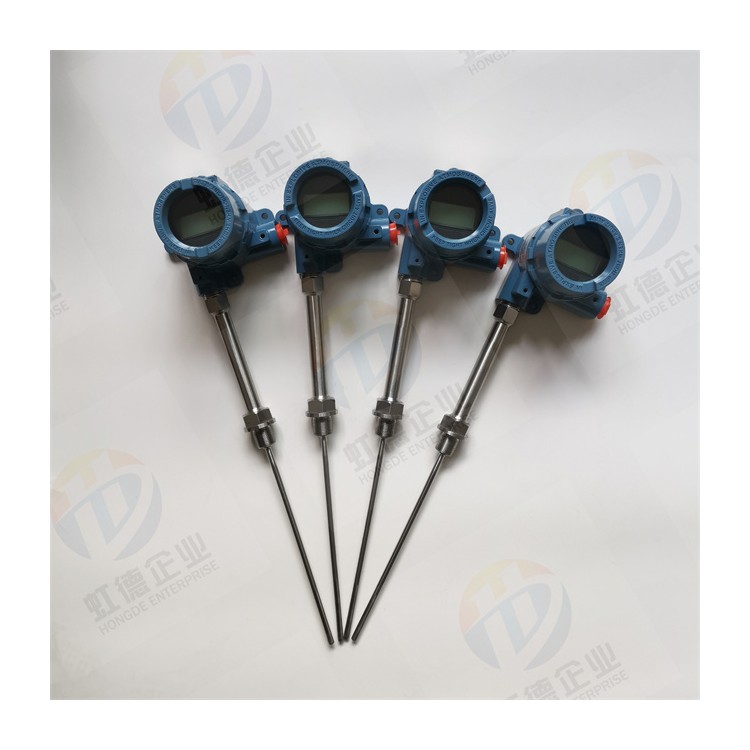
Digital Temperature Transmitter, Explosion-proof Temperature Transmitter, Resistance Temperature Detector with On-site Display

Explosion-proof Resistance Temperature Detector WZPK-240, Intrinsically Safe Temperature Sensor for Chemical Plants

Platinum Resistance Thermometer WZPQ2-E32-50, Immersion Type Pt100, Hongde Measurement and Control Manufacturer

Compact WDX model integrated temperature transmitter, Delicate temperature sensor
详情描述
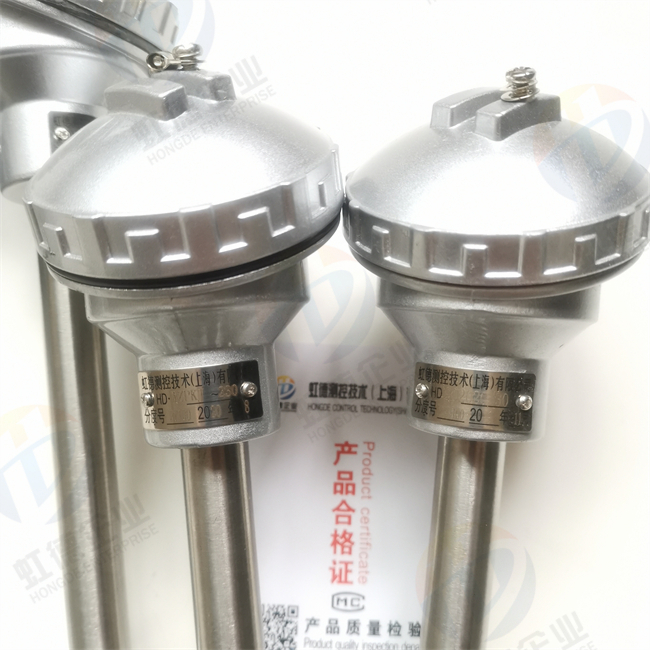
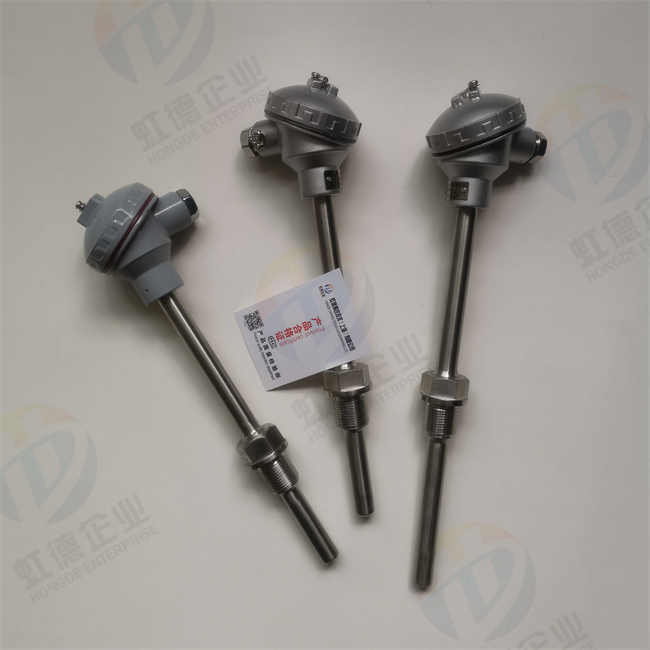
Grade A Precision WZPK-231 Thermistor, WZP-630 Conical Thermistor
WZPK-231 Resistance Thermometer, WZP-630 Conical Resistance ThermometerProduct Introduction:
Resistance thermometers, as sensors for industrial temperature measurement, are commonly used with indicating and pointer instruments, recording instruments, and industrial intelligent regulators. They can directly measure the temperatures of liquids, gases, steam, and solid surfaces within a range of -200℃ to 600℃ (thermocouples can reach up to 2300℃) during various production processes. They are widely applied in industries such as petrochemicals, chemicals, machinery, metallurgy, ceramics, environmental protection, cement, and power plants.
WZPK-231 Resistance Thermometer, WZP-630 Conical Resistance ThermometerStandard of Execution:
In compliance with national regulations, we are capable of manufacturing two types of assembled, unified-design resistors: Pt100 and Pt1000 platinum thermistors, as well as Cu50 copper thermistors, all of which meet the IEC 751, JB/T8622-1997, and JB/T8623-1997 standards.
3. WZPK-231 Resistance Thermometer, WZP-630 Conical Resistance ThermometerOperating Principle:
The temperature measurement principle of resistance thermometers is based on the characteristic that the resistance of conductors or semiconductors changes with temperature. Most resistance thermometers are made of pure metals, with platinum and copper being the most commonly used materials. Nickel, manganese, and rhodium are now also being used to manufacture resistance thermometers. Resistance thermometers typically require the transmission of resistance signals through leads to a computer control unit or other primary instruments. Industrial resistance thermometers are installed at the production site, with a certain distance from the control room, so the leads of the resistance thermometer can have a significant impact on the measurement results.
Thermistors measure temperature by utilizing the property of materials where their resistance changes with temperature variations. The heated part (sensing element) of a thermistor is uniformly wound with fine metal wire around a frame made of insulating material. When there is a temperature gradient in the medium being measured, the temperature obtained is the average temperature of the medium layer within the range of the sensing element.
Four: WZPK-231 Resistance Thermometer, WZP-630 Conical Resistance ThermometerKey Technical Parameters:
◆ Measurement Range: -196~600℃
◆Thermocouple Type: Pt100, Pt1000
Precision Grade: Grade A \ Grade B
◆Pipe Diameter: Φ12mm, Φ16mm (Please specify special outer diameter if applicable)
◆ Tube material: 304, 316; other materials, please specify
◆ Resistance Temperature Detector (RTD) wiring: Three-wire system, Four-wire system
◆ Thermal Response Time: T0.5 ≤ 15S (The time required for the thermal resistance output to change to 50% of the step change in temperature is called the thermal response time, denoted as T0.5).
◆ Self-heating effect of resistance temperature detectors: The temperature value derived from the resistance increment measured at a current of 5mA in the resistance temperature detector should not be greater than 0.30℃.
5. WZPK-231 Resistance Thermometer, WZP-630 Conical Resistance ThermometerMaterial of protective tube:
Material
| Operating Temperature
| Features and Applications
|
1Cr18Ni9Ti
| -200~800
| High-temperature corrosion resistance, commonly used as general heat-resistant steel.
|
304
| -200~800
| Low carbon content, with excellent intergranular corrosion resistance, usually used as general heat-resistant steel
|
316
| -200~750
| Low carbon content, with excellent intergranular corrosion resistance, suitable for use as corrosion-resistant steel.
|
316L
| -200~750
| Carbon content, excellent intercrystalline corrosion resistance, used as corrosion-resistant steel
|
310S
| -200~1000
| High-temperature oxidation resistance and corrosion resistance, commonly used as heat-resistant steel.
|
GH3030
| 0~1100
| Nickel-based high-temperature alloy steel, with excellent oxidation resistance and corrosion resistance, commonly used as heat-resistant steel.
|
询价单


