




- AllProduct Category
-
Electrical Safety Sensing Equipment
Mechanical Safety Sensory Devices
Safety Equipment for Hazardous Environment Operations
Fire Protection/Safety Equipment
Chemical Safety Sensory Equipment
VR Motion Sensors





详情描述
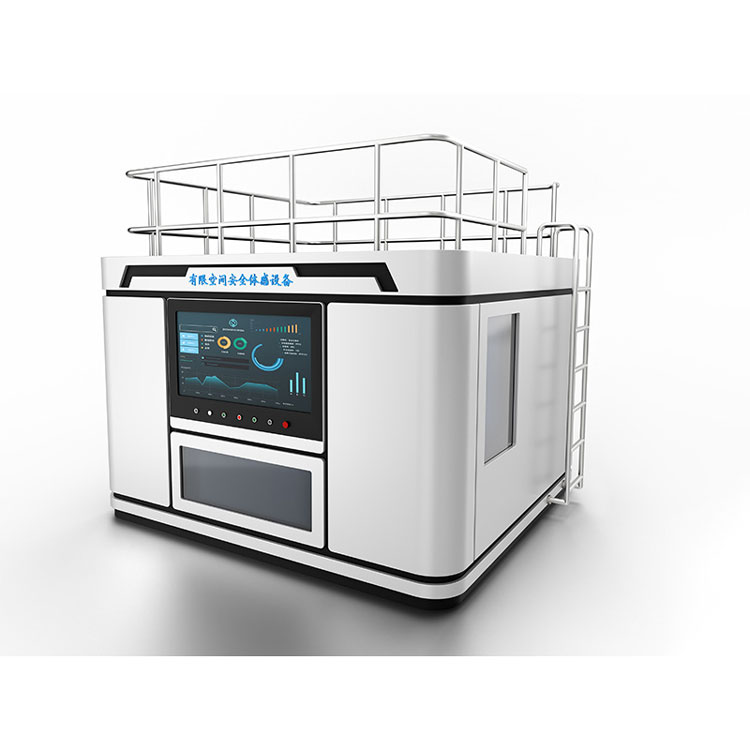
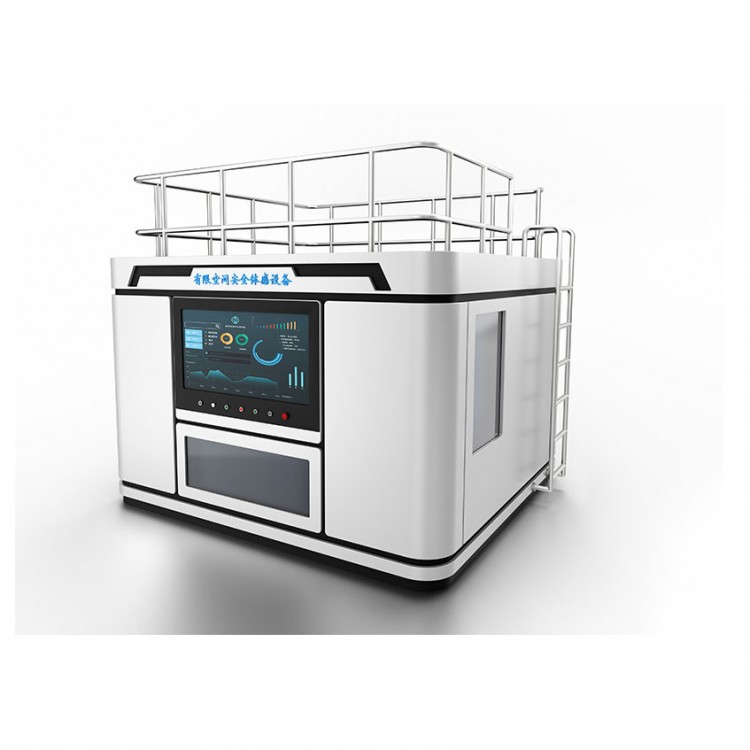
Safety Perception in Limited Space Operations
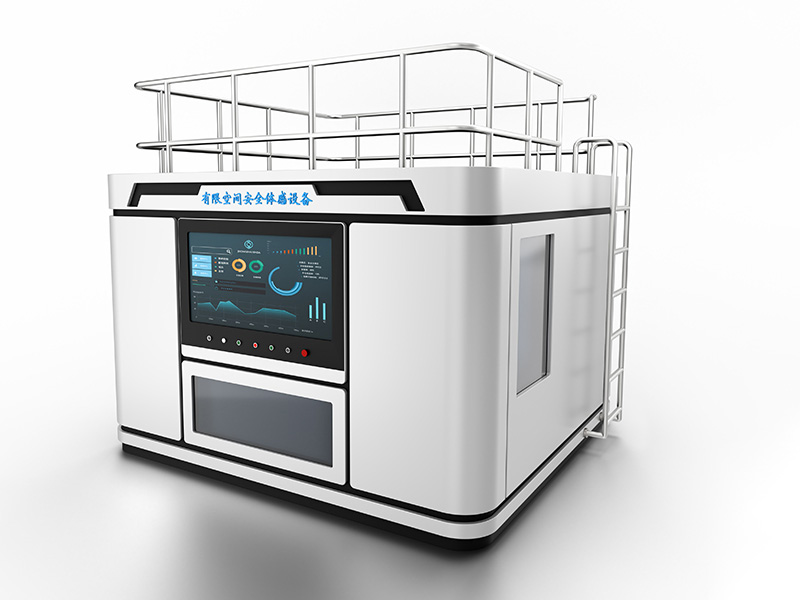
Overview
Limited space refers to enclosed or partially enclosed areas that are relatively isolated from the outside, with narrow entrances and exits. Workers cannot stay inside for extended periods, natural ventilation is poor, and it is prone to the accumulation of toxic and harmful substances, flammable and explosive materials, or insufficient oxygen levels.
Limited Space Type
1. Underground limited spaces, such as basements, underground warehouses, underground projects, underground conduits, culverts, tunnels, underpasses, excavation pits, deep foundations, abandoned wells, cellars, inspection well rooms, septic tanks, and wastewater treatment pools.
2. Limited space above ground, such as material storage, ash storage, gas cabinets, etc.
3. Enclosed equipment such as storage (tanks), truck-mounted tanks, reaction towers (vessels), kilns, furnace chambers, flues, pipelines, and boilers, etc.
Primary Risks in Limited Space Safety
1. Poisoning
Toxic gases may leak from equipment or pipelines that are located, connected, or in close proximity within a confined space. There is a risk of poisoning if the concentration of these gases exceeds the occupational exposure limits for chemical hazardous factors in the first part of "Occupational Exposure Limitation of Harmful Factors in Working Places: Chemical Hazardous Factors" (GBZ2.1-2019).
2. Oxygen Deficiency
Oxygen levels below 19.5% indicate hypoxia, and when oxygen levels drop below 6%, death can occur within 40 seconds.
3. Ignite explosion
Combustible gases accumulate in limited spaces, mix with air to form explosive mixtures, reach the explosive limit in concentration, and explode upon encountering an ignition source.
The limited-space experience equipment must meet the following four conditions simultaneously; none can be missing.
1. Sufficiently spacious for a person to enter fully.
2. Limited or restricted import/export.
3. Not designed for long-term space occupation.
4. Potential and need for personnel entry.
Key Features
1. Poor ventilation can lead to the accumulation of toxic and flammable gases, as well as oxygen deficiency; this is a primary cause of fatalities in confined spaces. Hydrogen sulfide is commonly found among toxic gases; therefore, it is essential to ensure an adequate supply of non-toxic air before entering a confined space.
2. One of the causes of accidents in certain confined spaces is the complexity of their internal structures.
3. The main mechanism of harm is when inherent internal risks cause harm, making it inconvenient for personnel to evacuate or be rescued.
4. The space between mechanical operating components is not a confined space.
Accident Characteristics
1. The unfamiliarity of workers with the concept of confined spaces, leading to a fundamental inability to recognize the hazards associated with such spaces, is the root cause of the high incidence of confined space accidents.
2. Lack of knowledge among supervisors and rescue personnel is a major cause of high mortality rates in related accidents. It is common for accidents to occur when a single person is working in a confined space, often resulting in the deaths of multiple rescuers during the rescue efforts.
3. The lack of applicable rescue equipment is also a contributing factor to the high mortality rate among the corresponding operation personnel.
Management Focus
Operations in confined spaces must strictly adhere to the principle of "ventilation first, detection next, then work." Detection indicators include oxygen concentration, concentration of flammable and explosive substances (flammable gases, explosive dust), and concentration of toxic and harmful gases. Detection must comply with the provisions of relevant national or industry standards. No personnel may enter a confined space for work without proper ventilation and detection. The detection should not be conducted earlier than 30 minutes before the start of work. During the detection, the time, location, type of gas, and concentration should be recorded. The detection records, after being signed by the inspectors, should be archived. If the materials stored or remaining in the confined space pose a hazard to the work, the workers should clean, empty, or replace the materials before the work begins. Only after the hazardous and harmful factors in the confined space have been tested and meet the requirements of "Occupational Exposure Limit of Harmful Factors in Working Places, Part One: Chemical Harmful Factors" (GBZ2.1), can workers enter the confined space for work. During the confined space operation, the enterprise should take ventilation measures to maintain air circulation and prohibit the use of pure oxygen for ventilation and air exchange. The enterprise should conduct regular or continuous monitoring of hazardous and harmful factors in the work area during the confined space operation. If the work is interrupted for more than 30 minutes, workers must re-ventilate and pass the detection before re-entering the confined space.
Feature Brief
Objective: Simulate restricted space work experience, including space container, steel platform, gas detection, tripod emergency rescue, ventilation and air exchange experience, oxygen deficiency asphyxia, inconvenience of confined space work, and supervision experience.
Process Design
1. Insert the fan at the bottom of the reactor for forced ventilation.
2. Ventilation complete; conduct gas testing on the reactor.
3. After passing inspection, the rescue personnel put on isolation-style long-tube gas masks, safety belts, connect the lifelines, wear detection equipment and walkie-talkies, and enter the reactor interior (i.e., the confined space) through the manhole for a simulated operational experience.
4. Assign a dedicated person at the entrance to supervise and activate high-power ventilation equipment, and promptly report internal detection values (carbon monoxide and oxygen levels).
5. Secure the injured parties with ropes, notify the rescue team, and promptly transfer the casualties to a well-ventilated, open area. Immediately commence first-aid measures on the scene.
Module Function Requirements
Key Technical Specifications
Model: HK-YX 300
Rated Voltage: N/A
Pressure: None
Dimensions: 3000*2000*2500mm
Weight: 500 Kg
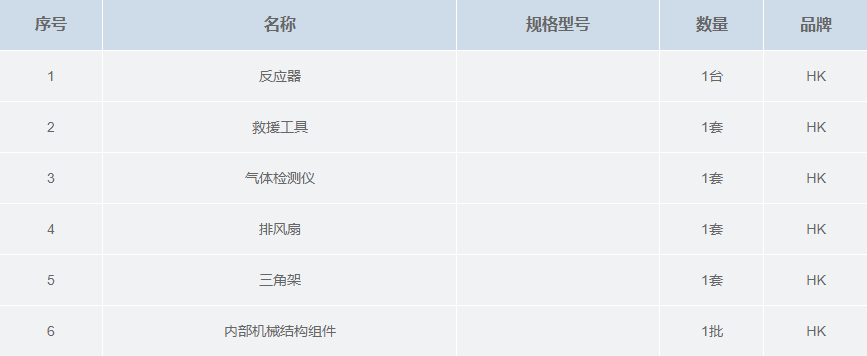
Main Configuration
询价单


