

- AllProduct Category
-
Horizontal Screw Conveyer Blender
Single-cone/Screw Conveyer Blender
Single-cone double-helix mixer
Dual-Engine Hybrid Machine
Gravity-Free Blender
VC Blending Machine
Plow Knife Blender
Other Mixed Series
Mixing Vessel Series
Ball Mill Series
Compaction Machine / Mechanical Blending Machine







详情描述
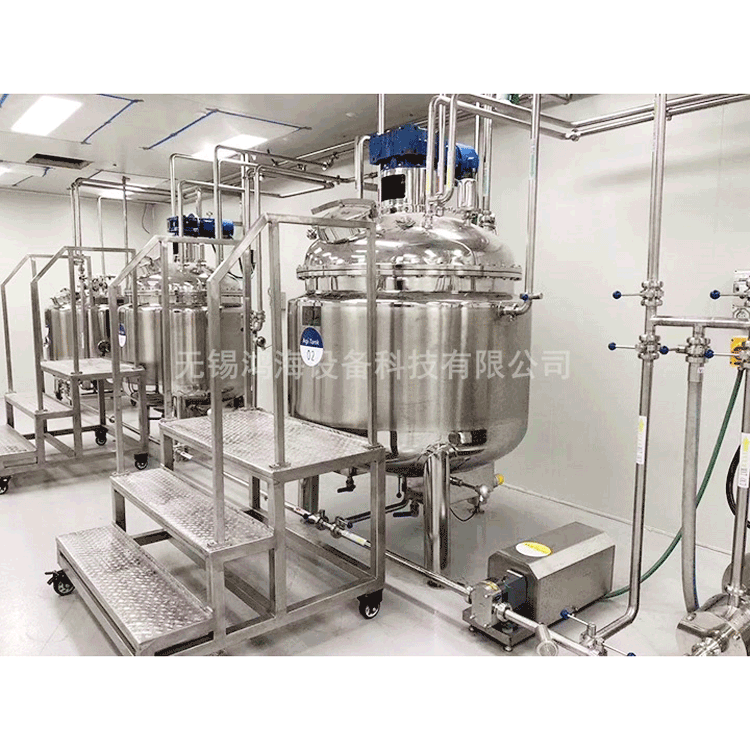
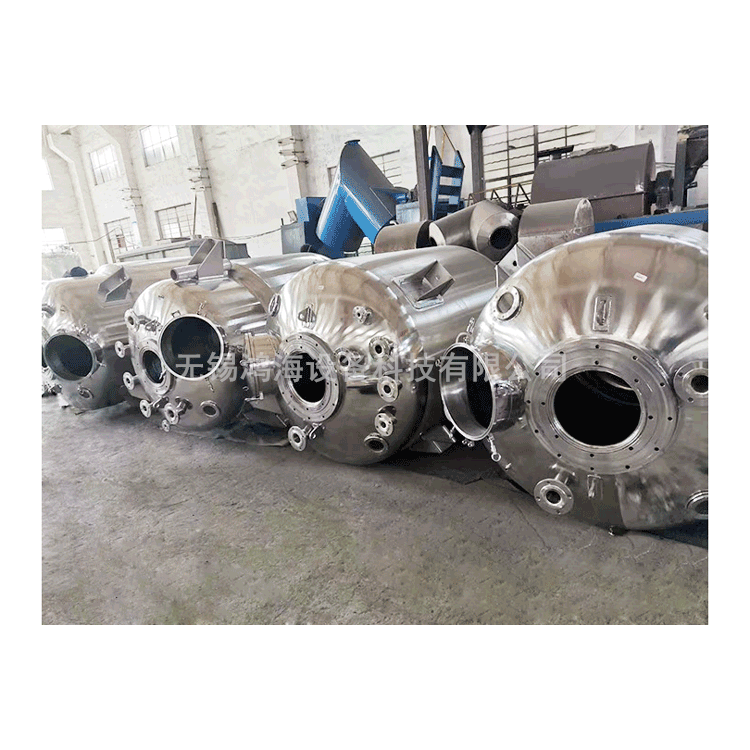
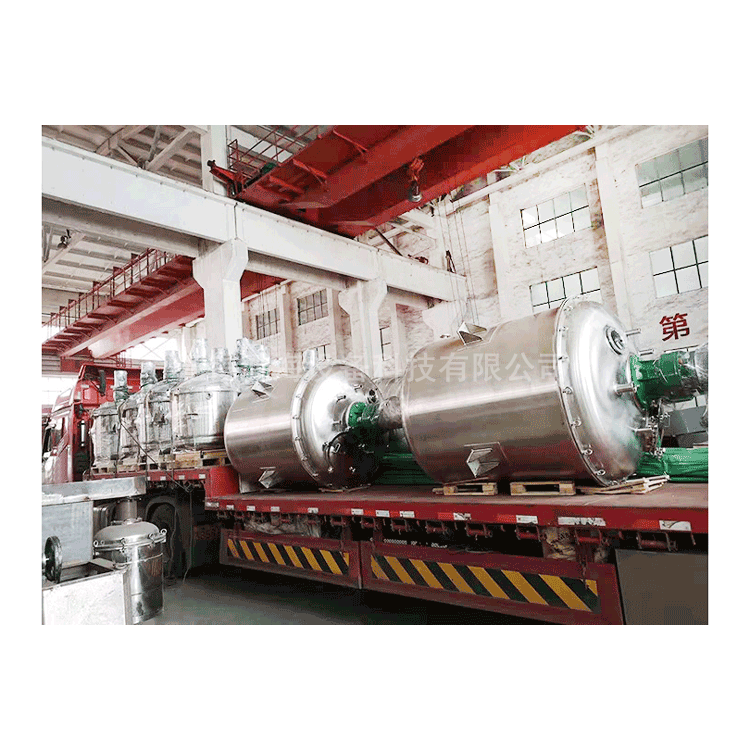
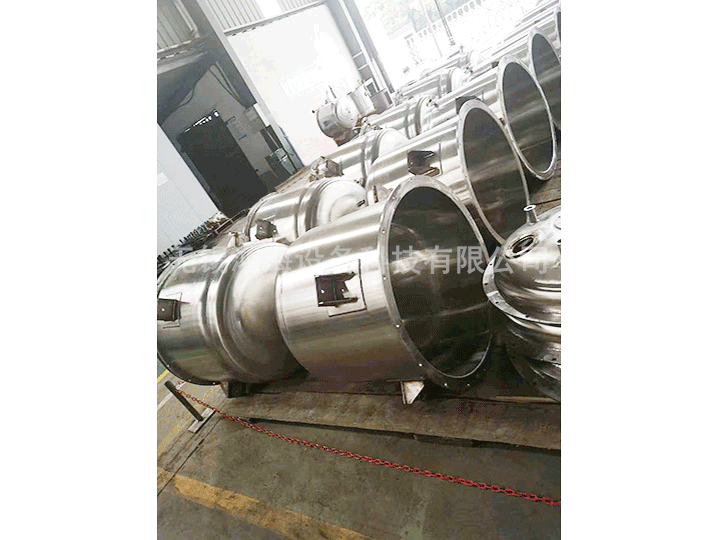
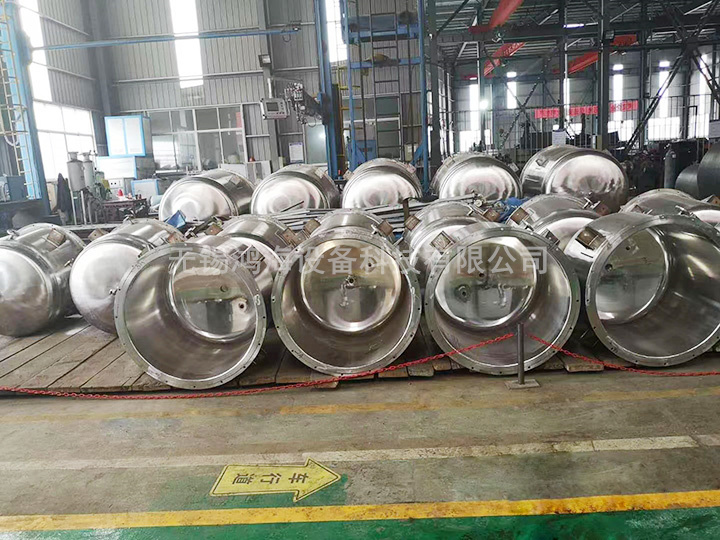
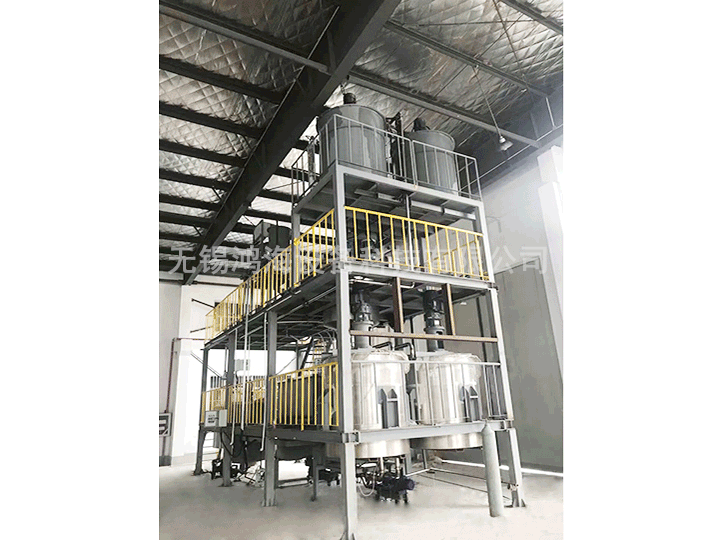
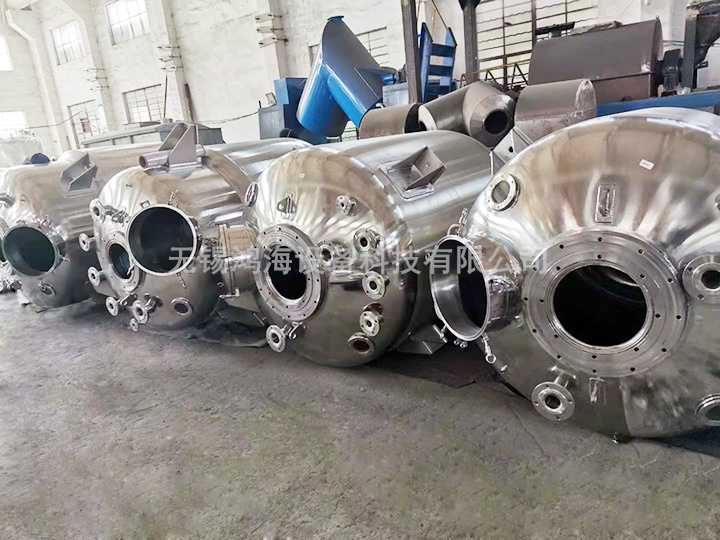
Stainless Steel Mixing Vessel

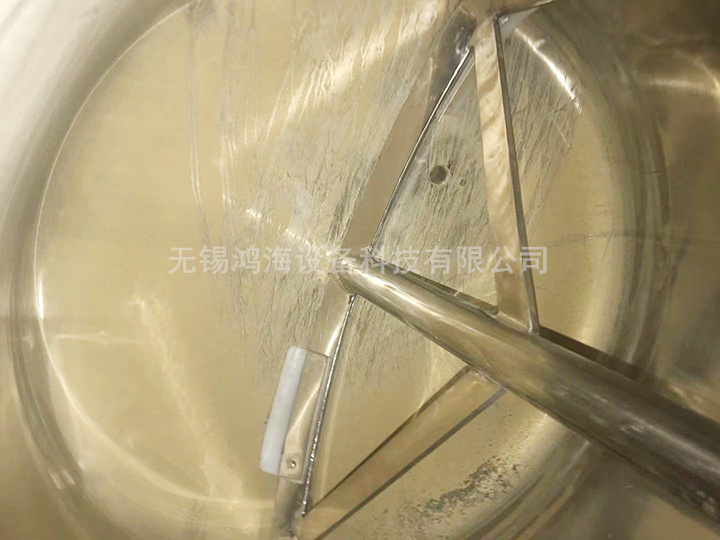
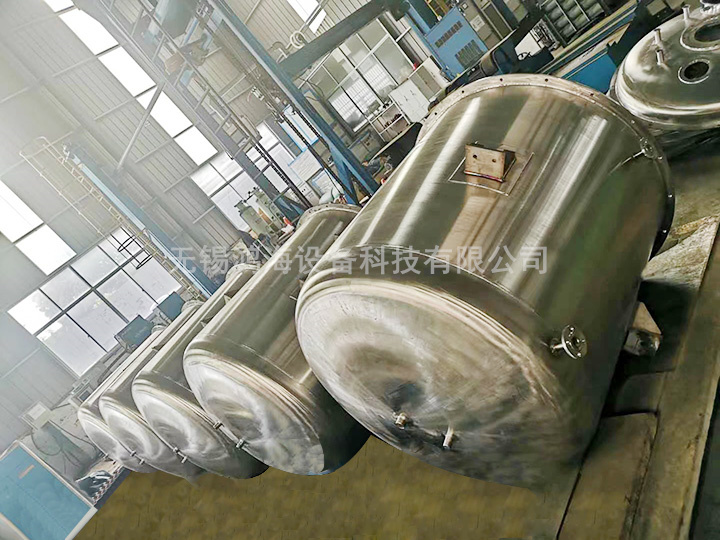
Product Overview
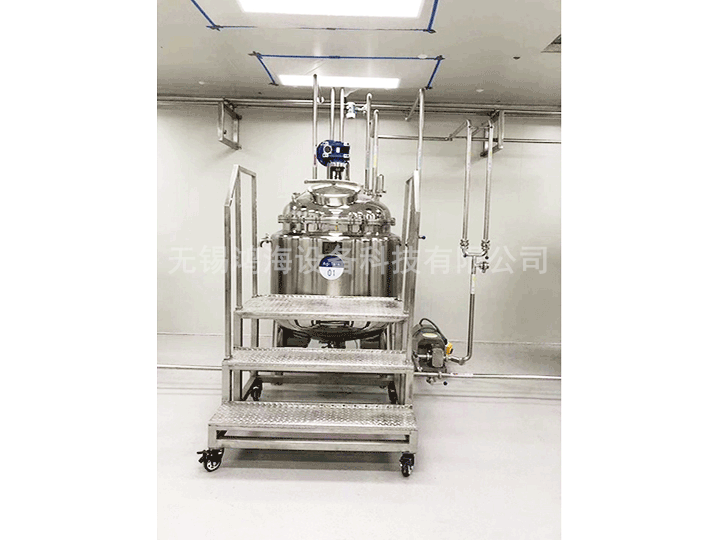
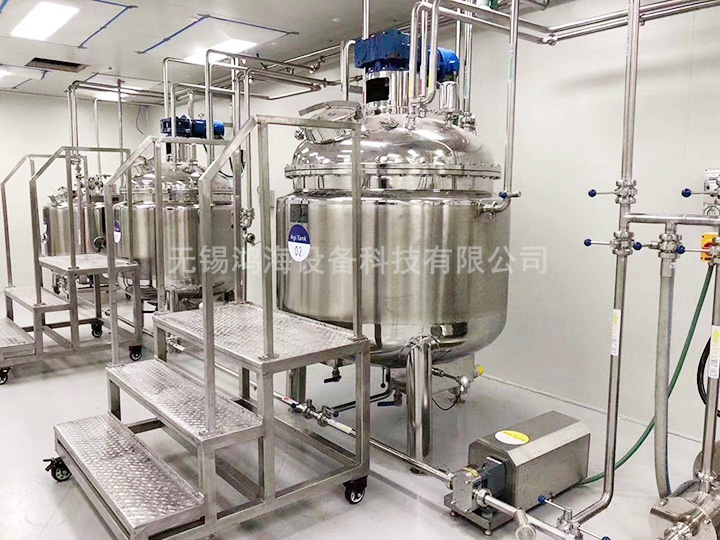
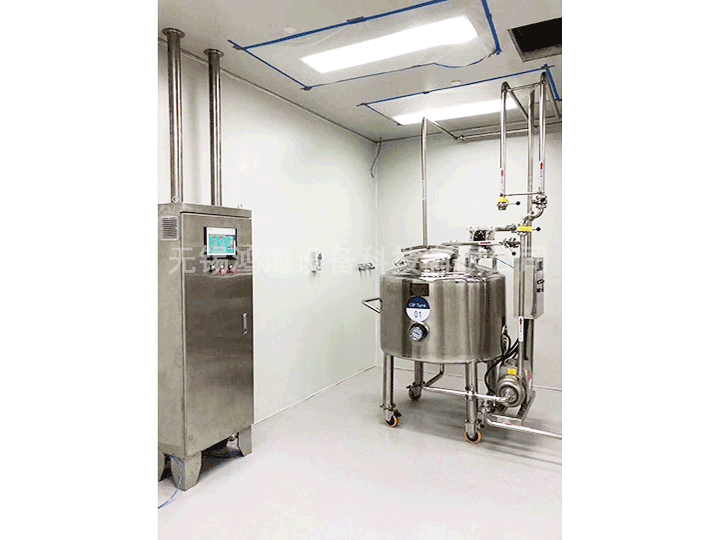
A general understanding of stainless steel mixing tanks refers to containers for physical or chemical reactions, which, through structural design and parameter configuration of the tank, achieve the required heating, evaporation, cooling, and low to high-speed mixing functions for the process.
Based on the tank body material, they can be categorized into stainless steel mixers, carbon steel mixers, glass-lined mixers (enamel-lined mixers), and steel-lined mixers.
According to the heating/cooling method, it can be divided into electric heating, hot water heating, thermal oil circulation heating, far infrared heating, external (internal) coil heating, jacket cooling, and coil cooling inside the kettle, etc. The choice of heating method primarily depends on the required heating/cooling temperature for the chemical reaction and the amount of heat needed.
Mixers are available in anchor, box, paddle, turbine, scraper, and combination types. The rotating mechanism can utilize cycloidal pinwheel reducers, stepless speed reducers, or variable frequency speed controllers to meet the special reaction requirements of various materials. Sealing devices can adopt mechanical seals or packed gland seals. Heating and cooling can be achieved using jacketed, semi-tubular, coiled tube, or Miller plate structures. Heating methods include steam, electric heating, and thermal oil to cater to the process needs of acidic resistance, high-temperature resistance, wear resistance, and corrosion resistance in different working environments. Moreover, designs and manufacturing can be customized according to the user's specific process requirements.
Stainless steel mixing tanks are widely used in the oil, chemical, rubber, pesticide, dye, and food industries. They serve as pressure vessels for processes such as vulcanization, nitration, hydrogenation, hydrocarbonation, polymerization, and condensation, including reactors, reaction kettles, decomposition kettles, and polymerizers, among others.
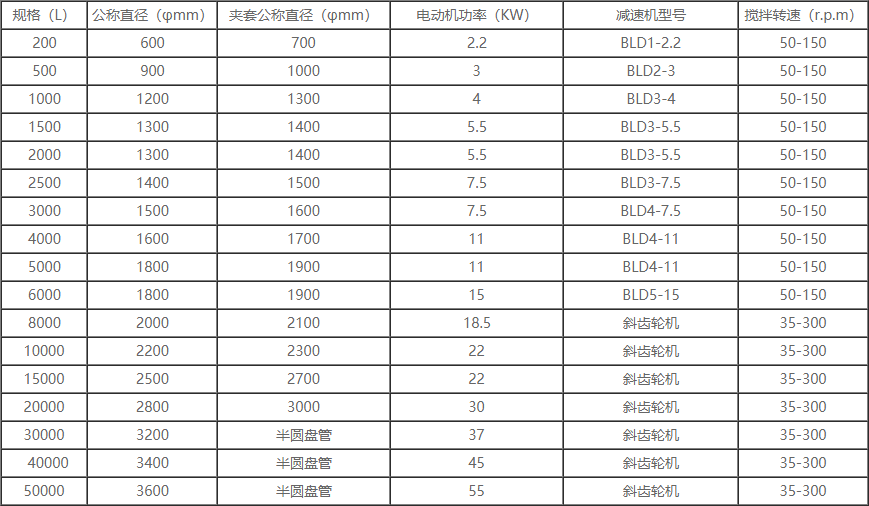
Technical Specifications
询价单


