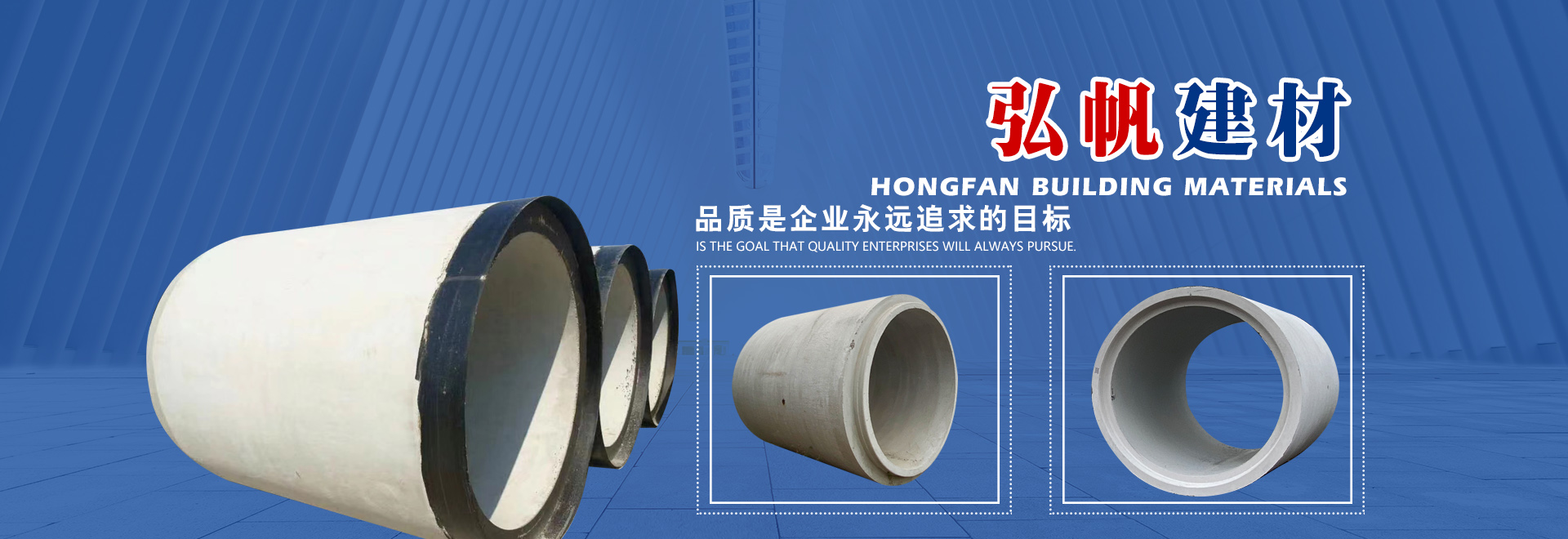
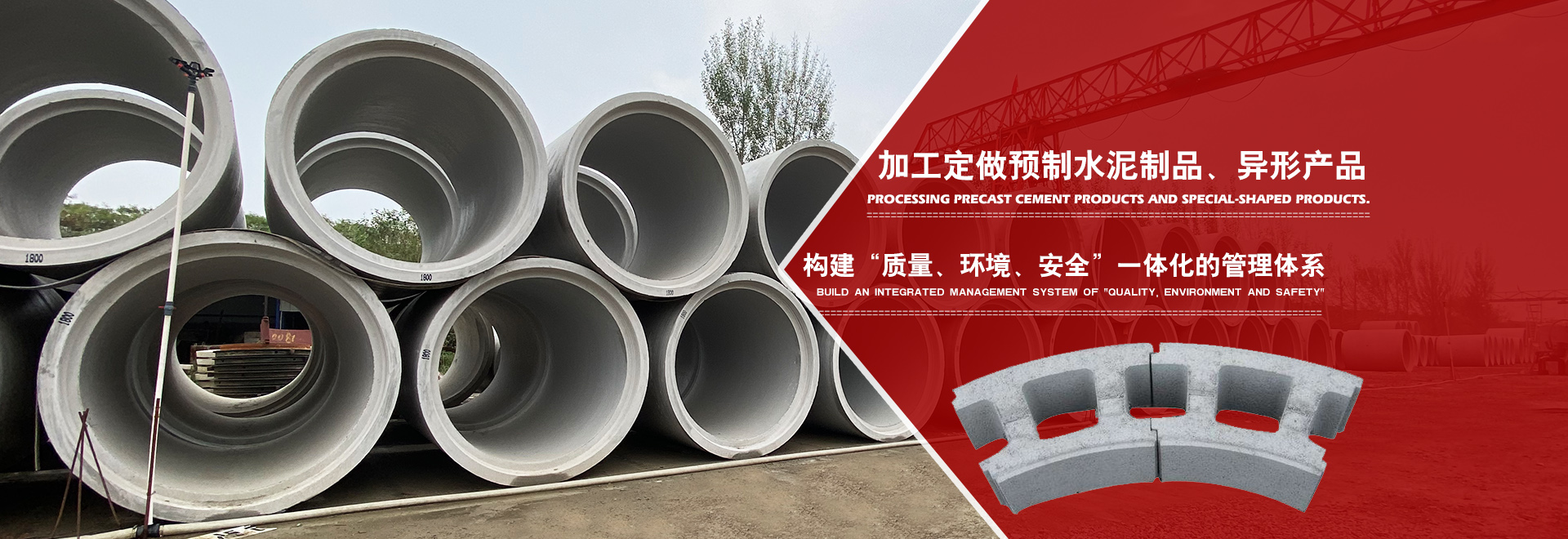
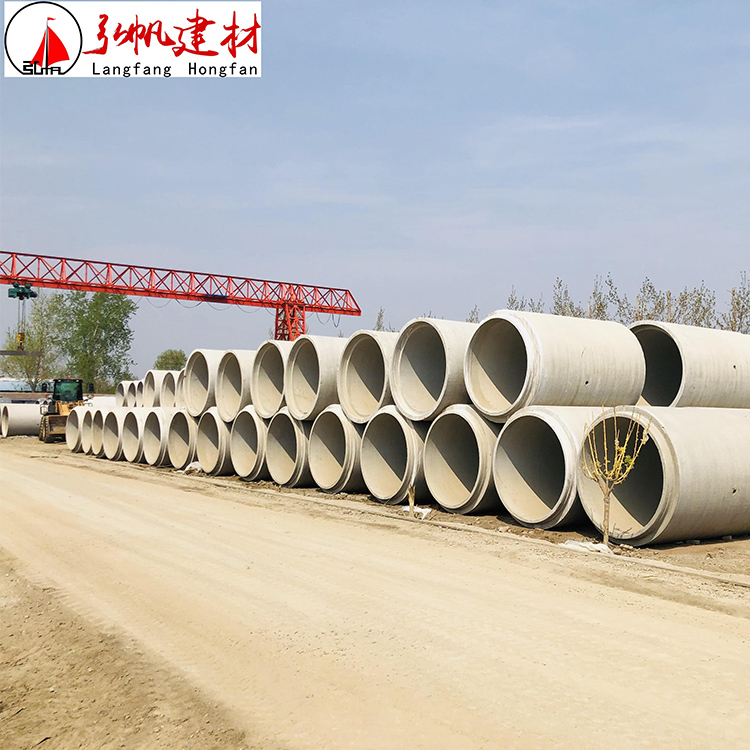
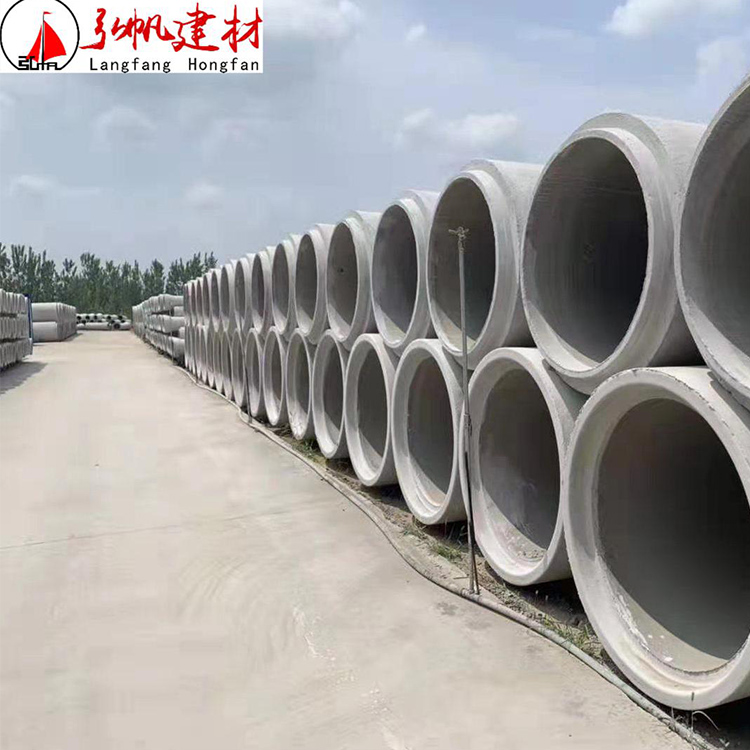
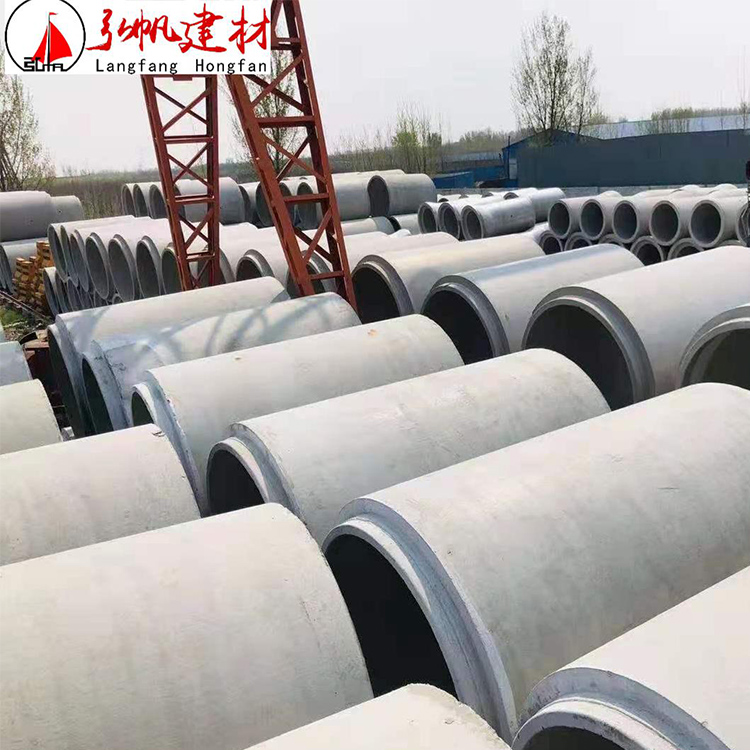
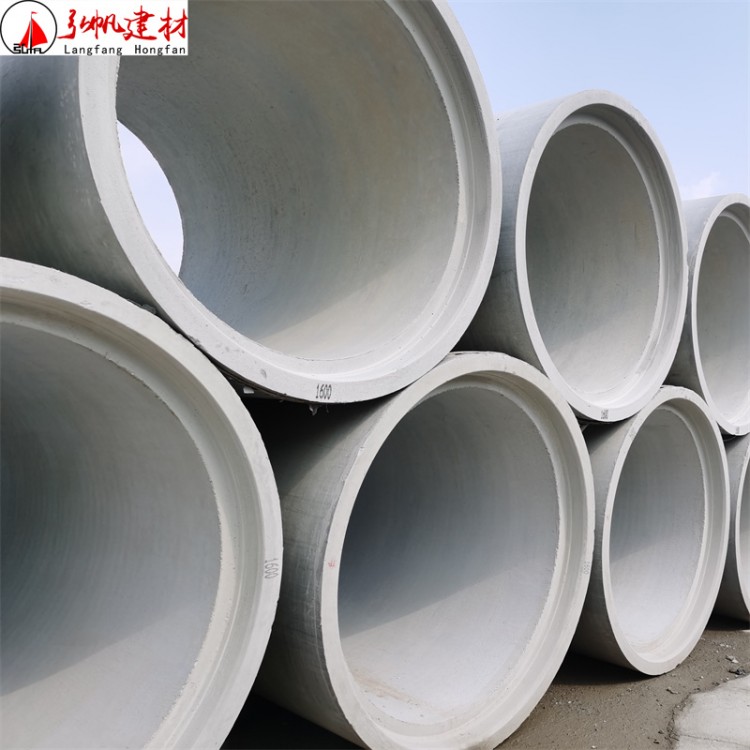
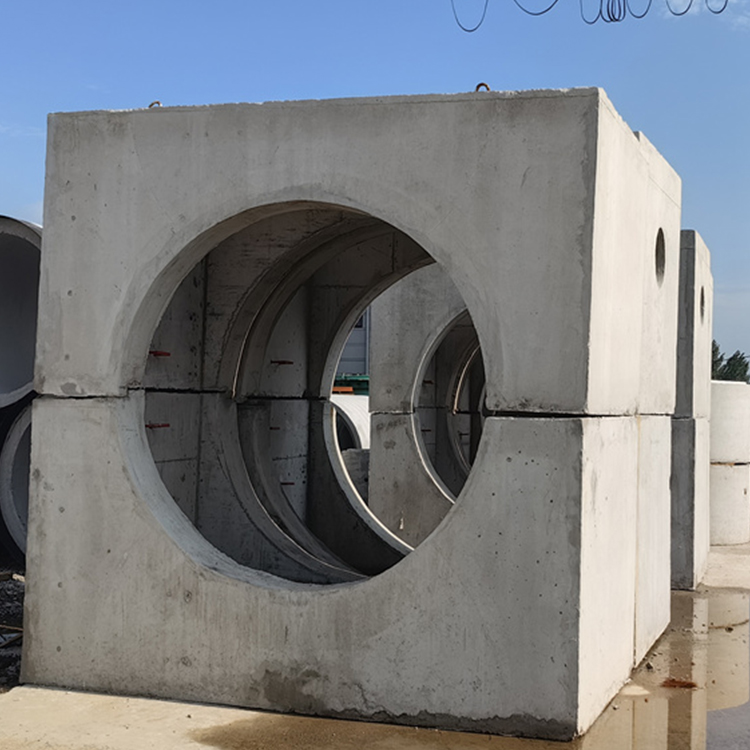
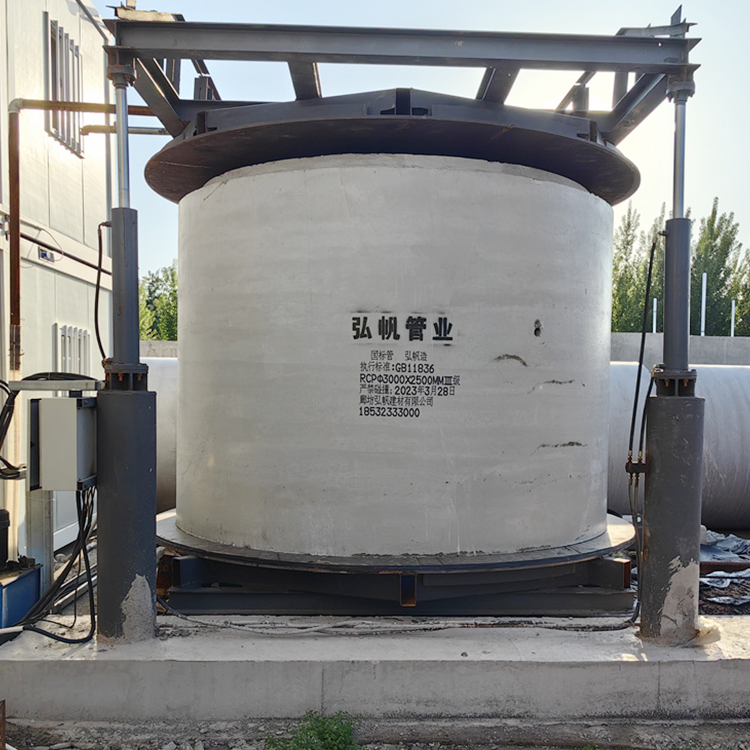
Primarily produce and sell cement pipes, manholes, and other cement structures.
18532333000
The basic principle of rebound method for testing the compressive strength of concrete: There is a certain relationship between the hardness of the concrete surface and its strength. The impact hammer of the rebound meter is struck against the concrete surface with a certain amount of rebound force, and the rebound height is related to the hardness of the concrete surface. By using the rebound meter to test the hardness of the concrete surface, and combining it with the depth of concrete carbonation, the compressive strength of the concrete can be indirectly determined.
However, the results obtained from this testing method have low accuracy. It is not suitable for components with significant quality differences in both surface and content, as the results are greatly influenced by various factors such as the original materials of concrete, construction techniques, and maintenance conditions.
Undeniably, the rebound method for testing the compressive strength of concrete has been widely applied in our country. Practice has proven that the compressive strength values of concrete determined by the rebound method are of great significance in dealing with quality issues in engineering projects.
Rebound Detection Method
One: Rebound Gauge Calibration
The rebound meter should be calibrated every six months. When the rebound meter exhibits any of the following conditions, it should be calibrated in accordance with the industry standard "Rebound Meter" JJG817 by a legally recognized metrological calibration institution:
Prior to the new rebound meter's activation.
Exceeded the calibration validity period.
3. The digital rebound hammer's digital display of the rebound value differs by more than 1 from the direct reading of the pointer.
4. After maintenance, the steel anvil calibration value was found to be不合格.
5. Suffered severe impact or other damage.
Be mindful of the maintenance requirements!
Section II: Sampled Component Quantity
Components subject to batch inspection should be sampled at a rate not less than 30% of the total number of components in the batch, and the number of components sampled should not be less than 10. When the number of components in the inspection batch exceeds 30, the number of sampled components may be adjusted appropriately, but it must not be less than the minimum sampling quantity specified by the current relevant standards.
Section 3: Layout Requirements
For general components, the number of measurement areas should not be fewer than 10.
In cases where it is permissible to reduce the number of test areas, but not below five.
Components exceeding 30 in number, for which individual component assumed strength is not required; components with one dimension less than 4.5m and another dimension less than 0.3m in the inspected direction.
2. The distance between adjacent measurement zones should not exceed 2 meters, and the distance from the measurement zone to the end of the component or the edge of the construction joint should not be greater than 0.5 meters, nor less than 0.2 meters.
Section 3: The test area should be chosen on the concrete pouring side where the rebound hammer is horizontally positioned. If this requirement cannot be met, the rebound hammer may also be positioned on the concrete pouring surface or bottom surface at a non-horizontal angle.
Section 4: The measurement area should be selected on the two symmetric measurable surfaces of the component. If it cannot be arranged on the symmetric measurable surfaces, it can also be placed on the same measurable surface, and should be evenly distributed.
The area of the testing zone should not exceed 0.04 square meters.
6. The surface of the testing area should be the original concrete mixture, and it should be clean and smooth. There should be no loose layers, floating slurry, oil stains, coatings, or honeycomb or rough surfaces.
7. Thin-walled and small components that vibrate during impact should be secured.
8. The test area should be clearly numbered, and it is advisable to draw a layout diagram of the test area and describe the appearance quality on the recording paper.
Section 4: Resilience Value and Carbonization Depth Measurement
When measuring the rebound value, the axis of the rebound meter should always be perpendicular to the concrete testing surface, apply pressure slowly, take an accurate reading, and quickly reset.
2. Each testing area should record 16 rebound values, with each testing point's reading up to 1. The testing points should be evenly distributed within the testing area, with the net distance between adjacent points not less than 20mm; the distance from testing points to exposed rebar or embedded components should not be less than 30mm. Testing points should not be on air holes or exposed stones, and each testing point should only be struck once.
After the rebound value measurement is completed, the carbonization depth value should be measured at representative locations. The number of measurement points on the table should not be less than 30% of the component measurement area. The average value of these measurements represents the carbonization depth value for each measurement area of the component. When the difference in carbonization depth values exceeds 2.0mm, the carbonization depth value should be measured in each measurement area.
Section V: Resilience Value Calculation
1. Three high and three low rebound values were excluded from the 16 readings in the measurement area, with the arithmetic average of the remaining 10 rebound values being taken.
When measuring the rebound value on the side of concrete pouring in a non-horizontal state, the average rebound value of the measurement area should be corrected for angle.
3. When measuring the concrete pouring surface or bottom surface horizontally, the average rebound value of the measuring area should be corrected for the measuring surface.
4. When the rebound hammer is not in a horizontal direction during testing and the test surface is not the concrete pouring side, the rebound value should first be corrected for angle, and then the corrected value should be adjusted for the pouring surface.
Section 6: Strength Conversion and Estimation
Concrete strength value of the test area's current age period, obtained by converting the average rebound value and carbonization depth value of the test area through the strength curve or the test area strength conversion table.
Previous: What Should a Team Leader in a Manufacturing Company Do? Next: How to Choose Three Types of Reinforcement Connection Methods, and Which Parts Cannot Be Welded or Tied
Contact us

Service Hotline
13673294156
Company Telephone
18532333000

Address
Wen'an County, Dalu Town, Xiliuhe Village, Langfang City, Hebei Province
b2b.china9.net © Zhongshang 114 Hebei Network Technology Co., Ltd.Address: Room 6009, Oriental New World Center, No.118 East Zhongshan Road, Qiaoxi District, Shijiazhuang City, Hebei ProvincePlatform Service Hotline: 4006299930