





详情描述
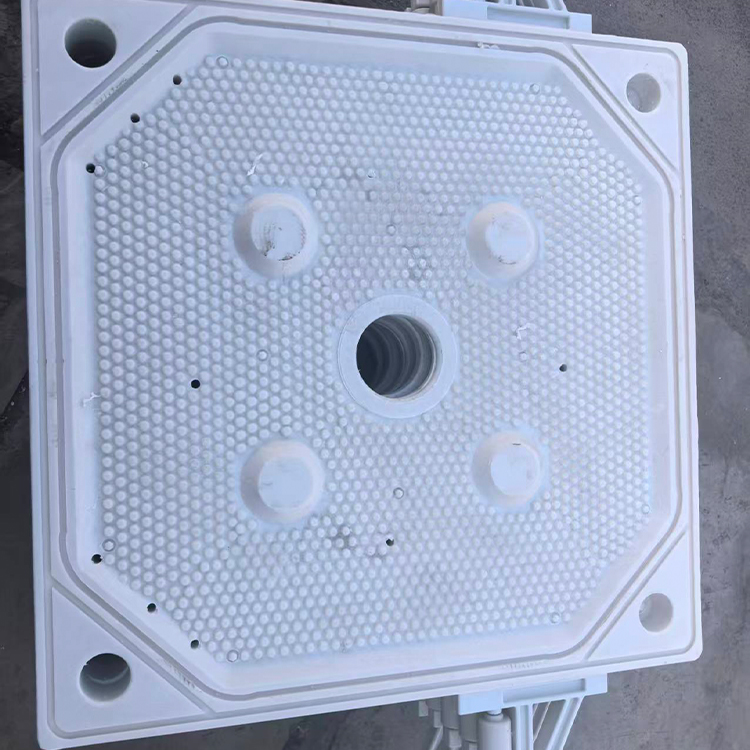
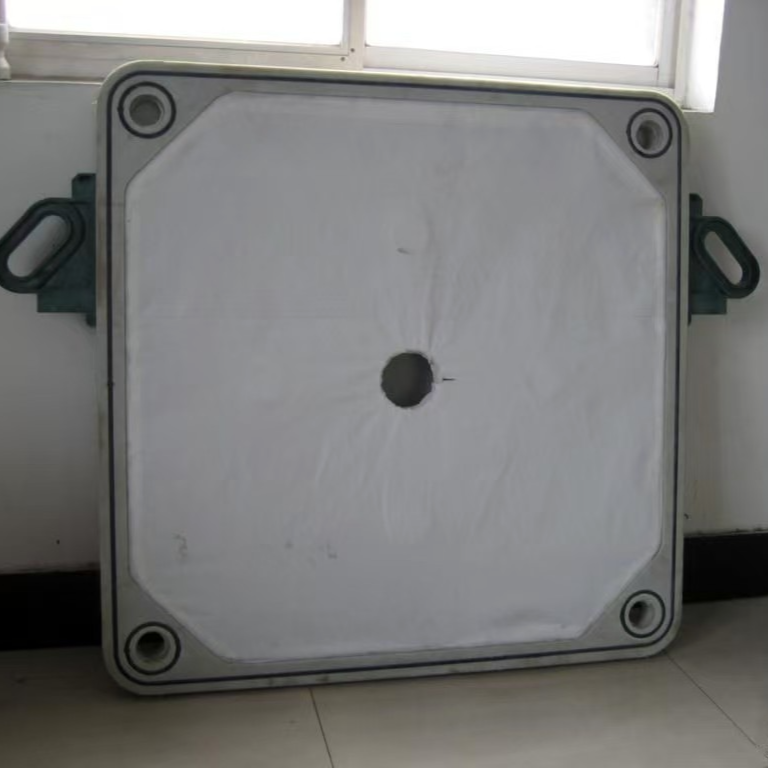
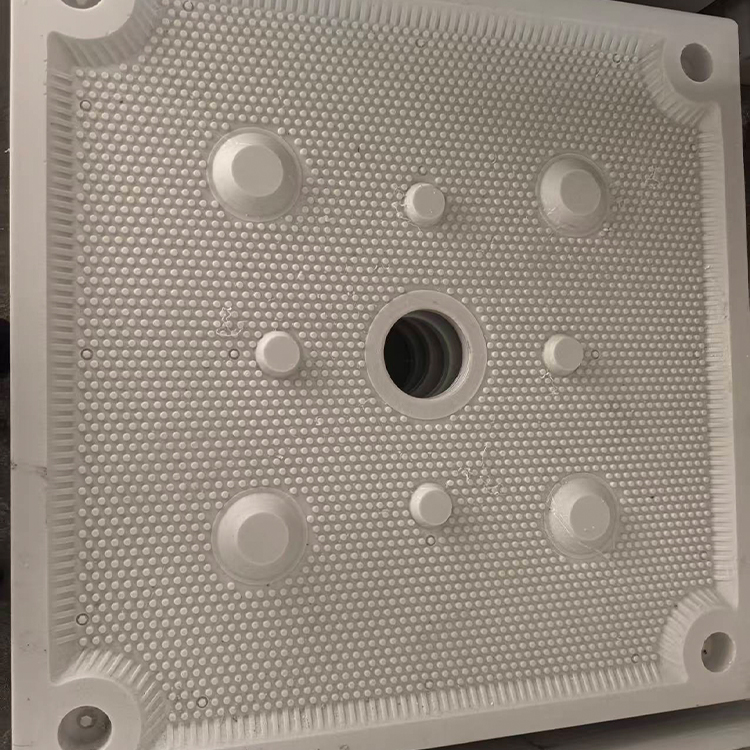
Filter plates are one of the core components of pressure filters, primarily used for the filtering process in solid-liquid separation. They retain solid particles from the suspension on the filter cloth under pressure, forming a filter cake, while the liquid passes through the filter plate. The material, structure, and working principle of the filter plates directly affect the filtration efficiency and service life of the pressure filter.
Material: Common filter plate materials include glass fiber reinforced plastic, cast iron, and stainless steel. Glass fiber reinforced plastic filter plates are lightweight and corrosion-resistant, suitable for chemical, environmental protection, and other industries; cast iron filter plates are high in strength and excellent in pressure resistance, suitable for high-pressure conditions; stainless steel filter plates have strong corrosion resistance, suitable for food and pharmaceutical industries.
Operating Principle: During operation, the filter plates are clamped tightly under the action of the hydraulic system, forming a sealed filter chamber. The suspension liquid enters the filter chamber through the feed port and, under pressure, the liquid passes through the filter cloth and filter plates, while solid particles are retained in the filter chamber to form a filter cake. Once the filter cake reaches a certain thickness, the press filter stops feeding, the filter plates are released, and the filter cake is discharged.
Application Scenarios: Press filter plates are widely used in industries such as petrochemicals, environmental protection, metallurgy, food, and medicine, for processing various suspended liquids, such as sludge dewatering, mineral concentration, and chemical product filtration.
Caution Notice
Ensure the filter plate is installed flat to prevent cracking due to uneven stress.
2. Select filter cloth based on the properties of the filtering material to prevent clogging or damage.
3. Regularly inspect the sealing of the filter plate to prevent leakage or insufficient pressure from affecting the filtration efficiency.
Operation Steps:
Preparation: Check if the filter plates and filter cloths are in good condition, and if the hydraulic system is functioning properly.
2.Compact Filter Plate: Activate the hydraulic system to tightly compact the filter plate to working pressure (usually 0.6 MPa).
3. Material Filtration: Open the feed valve, and the slurry enters the filter chamber. It is recommended to control the filtration pressure within 0.8 MPa.
4. Unloading: After filtration, loosen the filter plate and remove the filter cake.
5. Cleaning and Maintenance: Wash and inspect filter cloths and plates, check equipment condition to ensure normal operation for the next use.
Our pressure filter plates are made of high-quality materials, resistant to corrosion and high pressure, with high filtration efficiency, suitable for various industries.